

Oak Circular Tilt Top Table
An oak circular tilt top table combines a clever space-saving mechanism with a sturdy tripod base, offering practical versatility for any room.
Oak Circular Tilt Top Table
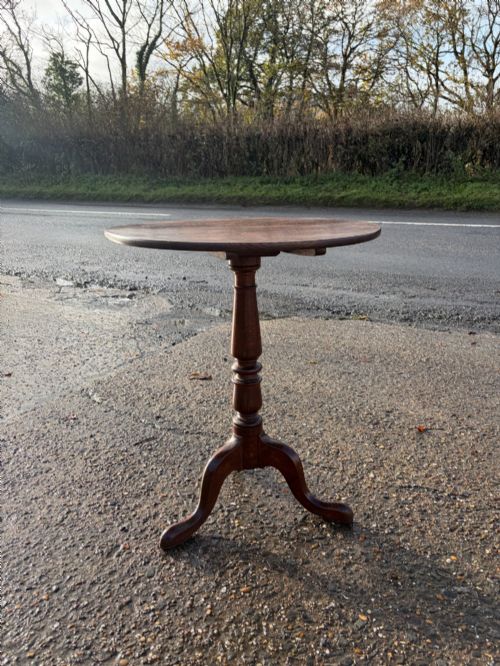
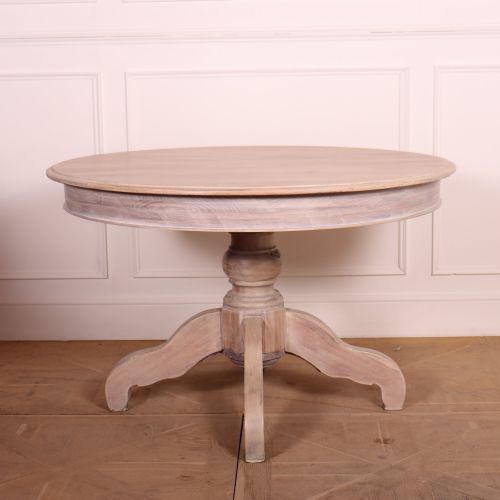
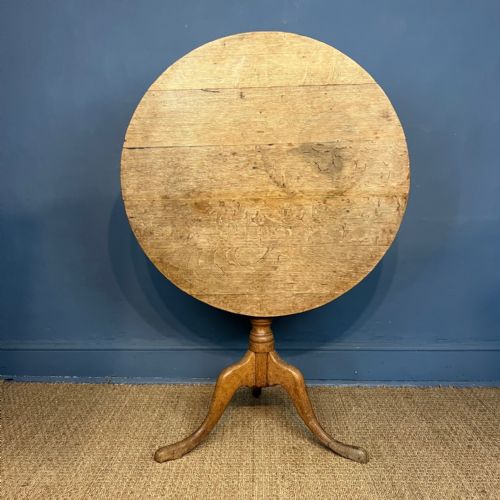
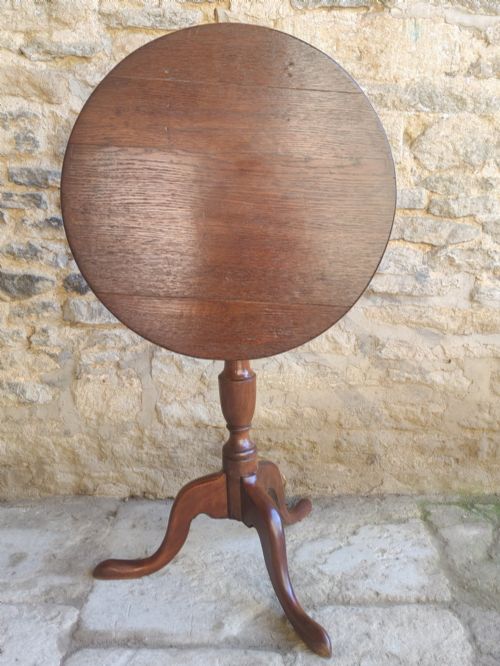
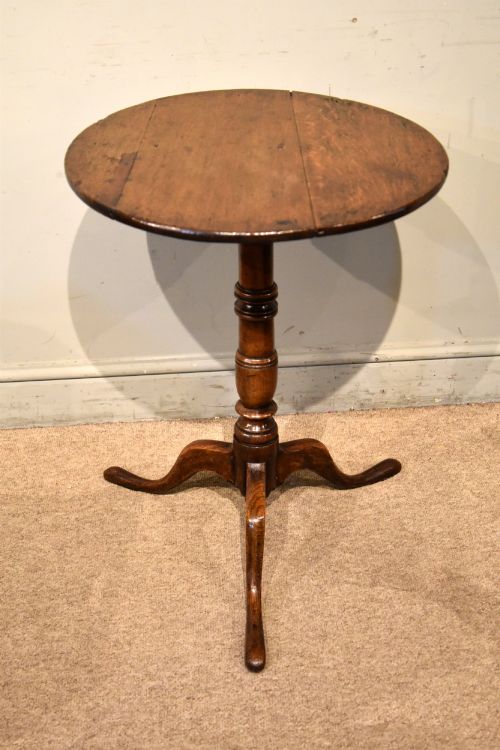
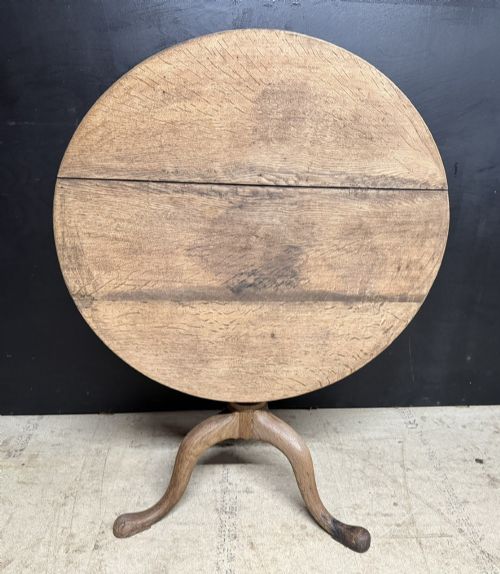
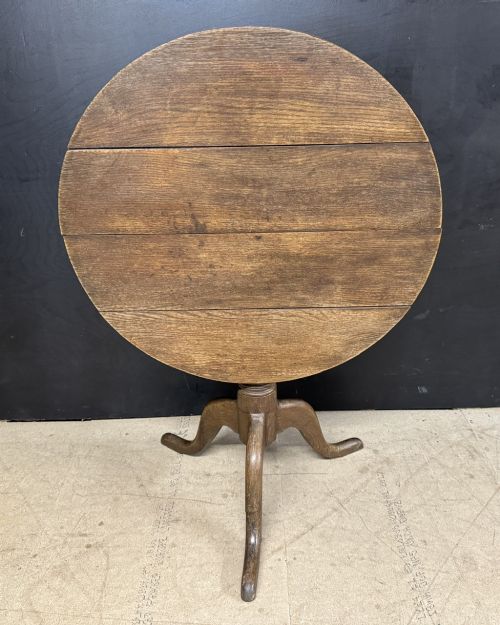
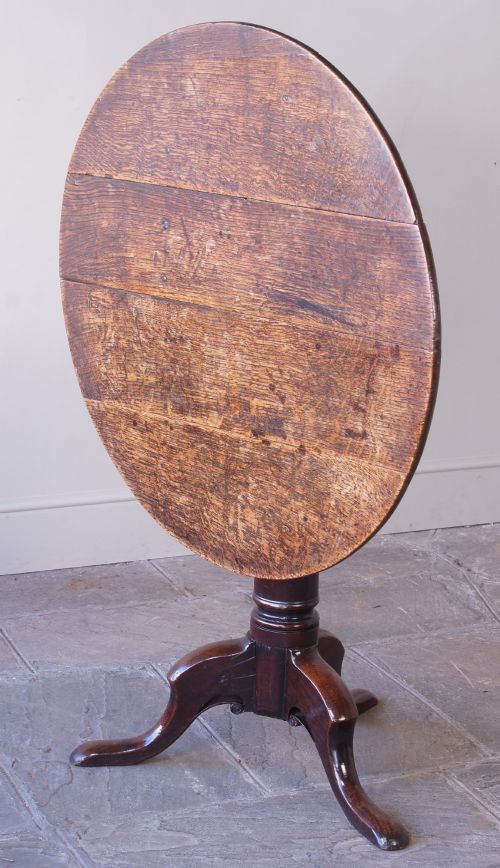
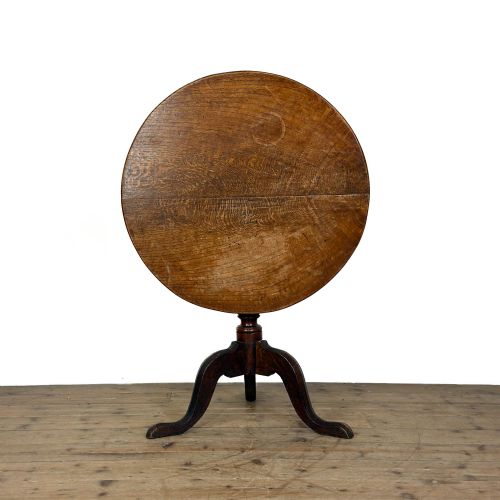
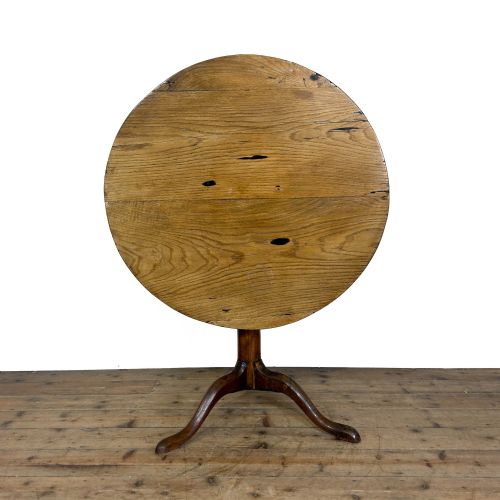
An oak circular tilt top table is a practical piece of furniture designed to fold flat when not in use, making it easy to store against a wall. The pieces available span from the eighteenth century into the nineteenth century, including Georgian and Victorian examples alongside French country designs.
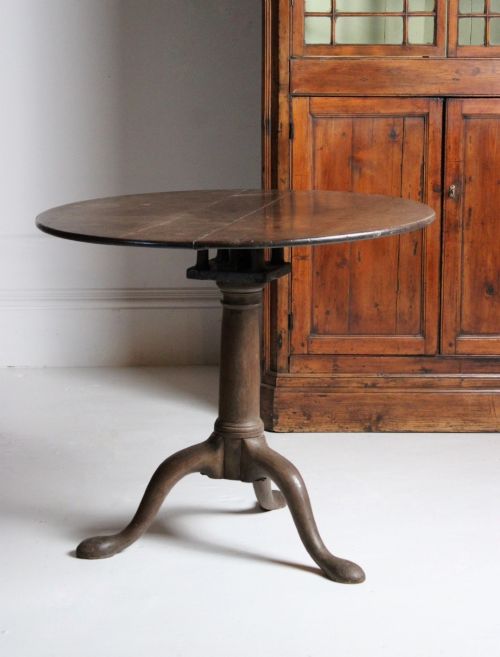
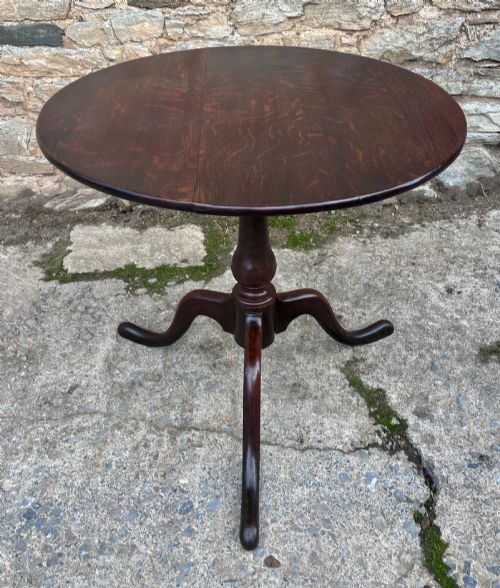
Most examples function as occasional, wine, or tripod tables, though larger dining versions also appear in the record. The form typically pairs a round top with a three-legged base, sometimes featuring a birdcage mechanism to allow both tilting and rotating.
Assessing quality and character
Quality rests in the choice of timber figure, such as pollard or burr oak veneers, and the crispness of the turned column and legs. Superior pieces display thoughtful proportion between the diameter of the top and the spread of the tripod base.
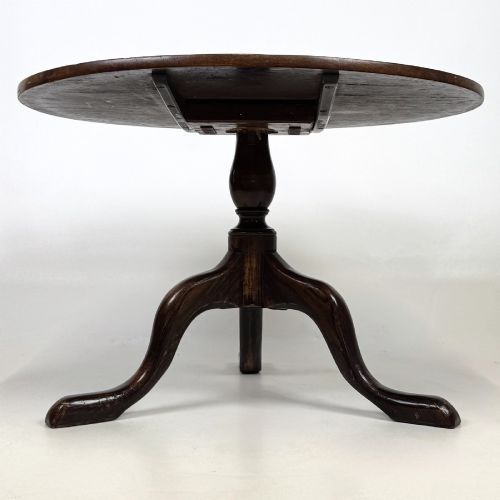
The sophistication of the tilting mechanism separates standard utility pieces from finer examples. Smoother action in the catch and tighter joints indicate superior craftsmanship during manufacture.
Oak Circular Tilt Top Table Retail Price Guide 2026
Typical asking prices for oak circular tilt top table among the pieces listed under this phrase on Sellingantiques today, from the lower quarter to the upper quarter. They describe what is for sale here now, not the wider market.
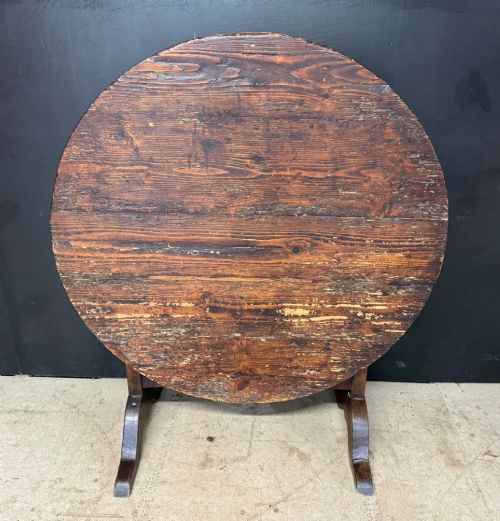
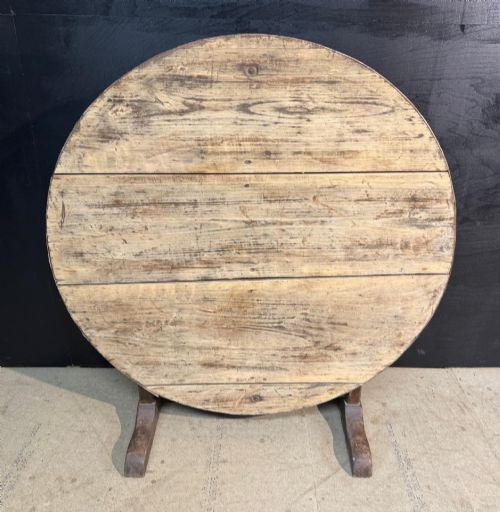
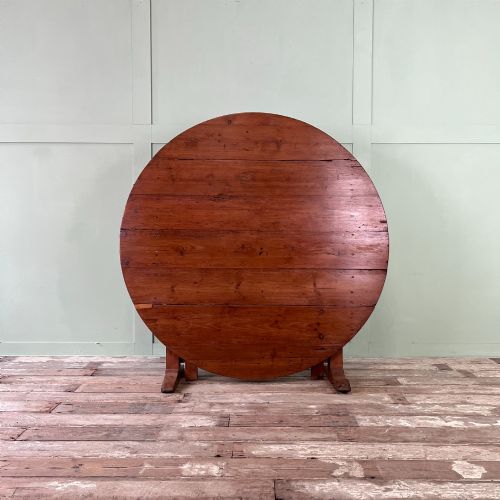
French vendange tables were built to be folded flat and loaded onto carts after the grape harvest.
The Oak Circular Tilt Top Table Glossary
- Tilt top
- A tabletop mounted on a pivot that locks horizontally for use and swings vertically for storage. This clever mechanism allows the furniture to occupy minimal floor space when idle.
- Tripod table
- A small freestanding table supported by a pillar above three legs. This design ensures stability on uneven historical floors.
- Birdcage
- A wooden framework beneath the tabletop that permits the surface to both rotate and tilt. It represents a more complex form of movement.
- Snaptop table
- An alternative historical term for a tilt top table, referencing the catch that snaps the top into its horizontal position. These pieces were often used for tea or supper.
- Pollard oak
- Timber taken from trees that were cut back to the trunk to encourage dense, highly figured branch growth. It provides a rich decorative pattern on larger breakfast tables.
Oak Circular Tilt Top Table: Frequently Asked Questions
How do I use a tilt top table?
Release the catch beneath the top to pivot the surface into a vertical position for storage against a wall. Lower it back to the horizontal position and secure the latch when you need a surface for lamps, drinks, or dining.
Ensure the mechanism is fully locked before placing any items on the surface to prevent accidental tipping. The folding action makes these tables ideal for rooms where space is at a premium.
What is a birdcage mechanism?
A birdcage is a small box-like wooden construction fitted beneath the circular top that connects it to the central pillar. This clever assembly allows the tabletop to spin around and tilt backward independently.
Found on better quality examples from the eighteenth and nineteenth centuries, this feature adds mechanical flexibility to the design. It allowed diners to turn the food toward them or tuck the table away neatly.
How can I tell the period?
Examine the turning of the central column, the shaping of the tripod legs, and the construction of the underside. Georgian and eighteenth-century examples often display simpler, robust country turnings or elegant birdcage joints, while Victorian pieces may utilise heavier pollard oak veneers.
French provincial variants like vendange tables show distinct regional carpentry styles and often use fruitwood or cherry alongside oak. Comparing these structural details helps place the piece within its historical era.
Are these tables sturdy enough for daily use?
The three-legged tripod design is engineered to remain stable on uneven floors without wobbling. Solid oak and fruitwood construction provides durable strength for holding lamps, books, or occasional dining items.
While robust, the pivoting mechanism should be handled with care when tilting the top up or down. Regular checking of the joints ensures the table remains safe and functional for everyday living.