
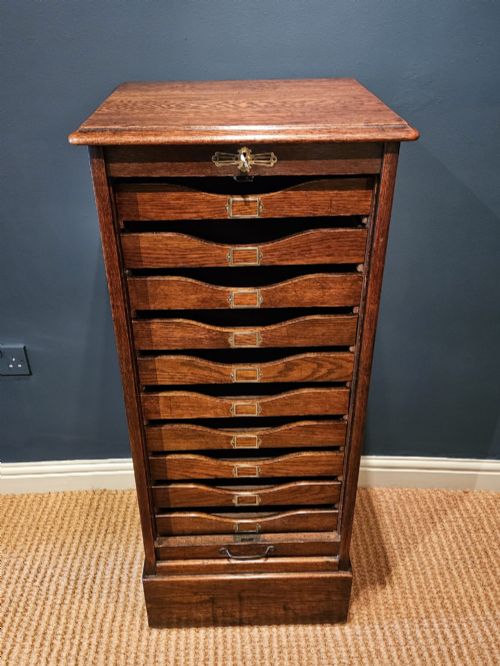


Oak Chest Drawers
An oak chest drawers brings honest grain and sturdy proportions to a room, offering timeless utility through deep storage.
Understanding the Oak Chest Drawers
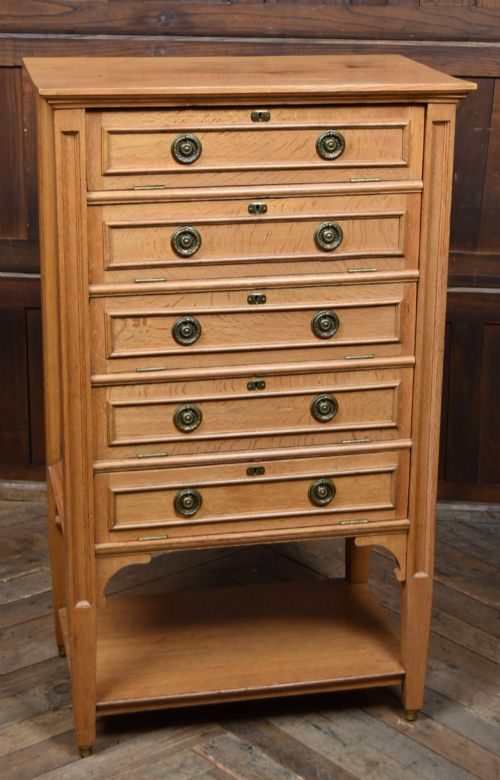
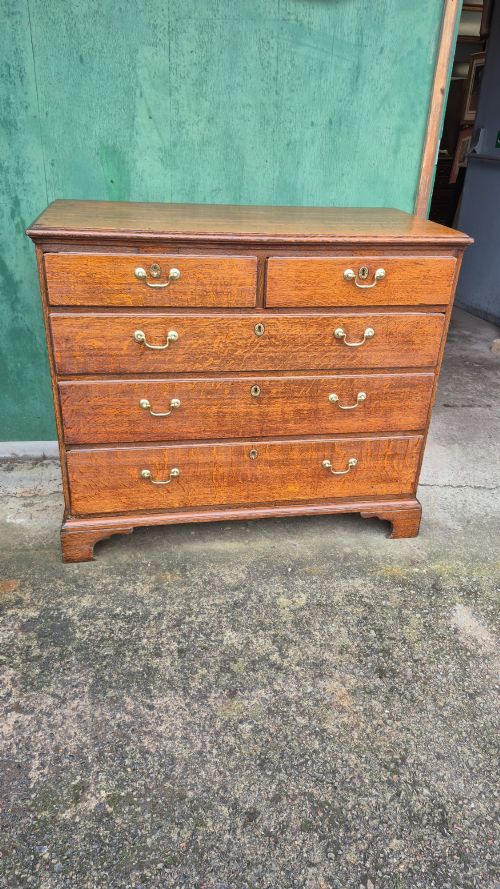
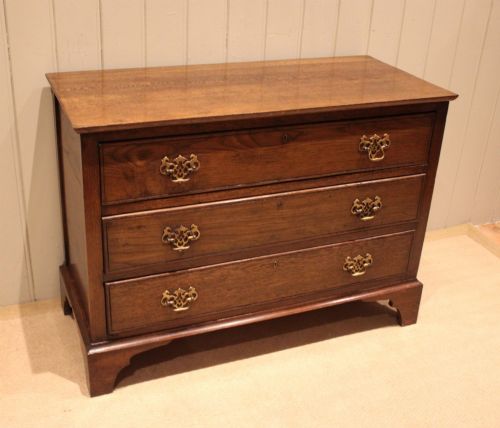
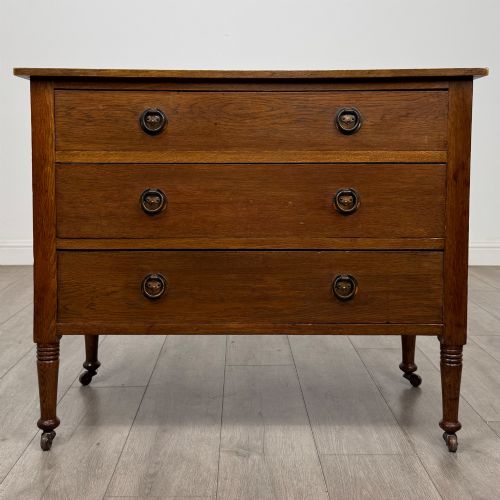
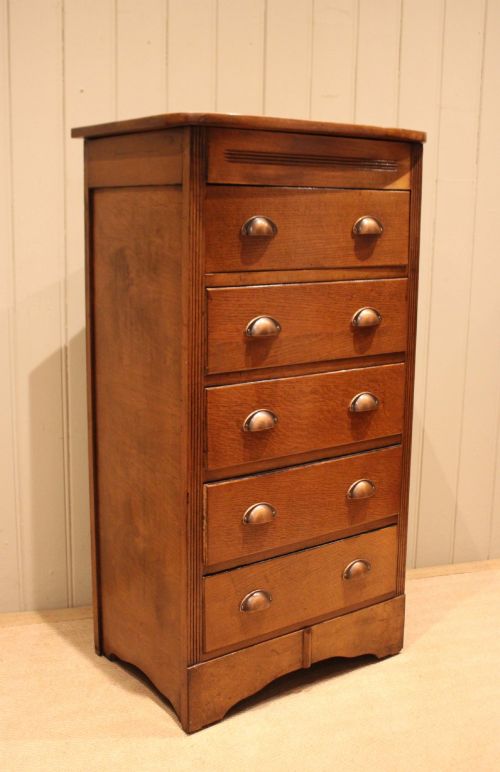
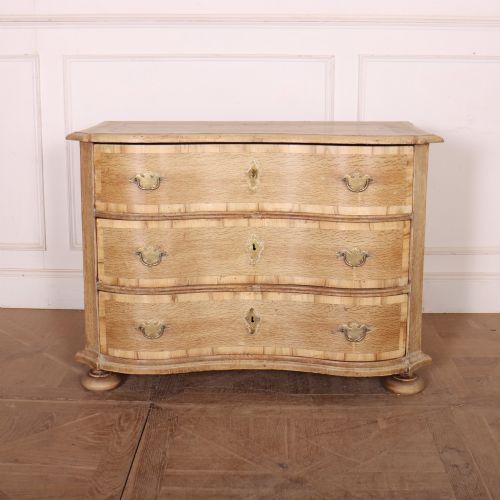
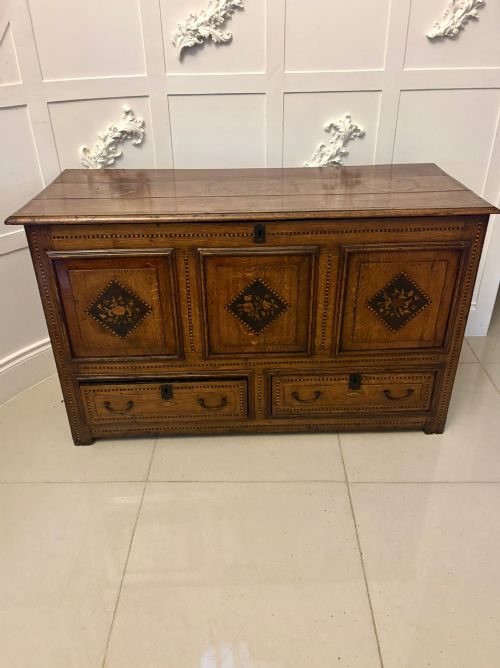
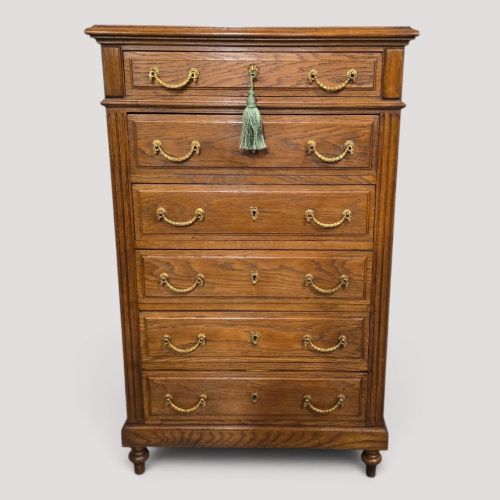
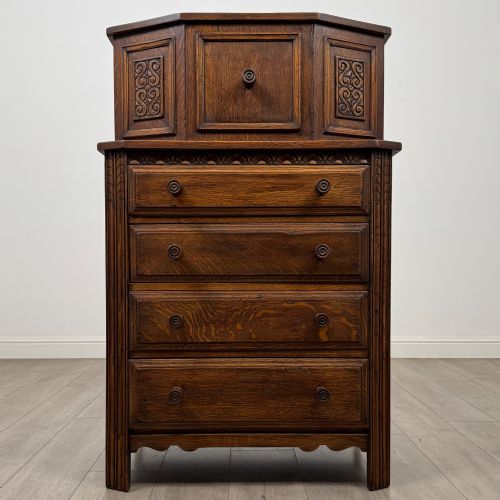
An oak chest drawers serves as a fundamental storage piece found across multiple centuries, from seventeenth-century country house examples to twentieth-century utility. Buyers seeking an oak chest drawers encounter varying formats, including bachelor chests, mule chests, tallboys, and compact bedside versions.
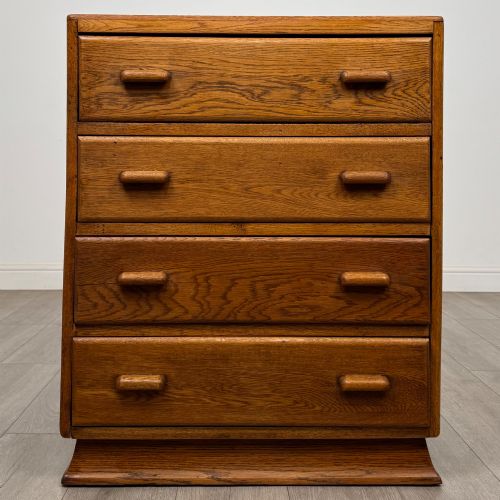
The materials and styles span Georgian, Victorian, Edwardian, Arts and Crafts, and Art Deco periods. Golden oak and dark sixteenth-century timber both appear regularly.
Pieces range from simple country furniture to labelled workshop productions by makers such as Heals. Proportions vary from narrow bedside units to large five-drawer storage items.
Assessing Quality and Character
Superior examples display crisp proportions, undisturbed patination on the oak timber, and original brass hardware. Lesser items show heavy alterations or replacement elements.
Makers' stamps and paper labels add distinction to pieces from workshops like Heals. Surface finish quality, from dry waxed grain to polished French carved oak, defines the visual hierarchy.
Retail Price Guide 2026
Typical UK retail prices for oak chest drawers, calculated from the Sellingantiques database of over a million retail prices indexed since 2003. This retail price guide relies exclusively on Sellingantiques data; no external sources or auction records are used, so the figures do not describe the wider market.
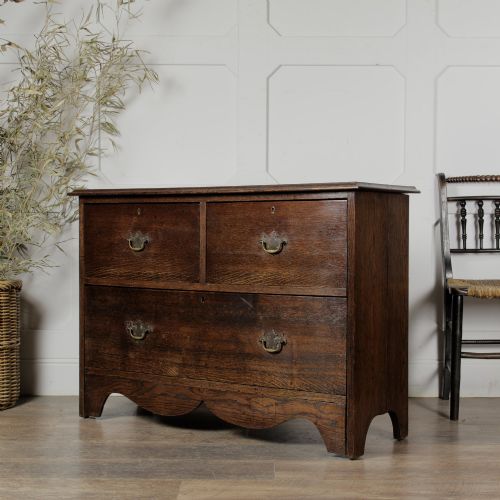
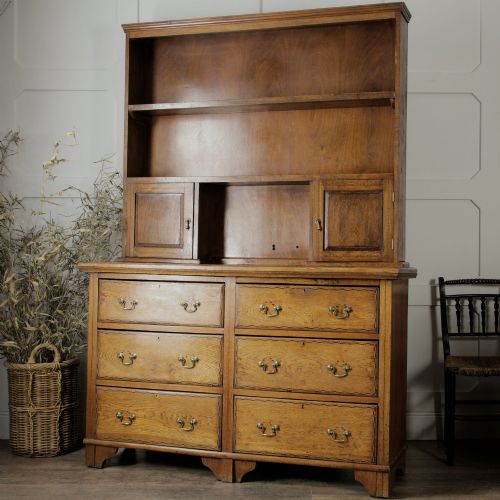
Brass handles and key escutcheons accompany solid oak and elm drawer construction across both country house and urban workshop pieces.
Heals of London
The Oak Chest Drawers Glossary
- Golden oak
- A warm, light-honey shade of oak timber favoured in Arts and Crafts and early twentieth-century furniture.
- Bachelors chest
- A small folding-top chest of drawers designed for a gentleman's dressing or writing needs.
- Mule chest
- A storage chest featuring one or more functional drawers built into the lower section beneath the main compartment.
- Bracket feet
- Simple architectural feet supporting the base corners of a Georgian or later chest.
- Dovetailed
- A joint connecting drawer sides to drawer fronts through interlocking wedge-shaped fingers.
Frequently Asked Questions
How do I date an oak chest?
Dating relies on observing construction methods, timber tones, and hardware styles. Early seventeenth-century pieces often feature hand-carved details and pegged frames, while later pieces show machine-cut dovetails.
Hardware changes also offer clues, with brass drop handles preceding later plate handles and knobs.
Where should I place a chest?
These chests suit bedrooms, hallways, and living spaces where practical storage is required. Their solid timber construction handles daily use in high-traffic areas.
Keep pieces away from direct heat sources to prevent the oak from splitting or warping over time.
What is golden oak?
Golden oak refers to a lighter, honey-toned finish seen frequently on Arts and Crafts and early twentieth-century furniture. This appearance highlights the natural medullary rays in the timber.
It contrasts with the darker, heavier tones associated with seventeenth-century country pieces.
Are bedside chests common?
Pairs of nineteenth-century bedside chests appear alongside larger bedroom furniture. These smaller proportions offer compact storage flanking a bed.
They retain the same solid oak construction and brass hardware found on larger chests.