

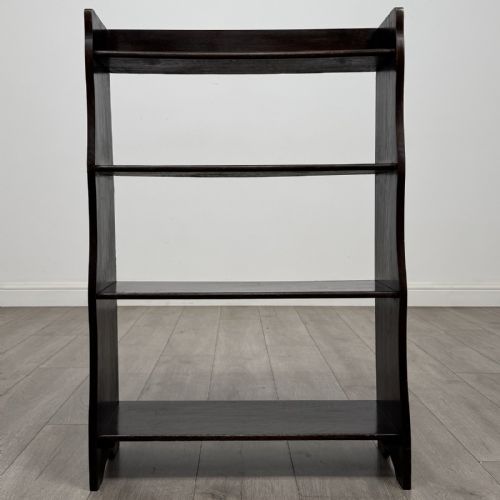
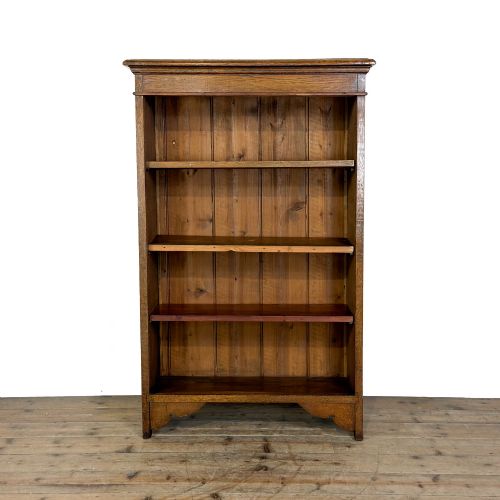
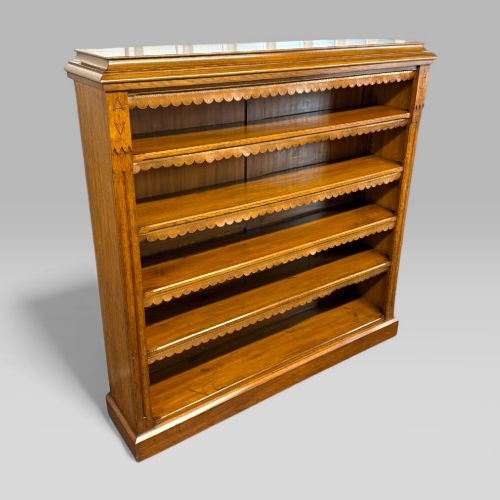
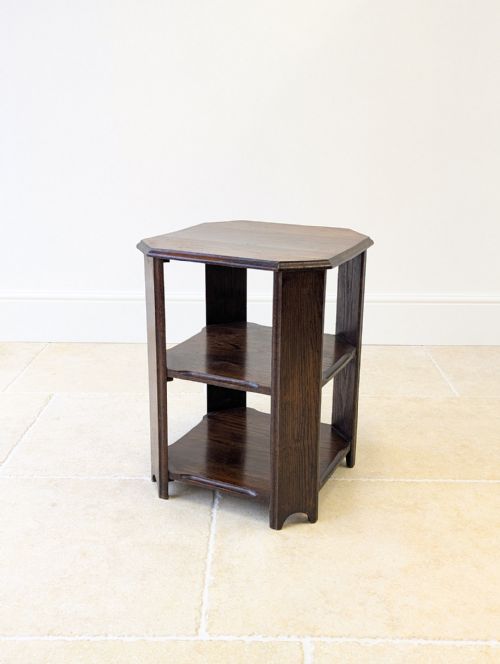
Oak Book Shelves
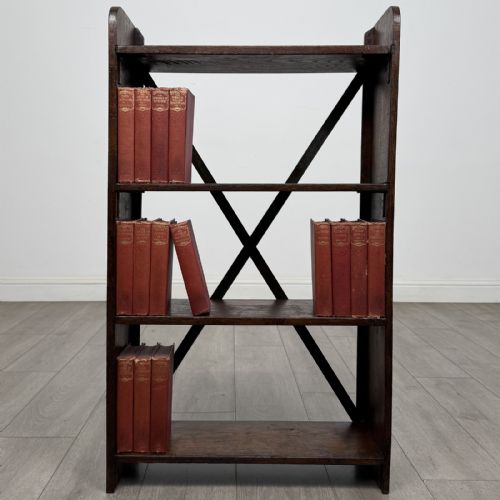
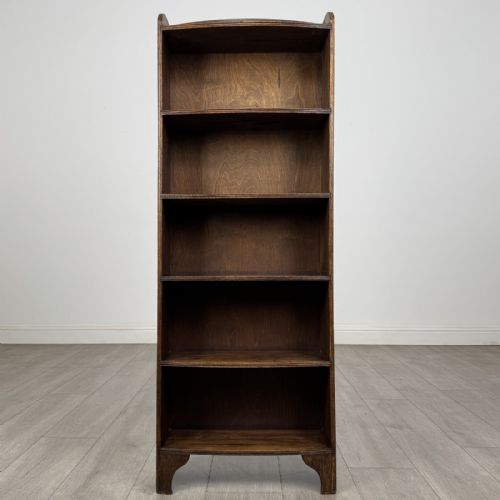
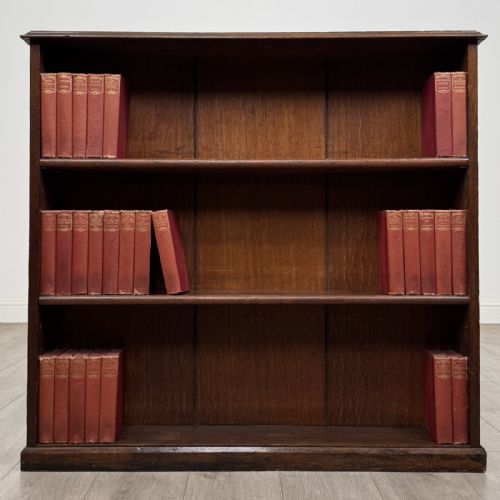
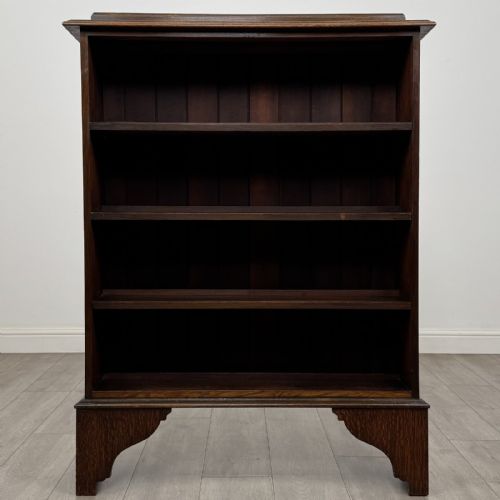
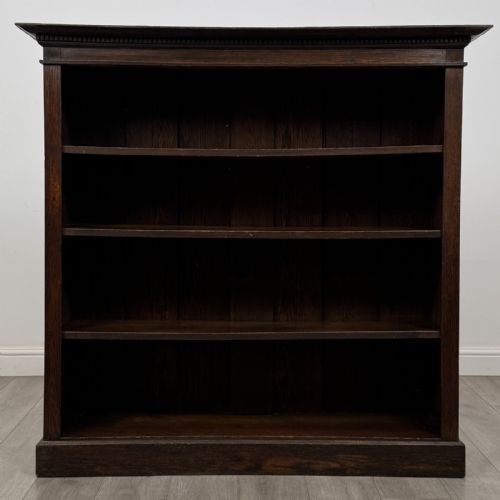
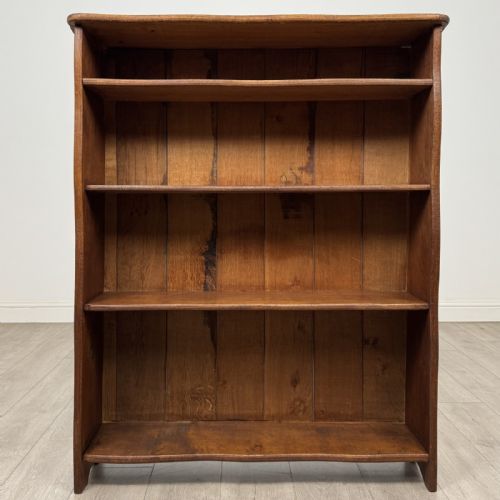
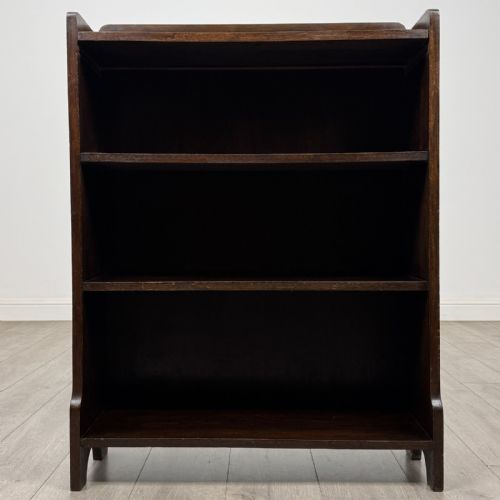
Oak book shelves offer enduring timber utility for daily volumes, spanning simple rustic uprights to polished Edwardian library furniture.
Oak Book Shelves
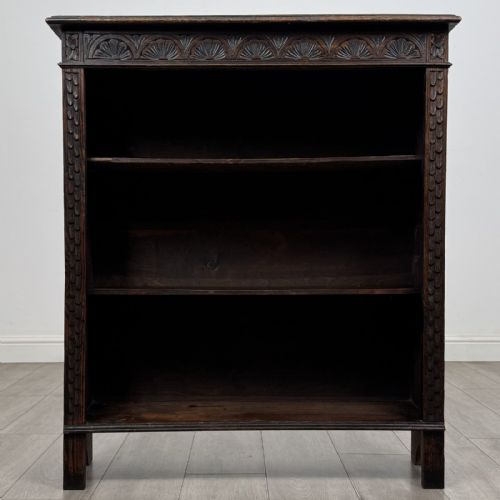
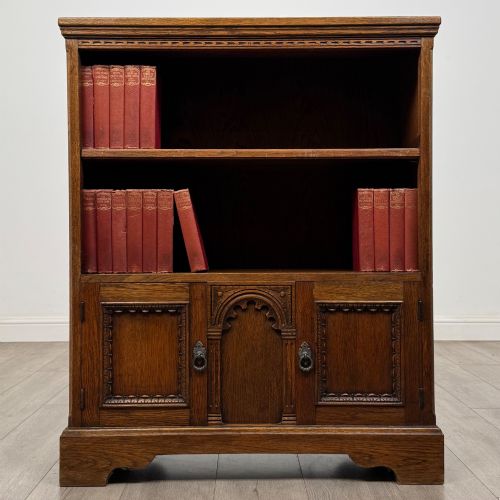
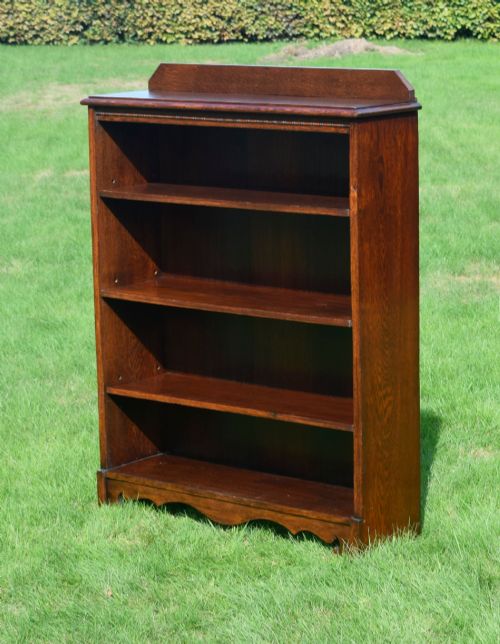
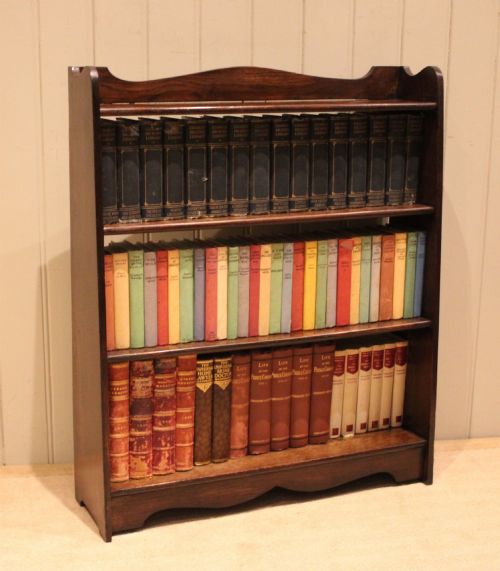
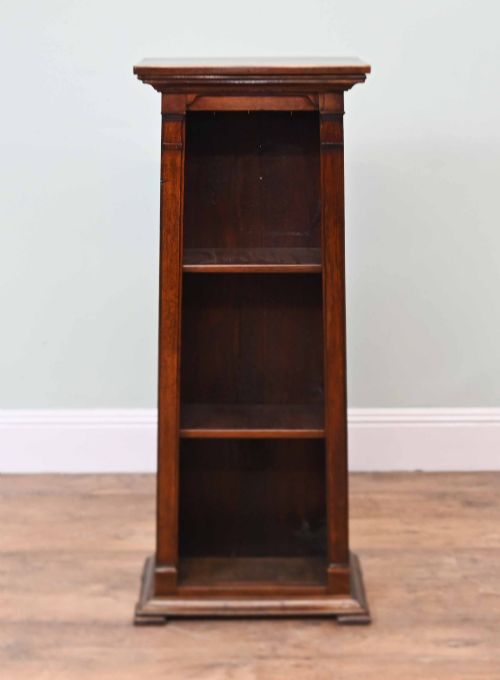
When you search for oak book shelves, you encounter sturdy upright furniture designed primarily for domestic libraries and studies. The selection ranges widely from compact open units to tall Victorian breakfront pieces.
Most examples you meet on this page date from the late nineteenth century through to the nineteen thirties. These span distinct decorative movements including the Arts and Crafts period, Edwardian manufacture, and later Art Deco designs.
The practical forms include open bookcases, wall-hanging shelves, library trolleys, and small book troughs. Many feature adjustable shelving systems that accommodate varying volumes of literature.
Materials and construction methods
The primary material across these pieces is solid oak, sometimes highlighted with golden tones or finished in dark stains and limed treatments. Secondary elements incorporate brass fittings, iron brackets, and occasionally glass panel doors.
Cabinet makers utilised traditional joinery techniques such as dovetailed joints and pegged frames to ensure structural longevity. Decorative details frequently include carved mouldings, fret-cut panels, and beaded edge profiles.
Oak Book Shelves Retail Price Guide 2026
Typical asking prices for oak book shelves among the pieces listed under this phrase on Sellingantiques today, from the lower quarter to the upper quarter. They describe what is for sale here now, not the wider market.
One recorded Victorian library piece bears the carved moniker of Miskin Manor, whispering of grand country house reading rooms.
Assessing craftsmanship and finish
Quality rests upon the selection of timber grain and the precision of the underlying joinery. Finer pieces demonstrate careful attention to proportion, balanced panels, and robust backing timbers rather than thin veneers.
The integration of functional elements such as smooth brass adjustment ratchets for shelves distinguishes standard utility furniture from superior workshop output.
The Oak Book Shelves Glossary
- Arts and Crafts
- A design movement prioritising traditional craftsmanship, visible construction, and simple utility over mass-produced ornamentation. It heavily influenced oak furniture production around nineteen hundred.
- Adjustable shelves
- Internal boards resting on movable supports that allow the user to alter vertical spacing. This feature appears frequently in better quality library bookcases.
- Waterfall bookcase
- A tiered shelving unit where each successive shelf steps back from the one below it. The profile resembles cascading water.
- Breakfront
- A large piece of furniture where the central section projects forward from the flanking wings. This architectural arrangement adds depth to larger library bookcases.
- Limed oak
- A finishing technique where a white pigment is rubbed into the open pores of the oak grain. It creates a pale, softened surface popular during the nineteen thirties.
Oak Book Shelves: Frequently Asked Questions
How do I adjust the shelves?
Most period examples utilise wooden ratchets, brass pins, or slotted uprights affixed to the interior sides. You simply lift the shelf slightly to disengage the support and relocate it into the desired slot.
Older mechanisms can occasionally stick due to seasonal wood movement. Apply gentle pressure and avoid forcing metal pegs to prevent splitting the timber sides.
Are these pieces made of solid oak?
The listings encompass both solid timber construction and pieces incorporating oak veneers over secondary woods. Heavier items from the Victorian and Edwardian eras typically feature substantial solid oak planks.
Later twentieth-century iterations sometimes utilise framed construction with panel inserts to maintain stability across wider spans. Checking the grain pattern on the shelf edges reveals the method used.
How do I care for antique oak?
Maintain the timber by dusting regularly with a soft, dry cloth and applying natural beeswax periodically to nourish the surface. Avoid placing furniture near direct heat sources or strong sunlight, which causes timber to dry out and split.
Keep humidity levels in the room stable to prevent the wood from expanding or contracting excessively. Proper maintenance preserves the original patina built up over decades.
What periods do these pieces come from?
The available selection spans the Victorian era, the Edwardian period, and the interwar nineteen thirties. Each era brings distinct aesthetic traits, from heavy carved Gothic revival forms to clean geometric Art Deco lines.
Design shifts reflect changing domestic interiors, moving from ornate dark timber statements to lighter, more functional domestic shelving.