


Oak Bench with Back
An oak bench with back provides sturdy seating and concealed storage, anchoring a hallway or kitchen with centuries of honest craftsmanship.
Oak Bench with Back
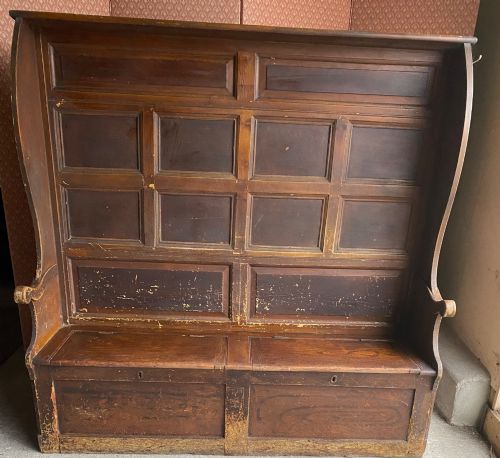
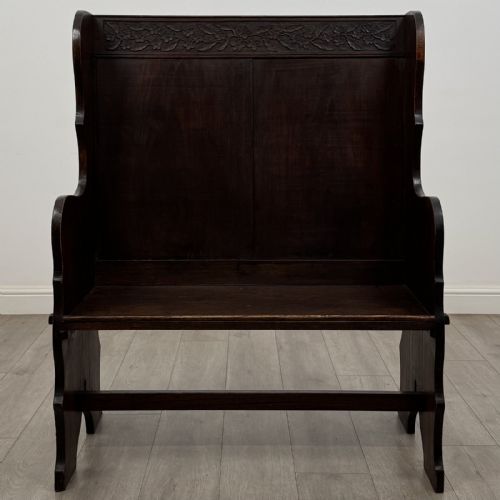
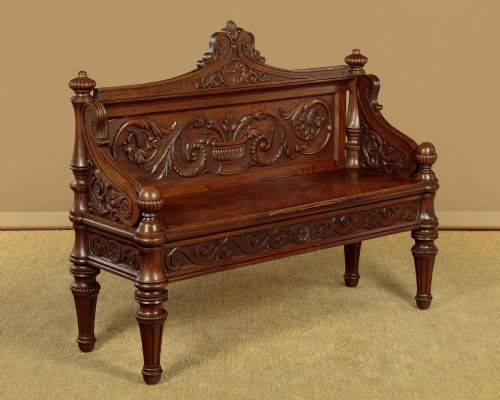
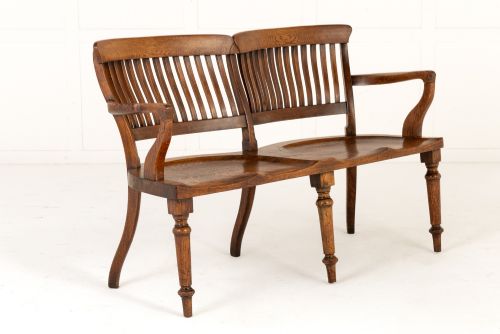
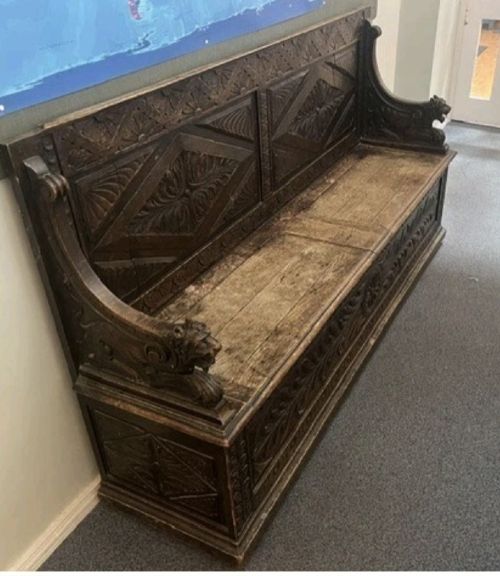
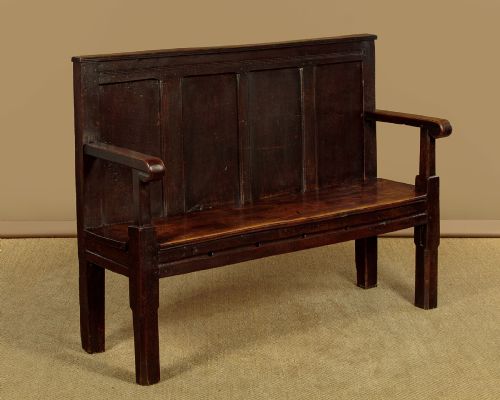
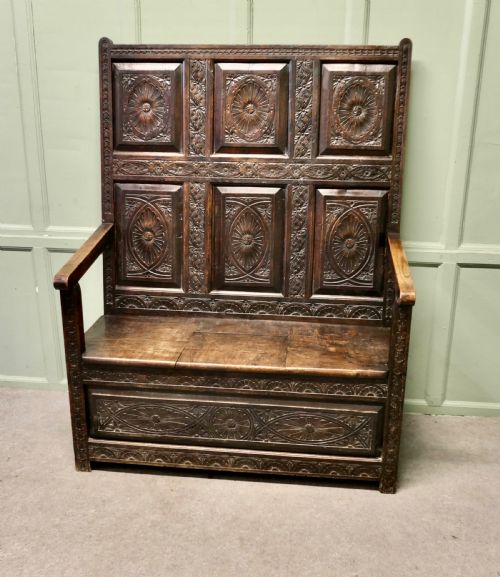
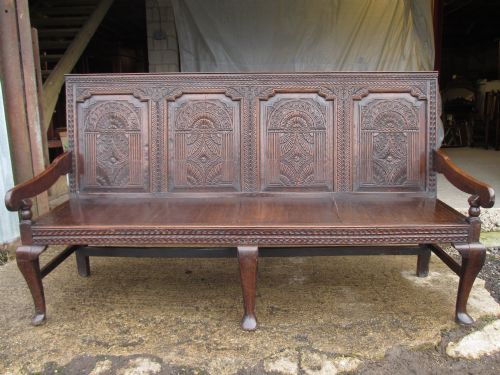
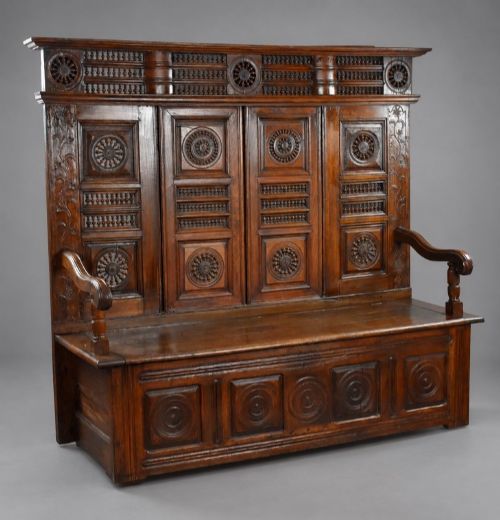
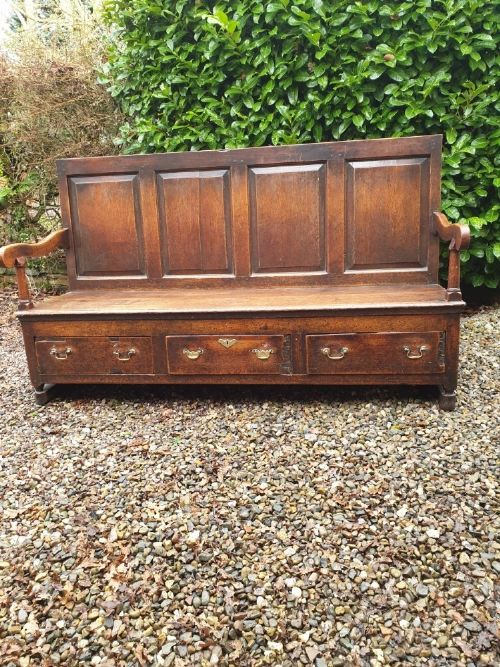
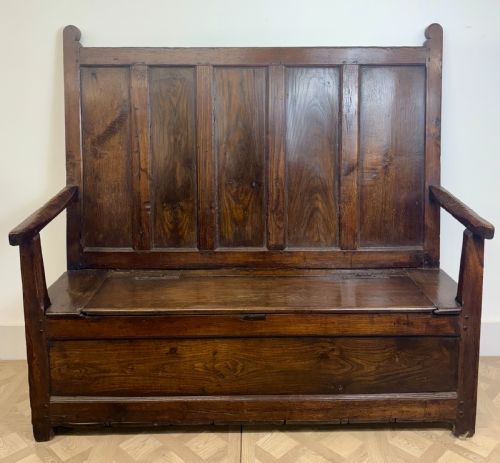
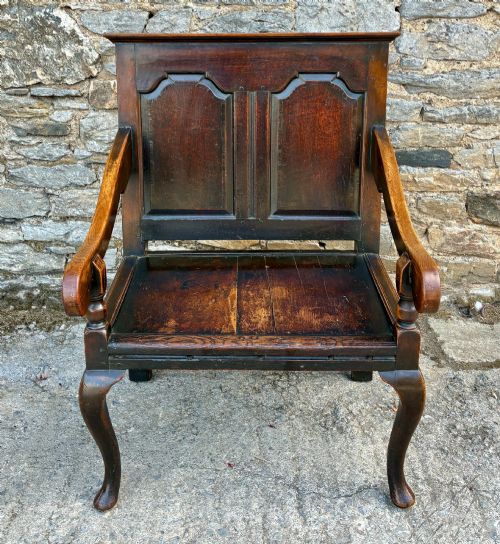
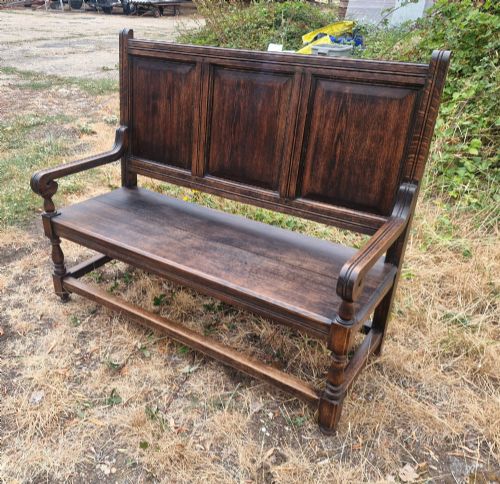
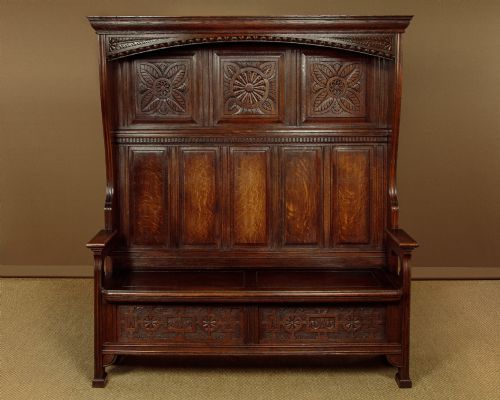
The domestic forms recorded range from high-back box settles with integrated storage compartments to slender hall benches featuring carved decoration or adjustable configurations. Vernacular and country styles dominate the selection, prioritising utility alongside regional aesthetic traits.
Materials and construction
Solid timber forms the foundation of these pieces, utilising durable native woods such as oak and elm to construct heavy framework and panelled backs. Iron hardware, brass fittings, and wood inlay frequently appear as structural reinforcements or decorative enhancements.
Joinery methods rely on traditional framing techniques to support hinged box seats, open frameworks, and carved panels. Upholstery elements like fabric and leather appear selectively on specific seating variations.
Oak Bench with Back Retail Price Guide 2026
Typical asking prices for oak bench with back among the pieces listed under this phrase on Sellingantiques today, from the lower quarter to the upper quarter. They describe what is for sale here now, not the wider market.
Early box settles doubled as makeshift beds by the hearth when winter winds proved too bitter for the bedchamber.
Assessing quality and character
Quality rests upon the integrity of the timber selection and the sophistication of the regional joinery, distinguishing straightforward utilitarian items from elaborately carved Flemish baroque or Arts and Crafts commissions. The depth and precision of surface ornamentation, such as tulip decoration or figural carving, mark the distinction between standard vernacular items and finer workshops.
Proportion and structural preservation define the upper tier of survivals, where original box storage compartments, unaltered high backs, and authentic patina remain intact. Lesser examples show extensive timber replacement or unsympathetic alterations to the seat and back construction.
Liberty
The Oak Bench with Back Glossary
- Box settle
- A high-backed wooden bench featuring an enclosed storage compartment beneath the seat. This form offers both a draught-excluding back and practical interior space.
- Hall bench
- A narrow seating piece traditionally placed in an entranceway. These items often incorporate slender proportions and decorative back panels.
- Vernacular
- Regional furniture built by local craftsmen following traditional local styles rather than formal academic designs. These pieces utilise readily available domestic timbers like oak and elm.
- Flemish baroque
- A decorative style characterised by exuberant carved detail, scrolls, and heavy ornamentation. Pieces bearing this influence display ornate sculptural work on the back panels.
Oak Bench with Back: Frequently Asked Questions
What is an oak bench with back?
An oak bench with back is a traditional wooden seating form featuring a protective rear panel, commonly built as a settle or hall bench with or without storage.
These pieces draw on seventeenth to nineteenth-century vernacular and regional styles, utilising sturdy timbers like oak and elm.
How were these benches used historically?
Historically, high-backed benches were positioned near hearths to shield occupants from drafts while providing secure storage within the box seat base.
In entrance halls, slender variants offered convenient seating for callers and a tidy spot to store household items.
How do I date an oak bench with back?
Dating relies on examining construction methods, timber patination, and stylistic markers such as panel thickness, joinery style, and carved ornamentation.
Evidence points to periods spanning the seventeenth century through the Victorian era, including distinct Georgian and Arts and Crafts examples.
How do I live with an antique settle?
Living with these substantial wooden pieces involves balancing their deep proportions and historical presence within modern room layouts.
They function effectively as hallway furniture, kitchen seating, or living room statement pieces that offer hidden storage capabilities.