





Oak Barley Twist Lamp
An oak barley twist lamp brings warmth and tactile turnery into a room, offering a solid anchor of traditional woodwork.
Oak Barley Twist Lamp
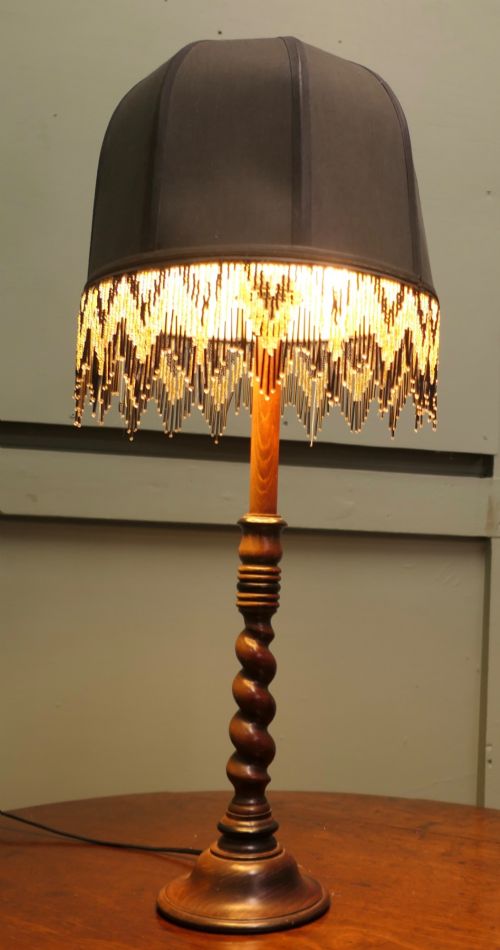
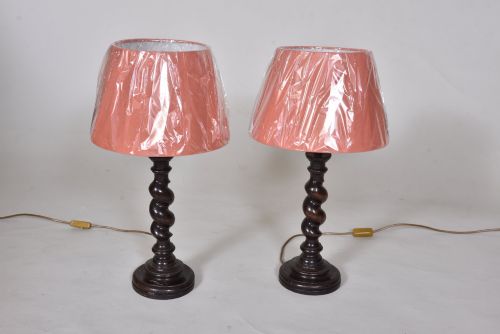
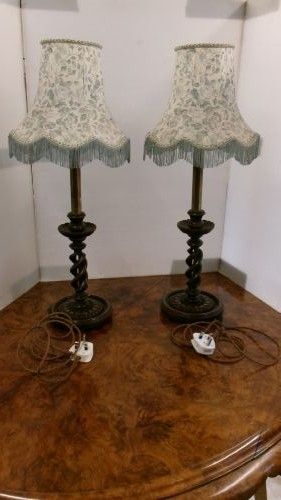
When you search for an oak barley twist lamp, you are looking at turned wooden standards rooted in classic furniture forms. The examples appearing on this page span several decades, featuring table lamps and occasional pieces that utilise the same distinctive spiral turning.
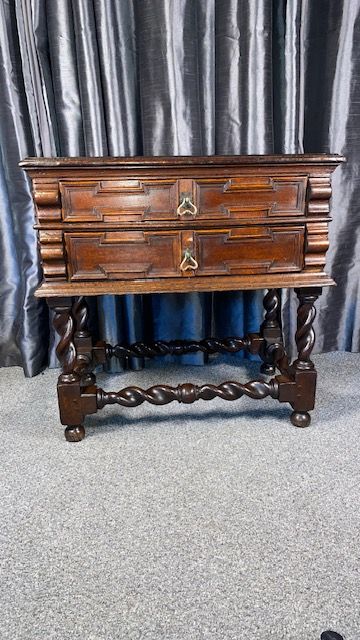
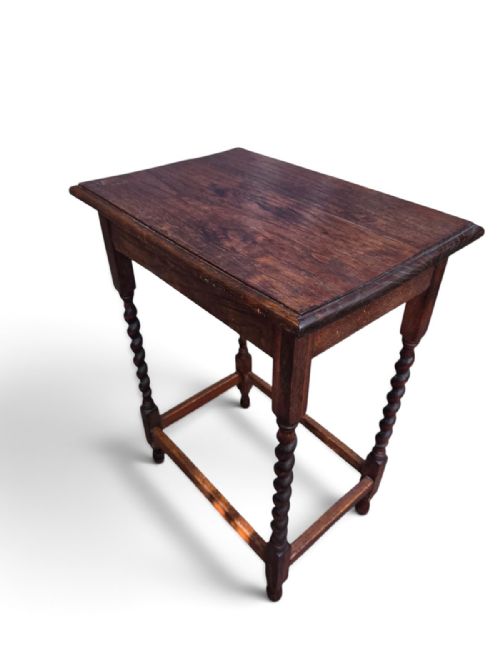
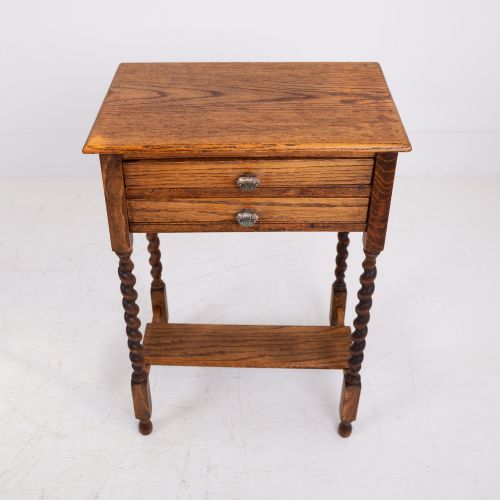
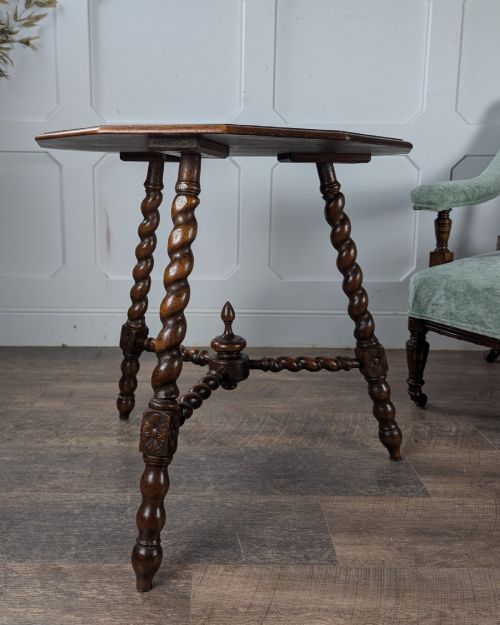
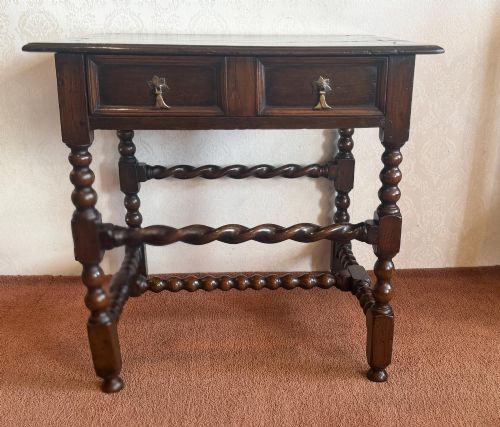
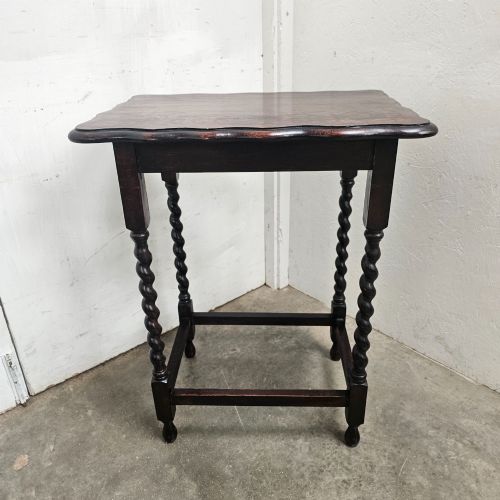
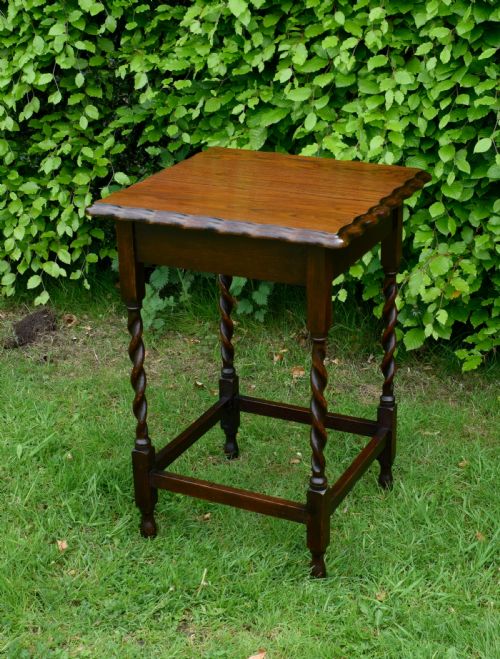
Most pieces you meet here date from the Edwardian era through to the 1920s and 1930s, often drawing on earlier Jacobean revival styles. Alongside dedicated lamp bases, the selection includes side tables and occasional tables that share the characteristic twisted wooden legs.
The origin of these pieces sits firmly within traditional English and continental cabinetmaking traditions. They bridge the gap between functional lighting and sculptural woodwork, making them enduringly popular for period and eclectic interiors alike.
How they were made
The construction relies on solid oak and dark oak timbers shaped by lathe turning and hand finishing. Cabinetmakers cut the helical twist into the wood grain, creating the signature rope effect that defines the style.
Complementary materials such as brass fittings and fabric shades frequently accompany the wooden bases to complete the lighting fixtures. Side tables and occasional pieces incorporate standard joinery techniques alongside the decorative turned legs.
Oak Barley Twist Lamp Retail Price Guide 2026
Typical asking prices for oak barley twist lamp among the pieces listed under this phrase on Sellingantiques today, from the lower quarter to the upper quarter. They describe what is for sale here now, not the wider market.
The listings on this page span the 18th century, Victorian era, Edwardian period, and the 1920s, constructed primarily from solid oak and wood.
What varies in quality
The crispness of the timber turning sets the finer examples apart from simpler production pieces. Sharp, well-defined spirals demonstrate greater skill at the lathe than softer, shallower cuts.
The choice and condition of the underlying timber also mark the difference between standard items and superior specimens. Rich grain patterns and solid construction throughout the base provide longevity and visual depth.
The Oak Barley Twist Lamp Glossary
- Barley twist
- A spiral turning resembling a twisted rope, popular in furniture and lamp standards from the seventeenth century onwards.
- Jacobean Revival
- A nineteenth and early twentieth century style copying the heavy, carved oak forms of the seventeenth century.
- Occasional table
- A small, movable table used for specific, temporary purposes such as holding a lamp or book.
- Solid oak
- Timber taken directly from the tree rather than veneered onto a lesser core, offering durability and weight.
- Bobbin turned
- A style of turning that creates a series of rounded spheres or discs along the length of the wood.
Oak Barley Twist Lamp: Frequently Asked Questions
Are these lamps wired for modern use?
Most antique and vintage lamps found here require checking or rewiring by a qualified electrician to meet current safety standards.
Buyers should inspect the flex and plug upon arrival and update the internal wiring where necessary before daily use.
How do I date an oak lamp?
Dating relies on examining the type of oak, the tool marks left by the maker, and the style of the turned spiral.
Comparing the base construction to dated pieces from the Edwardian period or earlier decades helps establish a reliable timeframe.
Will a vintage lamp fit standard shades?
Many older lamps feature standard fittings, but some antique fixings differ from modern bulb holders.
Checking the harp or carrier size ensures that replacement fabric shades sit correctly on the turned standard.
How do I care for antique oak?
Maintaining solid oak involves applying a quality beeswax occasionally to nourish the grain and prevent the timber from drying out.
Keeping the wood away from direct heat sources protects the finish and prevents the joints from shifting.