



Carved Timber Desk Light
These carved timber desk light pieces bring warmth and sculptural grain to a workspace, combining traditional hand-carving with domestic utility.
Carved Timber Desk Light
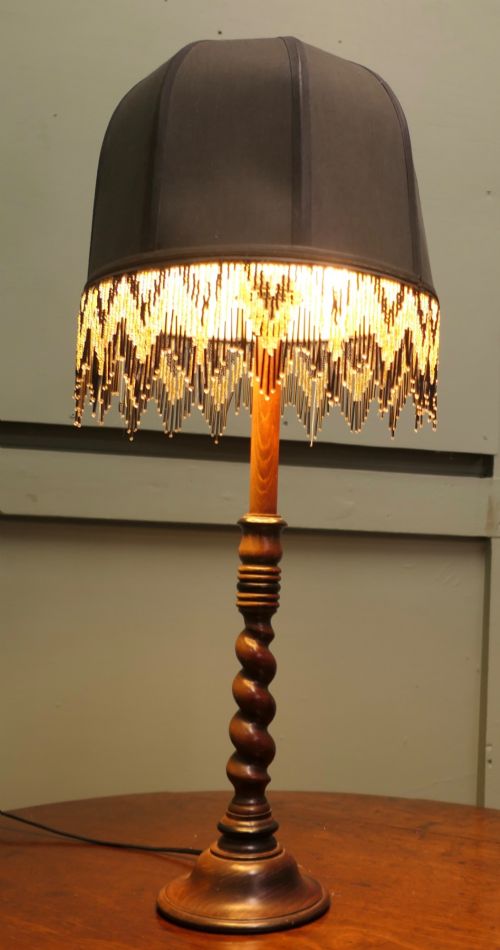
A carved timber desk light brings sculptural woodwork to the workspace, drawing on forms produced across the nineteenth and early twentieth centuries. These pieces function primarily as illuminated table lamps, utilising turned timber, root wood, and carved oak structures.
The versions most commonly met on this page span the Victorian era, the early nineteen-hundreds, and the nineteen-twenties, incorporating diverse regional traditions from Black Forest Linden carvings to Chinese root wood creations and French country styles.
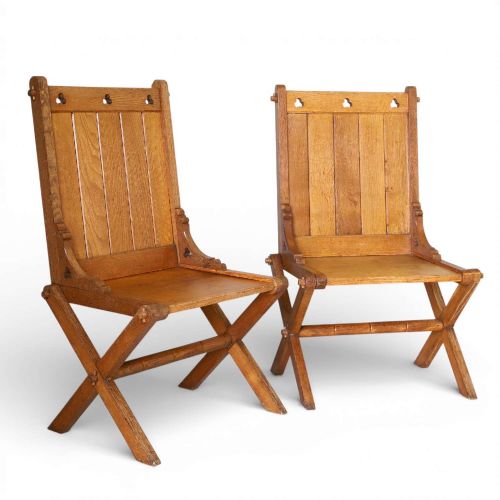
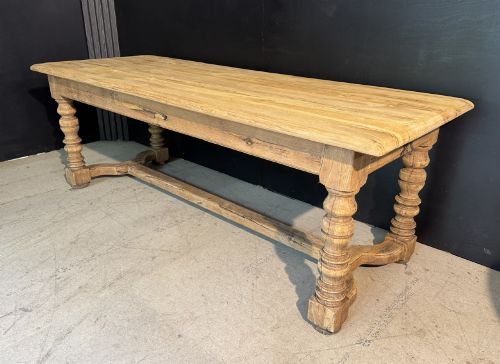
While the search specifies a desk light, the actual forms recorded in the evidence encompass table lamps alongside related seating and tables, reflecting how period woodwork adapts across different domestic categories.
How they were made
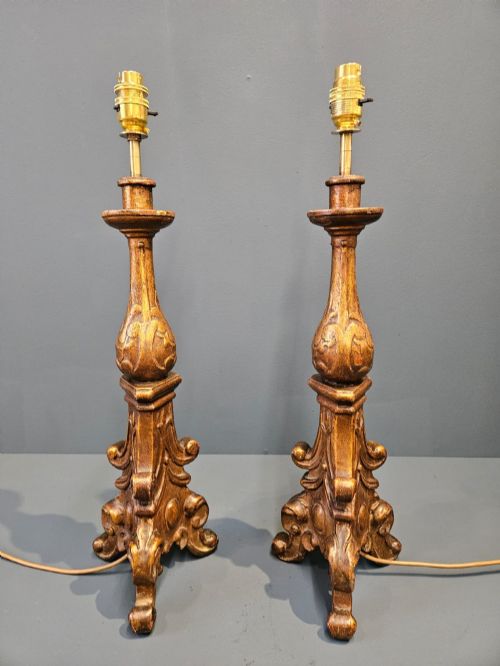
Makers shaped these lights from oak, walnut, linden, and root wood, employing manual carving and lathe-turning techniques to achieve barley twists, trefoil details, and cherub motifs. Many examples integrate brass fittings, iron accents, or gilt highlights to complement the dense timber foundations.
Surface finishes rely on historical treatments appropriate to each regional workshop, preserving the natural grain of the wood while sometimes incorporating painted or gilded elements to enhance the carved relief.
Carved Timber Desk Light Retail Price Guide 2026
Typical asking prices for carved timber desk light among the pieces listed under this phrase on Sellingantiques today, from the lower quarter to the upper quarter. They describe what is for sale here now, not the wider market.
The documented periods on this page stretch from the Victorian era through the nineteen-thirties.
What varies in quality
The distinction between standard production and finer work lies in the depth and crispness of the carving, visible in whether details like root wood contours and figurative motifs retain sharp definition. Greater quality manifests in harmonious proportions where the timber selection and the turned elements reinforce one another without looking heavy.
Material integration also separates ordinary examples from exceptional ones, particularly in how securely brass components, gilt work, or fabric shades are fitted to the carved timber base.
The Carved Timber Desk Light Glossary
- Barley twist
- A cylindrical column carved in a spiral screw shape resembling a barley sugar stick. This classical turning method appears frequently on nineteenth-century table lamp standards.
- Root wood
- Timber sourced from the root system of a tree, prized for its gnarled, twisting grain patterns. Artisans utilise these organic shapes to create sculptural lamp bases.
- Gothic Revival
- An architectural and decorative style drawing inspiration from medieval design. Pieces often feature pointed arches, trefoil details, and heavy oak construction.
- Black Forest
- A regional style of wood carving originating in central Europe during the nineteenth century. These items typically depict naturalistic flora and fauna rendered in linden wood.
Carved Timber Desk Light: Frequently Asked Questions
What is a carved timber desk light?
A carved timber desk light is a functional table lamp featuring a hand-carved or turned wooden base dating from the nineteenth or early twentieth century. These objects combine illumination with sculptural woodwork.
They range from British Gothic Revival oak designs to continental root wood carvings, utilising materials like brass and fabric to complete the fixture.
How do I date these timber lamps?
Dating relies on examining the carving style, wood types, and associated metal fittings. Pieces from the Victorian period often show heavier proportions and historic revival motifs.
Early twentieth-century examples, such as those from the nineteen-twenties, frequently display simpler turned columns or distinct regional folk art characteristics like root wood construction.
Where were these lamps made?
The evidence shows production spanning multiple regions, including European workshops producing Black Forest and French country styles, alongside Asian carved root wood pieces.
Each region employed local timbers such as oak, walnut, and linden, applying distinct carving traditions that identify the geographical origin of the work.
How do I care for antique wood lamps?
Maintaining these lamps involves keeping the timber away from direct heat sources and extreme moisture fluctuations to prevent wood splitting. Gentle dusting preserves the original surface finish.
Electrical components should be periodically checked by a qualified professional to ensure safety while retaining the historic base.