

Oak Arts and Crafts
Oak arts and crafts pieces combine honest joinery and utility, offering sturdy furniture designed to bring enduring character into daily rooms.
Oak Arts and Crafts
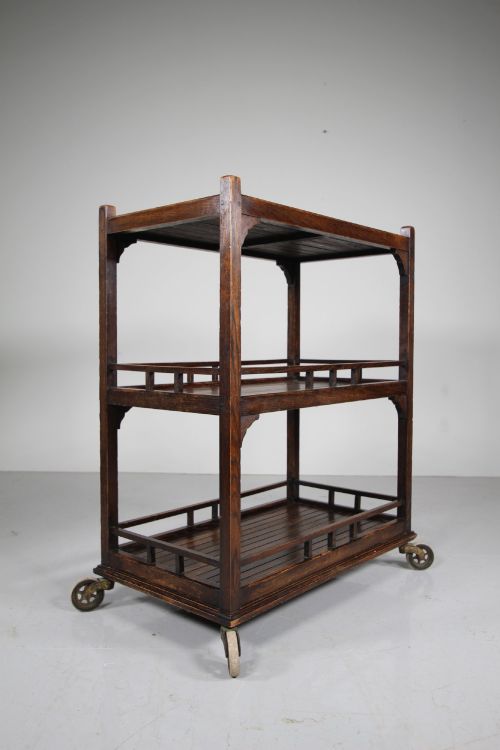
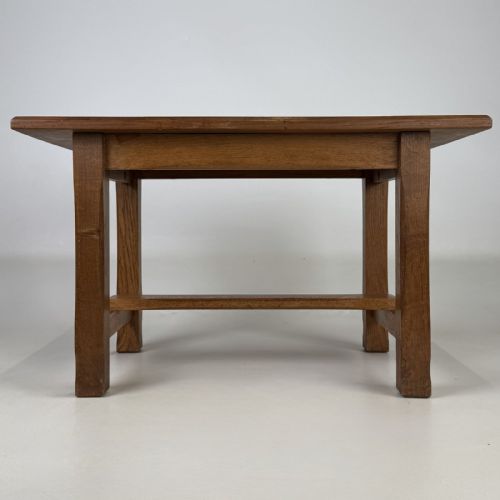
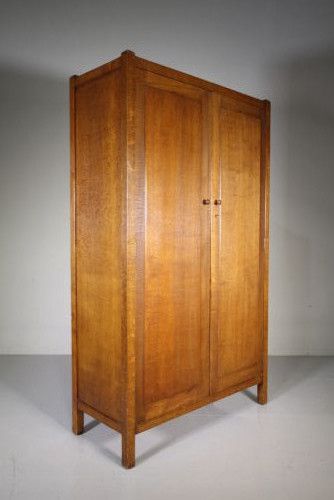
When buyers search for oak arts and crafts, they encounter furniture shaped by a movement valuing hand-craftsmanship over industrial uniformity. The selection spans domestic forms including bookcases, side tables, armchairs, wardrobes, and dining tables.
The pieces appearing most frequently originate from the late nineteenth century through the Edwardian period and into the nineteen-twenties. These items reflect utility combined with thoughtful design, ranging from small writing desks to large sideboards and fitted bureaux.
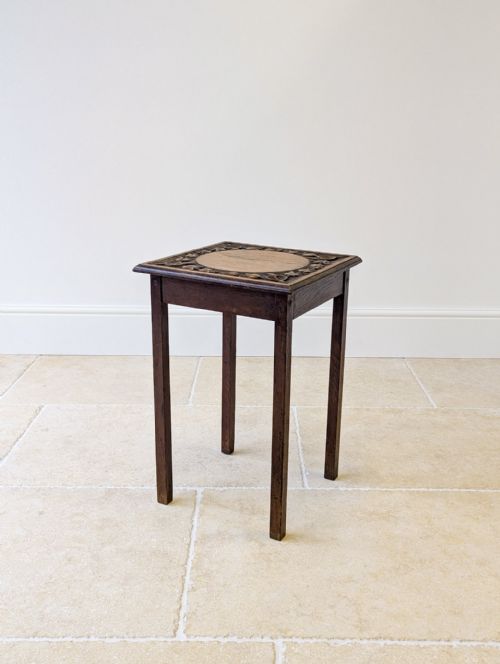
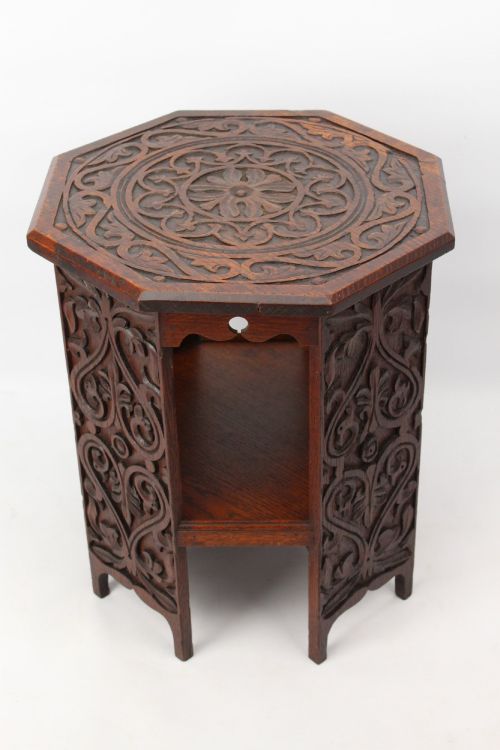
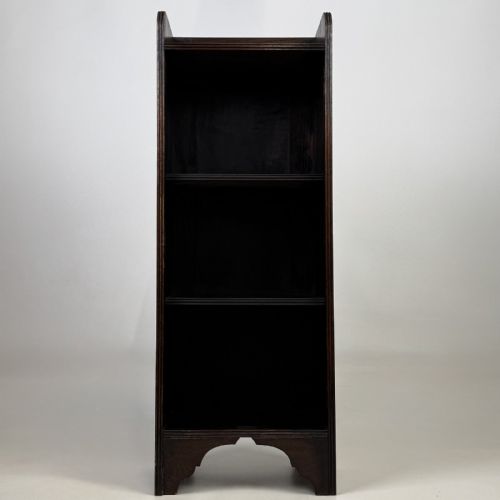
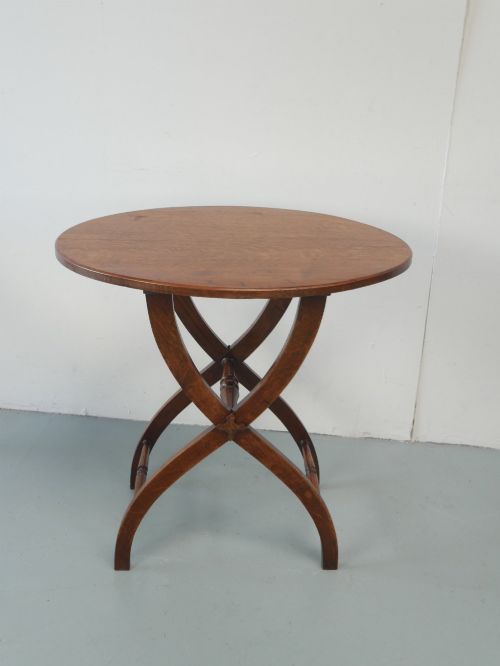
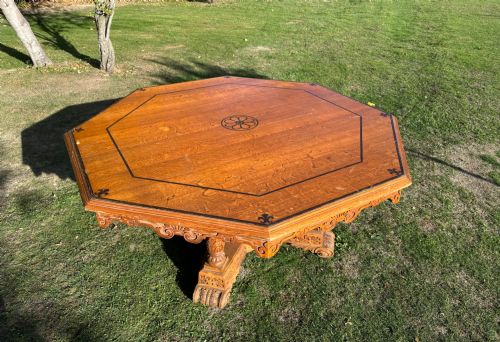
Makers and designers of the period utilised solid timber and straightforward construction methods. Buyers frequently encounter open bookcases with raised galleries, occasional tables with octagonal tops, and seating upholstered in leather or fabric.
Materials and construction
Makers relied primarily on solid oak, frequently finished to highlight the natural grain or limed for a lighter appearance. Brass, iron, and wrought iron provided structural and decorative hardware such as hinges, handles, and cross braces.
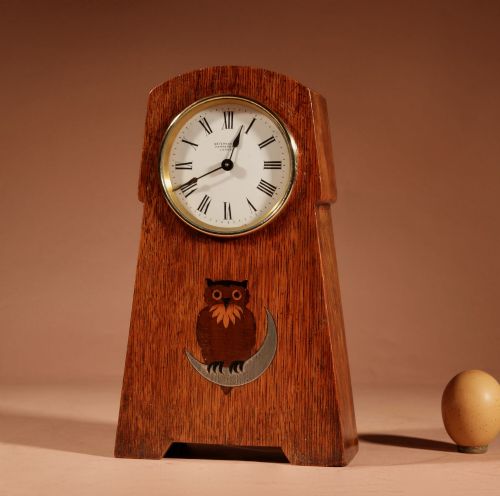
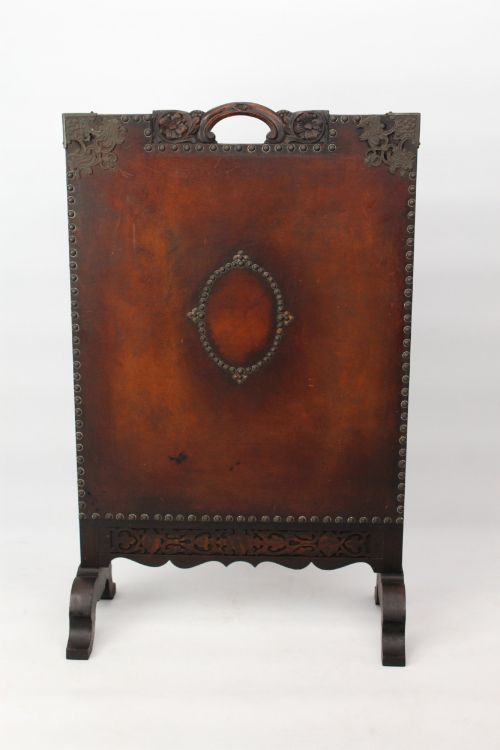
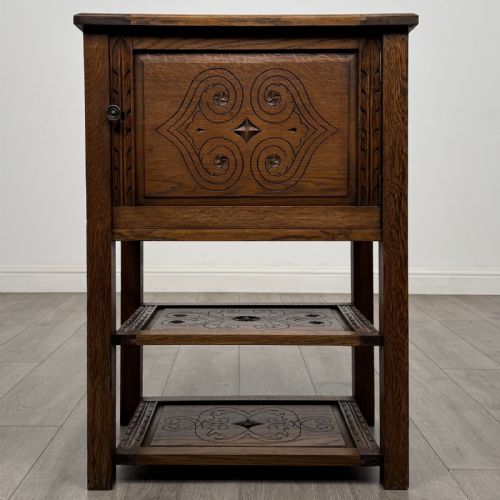
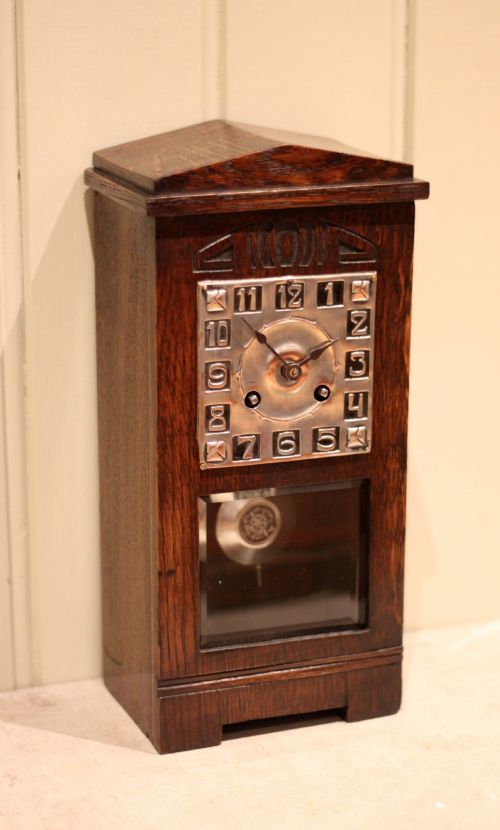
Construction techniques prioritized visible joints, pegged tenons, and structural honesty rather than concealed fixings. Additional elements incorporated glass panels, leather inserts, and carved floral or geometric motifs.
Oak Arts and Crafts Retail Price Guide 2026
Typical asking prices for oak arts and crafts among the pieces listed under this phrase on Sellingantiques today, from the lower quarter to the upper quarter. They describe what is for sale here now, not the wider market.
One fire surround lists a possible mouseman attribution, introducing the charming tradition of hidden carved signature critters.
Assessing quality
Quality rests in the purity of the design and the integrity of the timber selection. Pieces displaying thoughtful proportions and restrained carving command attention over routine manufactured items.
The execution of the joinery determines the structural longevity. Hand-cut pegging and solid backboards separate superior examples from simpler utilitarian furniture.
Heals·Arthur Reynolds·Leonard Wyburd·Liberty And Co·John Moyr Smith
The Oak Arts and Crafts Glossary
- Pegged joint
- A method of securing mortise and tenon connections using wooden pins rather than modern adhesives. This technique allows for natural timber movement and provides visual evidence of hand assembly.
- Raised gallery
- A low decorative upstand running along the back and side edges of a tabletop, shelf, or cabinet. It prevents items from sliding off the surface.
- Purdonium
- A specialised household cabinet designed specifically to store coal near a fireplace. These containers typically feature a sloping front and an interior metal liner.
- Refectory table
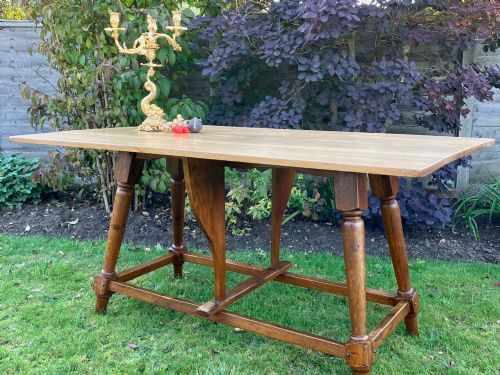
- A long dining table traditionally built with substantial legs and a central stretcher base for stability. Arts and crafts interpretations adapt this medieval form for domestic dining rooms.
- Cotswold school
- A twentieth-century design grouping centred on traditional woodworking techniques and honest construction methods. Makers associated with this school produced furniture using locally sourced solid timber.
Oak Arts and Crafts: Frequently Asked Questions
How do I identify genuine arts and crafts oak furniture?
Genuine examples display honest construction methods such as visible pegged tenons and solid timber rather than veneered substitutes. Look for restrained, purposeful designs that prioritize utility and natural grain.
Check for maker marks or labels where present, though many quality pieces remain unsigned. The proportions should feel balanced and robust without excessive ornamentation.
What periods do these oak pieces date from?
The listings span from the late nineteenth century through the Edwardian era and into the nineteen-twenties and nineteen-fifties. The core aesthetic developed during the arts and crafts movement of the eighteen-eighties and eighteen-nineties.
Later pieces retain the traditional joinery methods while adapting forms for twentieth-century homes. Stylistic overlaps with aesthetic movement and jacobean revival appear frequently across the period.
How should I care for golden oak furniture?
Maintain solid oak surfaces by dusting with a dry or slightly damp cloth, avoiding silicone-based polishes that build up over time. Feed the timber periodically with appropriate wax to preserve the finish.
Keep the furniture away from direct heat sources and strong sunlight to prevent the timber from drying out or splitting. Stable room temperatures protect both the wood and the structural joints.
What rooms suit oak arts and crafts furniture?
These practical forms integrate easily into studies, living rooms, and dining spaces through items like bookcases, sideboards, and refectory tables. Their sturdy construction handles daily domestic use comfortably.
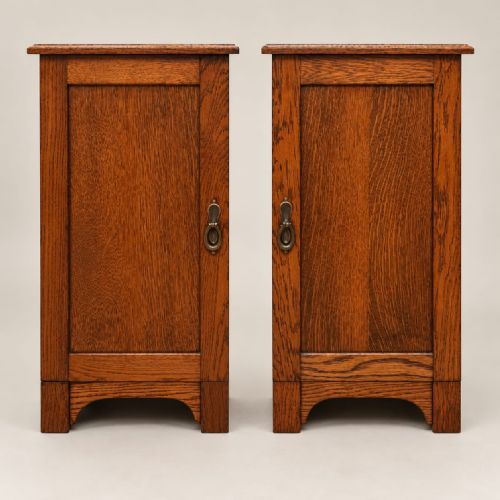
Smaller pieces such as bedside cabinets and occasional tables function well in bedrooms and hallways. The warm tones of the oak complement both traditional interiors and modern settings.