


Oak and Mahogany Clock
An oak and mahogany clock combines sturdy local cabinetry with figured tropical veneers to house reliable timekeeping movements.
Oak and Mahogany Clock
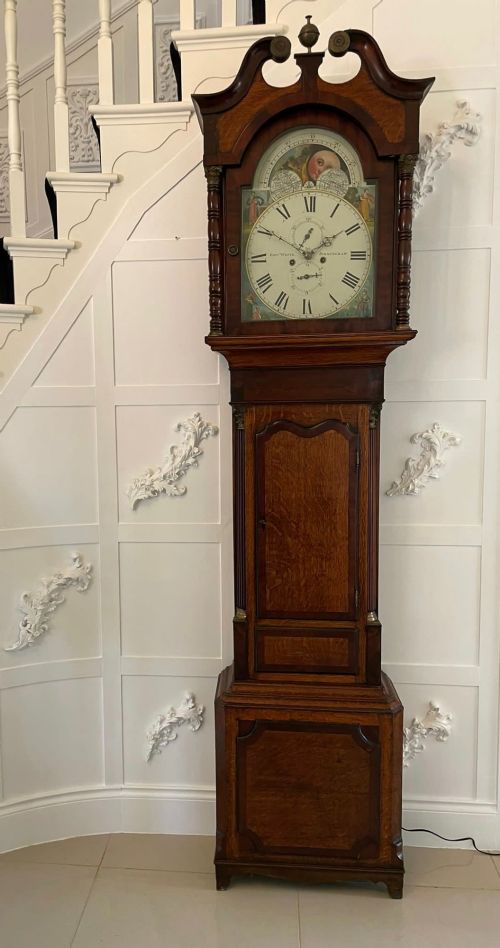
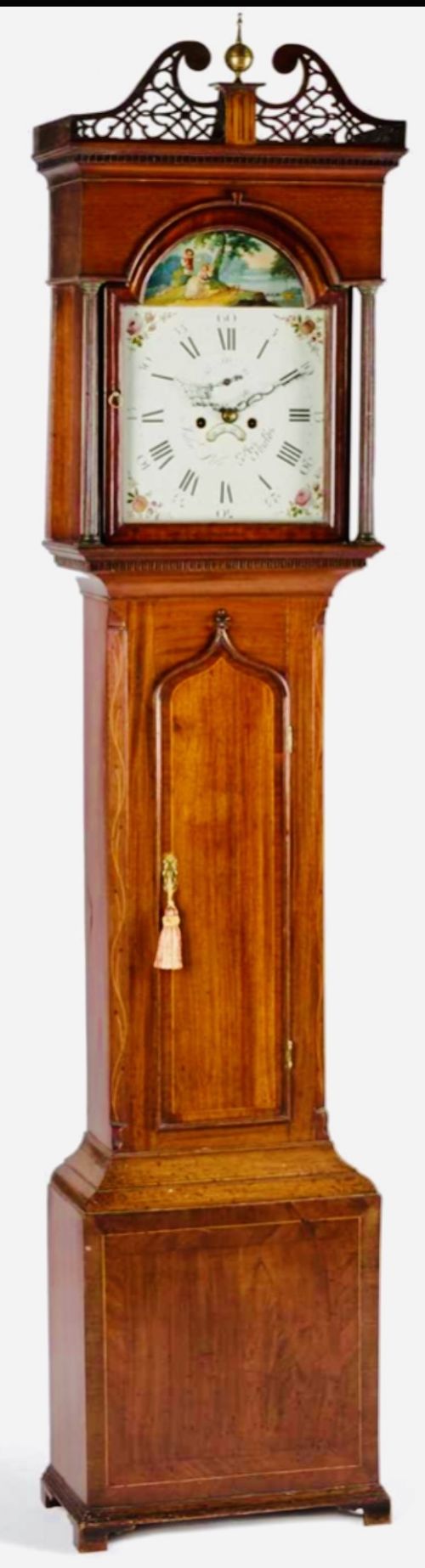
When searching for an oak and mahogany clock, buyers encounter tall case timepieces primarily originating from the eighteenth and nineteenth centuries. These domestic timekeepers combine structural carcasses built from native timber with decorative border veneers.
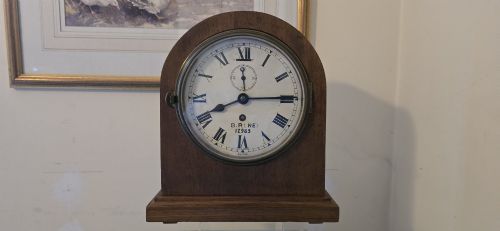
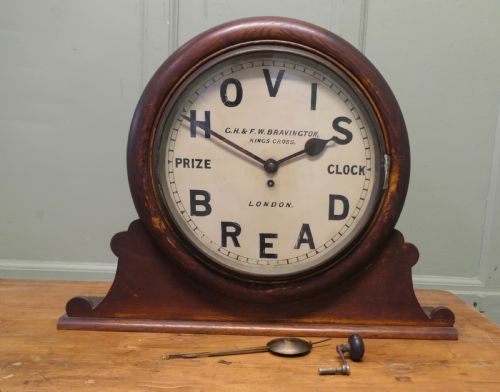
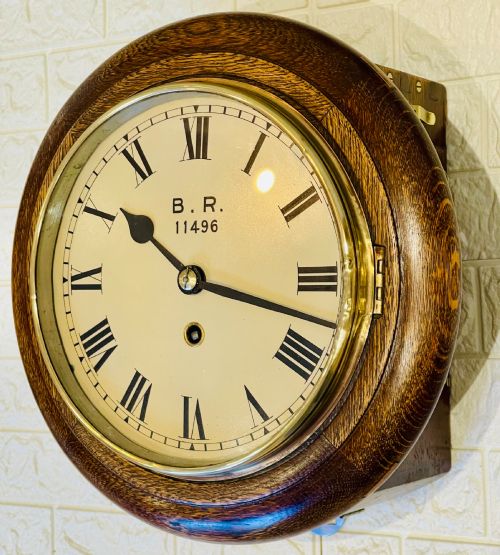
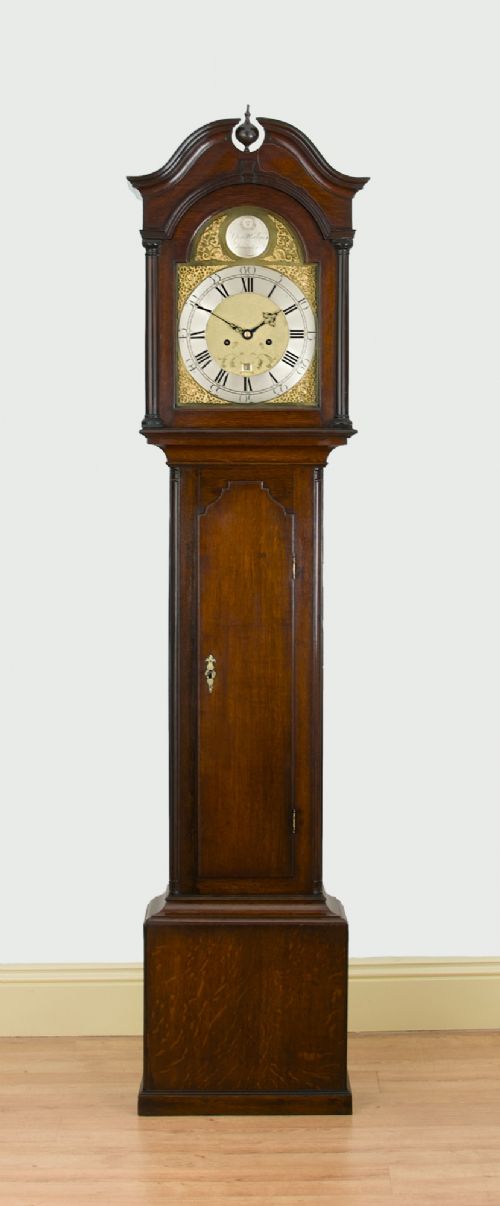
The dominant form on this page is the longcase or grandfather clock, usually housing an eight-day brass or painted dial movement. Makers also utilised wall-hanging fusee dial mechanisms and smaller cottage variants within similar timber combinations.
Regional makers across England and Wales constructed these pieces during the Georgian and Victorian periods, often signing directly onto the brass or painted faces. The resulting objects range from simple thirty-hour country timepieces to complex examples featuring rolling moon phases.
Materials and Construction
Cabinetmakers built the main structural frames and trunk bodies using quarter-sawn oak, selected for stability and strength. They then applied rich mahogany veneers and crossbanding around the borders, door edges, and dial perimeters to create visual contrast.
Movements relied on brass gear trains, iron plates, and steel arbors, powered by suspended lead weights or coiled mainsprings. Dials incorporated hand-engraved brass plates or white-painted iron faces, protected behind hinged glass bezels and timber hoods.
Some provincial longcase clocks feature whimsical automata within the dial arch, watching time pass with moving eyes.
Evaluating Craftsmanship
Quality rests in the precision of the cabinetwork and the integration of the wood species. Superior examples display tight crossbanding, crisp marquetry or fan inlays, and well-proportioned hood columns rather than plain, heavy joints.
The sophistication of the internal movement dictates tier: eight-day striking mechanisms with rolling moon phases or subsidiary dials represent higher workshop output than basic thirty-hour rural variants. Signed dials by recorded provincial makers further elevate the standing of the piece.
George Hallifax Of Doncaster·Edward White Birmingham·John Salmon Nantwich·Grocott Holywell·Stanyer Nantwich·Preddy of Langport·W Prior Skipton·Hudfon Of Nottingham·Rob Parry Pwllheli·J Hummel Of Worcester·Vurley of Wisbech·Winstanley Wigan·G.H.& F.W. Bravington London·John Morse of Malmesbury·Richard Bolt·Joseph Hinds of Stamford·Rowntree York·Gadsby of Leicester·Anthony Binks·John Greenough·Clare & Son Bedford·John Wilson of Peterborough·Petts of Hertford·John & Edward Mason of Worcester·Barwise of Cockermouth
The Oak and Mahogany Clock Glossary
- Crossbanding
- A decorative border technique where veneer is laid with the wood grain running perpendicular to the surrounding surface. This frames the primary door or trunk panels on many longcase bodies.
- Fusee
- A conical pulley used inside spring-driven clocks to maintain equal power on the gear train as the mainspring unwinds. It appears frequently in wall dial and railway clocks.
- Longcase clock
- A tall floor-standing timekeeper enclosed in a protective wooden case, commonly known as a grandfather clock. These house weighted movements suspended behind a glazed trunk door.
- Rolling moon
- A painted mechanical dial disc that tracks the lunar cycle behind a shaped aperture on the clock face. It rotates once every lunar month.
- Dial
- The visible face of the clock displaying hours and minutes, constructed from brass or painted iron. Signatures of the regional maker typically appear across the centre.
Oak and Mahogany Clock: Frequently Asked Questions
What is an eight day clock?
An eight day clock requires winding once a week using a crank key inserted into winding holes on the dial. This mechanism uses suspended heavy weights inside the longcase trunk.
Simpler thirty-hour versions require daily or more frequent winding by pulling hanging chains or cords.
How do I date a longcase clock?
Dating relies on stylistic shifts in the timber case design, dial materials, and the signature of the maker. Brass chapter rings and square dials point towards the eighteenth century.
Arched painted iron dials and mahogany crossbanding generally indicate later Georgian or nineteenth-century production.
Where were grandfather clocks placed?
Domestic longcase clocks stood in principal household areas such as hallways, stair landings, or living parlours where the striking bell could signal the hours.
Wall-hanging fusee variations were placed in commercial offices, railway stations, and schools for public timekeeping.