

Nursery
When you search for a nursery antique, you uncover a domestic past shaped by diminutive seating, carved wooden horses, and early childhood comforts.
Nursery
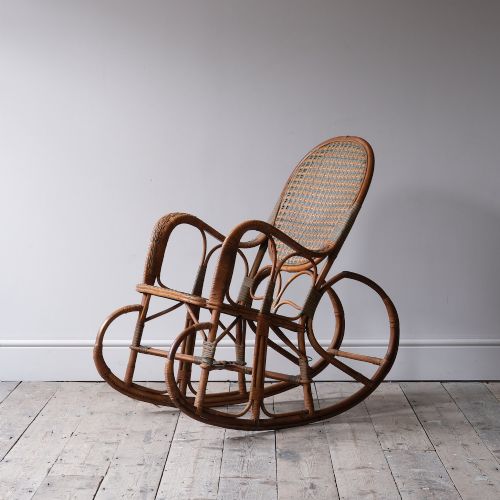
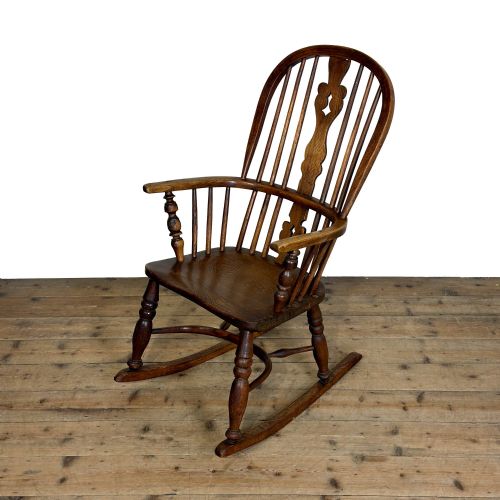
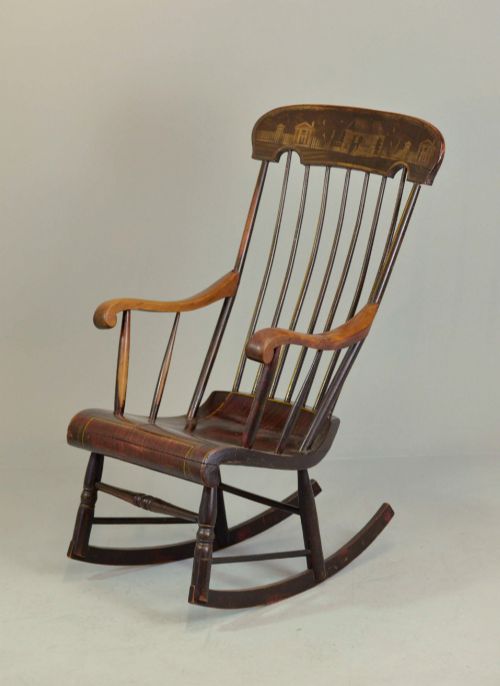
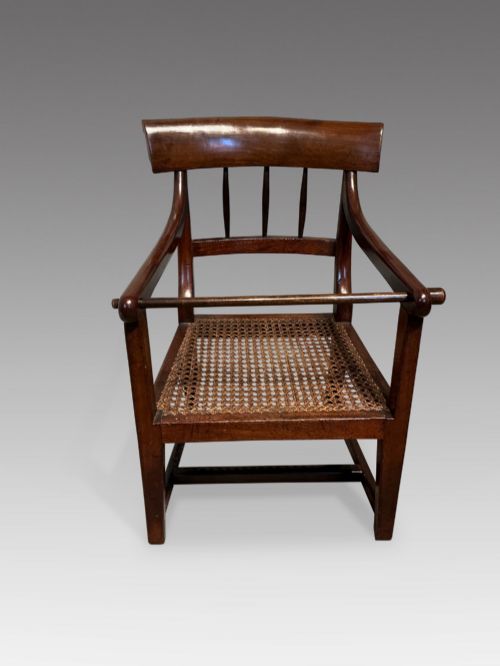
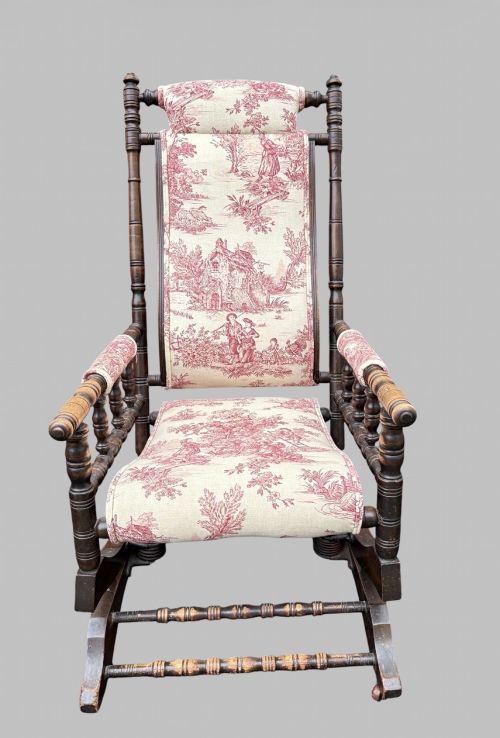
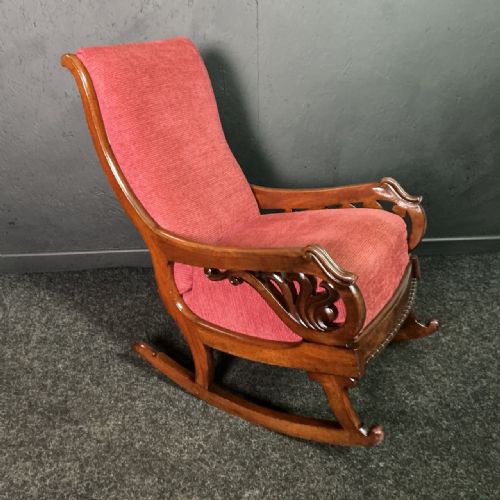
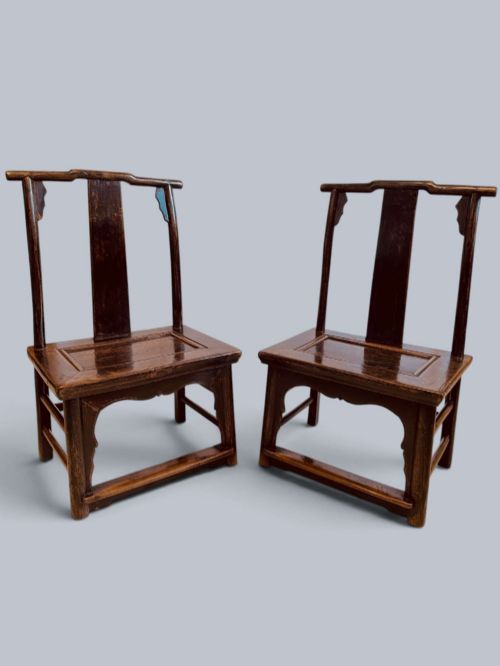
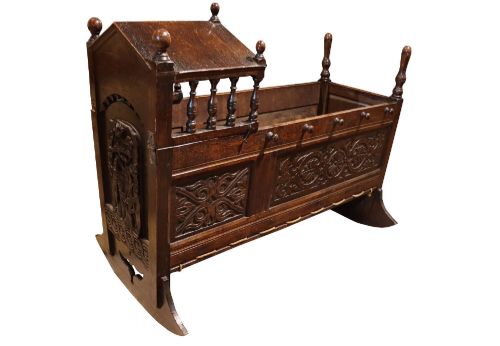
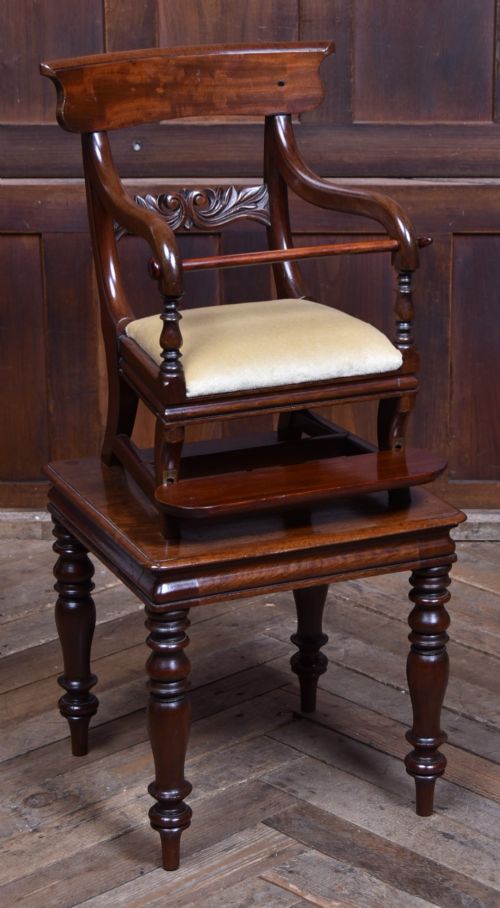
A nursery antique encompasses furnishings, toys, and domestic accessories made for children across the eighteenth, nineteenth, and early twentieth centuries. When searching for a nursery antique, buyers most commonly encounter miniature seating, including Windsor chairs, potty rockers, and metamorphic high chairs designed to adapt as a child grew.
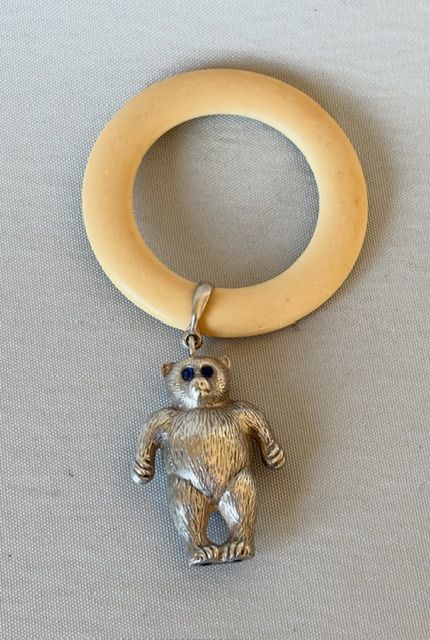
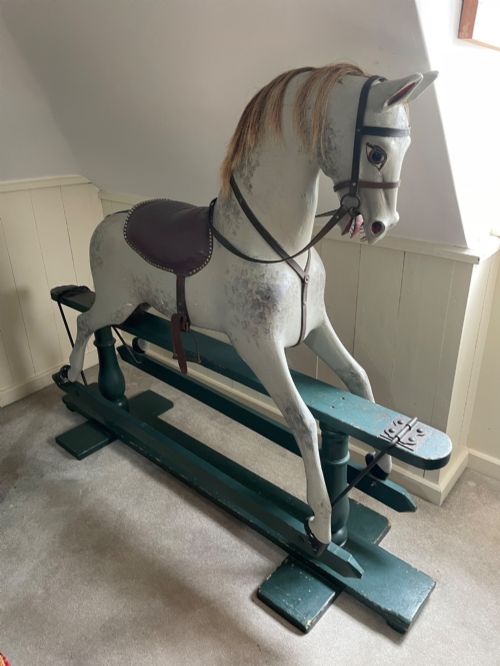
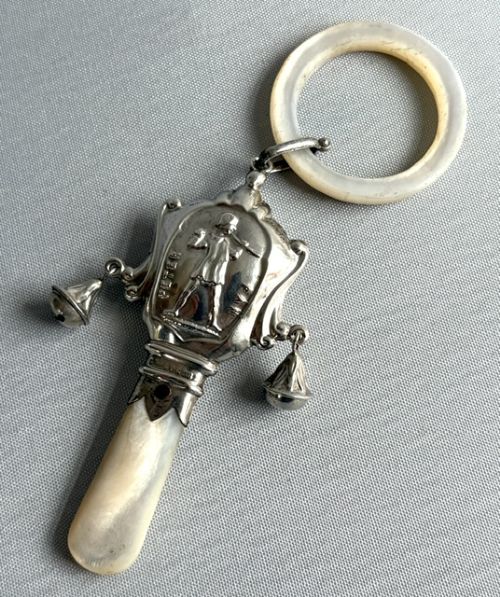
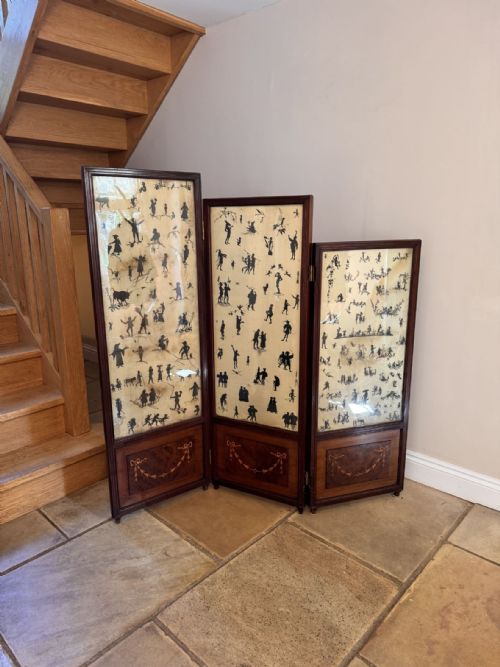
The category extends beyond furniture to include larger playthings such as carved wooden rocking horses, alongside smaller items like treen rattles, silver rattles, and nursery screens. Wall art also appears, featuring watercolours, engravings, and prints depicting children and fairy subjects from the Victorian and later eras.
Materials and construction
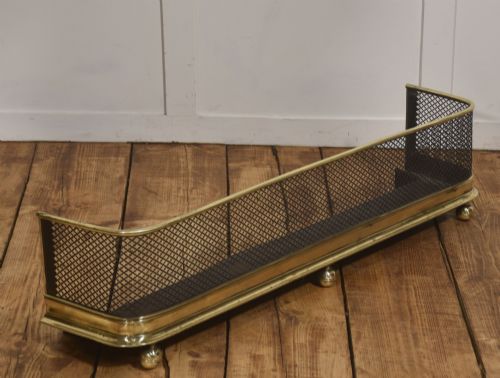
Makers utilised timber appropriate for domestic utility, employing oak, mahogany, walnut, fruitwood, elm, and pine across seating and larger playthings. Metal components appear in brass and steel mesh fireplace fenders, wirework fire guards, and silver baby rattles.
Joinery techniques ranged from country vernacular framing in elm and fruitwood to formal cabinet-making methods seen in mahogany metamorphic high chairs and inlaid folding screens. Carved wooden rocking horses combined substantial wooden bodies with leather tack and original rocking platforms.
Nursery Retail Price Guide 2026
Typical asking prices for nursery among the pieces listed under this phrase on Sellingantiques today, from the lower quarter to the upper quarter. They describe what is for sale here now, not the wider market.
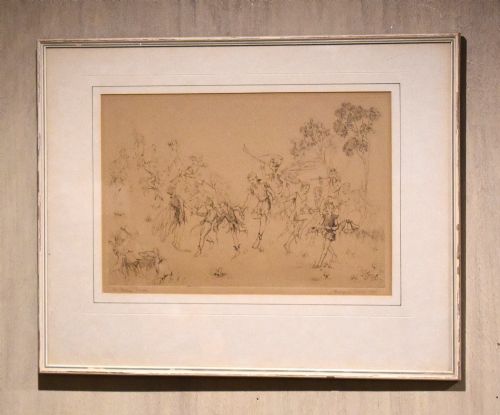
Enchanting flower fairy watercolours by Marjorie L Davies bring delicate botanical illustrations directly into the antique nursery space.
Judging the range
Quality in a nursery antique depends upon the integrity of the original construction and the survival of surface finishes. Pieces retaining untouched timber patination, original rocking mechanisms, or maker attribution stand apart from heavily restored examples.
Artistic merit distinguishes paper items and playthings, separating standard decorative prints from signed watercolours or substantial carved rocking horses by known makers.
G & J Lines of London·F.H.Ayres·James Shoolbred·Marjorie L Davies·Adam Buck
The Nursery Glossary
- Metamorphic high chair
- A dual-purpose child's chair designed to convert from a high chair into a low chair and table combination. This ingenious form is frequently found in mahogany and oak from the nineteenth century.
- Potty rocker
- A low wooden rocking chair incorporating a perforated seat or enclosed compartment for a chamber pot. These practical items often appear in regional timbers such as fruitwood and elm.
- Treen
- Small handmade wooden household objects and utilitarian items. In a nursery context, this includes turned wooden rattles and early small toys.
- Bergere
- A type of upholstered armchair featuring exposed wooden framing and woven cane panels on the back and sides. Miniature versions appear in nineteenth-century child seating.
- Fire guard
- A protective barrier of brass wirework or steel mesh placed before a hearth to protect children from open flames. These guards date across the Victorian and Edwardian periods.
Nursery: Frequently Asked Questions
What is a metamorphic high chair?
A metamorphic high chair is an ingenious piece of children's furniture designed to transform from an elevated seating position into a low chair and table combination.
These convertible chairs allowed families to adapt a single item of furniture as the child grew older during the nineteenth century.
How do I identify a rocking horse age?
Differentiating the age of a rocking horse involves examining the carving style, the construction of the body, and the mounting platform. Nineteenth-century examples often feature substantial carved wooden bodies on traditional bow rockers.
Later Victorian and Edwardian versions frequently utilised safety stands and distinct maker methods associated with firms like F.H.Ayres or G & J Lines.
Were children's Windsor chairs made differently?
Children's Windsor chairs were constructed using traditional greenwood framing techniques similar to adult versions, employing elm, fruitwood, and ash. Regional makers scaled down the spindle backs, saddled seats, and splayed legs to suit smaller occupants.
These sturdy country chairs were built for daily domestic use and often display individual vernacular characteristics.
What materials were used in fire guards?
Fire guards relied upon durable metals designed to withstand hearth heat while providing a protective barrier for young children. Makers utilised brass frames combined with steel mesh or fine wirework.
More decorative Regency and Victorian examples incorporated refined brass detailing and folding screen mechanisms.