



Nude Male Figure
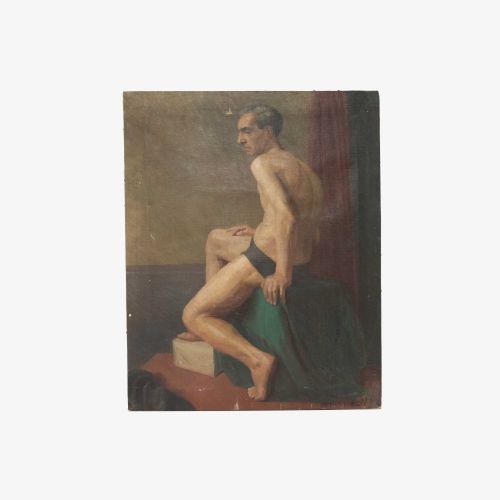
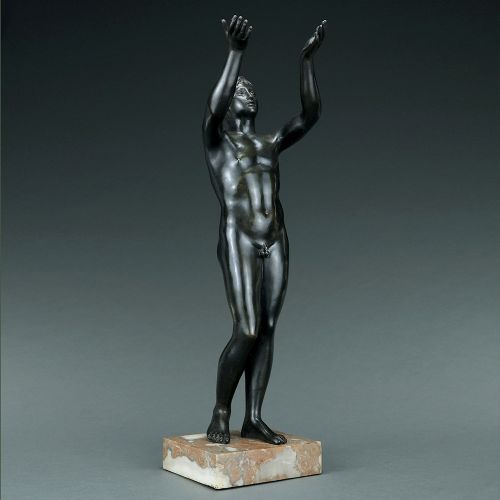
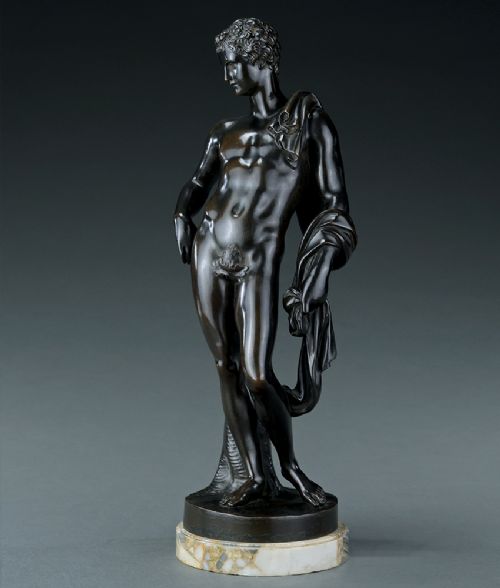
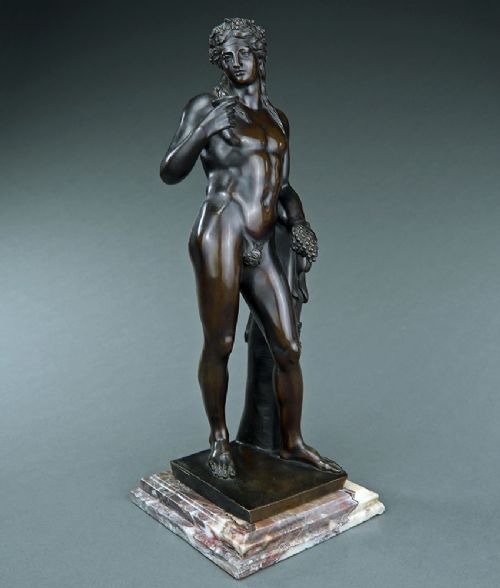
A nude male figure captures the classical form through bronze, marble and works on paper from the nineteenth and early twentieth centuries.
Nude Male Figure
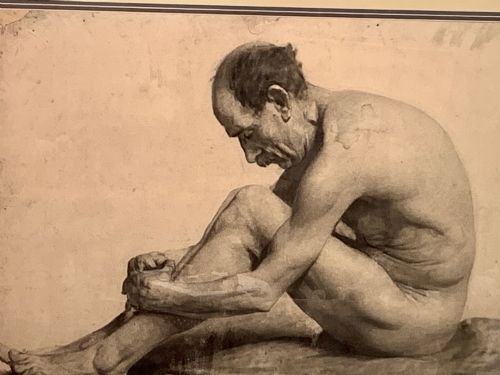
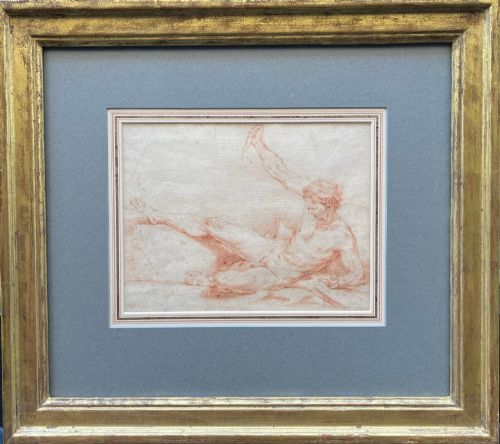
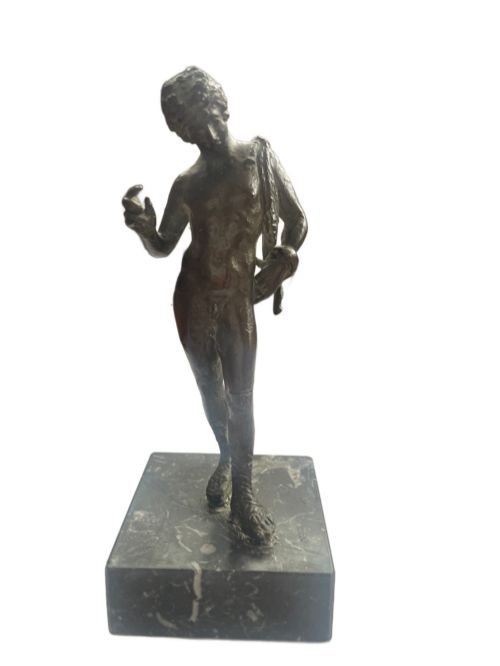
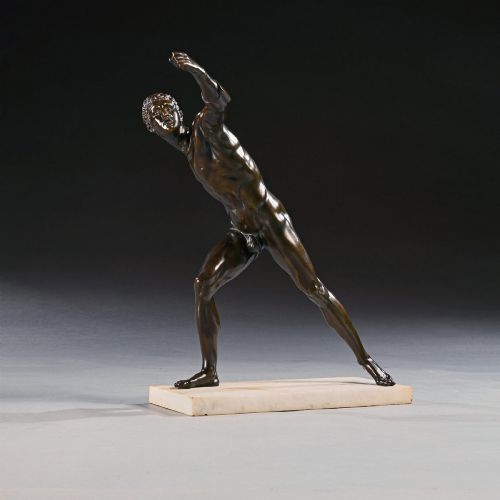
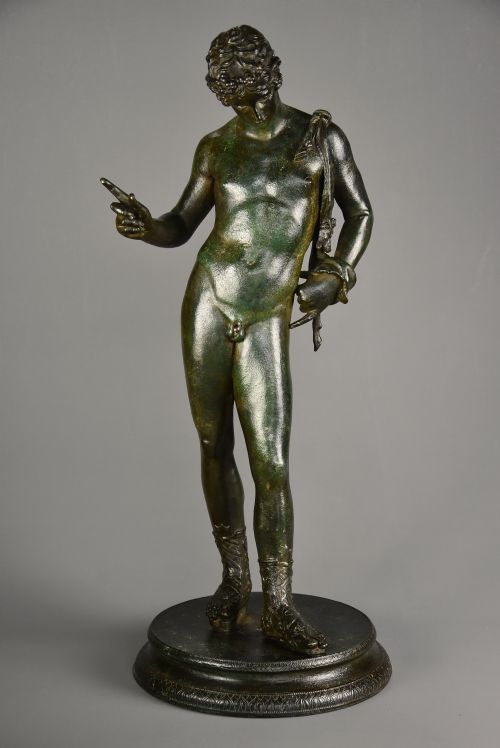
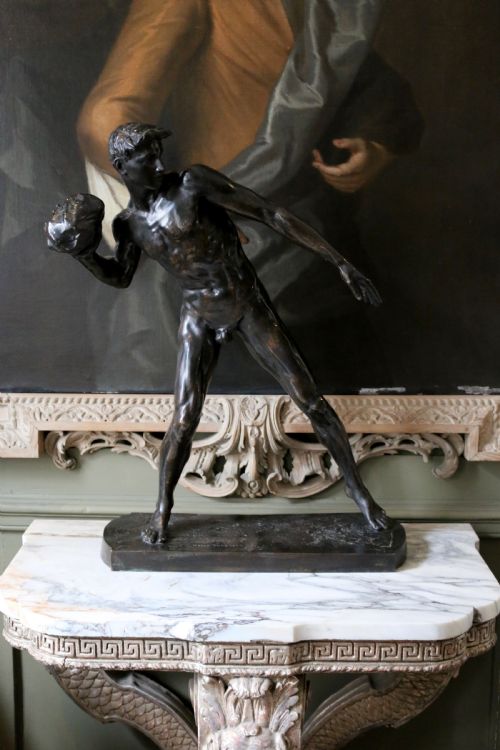
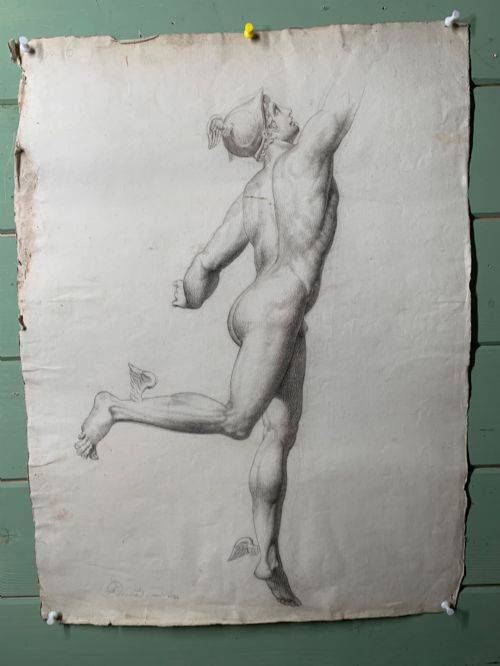
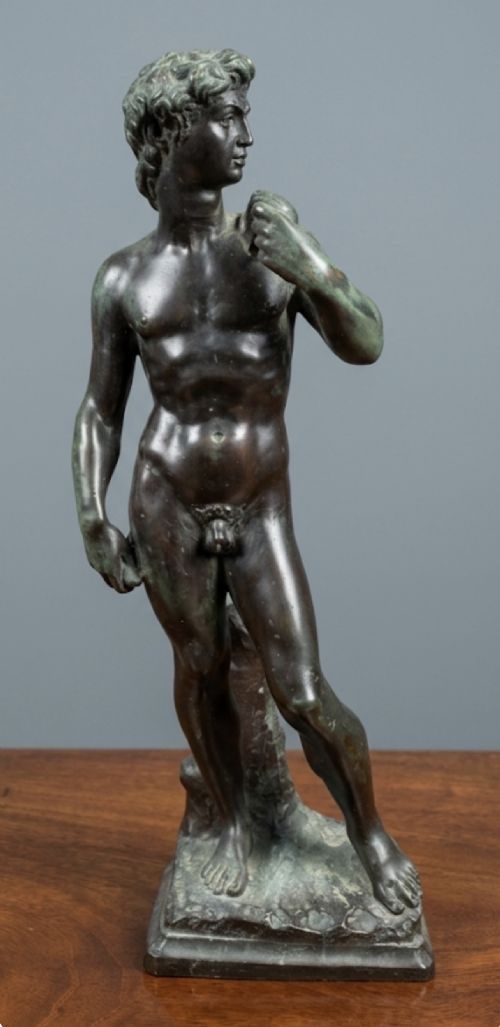
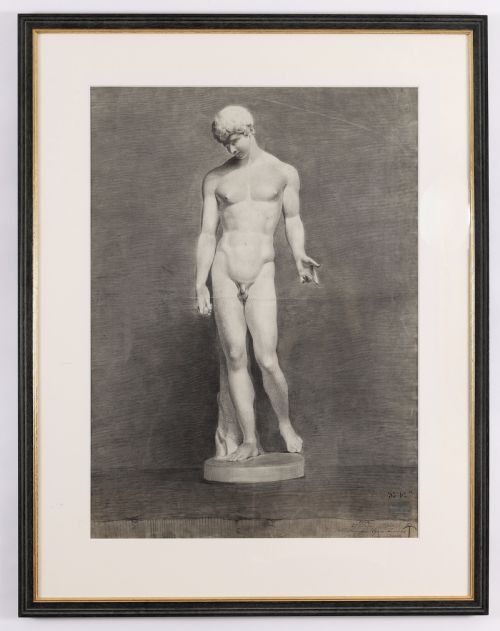
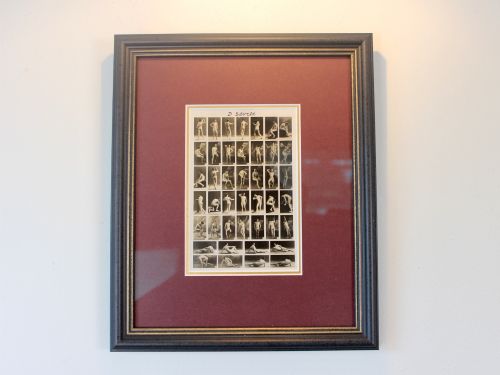
A nude male figure on this page typically appears as a cast bronze reduction after classical sculpture, a Grand Tour souvenir or an academic life study on paper. These works draw heavily on Neoclassical, Academic Realism and Art Deco traditions across the nineteenth and early twentieth centuries.
Buyers encounter subjects ranging from mythological figures like Narcissus, Dionysus and Hermes to athletes, gladiators and anonymous life drawings. The most common manifestations are patinated cabinet bronzes and framed graphite, charcoal or ink drawings produced in European academies.
Materials and construction
Bronze castings dominate the sculptural offerings, frequently utilising the lost-wax method or sand casting, finished with patination ranging from dark green to verdigris. Many sit upon fossil marble bases, combining cast metal with polished stone.
Works on paper employ charcoal, graphite, ink, pencil and watercolour upon aged paper supports, often framed as period academic submissions. Wood and terracotta also appear less frequently as sculptural mediums.
Nude Male Figure Retail Price Guide 2026
Typical asking prices for nude male figure among the pieces listed under this phrase on Sellingantiques today, from the lower quarter to the upper quarter. They describe what is for sale here now, not the wider market.
Listings span periods from the eighteenth century through to the mid-twentieth century, featuring bronze, marble, paper and wood.
Distinctions in quality
Quality rests upon the crispness of the casting detail in bronzes and the anatomical precision demonstrated in academic drawings. Fine bronzes preserve muscle definition, facial expression and patination without softening from worn moulds.
In works on paper, the strength of line, correct handling of proportion and the integrity of the period support determine the standing of the piece. Earlier Grand Tour bronzes demonstrate superior chasing and finishing compared to later mass-produced commercial castings.
Louis Garnier·Jean de Roncourt·Hamo Thornycroft·Henry Arthur Roberts·Alexandre-Louis Martin·Raoul Francois Larche·Franz Iffland·Kees van Dongen
The Nude Male Figure Glossary
- Grand Tour
- A traditional trip through Europe undertaken by upper-class Europeans to study classical art and acquire souvenirs. These items include small bronze reductions of famous antique sculptures.
- Patination
- The chemical or natural surface alteration applied to metal sculptures. Green and dark brown tones are typical of nineteenth-century bronze treatments.
- Academic Realism
- A style of painting and sculpture produced under the influence of European academies of art. It emphasises rigorous life drawing and classical proportion.
- Lost-wax casting
- A metalworking method where a molten metal is poured into a mould that has been created by means of a wax model. This technique allows for intricate surface detail.
- En grisaille
- A painting executed entirely in shades of grey or neutral monochrome. This method often serves as a study for form and shadow.
Nude Male Figure: Frequently Asked Questions
What is a Grand Tour bronze?
A Grand Tour bronze is a small-scale replica of an ancient classical statue purchased by travellers visiting European cultural sites during the eighteenth and nineteenth centuries.
These pieces brought classical antiquity into private libraries and studies across Britain and Europe.
How are academic life studies identified?
Academic life studies are identified by their careful attention to human anatomy, shading and proportion, drawn directly from live models in structured art school settings.
They frequently feature inscriptions, studio stamps or dates relating to nineteenth-century European academies.
What causes different bronze patinas?
Different bronze patinas result from chemical treatments applied by the foundry or natural oxidation over decades of exposure to air and handling.
Green and dark brown finishes are the most prevalent among nineteenth-century casts.
How should paper artworks be displayed?
Paper artworks require professional framing using acid-free materials to prevent yellowing and degradation over time.
They must also be positioned away from direct sunlight to protect graphite, charcoal and watercolour pigments from fading.