

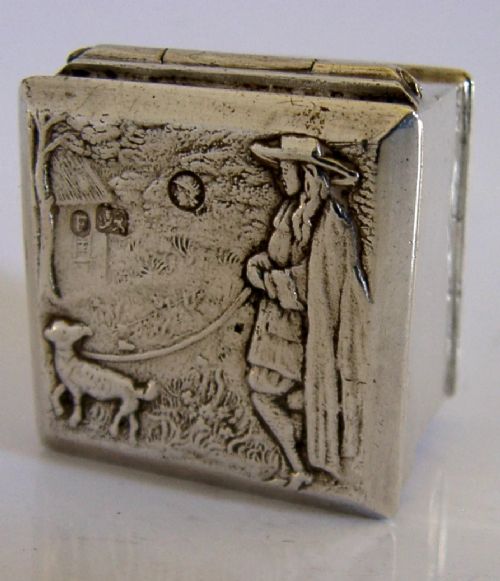
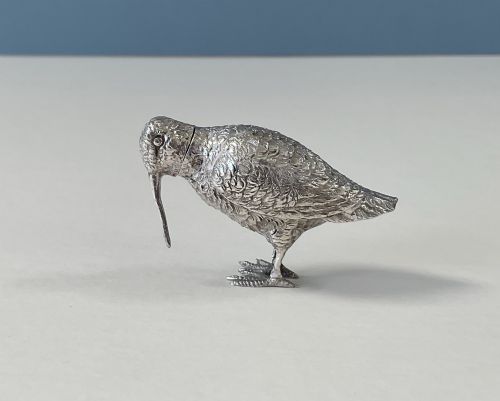
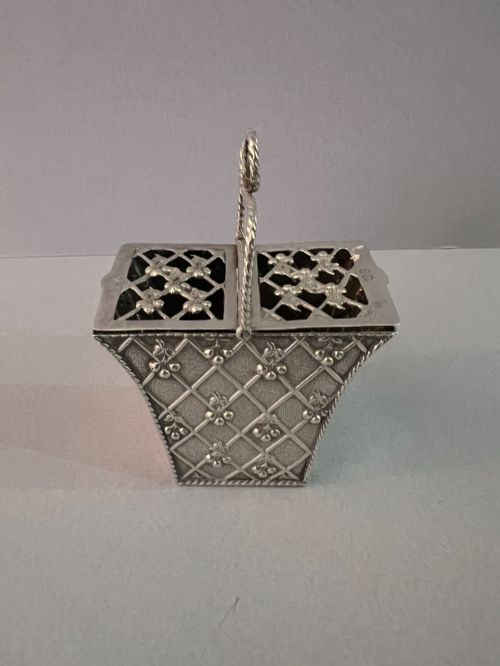
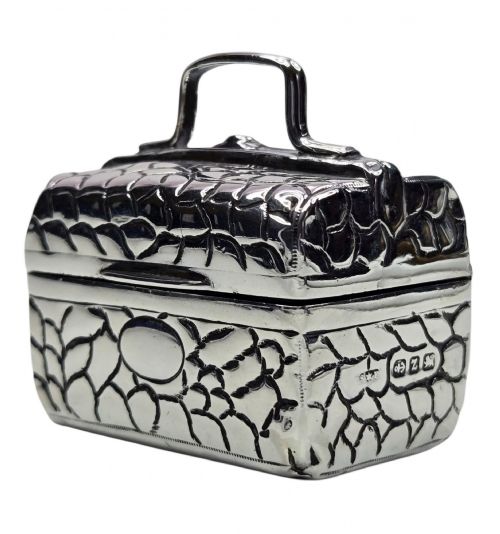


Novelty Silver Trinket Box
These novelty silver trinket box pieces combine functional storage with whimsical miniature animal and object forms, offering tactile appeal for collectors.
Novelty Silver Trinket Box
A novelty silver trinket box transforms ordinary small containers into whimsical sculptures shaped like animals, furniture, and everyday items. When you search for a novelty silver trinket box, you encounter pieces designed to hold pills, rings, and small valuables while serving as decorative desk or dressing table objects.
The selections span Victorian, Edwardian, and twentieth-century periods, showcasing forms ranging from miniature birds and dogs to furniture and household utensils. Animal models such as partridges, cows, snipes, and French bulldogs appear alongside specific shaped vessels like trunks, warming pans, and dressing tables.
Origin details reveal English and continental European manufacturing centres, particularly British assay offices in cities like Birmingham and London, alongside continental silver from makers in Hanau. The construction relies primarily on sterling silver and silver gilt, occasionally incorporating glass, wood, and paper elements.
Materials and construction methods
Silversmiths utilised sterling silver and silver gilt to shape these small containers, employing casting and detailed hand-chasing techniques to render realistic textures like feathers, fur, and wood grain. Hinged lids and compartments required precise metalworking to ensure flush closures on miniature forms such as pianos, trunks, and animals.
Surface ornamentation often involved repoussé work and embossing, particularly on continental European pieces, creating high-relief patterns across harpsichords and bureau models. Interior gilt finishes protected the silver from corrosion when holding acidic substances like snuff or scented vinegars in vinaigrettes.
Novelty Silver Trinket Box Retail Price Guide 2026
Typical asking prices for novelty silver trinket box among the pieces listed under this phrase on Sellingantiques today, from the lower quarter to the upper quarter. They describe what is for sale here now, not the wider market.
A tiny silver frog sits patiently inside a walnut shell, waiting to hold a single pill.
Distinctions in craftsmanship and design
Complexity of form influences the overall standard, distinguishing simple hinged boxes from intricate multi-part constructions like miniature dressing tables with mirrors or functioning furniture replicas. The integrity of the hinges and the secure fit of the lids demonstrate the maker's technical skill.
Samson Mordan·Boaz Moses·W Comyns·Samuel Landeck
The Novelty Silver Trinket Box Glossary
- Sterling silver
- A silver alloy containing 92.5 percent pure silver and 7.5 percent other metals, usually copper, chosen for durability in small decorative items.
- Vinaigrette
- A small ornamental box featuring an internal pierced grille, designed to hold a sponge soaked in aromatic vinegar.
- Repoussé
- A metalworking technique where the silversmith hammers the metal from the reverse side to form a raised design in relief.
- Pin cushion
- A fitted element incorporated into boxes and novelty objects, designed to store sewing pins alongside trinkets.
- Hallmark
- A series of official marks stamped on items to indicate the silver standard, assay office, and year of manufacture.
Novelty Silver Trinket Box: Frequently Asked Questions
What were novelty silver boxes used for?
These small containers stored specific personal items such as pills, pins, snuff, stamps, and small rings on dressing tables or writing desks. Their playful shapes also served as conversational decorative objects.
Wealthy owners displayed them in domestic interiors, while travellers carried smaller versions in pockets or reticules for daily use.
How do I date an antique silver box?
Assay office hallmarks stamped onto the silver provide the exact year of testing and the city of origin. Stylistic clues, such as Edwardian naturalism or Victorian Gothic motifs, narrow down the period.
Maker marks alongside date letters reveal the exact operational window of the silversmith workshop.
How should I clean my silver box?
Gentle dusting with a soft, dry cloth preserves the original surface and any delicate details without removing the patina. Avoid harsh chemical dips that strip away silver gilt and aged highlights from the recessed areas.
Professional silver polish should be used sparingly and kept away from internal paper linings or glued mirror components.
Are all novelty boxes English?
While many pieces originate from English workshops in London and Birmingham, continental European makers also produced significant quantities. German silversmiths, particularly in Hanau, exported numerous novelty boxes to the British market.
Import marks stamped by British assay offices often help identify continental pieces retailed in Britain.