




Sterling Silver Miniature Box
These sterling silver miniature boxes span periods from the eighteenth century to the twentieth, offering compact vessels in diverse novelty forms that collectors prize for their intricate scale and craftsmanship.
Sterling Silver Miniature Box
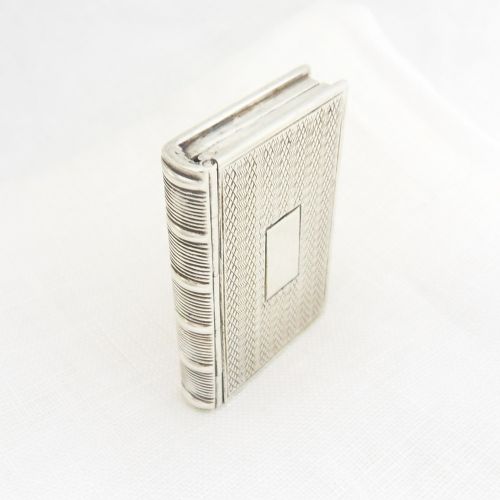
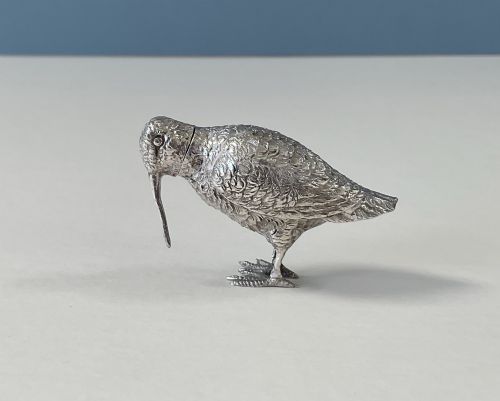
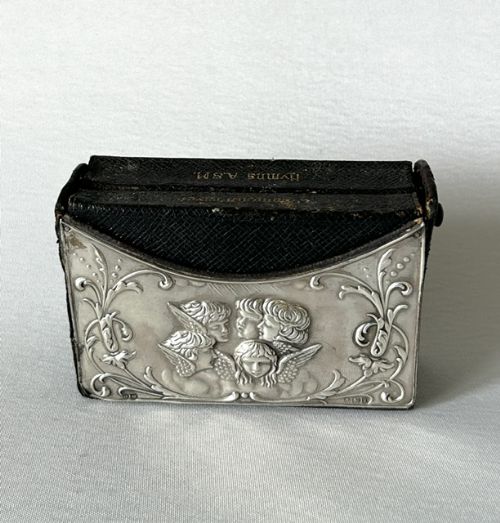
A sterling silver miniature box serves a multitude of specialised functions, appearing as snuff boxes, pill boxes, trinket boxes, and stamp cases across various historical periods. The inventory reflects a strong representation of Edwardian and Victorian novelty pieces, alongside Georgian examples.
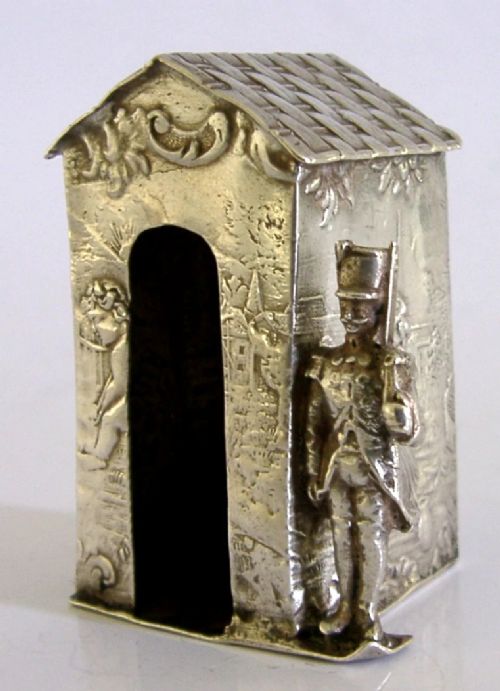
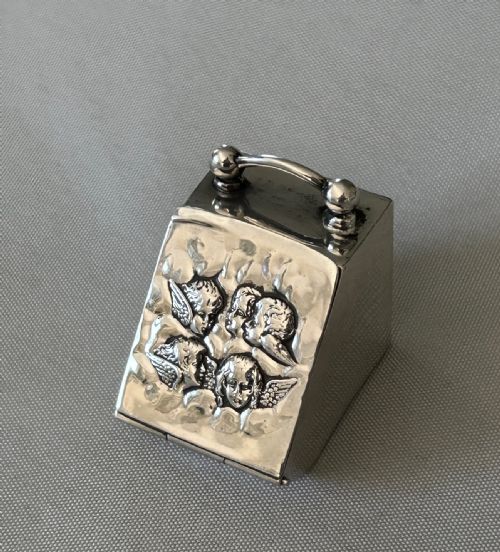
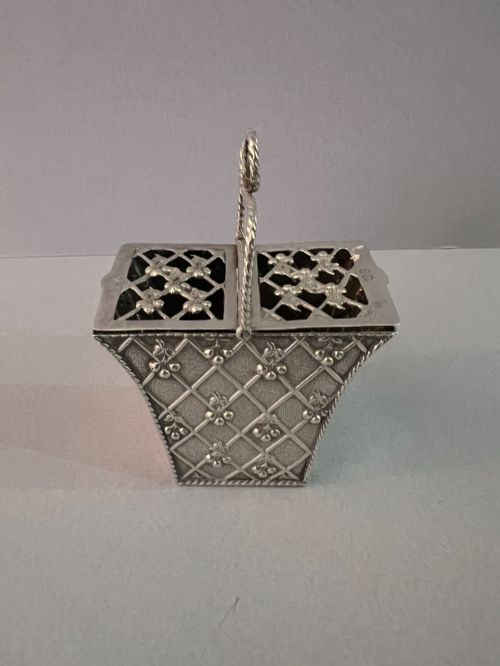
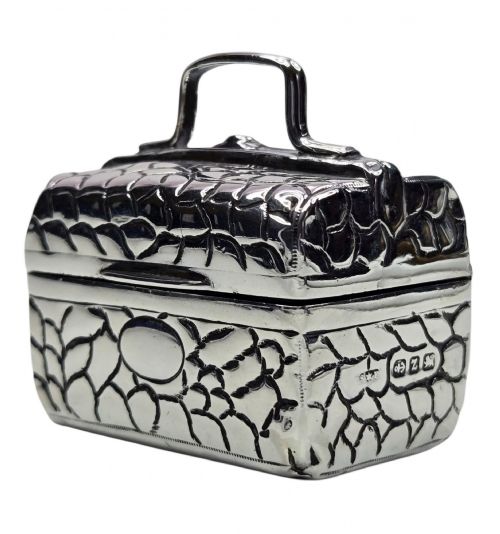
Makers fashioned these diminutive objects into imaginative shapes, including animals, furniture, and everyday items such as wheelbarrows, coal scuttles, and sentry posts. Buyers frequently encounter English hallmarked pieces from Birmingham alongside continental European silver, particularly Hanau silver.
The selection encompasses devotional prayer and hymn book duos, sewing accessories, and miniature dressing tables complete with mirrors. These small containers demonstrate the period taste for playful domestic objects executed in precious metal.
Distinctions in craftsmanship and design
The integration of supplementary materials, including undamaged guilloche enamel panels, fitted velvet linings, or complete internal tools like those found in Georgian etuis, elevates the standing of an item. Maker attribution also plays a role, with documented workshops commanding greater attention from collectors.
Sterling Silver Miniature Box Retail Price Guide 2026
Typical asking prices for sterling silver miniature box among the pieces listed under this phrase on Sellingantiques today, from the lower quarter to the upper quarter. They describe what is for sale here now, not the wider market.
Victorian silversmiths turned even a humble post box or garden wheelbarrow into a secure silver repository for postage stamps.
Samuel Pemberton·Asprey·S Mordan
The Sterling Silver Miniature Box Glossary
- Hanau silver
- Silverware produced in the German town of Hanau, often imitating older styles and imported into Britain during the late nineteenth and early twentieth centuries. These pieces frequently bear pseudo-hallmarks.
- Etui
- A small ornamental case used to hold needles, tweezers, scissors, and other small necessities. Georgian examples often contain a complete set of miniature implements.
- Guilloche enamel
- Decorative enamel applied over a metal surface that has been mechanically engraved with a repetitive geometric pattern. This technique creates a shimmering wave or sunburst effect beneath translucent colour.
- Pin cushion
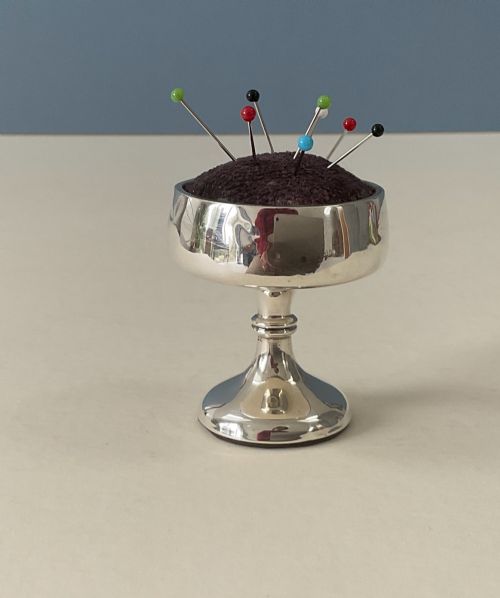
- A small stuffed pad incorporated into novelty silver objects such as goblets, animals, or figural pieces. They allowed dressmakers and gentlewomen to store pins close at hand.
- Novelty silver
- Silver items shaped to resemble everyday objects, animals, or architecture rather than traditional vessel forms. Edwardian silversmiths excelled in this witty branch of metalwork.
Sterling Silver Miniature Box: Frequently Asked Questions
What were sterling silver miniature boxes used for?
These small containers served practical daily functions for storing personal items like snuff, pills, stamps, and pins in the Georgian, Victorian, and Edwardian eras. Many acted as portable accessories for the dressing table or pocket.
Others functioned as novelties, holding playing cards, prayer books, or coins, reflecting the Victorian and Edwardian appetite for whimsical and ingenious silver design.
How do I identify an Edwardian silver novelty box?
Edwardian pieces often take imaginative shapes such as animals, wheelbarrows, warming pans, or coal scuttles, dating between roughly nineteen hundred and nineteen ten. Look for crisp casting and playful domestic themes.
English examples frequently carry clear town marks and date letters from assay offices like Birmingham, confirming their period of manufacture.
What is Hanau silver?
Hanau silver refers to decorative items manufactured in the German town of Hanau, particularly during the late nineteenth century. These pieces often emulate earlier eighteenth-century styles.
Import marks and distinctive pseudo-marks help identify these continental items, which were brought into Britain to satisfy the demand for ornate table boxes and miniatures.
How should I care for antique silver boxes with enamel or velvet?
Keep these delicate objects away from direct sunlight and excessive moisture to protect internal velvet linings and paper components. Enamel surfaces require gentle cleaning with a soft, dry cloth.
Avoid submerging boxes that contain fitted interiors, enamel panels, or delicate pin cushions in liquid silver cleaner, as harsh chemicals will damage the secondary materials.