



Novelty Match Holder
These pieces of novelty match holder bring wit and ingenuity to the practical task of striking a light, turning a pocket or desk necessity into a sculptural conversation piece.
Novelty Match Holder
A novelty match holder takes the form of animals, figures, objects or humorous subjects, functioning as a pocket container or a desk accessory. When you search for a novelty match holder, you are looking at small-scale metalwork, carved wood, or glass designed to hold matches, vestas, or tapers safely.
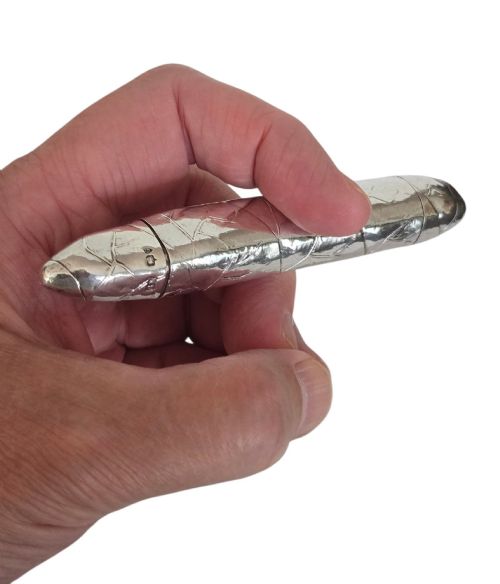
The versions most frequently met on this page include sterling silver vesta cases shaped like dogs, boars, and cats, alongside brass boxes, cold painted bronze figures, and carved wooden animals. These items date primarily from the Victorian and Edwardian periods, stretching into the early twentieth century.
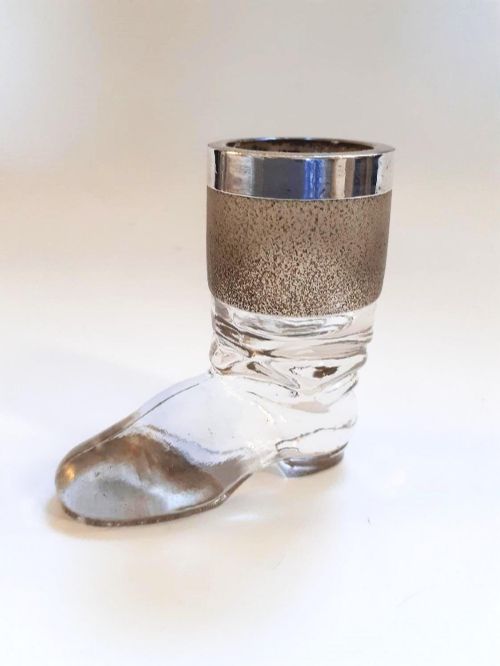
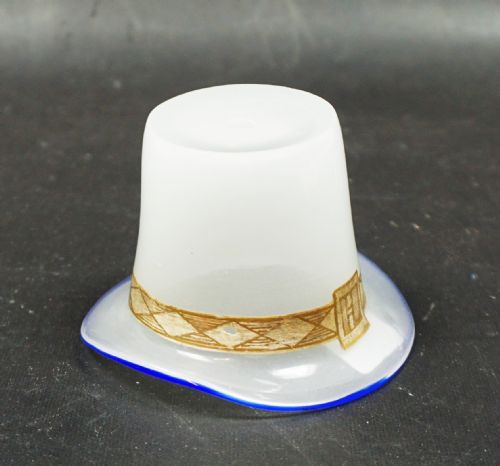
Makers utilised familiar forms such as boots, hats, sarcophagi, and portrait heads to amuse users while keeping matches dry and accessible. Each piece combines a utilitarian function with whimsical design, reflecting the tastes of nineteenth and early twentieth-century makers and buyers.
How they were made
Silversmiths and metalworkers shaped sterling silver, silver gilt, brass, spelter, and nickel-plated brass through casting, stamping, repousse work, and hand engraving. Many metal examples feature applied enamel details or cold painted finishes that add colour and character to the diminutive forms.
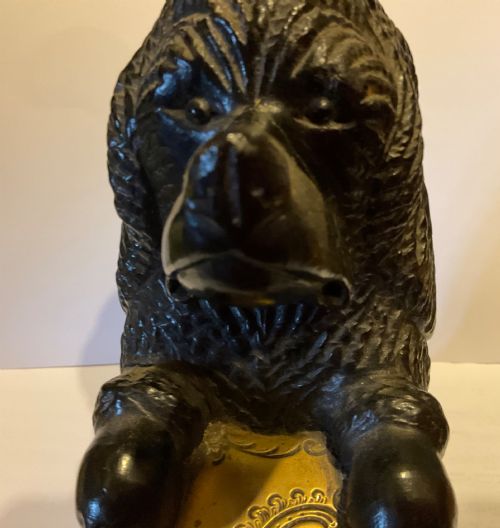
Carvers shaped wood, notably in Black Forest and other continental workshops, producing detailed figures like begging dogs and bears with integrated match or candle holders. Glass makers employed opaline glass with cane rims and gilt bands for delicate tabletop containers.
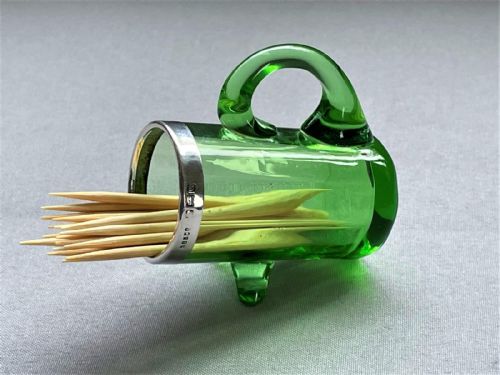
Makers incorporated hinged lids, striker bases, and combination elements such as go-to-bed taper holders or toothpick sections into the designs. These technical solutions ensured the matches remained secure and ready for use.
Novelty Match Holder Retail Price Guide 2026
Typical asking prices for novelty match holder among the pieces listed under this phrase on Sellingantiques today, from the lower quarter to the upper quarter. They describe what is for sale here now, not the wider market.
A tiny metal cockerel stands beside its own diminutive bucket, ready to hold matches and amuse anyone needing a light.
What varies in quality
The preservation of original surface finishes, such as delicate cold painting or vibrant enamel, heavily influences the appeal of metal and glass pieces. Intact hallmarks on silver items provide clear proof of origin and date, adding reliability to the piece.
Sampson Mordan & Co·A & J Zimmerman·Levi & Salaman·Royal Bayreuth
The Novelty Match Holder Glossary
- Vesta case
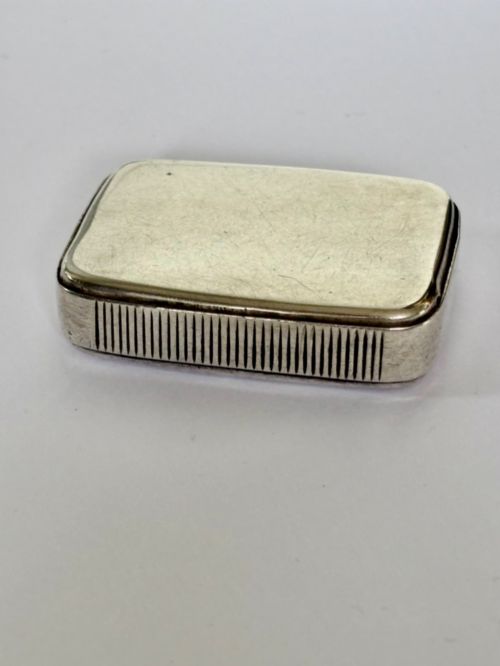
- A small pocket container designed to hold safety matches or wax vestas, typically fitted with a striking surface on the base. These cases often featured hinged lids and curved bodies for comfort in the pocket.
- Cold painted bronze
- A method where bronze figures were painted with oil-based paints without being fired in a kiln. This technique allowed for vivid coloration on small novelty animal bronzes, though the paint is prone to chipping over time.
- Silver gilt
- Silver objects that have been coated with a thin layer of gold on the interior or exterior surfaces. This finish provided a rich, warm tone and helped prevent tarnishing.
- Wax taper
- A thin wick coated in wax used to transfer a flame from a match to a candle or fireplace. Combination holders often integrated a taper alongside the match storage.
- Guilloche enamel
- A decorative technique where geometric patterns are engine-turned into metal beneath translucent enamel layers. This creates a shimmering, patterned depth of colour.
Novelty Match Holder: Frequently Asked Questions
What is a vesta case?
A vesta case is a small pocket container used to hold short matches known as vestas, keeping them dry and preventing accidental ignition.
Makers shaped them in numerous humorous or decorative forms, incorporating integrated striking surfaces so users could light a match anywhere.
How were match holders used?
They sat on desks, tables, or were carried in pockets to provide a ready supply of matches for cigars, pipes, or lamps.
Table models often combined match storage with candle holders, ashtrays, or toothpick holders for convenience in the home.
What materials are common?
Sterling silver and brass appear frequently, often enhanced with enamel, silver gilt, or cold painted bronze details.
Carved wood and opaline glass also feature among the surviving pieces, offering a variety of textures and visual styles.
How do I spot a Victorian piece?
Victorian pieces often display clear British hallmarks indicating assay offices, makers, and date letters corresponding to the nineteenth century.
The styles, ranging from naturalistic animal forms to Egyptian Revival motifs, reflect the aesthetic preferences of that era.