





Novelty Bronze Figure
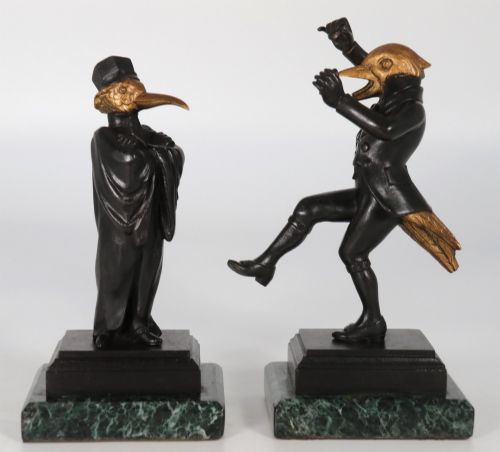
These novelty bronze figure pieces bring practical function and humour to a desk, ranging from animals in human dress to theatrical characters.
Novelty Bronze Figure
A novelty bronze figure combines sculptural whimsy with practical utility, frequently taking the form of inkwells, desk accessories, candlesticks, and pin cushions. When you search for a novelty bronze figure, you encounter whimsical creations from the nineteenth and early twentieth centuries designed to amuse while serving a daily purpose on a desk or table.
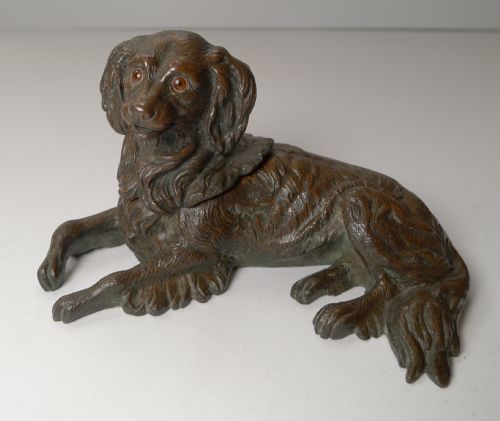
The pieces appearing on this page span several distinct periods including Victorian and Edwardian eras, alongside Gothic Revival and Orientalist styles. Common subjects include animals such as monkeys, dogs, birds, and rhinoceroses portrayed in human situations or wearing garments, as well as theatrical figures and comical characters.
Functionality dictates form within this category, transforming everyday objects like match strikers, door knockers, and paperweights into animated subjects. Makers utilised the medium to inject personality into stationary items, resulting in items like an emu inkwell or a fox in a nightgown.
Materials and construction methods
Foundry work relied heavily on traditional casting methods using bronze, sometimes complemented by cold-painted finishes, parcel-gilt highlights, or ormolu mounts. Spelter also appears as an alternative metal medium for cast figures, providing a different weight and surface texture.
Colour and detail were frequently added through cold-painting techniques applied directly to the bronze surface, while decorative accents incorporated materials like glass for eyes and marble for bases. Patination techniques produced varying surface tones ranging from deep dark bronze to lighter patinated finishes.
Novelty Bronze Figure Retail Price Guide 2026
Typical asking prices for novelty bronze figure among the pieces listed under this phrase on Sellingantiques today, from the lower quarter to the upper quarter. They describe what is for sale here now, not the wider market.
Factors determining quality
The precision of the casting and the crispness of surface detail distinguish finer examples from simpler production pieces. Well-defined feathers, fur texture, and facial expressions demonstrate superior foundry work.
The complexity of the object and the preservation of original cold-painted finishes heavily influence the character of an item. Integrated functions, such as hinged inkwell lids or fitted glass inserts, require careful mechanical execution that reflects the maker's skill.
The Novelty Bronze Figure Glossary
- Cold-Painted Bronze
- Bronze sculpture decorated with unfired paint applied over a metallic base layer. This technique was widely utilised by Austrian workshops to create vibrant multi-coloured animal figures.
- Ormolu
- Gilded bronze applied as a decorative mount or finish. The process involves treating cast bronze with a gold amalgam to produce a rich metallic sheen.
- Spelter
- A zinc alloy used as a cost-effective substitute for bronze in decorative metalwork. It takes patination well but possesses a lighter weight and softer structure than true bronze.
- Match Striker
- A desk accessory incorporating a rough surface designed for igniting safety matches. These objects were frequently modelled into figurative shapes to amuse the user.
- Animalier
- A nineteenth-century artistic movement focused on the realistic or characterful portrayal of animals. Sculptors in this tradition captured beasts in dynamic poses or humorous human scenarios.
Novelty Bronze Figure: Frequently Asked Questions
What is a novelty bronze figure?
A novelty bronze figure is a small decorative sculpture that doubles as a functional desk accessory, such as an inkwell, match striker, or pin cushion.
These pieces typically depict animals in humorous poses, theatrical characters, or everyday objects rendered with a whimsical twist.
How were these items used originally?
In the nineteenth and early twentieth centuries, these objects sat upon writing desks, mantelpieces, and hall tables to serve practical daily needs.
An inkwell held writing fluid, a match striker kept matches ready for lighting fires or cigars, and a pin cushion held sewing pins close at hand.
What periods do these pieces come from?
The pieces available on this page originate primarily from the Victorian and Edwardian periods, stretching from the mid-nineteenth century into the early twentieth century.
Design influences from these eras range from Gothic Revival and Orientalist motifs to Austrian Art Nouveau styles.