

Northwest Persian Wool Rug
A northwest persian wool rug brings sturdy village craftsmanship and bold geometric motifs into a room, offering enduring warmth underfoot.
Northwest Persian Wool Rug
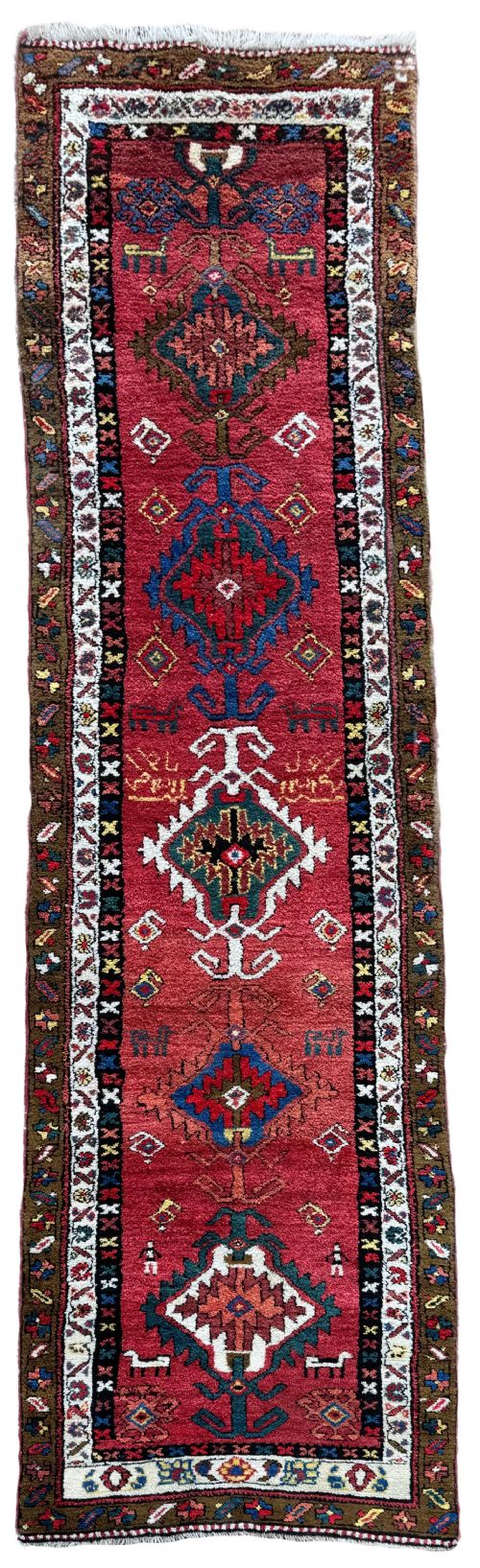
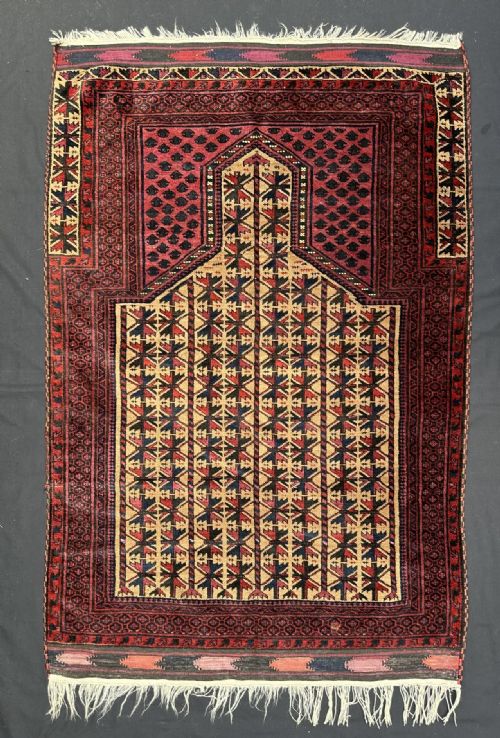
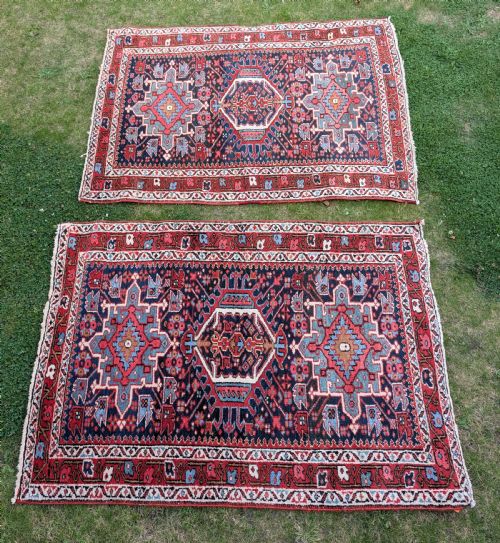
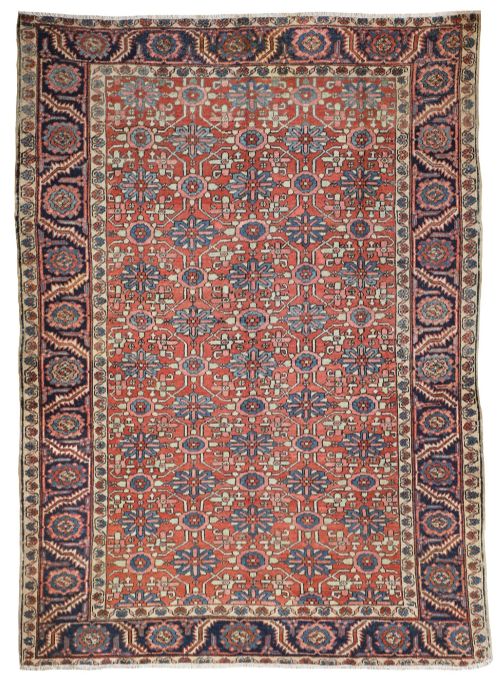
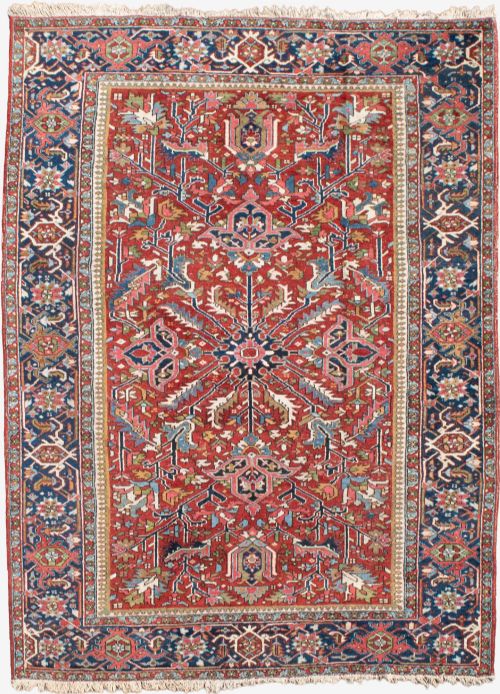
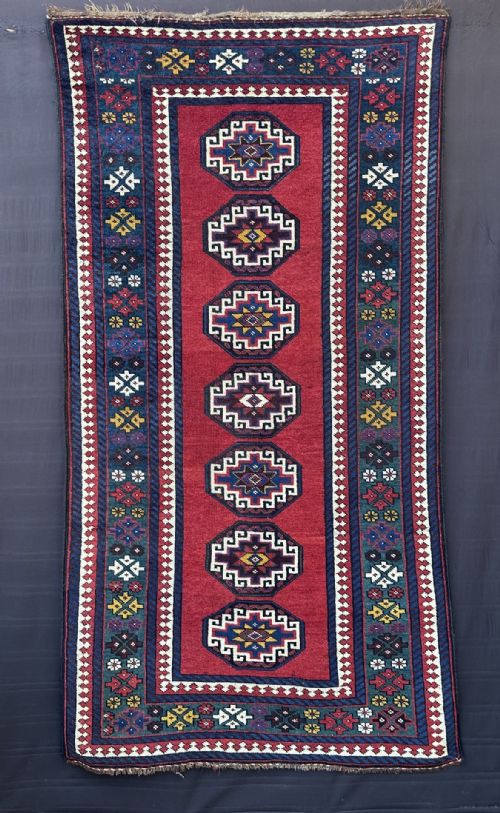
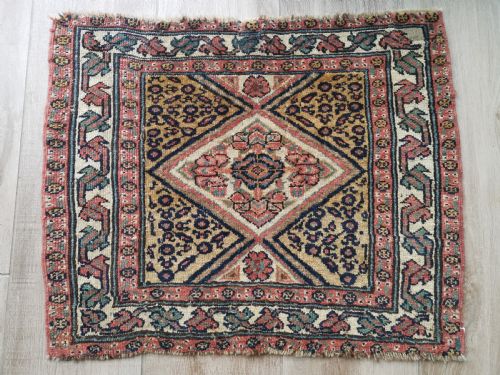
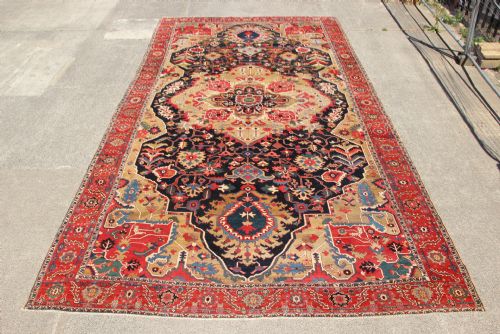
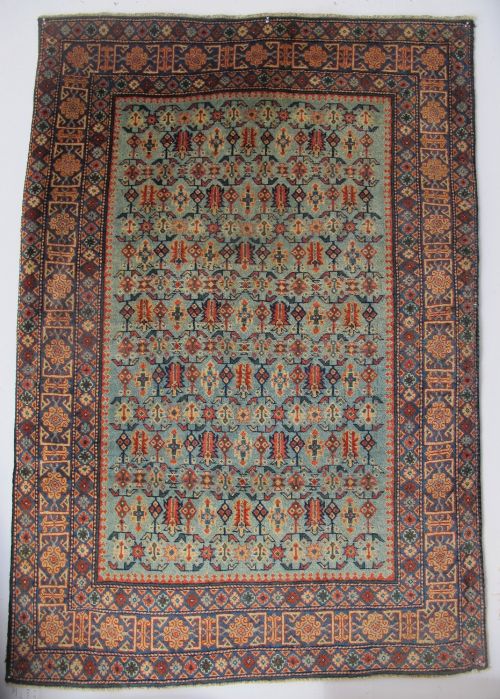
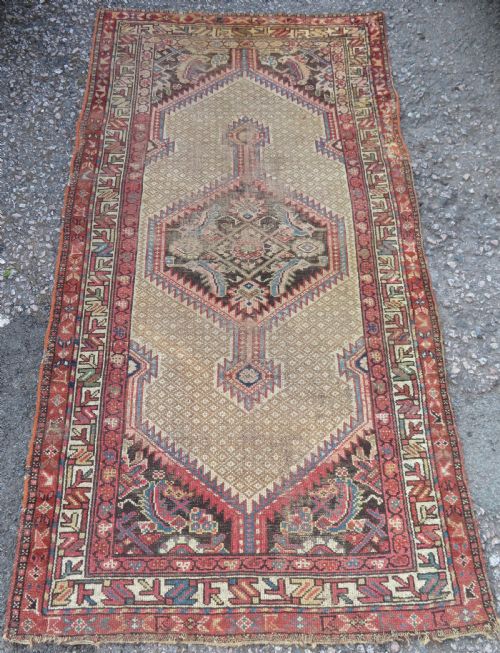
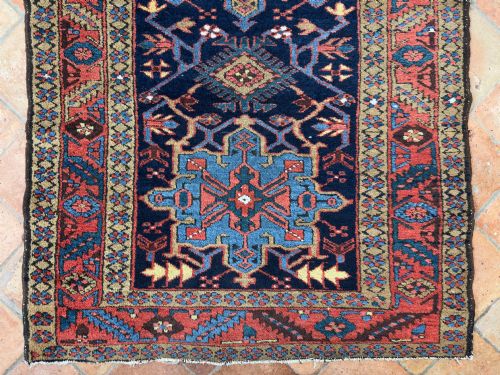
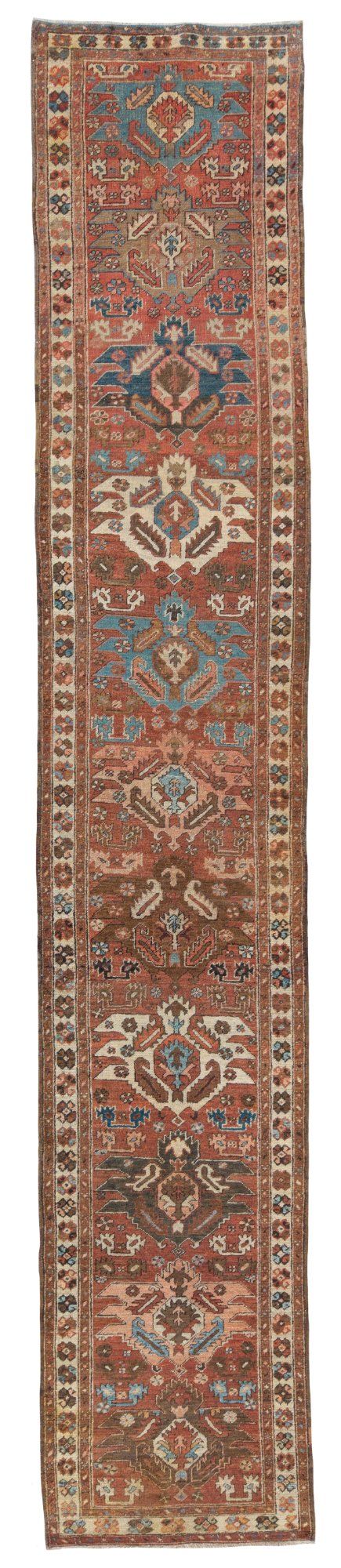
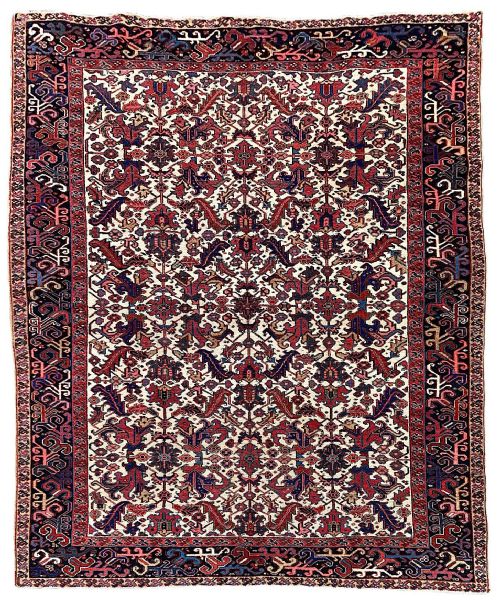
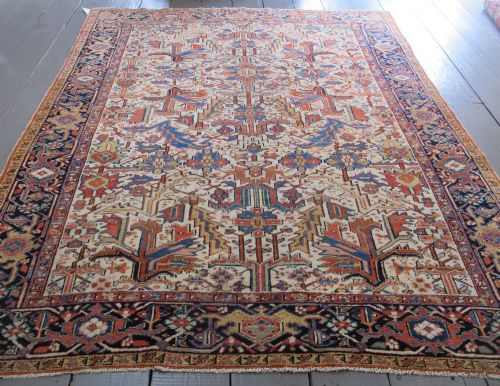
When searching for a northwest persian wool rug, buyers encounter floor coverings originating from renowned weaving centres and tribal regions such as Heriz, Karaja, Tabriz, Bakshaish, and Sarab. These pieces emerge in various formats, ranging from large carpets and room-sized rugs down to smaller scatter rugs, runners, bagfaces, and prayer rugs.
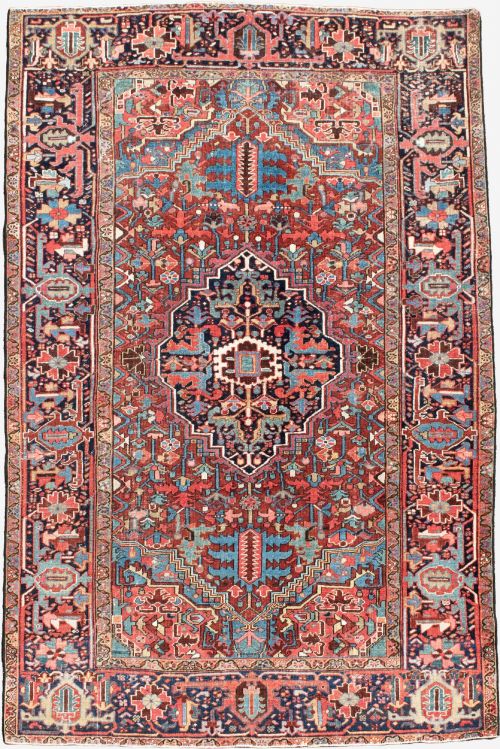
The version most commonly met on this page is the Heriz carpet or runner, typically dating from the late nineteenth century to the early twentieth century. Alongside these, specific tribal outputs like Kelardasht or Timuri pieces appear, reflecting the diverse weaving traditions of the region's borderlands and villages.
Materials and construction
The construction relies fundamentally on wool pile knotted tightly onto a foundation of cotton, sometimes incorporating hand-spun wool or camel hair for natural colour variation. This combination provides the heavy, durable structure necessary for domestic longevity.
Weavers employed hand-knotting techniques to execute geometric medallions, all-over patterns, and tribal motifs, using natural dyes that yield rich terracotta, indigo, and ivory tones across the surface.
Regional attributions include Heriz, Tabriz, Karaja, Bakshaish, Sarab, and tribal Timuri borderland traditions.
Distinctions in quality
Quality in these textiles rests upon the fineness of the knotting and the crispness of the drawn geometric design, where tighter structures yield sharper lines in medallions and borders. The integrity of the wool pile and the balance of the natural palette also dictate the visual depth of the piece.
The handling of secondary materials, such as a sturdy cotton warp or supple camel hair accents, separates standard village weaving from exceptionally fine workshop or tribal output.
The Northwest Persian Wool Rug Glossary
- Warp
- The vertical threads stretched lengthwise on the loom that form the base of the rug. The exposed warps often show at the ends as a short fringe.
- Weft
- The horizontal threads passed across the warps between rows of knots to bind the structure together. In many regional rugs, the weft uses cotton.
- Medallion
- A large central ornamental design motif placed in the middle of the field. Heriz and Serapi carpets frequently feature a bold geometric version of this element.
- Bagface
- The decorated front panel of a utilitarian tribal storage sack, woven separately and later removed. These survive as small, highly concentrated examples of village design.
- Prayer rug
- A small format textile featuring a mihrab or niche design, historically used for daily devotion. These pieces direct the worshipper's focus through pointed arch motifs.
Northwest Persian Wool Rug: Frequently Asked Questions
How do I place a runner in a hallway?
Runners fit narrow spaces such as corridors and entryways to protect flooring and add warmth. Ensure the length allows for adequate clearance at doorways while centring the piece along the walkway.
Underlay helps keep the wool structure stable on wooden or tiled floors. This prevents sliding and cushions the heavy pile against daily foot traffic.
What is the difference between Heriz and Serapi carpets?
Serapi carpets represent an earlier, bolder subset of Heriz weaving, typically characterised by more open fields and spacious geometric medallions. They often date to the nineteenth century and display a refined, monumental aesthetic.
Standard Heriz pieces from later decades tend towards denser overall patterning and slightly tighter geometric formats. Both share the durable cotton warp and wool pile typical of northwest Persian production.
How should I clean my antique rug?
Regular gentle vacuuming without a rotating beater bar removes surface dust before it settles into the wool foundation. Professional antique textile cleaning is recommended for deeper maintenance to protect natural dyes.
Avoid excessive moisture and harsh chemical treatments which damage the hand-spun wool. Prompt blotting handles accidental spills without disturbing the tight knots.
Where were Karaja rugs made?
Karaja rugs originate from the village of Karaja in northwest Persia, situated near Heriz. The weavers produced distinct geometric runners and smaller formats with characteristic repeating motifs.
These village pieces utilise robust wool and saturated palettes tailored for domestic utility. Their sturdy construction sets them apart from finer urban workshop carpets.
Can I use these carpets in a modern interior?
The geometric designs and earthy wool tones complement contemporary furniture and minimalist spaces alike. Their scale anchors seating areas and introduces historical texture to plain flooring.
Placing them in moderate-traffic zones balances preservation with daily enjoyment. The muted vegetable dyes blend naturally with diverse decorative schemes.