




Hand Knotted Heriz Carpet
A hand knotted heriz carpet brings robust Persian geometry and enduring wool warmth into a room.
Hand Knotted Heriz Carpet
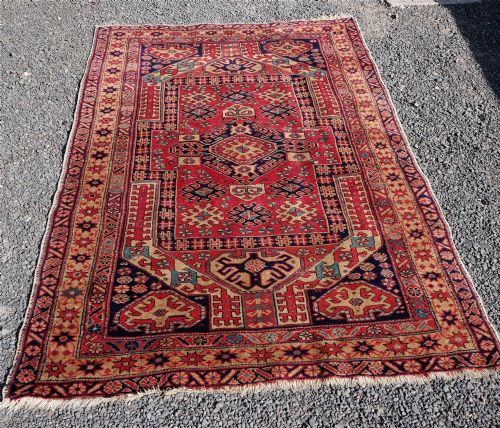
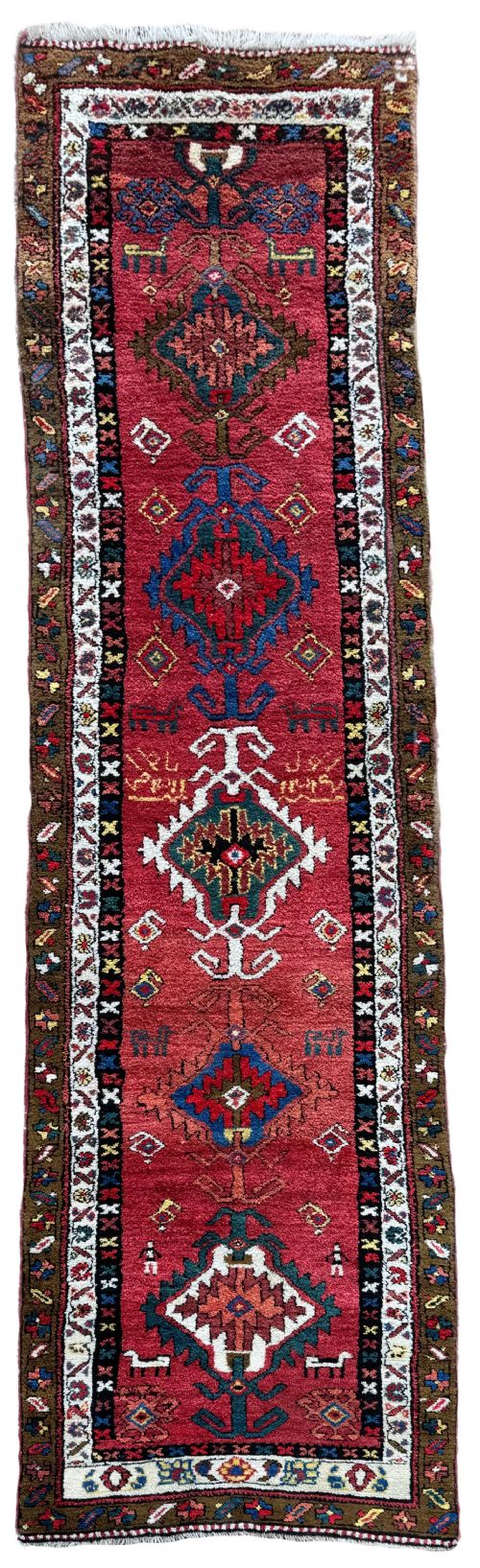
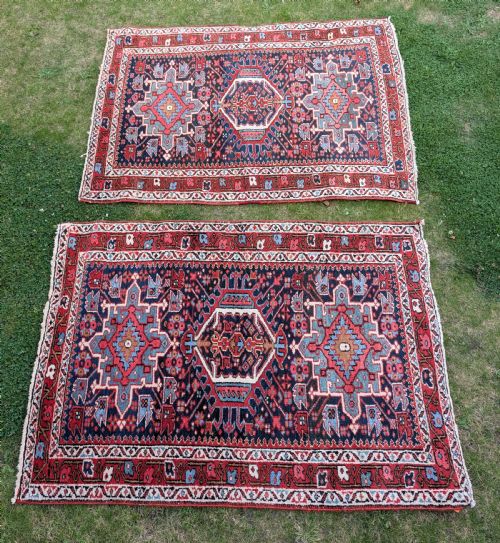
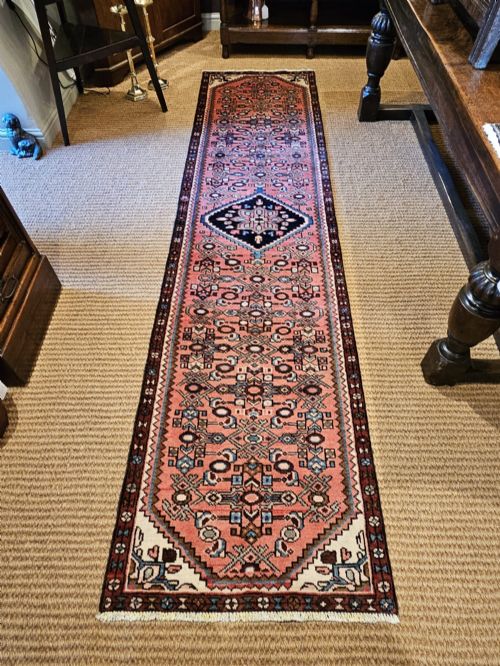
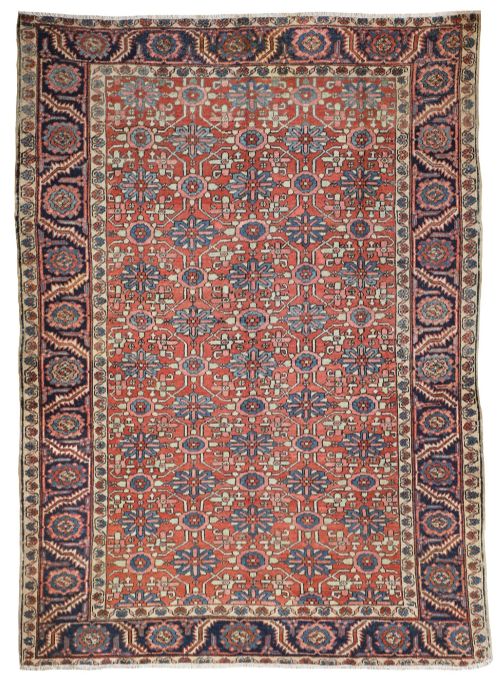
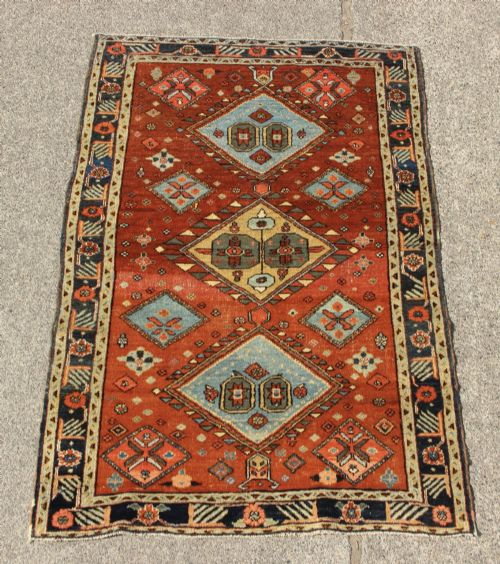
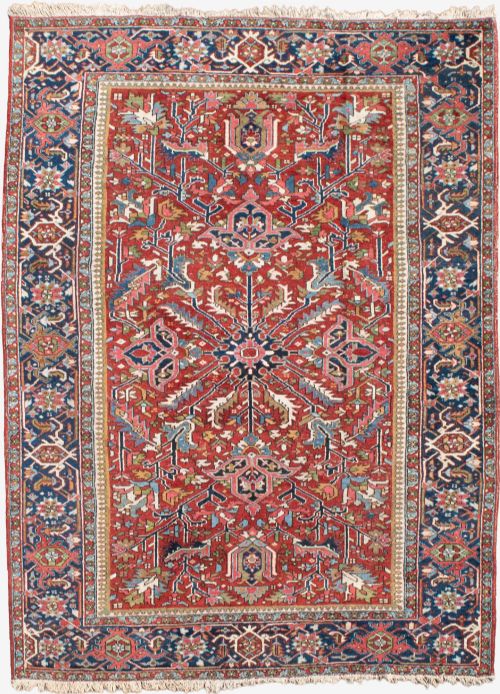
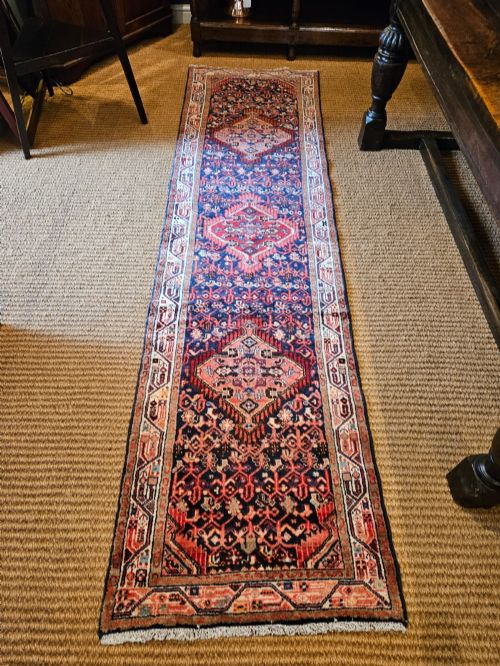
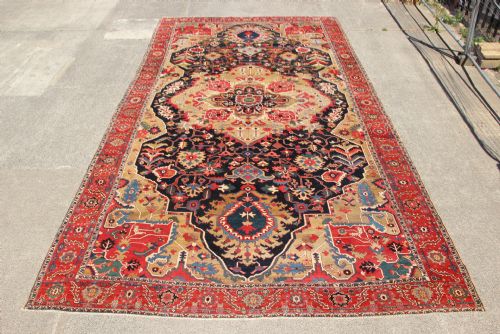
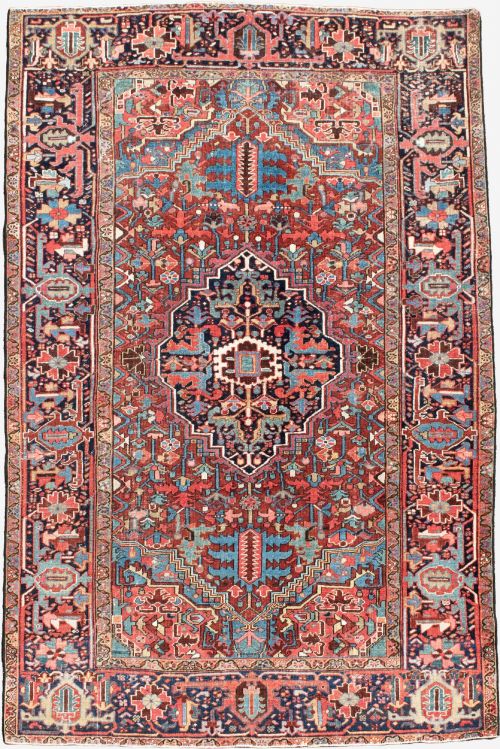
A hand knotted heriz carpet originates from north-west Persia, taking its name from the town of Heris and the surrounding weaving villages. These floor coverings emerge in several distinct formats, including substantial room-sized carpets, elongated runners for hallways, and smaller scatter rugs.
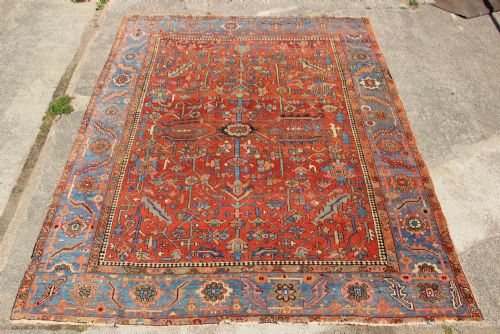
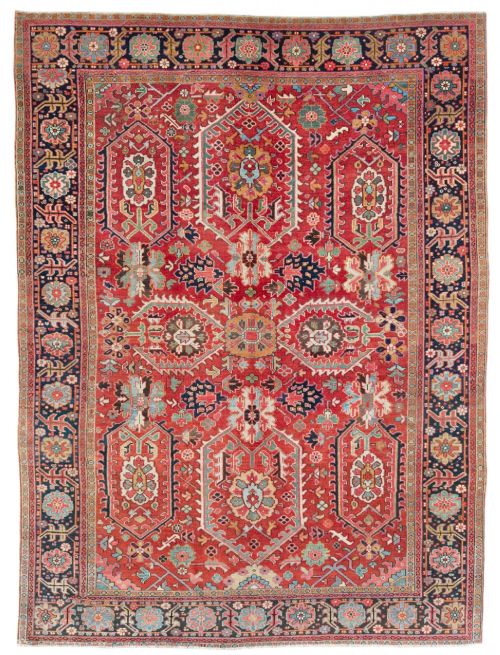
The specimens seen here span from the late nineteenth century through to the early decades of the twentieth century, encompassing related regional styles such as Serapi, Bakshaish, Karaja, and Ahar. Buyers encounter both large geometric carpets with bold central medallions and smaller runner formats suited to transitional spaces.
How they were made
Weavers constructed each piece using wool piles knotted onto sturdy cotton foundation warps and wefts, a combination that provides structural stability and resilience. The reliance on durable local wool grades ensures the dense pile withstands generations of foot traffic while retaining structural integrity.
Natural dye stuffs yielded the deep terracotta, ivory, and sky blue grounds characteristic of the region, creating balanced palettes that mellow gracefully over decades of light exposure.
Listings span production dates from the 1850s through to the 1930s, utilising durable wool and cotton materials across runner and carpet formats.
What varies in quality
The fineness of the knotting and the complexity of the geometric drawing dictate the upper tiers of quality, separating standard village production from exceptionally finely executed workshop pieces. Finer knot densities allow crisper definition within the angular medallions and secondary flower motifs.
The harmony of the palette and the clarity of the abrash - the subtle tonal shifts in the wool dye - distinguish superior examples, alongside the integrity of the original outer borders.
The Hand Knotted Heriz Carpet Glossary
- Abrash
- Natural variations of shade within a single colour field, caused by changes in dye batches or hand-spun wool lots. This tonal gradation is a hallmark of traditional vegetable dyeing.
- Medillion
- A large central ornamental design motif placed in the middle of the carpet field. In Heriz weaving, this element frequently adopts a bold, angular geometric polygon.
- Warp
- The vertical foundation threads stretched tightly on the loom before knotting begins. Cotton serves as the standard material for these structural elements in the region.
- Weft
- The horizontal threads passed alternately over and under the warp strands after each row of knots is tied. This process secures the pile rows firmly in place.
- Serapi
- A sub-style of Heriz carpet from the nineteenth century, known for more open compositions and a sophisticated, slightly more restrained palette.
Hand Knotted Heriz Carpet: Frequently Asked Questions
Where were these carpets made?
These floor coverings originate from the Heris region and surrounding towns in north-west Persia. Weavers in local villages and workshops produced them across the nineteenth and early twentieth centuries.
Production extended into nearby districts such as Karaja, Ahar, and Bakshaish, sharing similar wool materials and geometric design traditions.
How do I care for a vintage carpet?
Protect the wool pile by placing a suitable underlay beneath the carpet to prevent slipping and reduce friction against the floor. Vacuum gently using suction only, avoiding rotating brush bars that can pull at the vintage fibres.
Rotate the rug periodically to ensure even exposure to foot traffic and sunlight. Professional cleaning by a specialist in antique textiles remains essential every few years.
What is the difference between a Heriz and a Serapi?
A Serapi represents an earlier, typically nineteenth-century style associated with the Heriz region. These pieces often feature more spacious, open central medallions and a finer, more luminous palette.
Standard Heriz carpets from later decades tend towards denser geometric drawing and heavier, more robust overall structures.
Are these carpets suitable for hallways?
Longer formats and runner sizes specifically suit hallways, landings, and narrow transition spaces. The dense wool pile and sturdy cotton foundation provide the durability required for areas with frequent foot traffic.
Checking the exact dimensions ensures the piece clears door swings and fits comfortably within the corridor width.