


Northwest Persian Runner Rug
When you search for a northwest persian runner rug, you are looking at resilient tribal floor coverings made for long hallways.
Northwest Persian Runner Rug
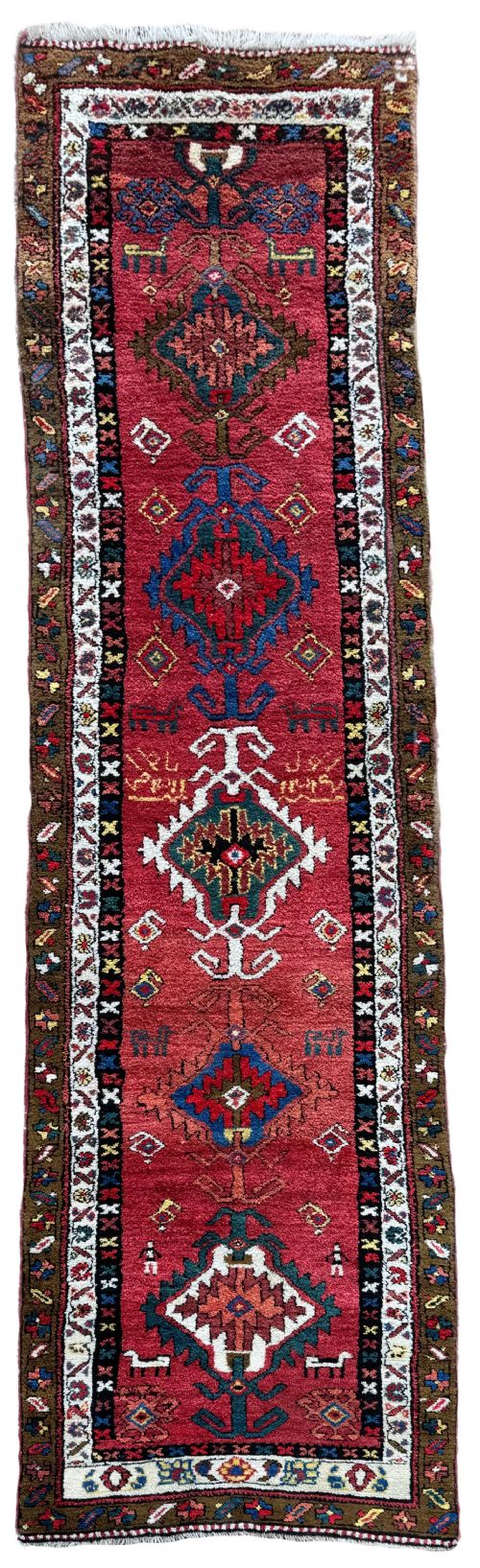
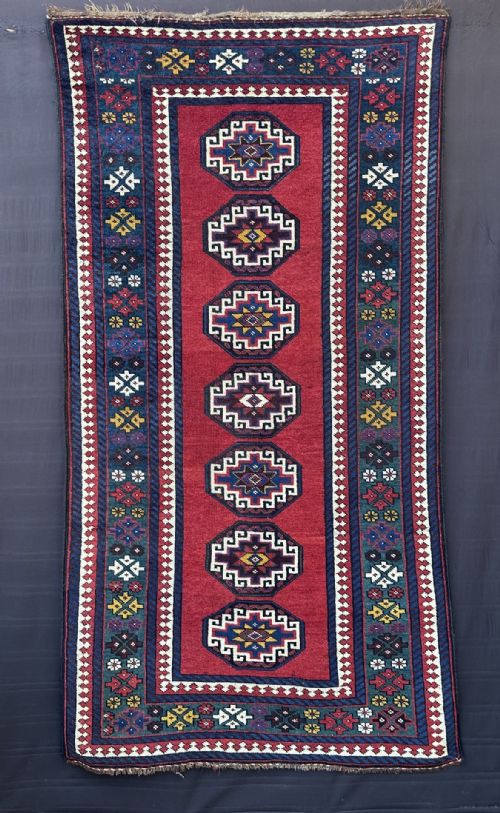
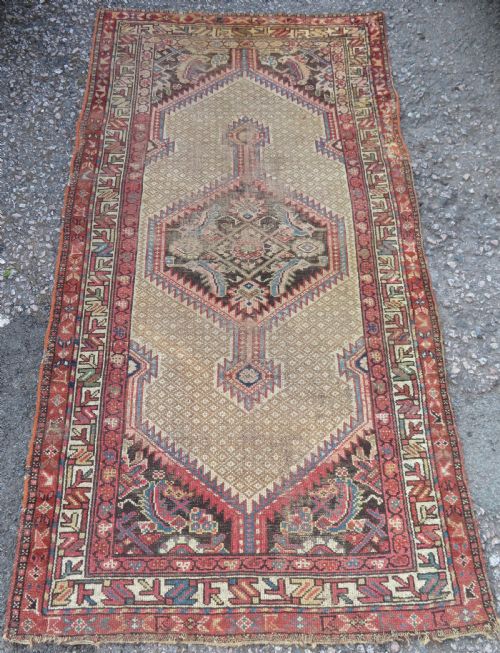
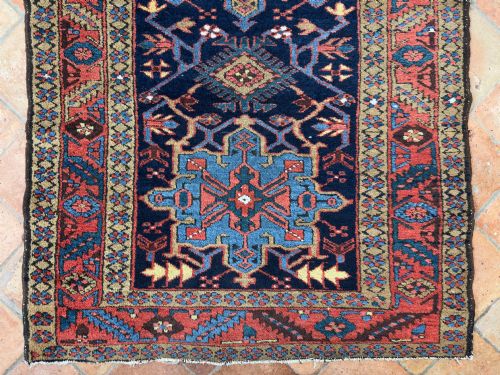
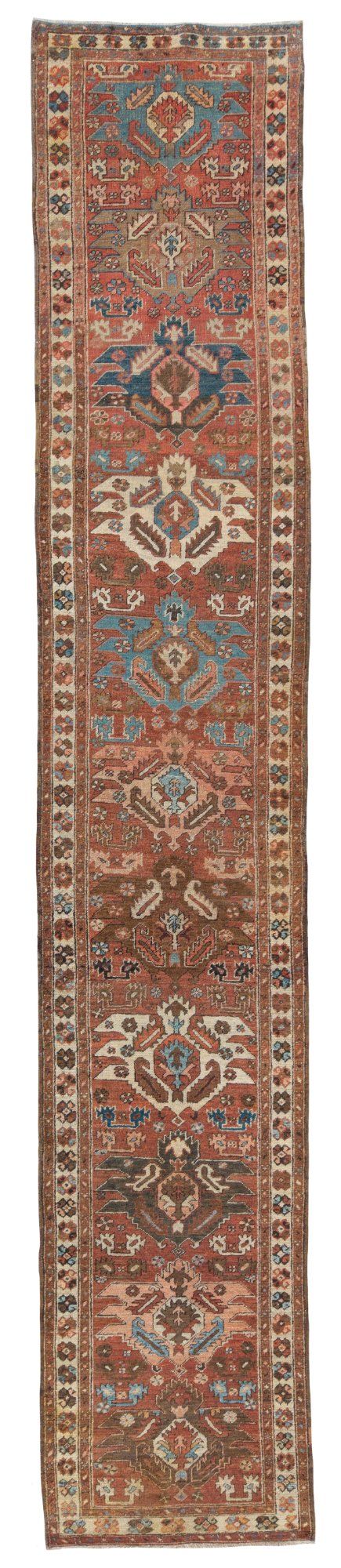
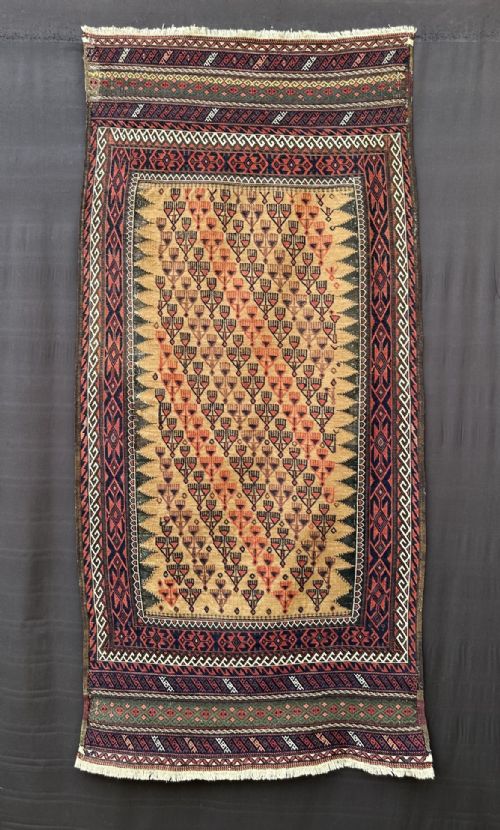
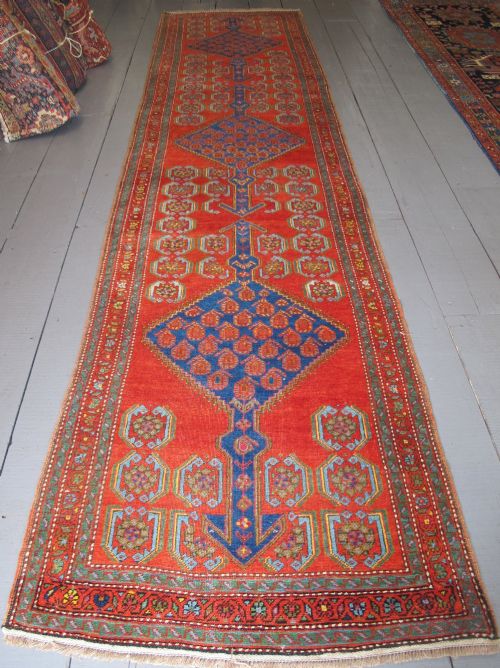
A northwest persian runner rug is a long, narrow floor covering originating from northern and western weaving districts such as Heriz, Karaja, Sarab, and Bakshaish. These pieces were made by village and tribal weavers to furnish corridors, entryways, and narrow rooms in traditional homes.
The format is characterised by an elongated rectangular proportion designed specifically for foot traffic in hallways. You will frequently encounter village productions featuring geometric medallions and tribal motifs woven during the late nineteenth and early twentieth centuries.
Makers utilised regional naming conventions derived from specific towns, tribes, or weaving centres rather than individual artist signatures. Each district brought distinct palette choices and structural rigidity to the finished carpet.
How they were made
Weavers constructed these runners using hand-spun wool for the pile, providing both resilience and a rich surface texture that wears gracefully over decades. Cotton was frequently employed for the warp and weft threads, creating a stable grid that held the geometric designs in place.
Selected examples incorporated natural camel hair into the pile or border details, offering a soft, undyed tone that contrasts with dyed wool sections. Natural dyestuffs produced deep madder reds, indigos, and earthy yellows that mellow softly as the textile ages.
Listings span the periods from 1870 through 1920, incorporating wool, cotton, and camel hair across multiple village styles.
What varies in quality
Quality in a northwest persian runner rug lies in the density of the knotting and the precision of the geometric layout. Tightly packed wool piles ensure the structural integrity of the piece remains sound under heavy corridor use.
The clarity and saturation of the natural dyes separate standard village weaving from finer workshop productions. A balanced proportion between the central field and the surrounding borders indicates deliberate design planning by the weaver.
The Northwest Persian Runner Rug Glossary
- Runner
- A long, narrow carpet format designed primarily for corridors, staircases, and narrow hallways. It guides movement through domestic spaces.
- Warp
- The stationary vertical threads stretched onto the loom before weaving begins. The pile knots are tied around these foundational strings.
- Weft
- The horizontal threads passed alternately over and under the warp threads to lock the rows of knots securely in position.
- Medallion
- A symmetrical central ornament placed in the middle of the rug field. It serves as the primary focal point of the geometric design.
- Sofreh
- A flatwoven or piled spread used traditionally for dining or food preparation. These textiles often feature tribal iconography distinct from standard floor rugs.
Northwest Persian Runner Rug: Frequently Asked Questions
Where were these runners used?
These long carpets were traditionally placed in hallways, corridors, and long transitional spaces within village homes. Their narrow proportions protected wooden floorboards in high-traffic areas.
They also served to insulate stone or packed earth floors against cold draughts during winter months.
How do I care for my rug?
Regular gentle vacuuming without a rotating brush helps remove embedded dust from the wool pile. Professional cleaning by a specialist in antique textiles preserves the lanolin in the fibres.
Keeping the textile out of direct sunlight prevents the natural dyes from fading unevenly over time.
Are camel hair details common?
Undyed camel hair appears in specific village productions, particularly from regions like Sarab. It provides a soft, warm brown tone that contrasts with brighter reds and blues.
As the wool ages, natural camel hair can become slightly more brittle than sheep's wool due to the fibre's inherent characteristics.
What defines tribal village designs?
Village weavers relied on memory and traditional motifs passed down through generations rather than pre-drawn cartoon patterns. This resulted in charming geometric abstractions and spontaneous colour shifts.
Heriz and Karaja productions often display bold, angular medallions with strong structural framing along the borders.