


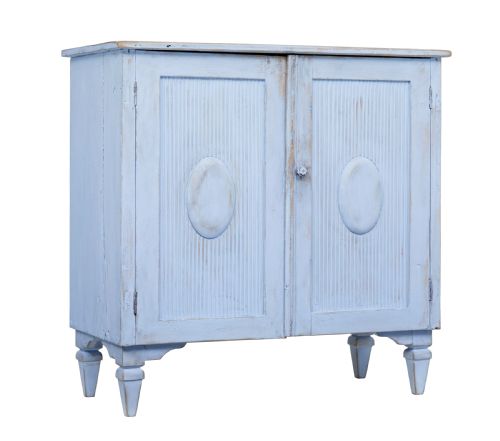


Nordic Painted Furniture
Nordic painted furniture brings pale pine, rustic charm, and clean lines into a room, offering functional storage and seating with historical character.
Nordic Painted Furniture
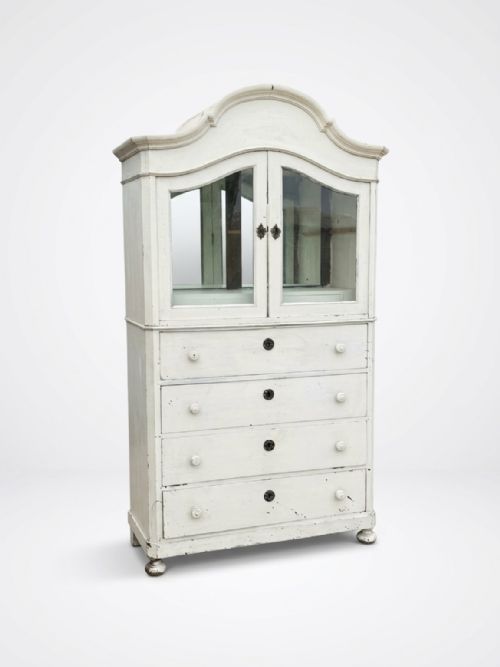
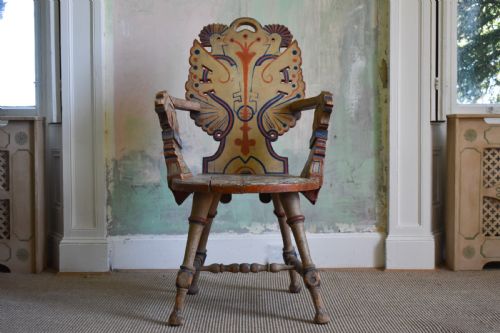
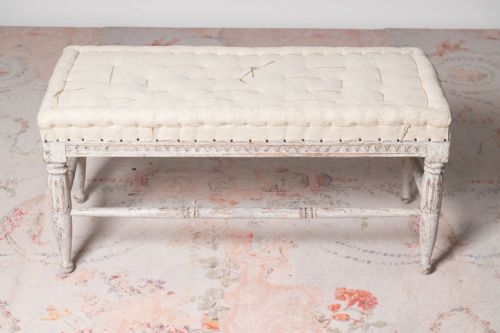
Nordic painted furniture encompasses 19th-century items originating from Sweden and wider Scandinavia, featuring cabinet work, seating, and tables. These pieces include cupboards, commodes, armchairs, benches, and console tables created in styles ranging from Gustavian elegance to rural folk art. Buyers seeking this aesthetic will find painted pine surfaces and traditional forms suited to period and contemporary interiors alike.
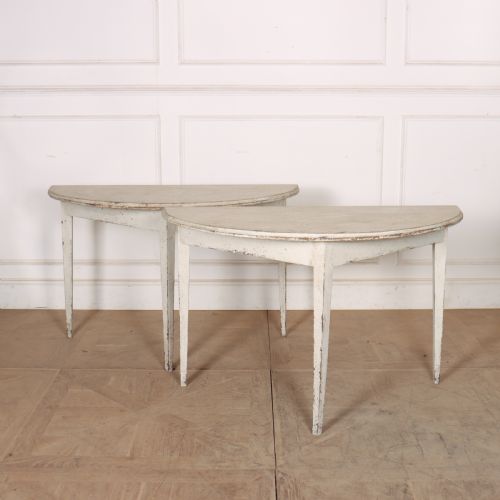
The selection here draws heavily on 19th-century craftsmanship, including specific dates such as eighteen-eighty and nineteen-hundred alongside Victorian eras. Forms vary from sturdy bakers tables and bonnet top cabinets to delicate demi-lune console tables and enfilades. Each object reflects northern European traditions of applying layered paint finishes to native softwoods.
How they were made
Makers constructed these items primarily from solid pine and painted wood, joined using traditional carpentry techniques suitable for domestic utility. Iron and brass hardware such as hinges, handles, and latches secured doors and drawers on cupboards and chests. Glass panels occasionally appeared in upper cabinet doors, while linen sometimes formed part of interior fittings.
Surface decoration relies on applied paint, with certain examples retaining original scraped paint finishes that reveal earlier layers of colour. Artisans worked within distinct regional aesthetics, applying simple pigments or sophisticated finishes that defined Scandinavian country and folk art traditions.
Pine and painted wood dominate the material palette, supported by iron and brass fittings alongside occasional glass and linen elements.
What varies in quality
Quality in these items rests upon the integrity of the original timber construction and the preservation of authentic surface finishes. Pieces featuring untouched scraped paint demonstrate greater historical authenticity than those stripped or heavily recoated during later centuries. Structural refinement also separates utilitarian rustic benches from more ambitious architectural cabinets and console tables.
Proportion and regional style dictate the visual success of each item, distinguishing standard workshop production from exceptional folk art pieces. The harmony between the original paint layer and the underlying pine joinery defines the enduring appeal of successful examples.
The Nordic Painted Furniture Glossary
- Scraped paint
- A conservation term for a painted surface where later decorative layers are carefully removed to expose the original historic colour underneath. This technique reveals the authentic palette chosen by the initial maker.
- Demi-lune
- A half-moon shape commonly applied to console tables designed to stand flat against a wall. Such tables often appear in pairs within Swedish interiors.
- Enfilade
- A suite of pieces or a long cabinet designed to stand in a row along a wall. These server-style items provided substantial storage in grander Nordic dining spaces.
- Gustavian
- The Swedish neoclassical style spanning the late eighteenth and early nineteenth centuries. It brings restrained classical proportions and lighter painted finishes to practical furniture forms.
- Bonnet top
- An arched or hooded upper section characteristic of certain tall cupboards and cabinets. This curved pediment softens the vertical lines of utilitarian storage furniture.
Nordic Painted Furniture: Frequently Asked Questions
How do I clean painted pine?
Dust surfaces regularly with a soft, dry cloth to prevent dirt accumulation on historic paint layers. Avoid harsh chemical cleaners or excess moisture, which can damage aged finishes.
Test any mild cleaning solution on a hidden area first if deeper cleaning becomes necessary. Gentle care preserves the original surface patination accumulated over the centuries.
What is Gustavian style?
Gustavian design is Sweden's interpretation of neoclassical French aesthetics, characterised by lighter proportions and symmetrical lines. It emerged during the late eighteenth century and influenced Scandinavian furniture production for decades.
This style contrasts with heavier rustic folk art pieces through its restrained classical motifs and pale monochrome paintwork. It remains popular for creating bright, balanced interior spaces.
Can I use these cupboards daily?
These 19th-century cupboards and cabinets suit everyday domestic storage when handled with reasonable care. Their sturdy pine construction was originally intended for practical, long-term household use.
Ensure shelves are not overloaded and place them away from direct heat sources to protect the timber and paint. Regular use connects modern homes with the traditional utility of northern European craft.
How do I date antique painted furniture?
Dating relies on examining construction methods, timber types, and the composition of the paint layers. Machine-cut nails, visible tool marks, and hardware styles offer clues to the period of manufacture.
Comparing forms with documented examples from the 19th century helps narrow down the origin. Regional variations in Scandinavian folk art further assist in establishing an approximate date.