

Nomadic Woven Wall Hanging
A nomadic woven wall hanging brings the geometric brilliance and rich textile heritage of tribal weavers directly into modern interiors.
Nomadic Woven Wall Hanging
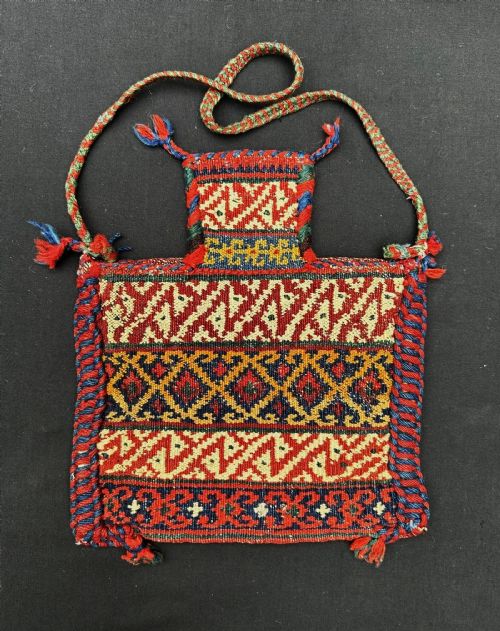
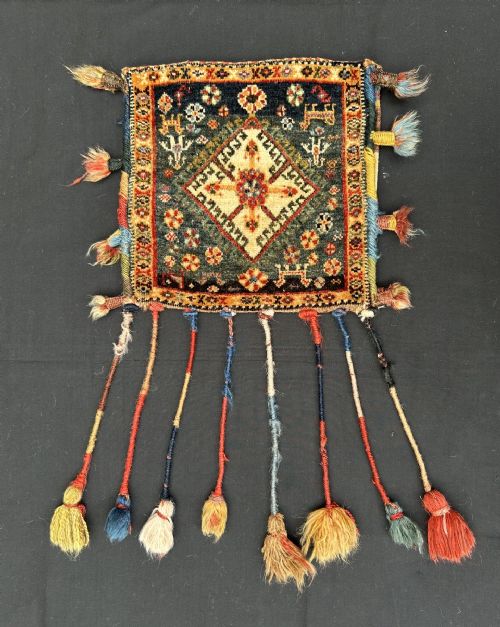
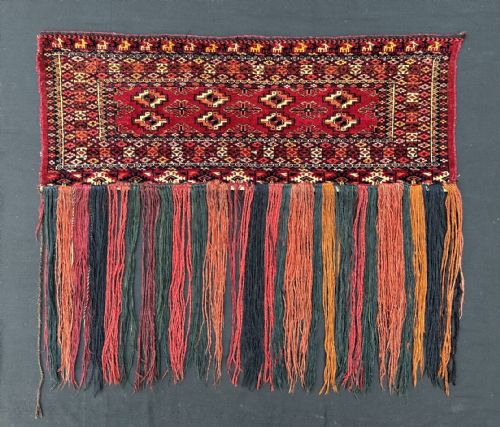
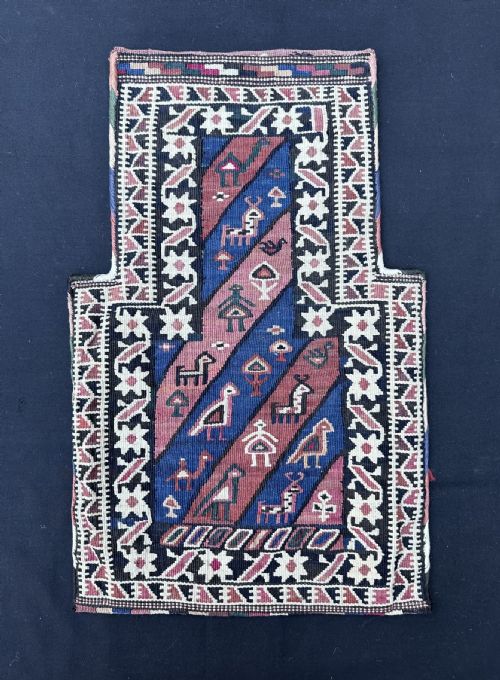
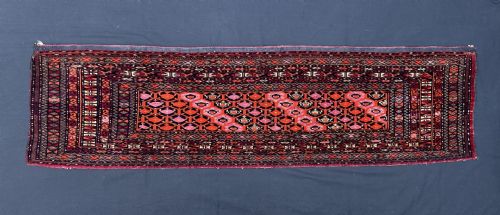
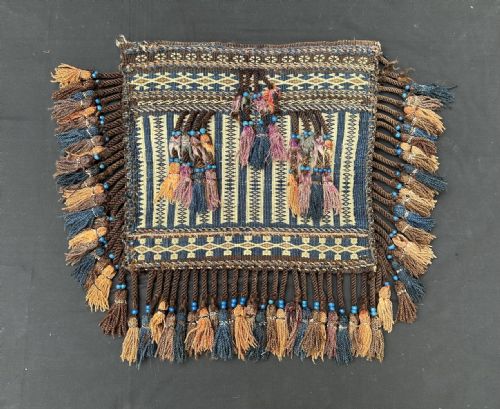
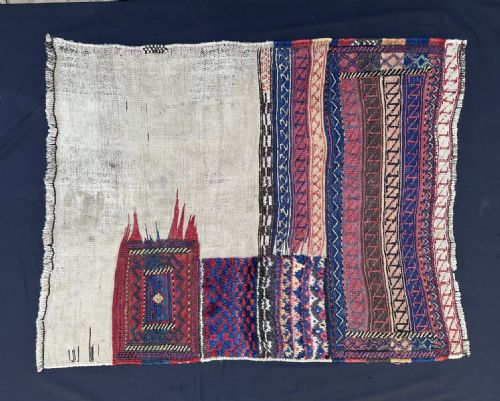
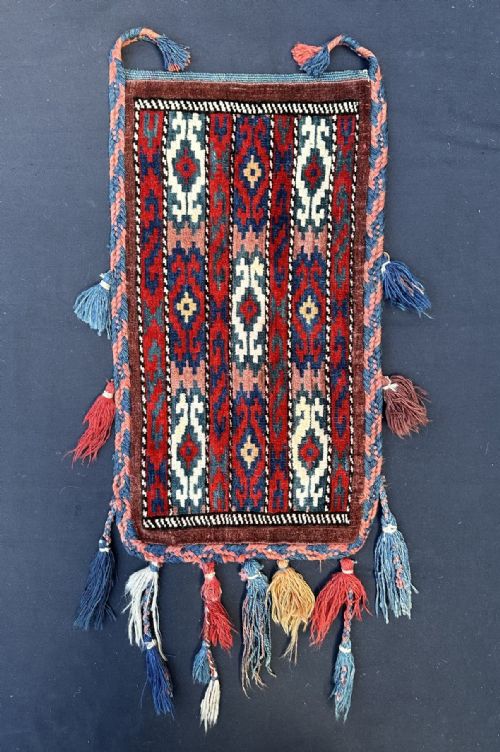
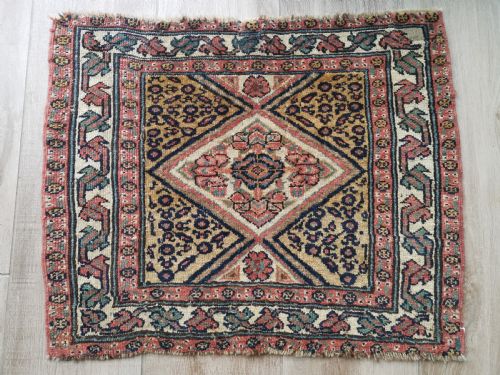
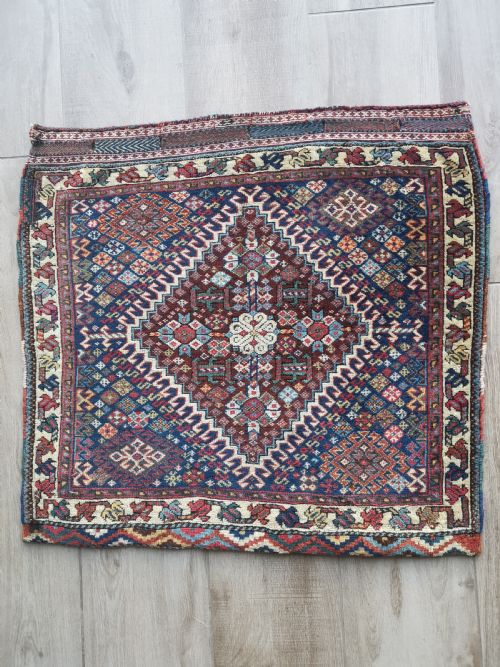
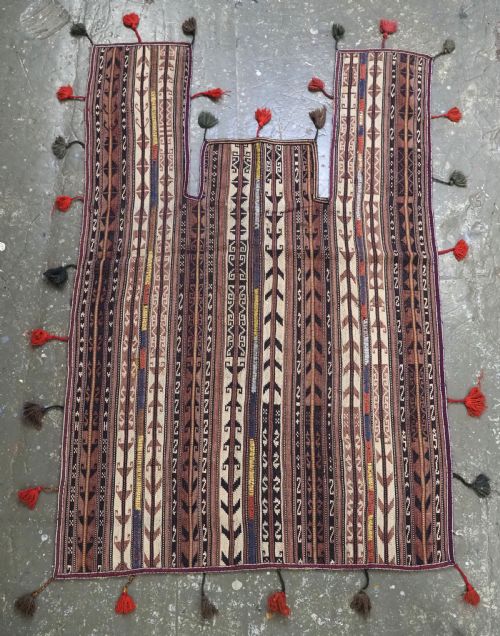
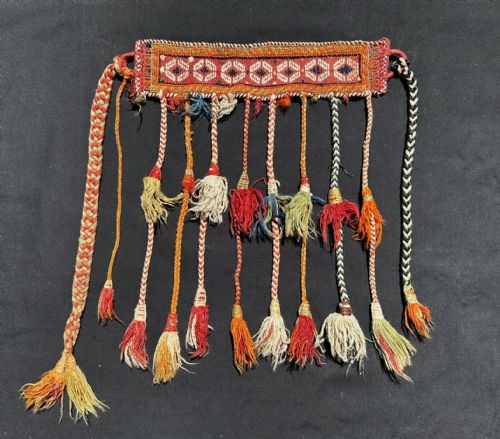
A nomadic woven wall hanging comprises utilitarian items such as storage bags, salt bags, animal trappings, and covers repurposed for display. These pieces originate from tribal confederacies and nomadic groups across Persia, Central Asia, and Afghanistan, dating primarily from the late nineteenth and early twentieth centuries.
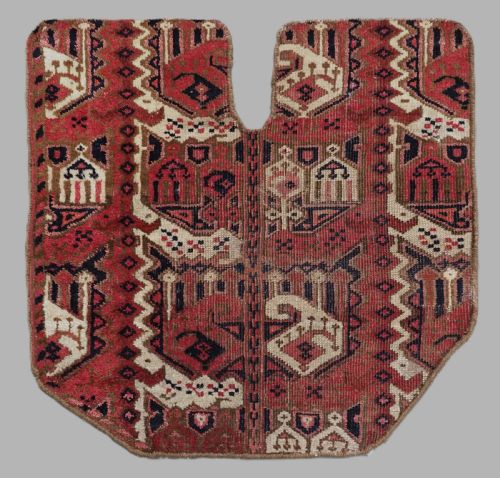
The objects meeting this description most frequently on this page are bagfaces, saddle covers, and tent trappings originally fashioned by groups including the Qashqai, Turkmen, Baluch, and Afshar. Their diverse forms reflect the functional domestic and pastoral needs of the communities that produced them.
Makers utilised traditional motifs passed down through generations, yielding distinct regional patterns that denote specific tribal affiliations. Displaying these textiles allows collectors to appreciate the historical breadth of tribal weaving traditions within domestic spaces.
Materials and Construction
Weavers constructed these pieces predominantly using hand-spun wool for its durability and resilience. Natural dyes provided the deep, stable palette observed across the textiles.
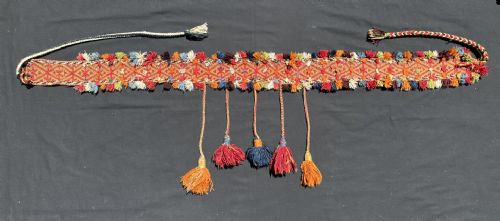
Additional materials such as cotton, leather, glass beads, and cowrie shells occasionally accented the woolen foundations, particularly on functional bags and animal decorations. The careful manipulation of these elements ensured both structural integrity and aesthetic complexity.
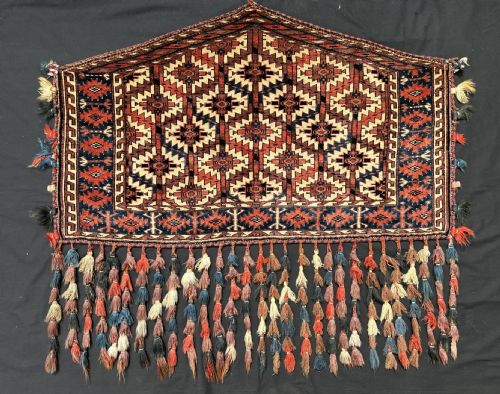
Camels wore elaborate woven decorations to impress wedding guests.
Evaluating Quality and Execution
Quality in these textiles depends heavily on the fineness of the weave and the precision of the tribal motifs. Tighter knots and denser structures generally indicate superior craftsmanship by the weaver.
The depth and consistency of natural dyes further distinguish finer examples from standard work. Well-preserved original tassels and complete structural integrity elevate the overall standing of an individual piece.
The Nomadic Woven Wall Hanging Glossary
- Bagface
- The decorative front panel of a utilitarian tribal bag, detached and preserved for display. These panels usually display the most intricate geometric patterns.
- Sofreh
- A flatwoven spread utilised for dining or handling bread within nomadic households. They exhibit striking minimalist or geometric compositions.
- Asmalyk
- A pentagonal trapping mounted on the flanks of a camel during wedding processions. Yomut and other Turkmen tribes wove these elaborate decorative pieces.
- Jollar
- A wide tent-hanging produced by Turkmen tribes to line the interior of a yurt. They feature repeating gul motifs across a horizontal format.
- Chanteh
- A small tribal vanity or personal bag carried by nomads. These compact pieces demonstrate concentrated examples of tribal weaving skill.
Nomadic Woven Wall Hanging: Frequently Asked Questions
What is a nomadic woven wall hanging?
A nomadic woven wall hanging is a repurposed tribal textile, such as a bagface, saddle cover, or tent trapping, created by pastoral groups. These items were originally made for functional daily use or ceremonial occasions in regions like Persia and Central Asia.
Today, collectors mount these woven pieces on walls to showcase their intricate geometric patterns, natural dyes, and historical tribal artistry.
How do I hang an antique textile safely?
Hanging an antique textile safely requires distributing the weight evenly across the entire upper edge to prevent distortion of the wool fibres. Methods often involve stitched cotton sleeves paired with a padded wooden slat or specialised archival Velcro systems.
Direct sunlight and heavy tension should be avoided to protect the fragile hand-spun wool and natural dyes from fading and physical strain.
How do I identify tribal patterns?
Identifying tribal patterns involves examining the specific geometric motifs, border arrangements, and colour palettes characteristic of different weaving groups. Turkmen weavers often utilise repeating octagonal gul motifs, while Qashqai designs frequently incorporate bold medallions and animal figures.
Regional variations in materials, such as the inclusion of specific shell or beadwork, provide further clues to the origin of the textile.
What period do these textiles date from?
The textiles available here date primarily from the nineteenth and early twentieth centuries, spanning periods from the eighteen-fifties through the nineteen-twenties. This era represents a peak period for traditional nomadic weaving before commercial synthetic dyes became widespread.
Each piece reflects the prevailing aesthetic and cultural practices of specific tribal groups operating during those decades.