

Nomadic Woven Tribal Rug
A nomadic woven tribal rug carries the geometric patterns and practical history of pastoral life across Persia, the Caucasus, and Central Asia.
Nomadic Woven Tribal Rug
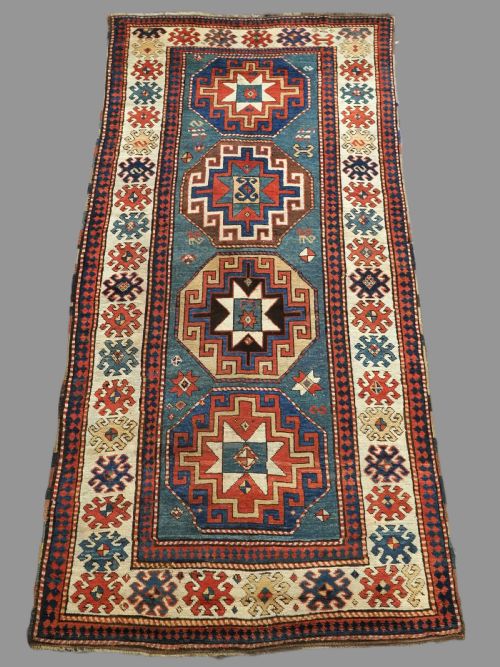
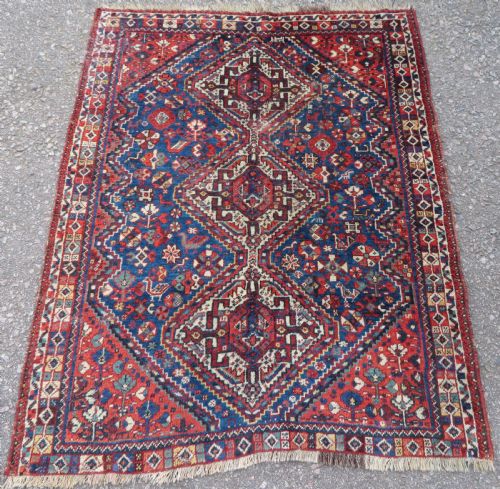
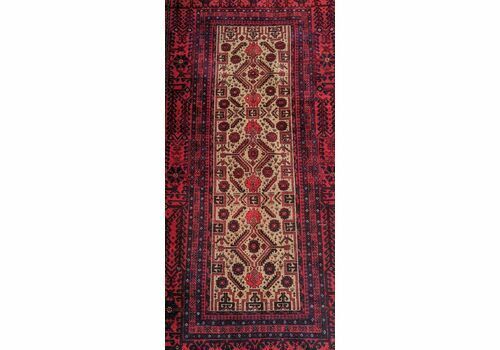
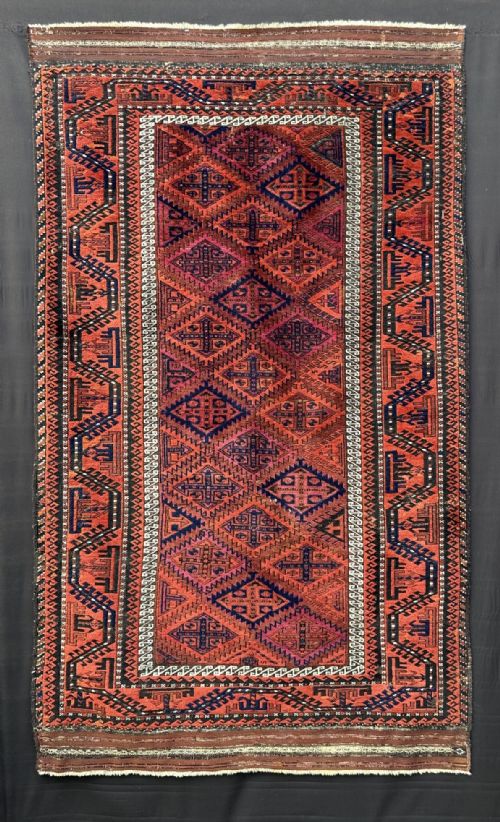
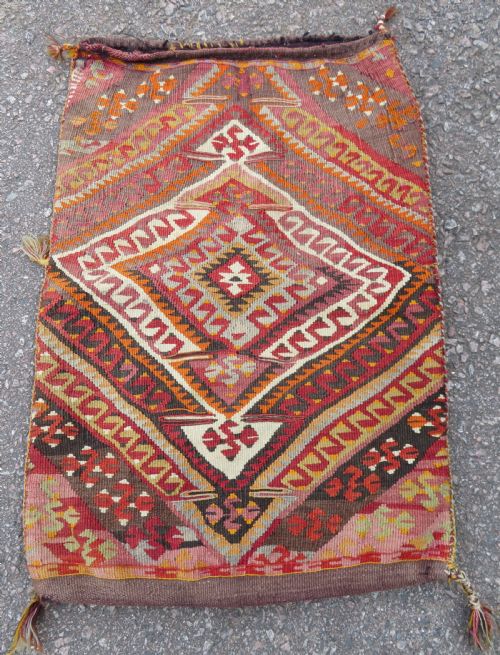
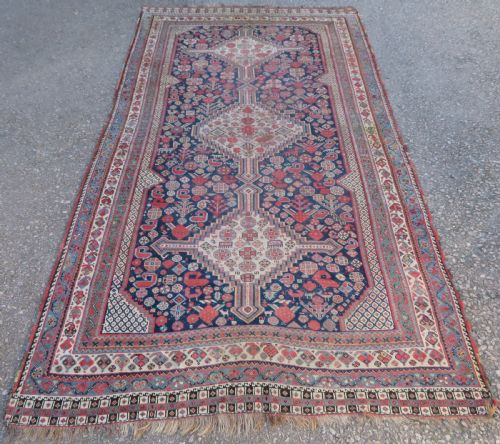
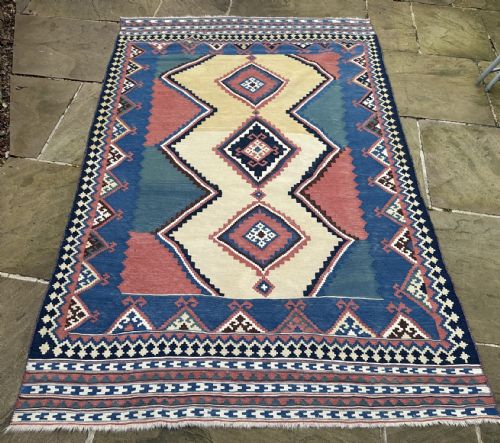
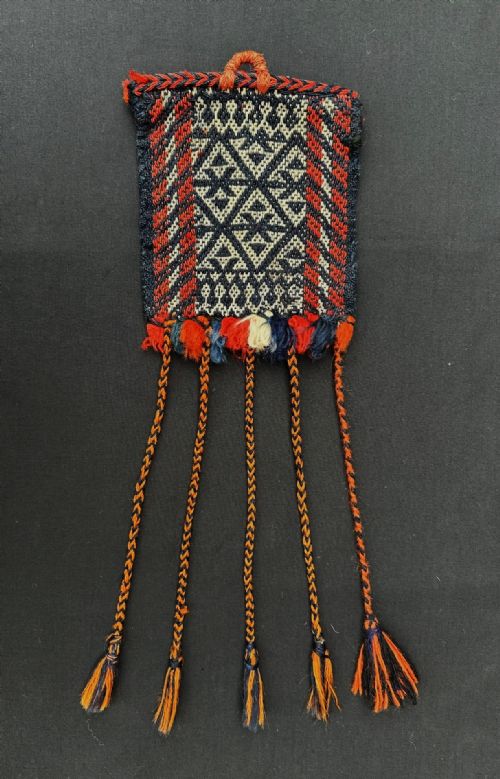
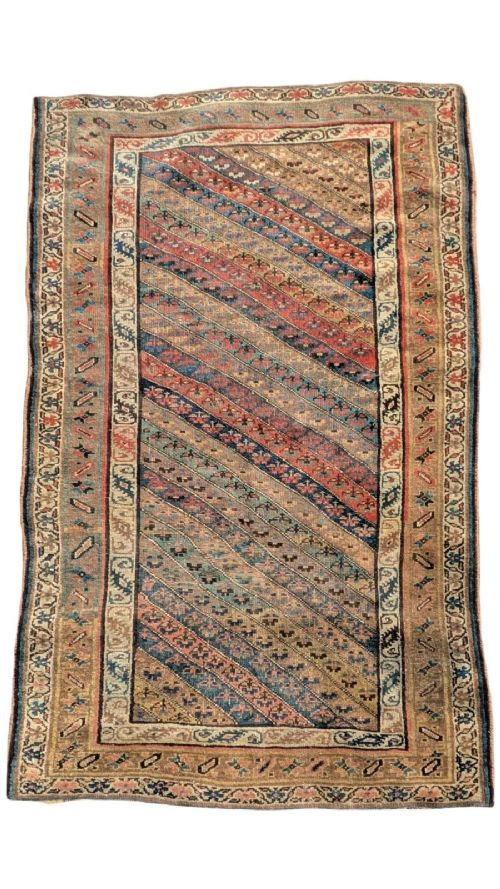
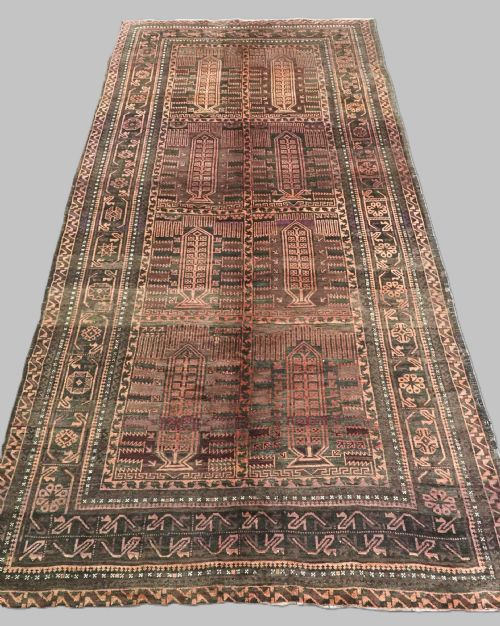
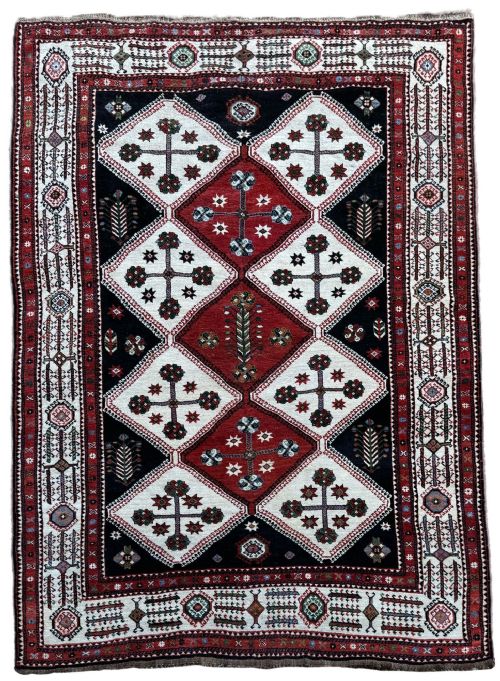
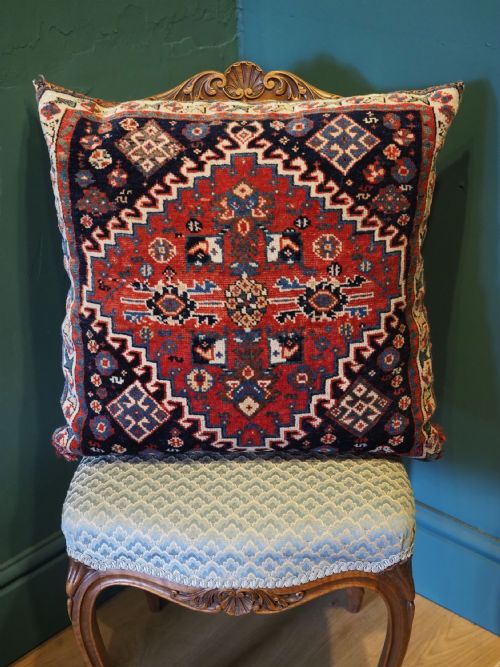
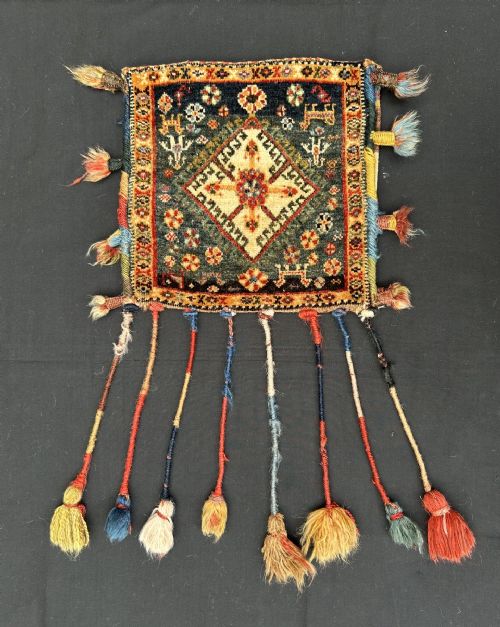
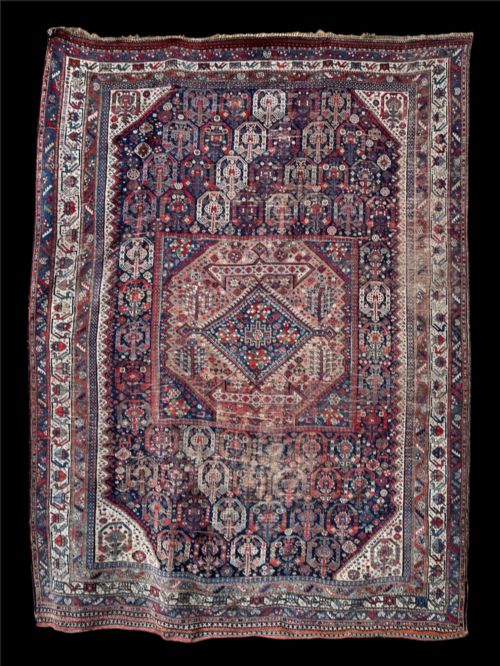
A nomadic woven tribal rug encompasses both large floor coverings and smaller utilitarian items made by pastoral groups for daily camp and travel use. When exploring this phrase, buyers encounter floor carpets alongside functional containers such as salt bags, saddlebags, vanity bags, and tent door hangings.
The objects originate from specific tribal confederacies and nomadic groups, including the Qashqai, Afshar, Khamseh, Shahsevan, Lori-Bakhtiari, and various Turkmen tribes like the Yomut and Teke. These pieces reflect the distinct regional aesthetics and weaving traditions of Persia, Anatolia, the Caucasus, and Central Asia.
Practical utility dictated the creation of these textiles, which served as horse covers, storage sacks, sleeping rugs, and camel bags. Surviving examples range from diminutive bagfaces and spindle bags to room-sized carpets woven on portable ground looms.
How they were made
Weavers relied primarily on hand-spun wool for both the foundation warps and the plush pile, often supplementing the wool with cotton for structural stability. Natural dyes provided the deep reds, blues, and earthy tones found across these textiles.
Nomadic makers integrated decorative embellishments directly into the functional items, incorporating materials such as leather, cowrie shells, and glass beads. Portable horizontal ground looms allowed weavers to produce these carpets and storage bags during seasonal migrations.
Materials recorded in inventory include hand-spun wool, cotton, leather, cowrie shells, and glass beads.
What varies in quality
The handling of materials dictates the baseline quality, separating tightly packed, resilient hand-spun wool piles from looser, brittle structures. Natural dye saturation creates depth and variation across the field, whereas uniform or flat colour indicates later chemical dying methods.
Structural integrity and the precision of geometric tribal motifs distinguish finer examples from standard utility pieces. The complexity of regional designs, such as intricate Turkmen guls or multi-tiered Persian medallions, reflects the weaver's technical skill and artistic command.
The Nomadic Woven Tribal Rug Glossary
- Khorjin
- A paired saddlebag used for transport during nomadic migrations. These items were woven as a single piece and folded over an animal's back.
- Asmalyk
- A pentagonal trapping hung on the flanks of a camel during Turkmen wedding processions. They display characteristic tribal guls and geometric borders.
- Gapylyk
- A tent door hanging placed at the entrance of a nomadic yurt. These architectural textiles often feature specific protective motifs.
- Gul
- An octagonal or medallion-like motif repeated across Turkmen carpets to identify specific tribal lineages. Each clan utilised distinct variations of these primary crests.
- Warps
- The vertical threads stretched taut on a loom that form the structural foundation of the textile. Weft threads pass horizontally between them to secure the knots.
Nomadic Woven Tribal Rug: Frequently Asked Questions
What is a nomadic tribal bag?
Nomadic tribes produced small woven containers to transport personal items, salt, and household goods during seasonal migrations. These functional objects share the same knotting techniques and regional wools as larger floor carpets.
Collectors prize these bags for their concentrated geometric designs and survival of original backings, fringes, or leather elements.
How do I identify Turkmen tribal rugs?
Turkmen rugs originate from Central Asian oases and steppes, featuring characteristic repeating octagonal guls on deep madder-red grounds. Tribes such as the Yomut, Teke, and Ersari each employed distinct structural traits and border patterns.
These pieces frequently include specialised forms like kapunuks, asmalyks, and tent door hangings intended for ceremonial and domestic use.
Where were Afshar tribal rugs made?
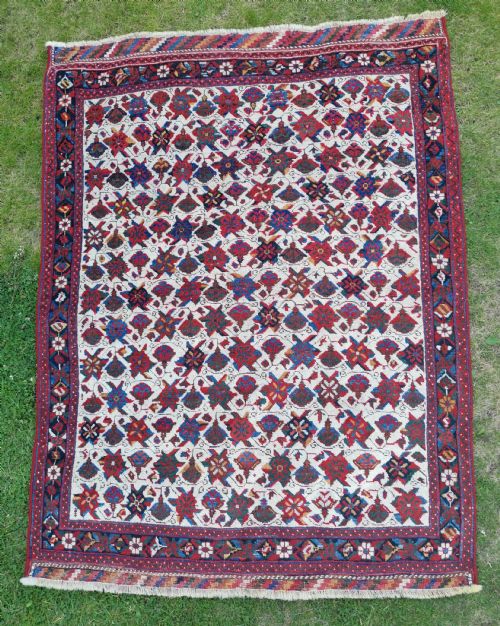
Afshar nomadic and settled groups wove these textiles in the Kerman province of southern Persia. The pieces often incorporate indigo blues, rich reds, and camel hair alongside repeating boteh or geometric medallion layouts.
In addition to floor rugs, the weavers produced practical containers including salt bags, pipe bags, and vanity pouches.
How should I clean an old wool rug?
Gentle surface vacuuming without a rotating brush prevents dust accumulation within the hand-spun wool pile. Professional textile conservators should handle wet cleaning to protect natural dye stability.
Keeping these carpets away from direct sunlight preserves the saturated colours achieved by nineteenth-century dyers.