

Nomadic Woven Rug
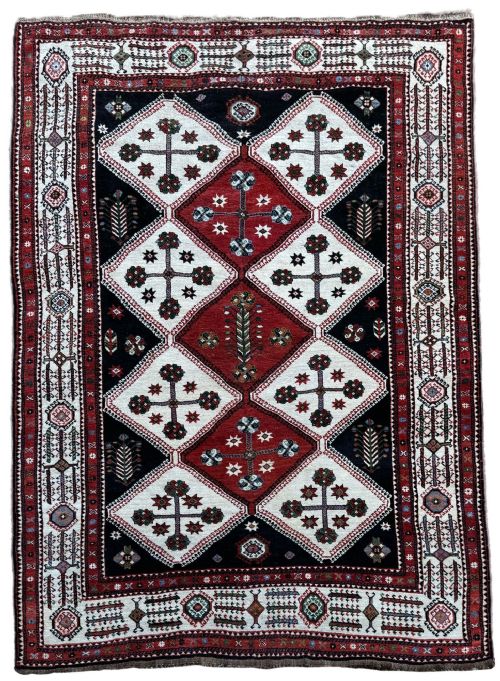
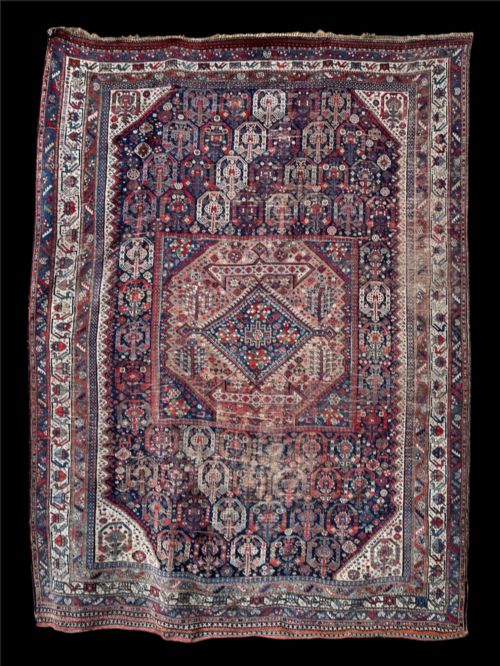
When you search for a nomadic woven rug, you are looking at handmade tribal textiles created across Persia, Central Asia, and the Caucasus during the nineteenth and early twentieth centuries.
Nomadic Woven Rug
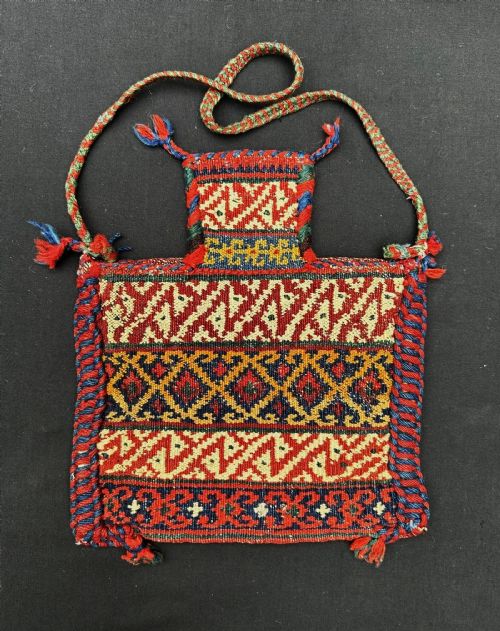
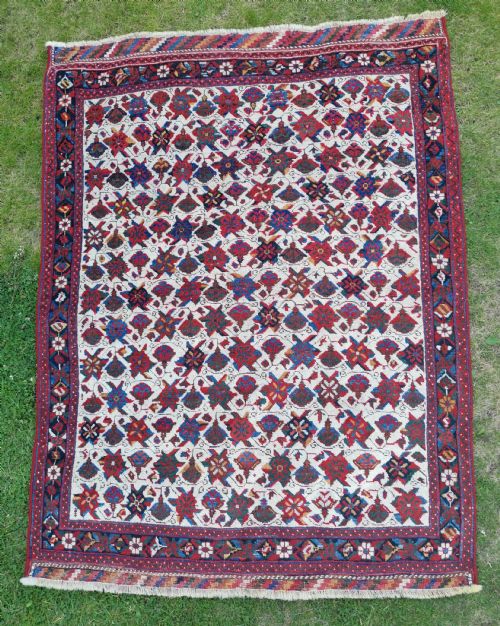
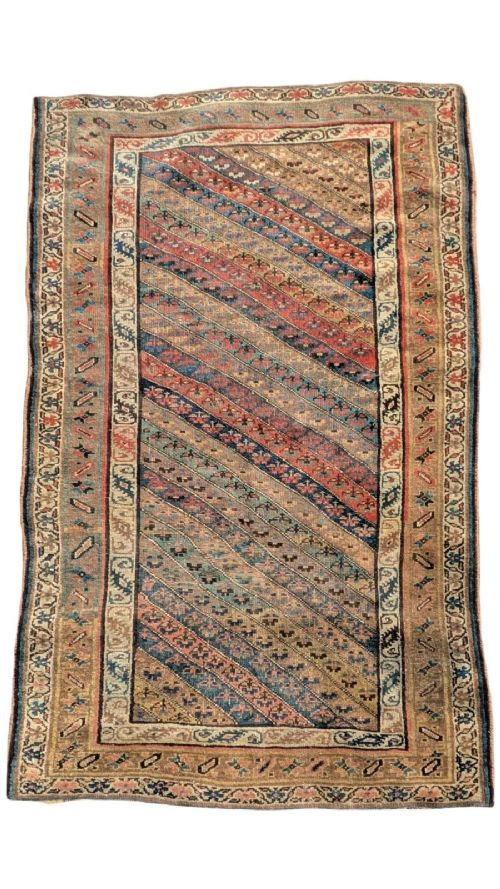
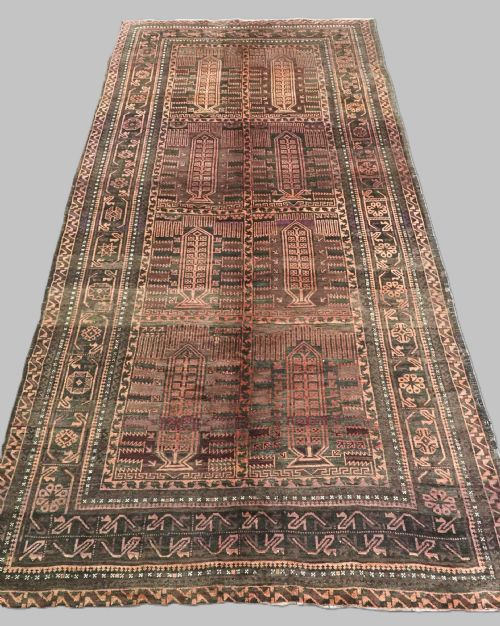
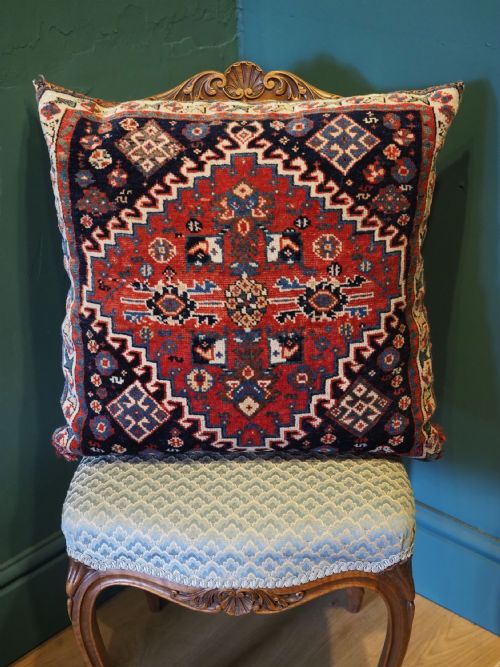
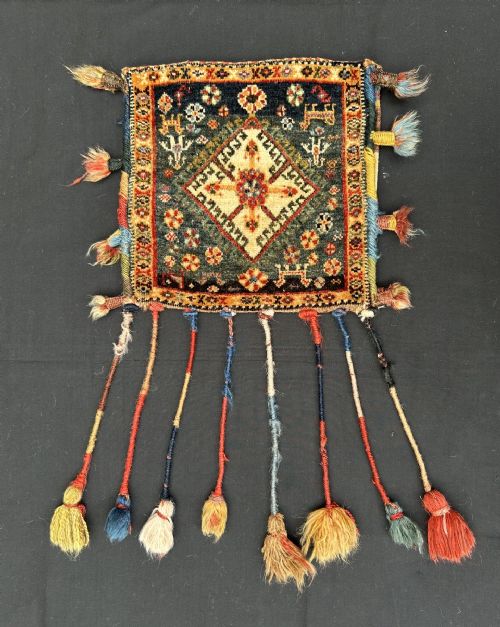
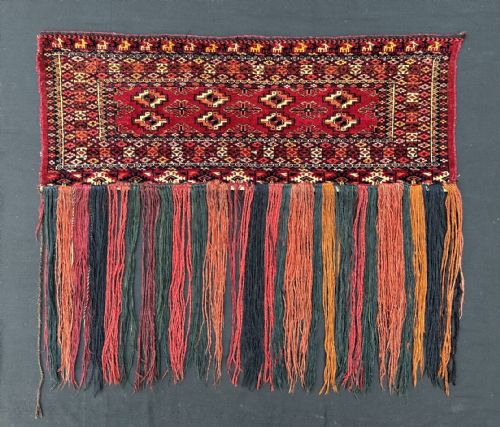
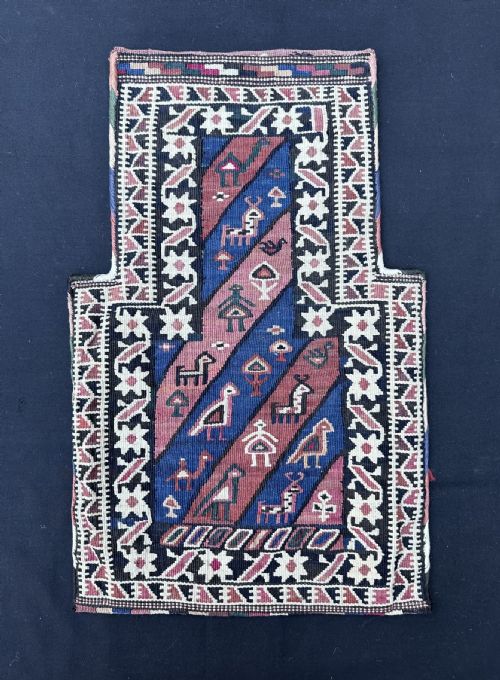
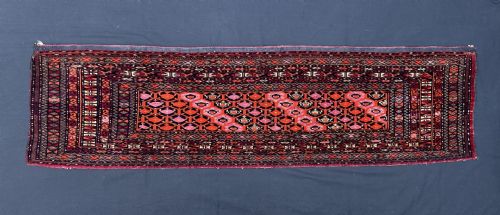
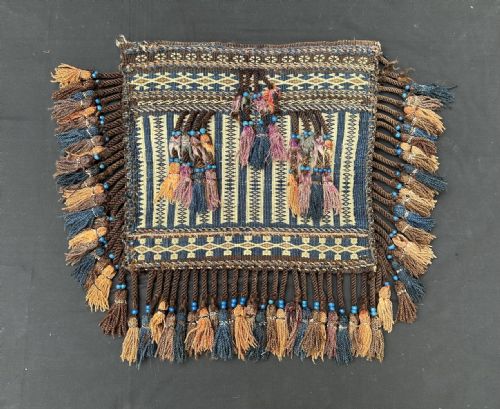
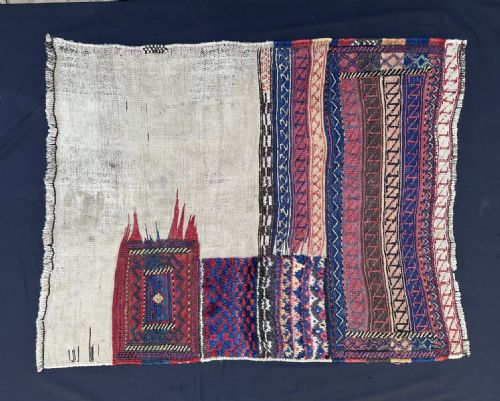
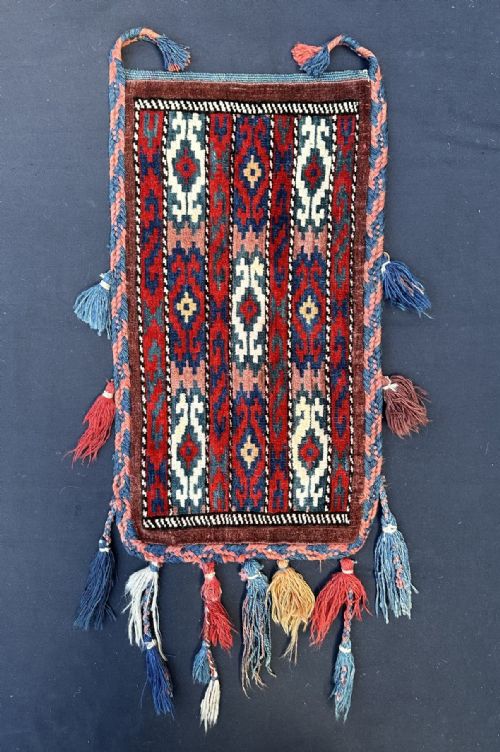
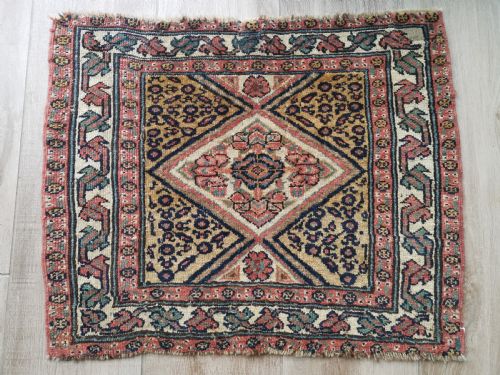
A nomadic woven rug encompasses practical household objects, storage bags, animal trappings, and floor coverings made by tribal confederacies and nomadic groups. When exploring these pieces, you encounter formats ranging from large carpets and area rugs to smaller utility items like salt-bags, saddle bags, and tent door rugs.
The material evidence on this page spans tribal traditions from Persia, Turkmenistan, Afghanistan, and the Caucasus, dating from the mid-nineteenth century through the early twentieth century. Pieces associated with groups such as the Qashqai, Afshar, Khamseh, Yomut, and Ersari demonstrate distinct regional patterns and utilitarian functions.
Many survivors of this tradition served functional roles in nomadic camps before entering collections. You find bags designed for tobacco, pipes, vanity items, and spindles alongside ceremonial horse blankets and wedding rugs.
Assessing quality in tribal weaving
Quality in these textiles rests upon the handle of the wool, the clarity of the natural dyes, and the tightness of the knotting. Finer examples display precise execution of intricate geometric and tribal patterns across the field.
Condition and completeness also influence the standing of a piece, particularly whether original finishes, side cords, and tassels survive intact. The integrity of the foundational weave and the vibrancy of the palette separate standard examples from finer tribal works.
Nomadic Woven Rug Retail Price Guide 2026
Typical asking prices for nomadic woven rug among the pieces listed under this phrase on Sellingantiques today, from the lower quarter to the upper quarter. They describe what is for sale here now, not the wider market.
The listings here span the 1850s to the 1920s, featuring wool, cotton, natural dyes, glass beads, cowrie shells, and leather.
The Nomadic Woven Rug Glossary
- Khorjin
- A double-sided saddle bag used for transport on animals during tribal migrations. These pieces are often separated into individual bagfaces today.
- Kap
- A storage bag utilised within nomadic tents for bedding, clothing, or household goods. They frequently feature detailed pile-woven faces and plain-weave backs.
- Asmalyk
- A ceremonial pentagonal trapping hung on the flanks of a camel during Turkmen wedding processions. These decorative pieces display distinct Gül motifs.
- Gapylyk
- A tent door hanging placed over the entrance of a yurt or nomadic dwelling. They are structured in specific shapes to frame the threshold.
- Tacheh
- A square or rectangular storage container or cover produced by Lori-Bakhtiari nomads. They often serve as grain or general storage sacks in pastoral settings.
Nomadic Woven Rug: Frequently Asked Questions
What is a nomadic woven rug used for?
Nomadic woven rugs and associated tribal trappings served diverse utilitarian functions in daily pastoral life. They functioned as floor coverings, tent dividers, storage containers for personal items, and decorative trappings for horses and camels.
Today, collectors appreciate these textiles as wall hangings, small area rugs, or sculptural objects that bring texture and historic depth to interior spaces.
How do I identify different tribal groups?
Identifying tribal origins involves examining the specific palette, structural format, and characteristic motifs employed in the weave. Different confederacies and regions, such as the Qashqai in Fars or the Yomut in Turkmenistan, utilised distinct design vocabularies and knotting structures.
Reference works and comparative study of known tribal pieces help link specific border designs and colour combinations to particular geographic areas.
Are these rugs made with natural dyes?
The listings record the use of natural dyes across nineteenth and early twentieth-century examples. These colorants interact with hand-spun wool to create subtle tonal shifts and patina over time.
Natural dye palettes vary by region, yielding characteristic reds, blues, and yellows derived from local plants and minerals.
How should I care for an antique tribal bag?
Antique tribal bags and rugs require gentle maintenance to preserve their historic wool and natural dye foundations. Regular light vacuuming without a beater bar removes surface dust, while professional textile conservation prevents further wear.
Keeping pieces away from direct sunlight protects the natural colorants from fading over the years.