





Nomadic Wool Floor Mat
A nomadic wool floor mat brings centuries of tribal heritage into a room, offering rich geometric patterns woven by hand.
Nomadic Wool Floor Mat
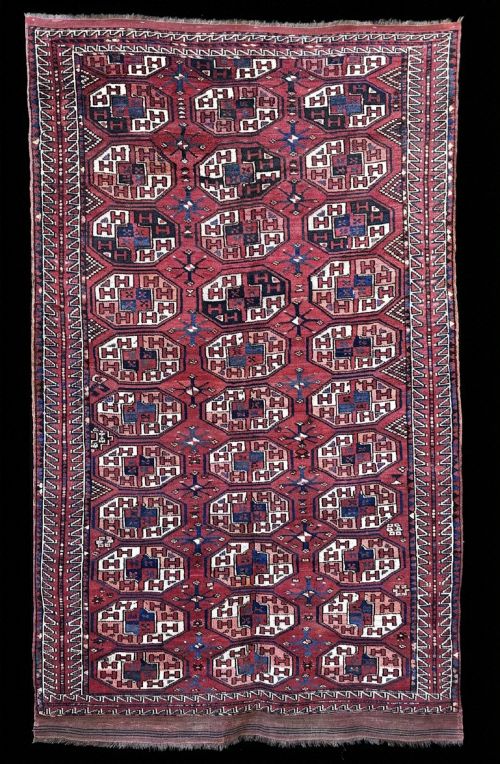
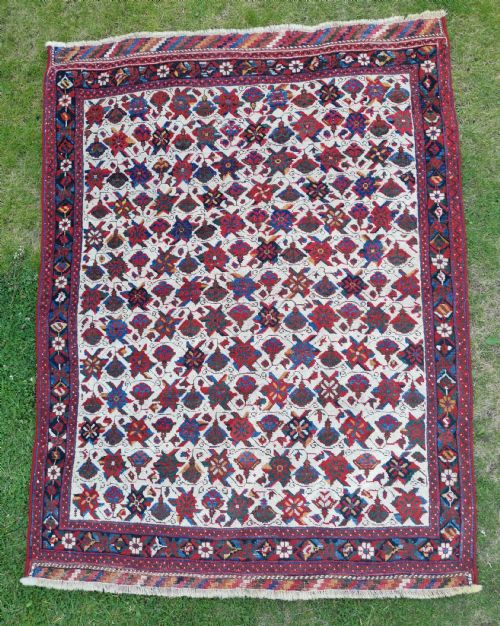
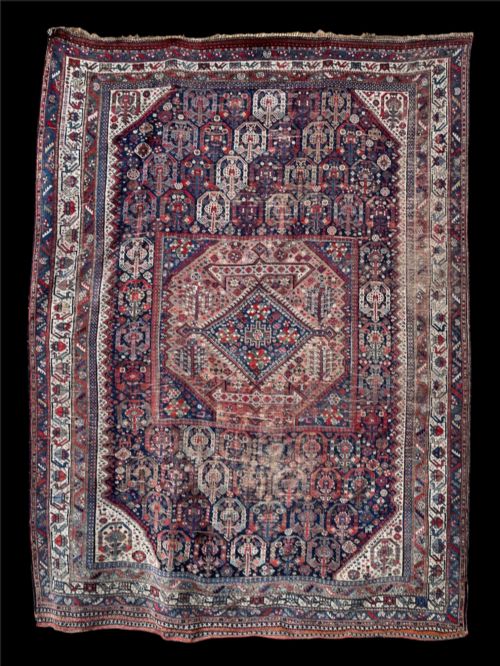
A nomadic wool floor mat represents the textile traditions of tribal weavers from regions spanning Persia, Turkmenistan, Afghanistan, and Anatolia. These pieces encompass various forms including rugs, carpets, kilims, and functional saddlebags originating from the nineteenth and early twentieth centuries.
Buyers will most frequently encounter tribal rugs and carpets dating from around 1870 to 1930, featuring traditional motifs and tribal confederacy designs. The selection demonstrates distinct cultural expressions from groups such as the Yomut, Baluch, Khamseh, and Afshar.
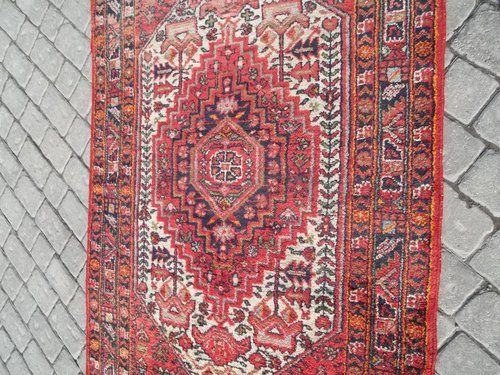
The physical format varies from small prayer rugs and compact village pieces to larger main carpets suitable for anchoring a living space. Each object reflects the utilitarian needs and artistic vocabulary of the specific weaving community that produced it.
Materials and Construction
The foundation and pile rely on natural wool, often combined with cotton for structural stability in warp and weft threads. Weavers utilised natural dyes to achieve deep colour palettes that developed rich patinas over decades of use.
Construction techniques range from knotted pile carpets to flatwoven kilims and soumak structures, alongside specialised items like saddlebags. These methods ensured durability for portable household furnishings used by migrating communities.
Nomadic Wool Floor Mat Retail Price Guide 2026
Typical asking prices for nomadic wool floor mat among the pieces listed under this phrase on Sellingantiques today, from the lower quarter to the upper quarter. They describe what is for sale here now, not the wider market.
Object forms on this page range from large main carpets and area rugs down to compact prayer rugs and functional saddlebags.
Evaluating Quality
Quality rests in the precision of the tribal motifs, the density of the weave, and the depth achieved by natural dyes. Strong artistic execution in recurring patterns like guls or prayer mihrabs elevates the work of a weaver.
The integrity of the wool, the preservation of original kilim ends, and the clarity of the design structure distinguish finer examples. Condition and structural survival over time also influence the standing of each textile.
Turkmen tribes·Yomut tribe·Baluch weavers·Afshar tribe
The Nomadic Wool Floor Mat Glossary
- Gul
- A medallion or floral octagonal motif frequently found in Turkmen and Central Asian tribal carpets. These repeating symbols often denote specific tribal lineages.
- Mihrab
- A niche design element resembling a doorway or arch, commonly seen in prayer rugs to indicate the direction of prayer. This architectural motif guides the layout of the field.
- Kilim
- A flatwoven textile produced without a knotted pile, resulting in a lightweight rug with sharp geometric patterns. These pieces often feature intricate slit-weave techniques.
- Soumak
- A brocade-like flatweaving technique where supplementary decorative threads are wrapped over the warp yarns. This method creates a textured surface with enhanced durability.
- Warp
- The stationary vertical threads stretched onto a loom that form the structural skeleton of a woven rug. Weft threads are interlaced across these foundational strands.
Nomadic Wool Floor Mat: Frequently Asked Questions
How do I identify a tribal rug?
Tribal rugs typically display geometric motifs, repeating guls, and asymmetrical village designs rather than formal court compositions. The materials usually consist of handspun wool dyed with natural substances.
Examining the fringe, ends, and structural weave helps connect the piece to specific regional traditions from Central Asia, Persia, or Anatolia.
Where were these mats made?
These textiles originate from regions historically inhabited by nomadic and semi-nomadic groups, including Turkmenistan, Afghanistan, western Iran, and Turkey. Weavers worked within tribal territories and confederacies.
Production locations often correspond to specific stylistic groups, such as Baluch rugs from the borderlands of Afghanistan and Iran or Yomut carpets from Central Asia.
How should I care for antique wool rugs?
Gentle vacuuming without a rotating brush roll prevents damage to the wool pile and delicate flatwoven ends. Professional cleaning tailored to antique textiles preserves the natural dyes and fibres.
Placing a breathable underlay beneath the rug reduces friction against the floor and prevents sliding in high-traffic areas.