


Nomadic Weaving Textile
A nomadic weaving textile brings the practical artistry of tribal life into your space through portable woven objects created across Persia, Central Asia, and Afghanistan.
Nomadic Weaving Textile
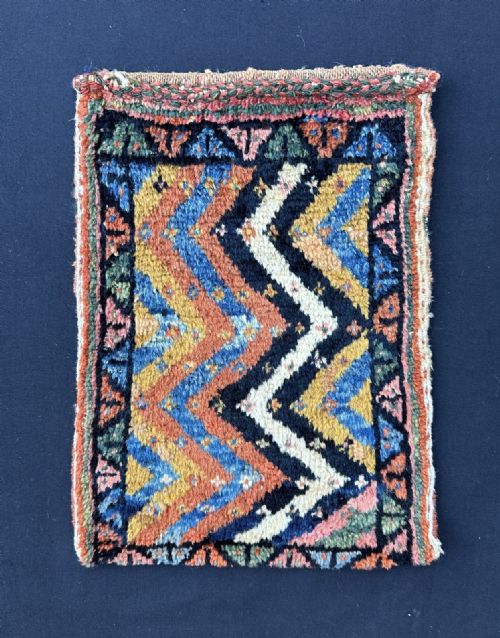
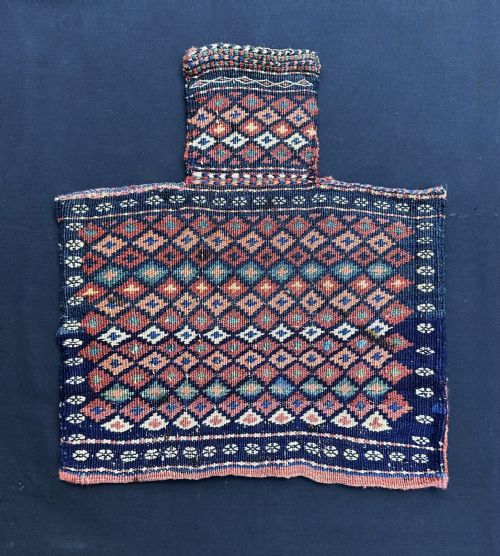
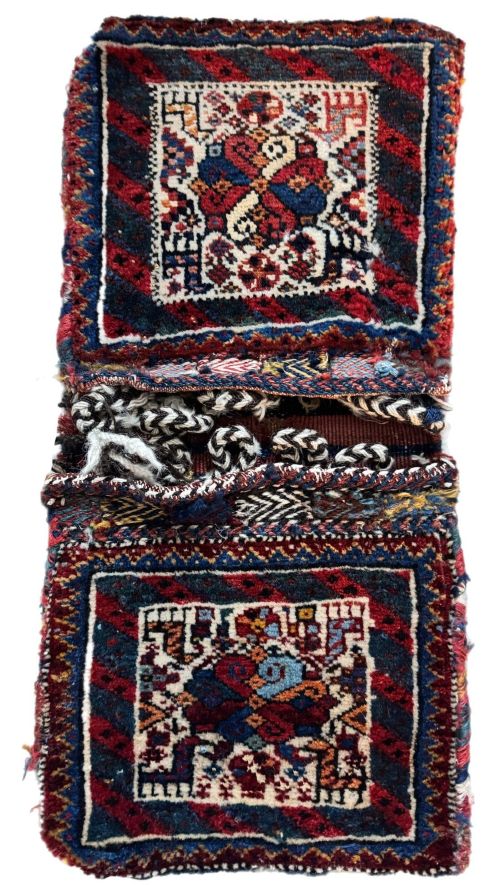
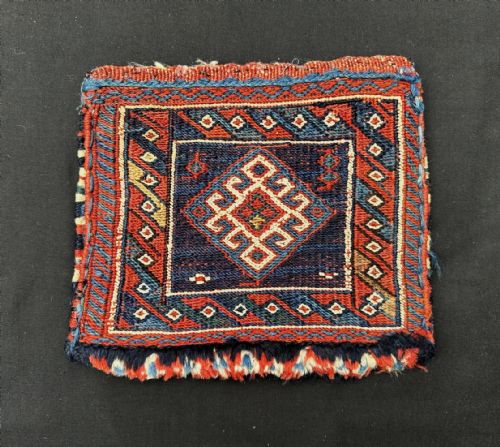
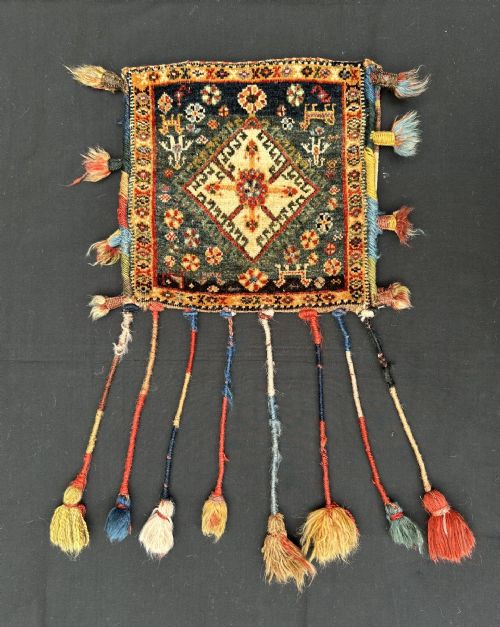
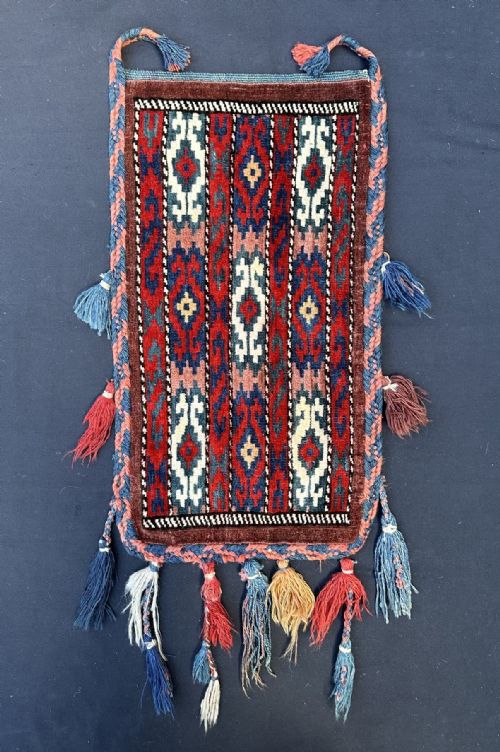
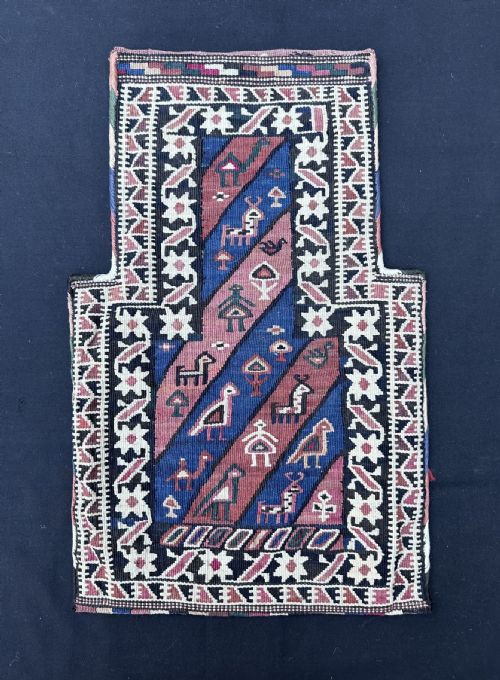
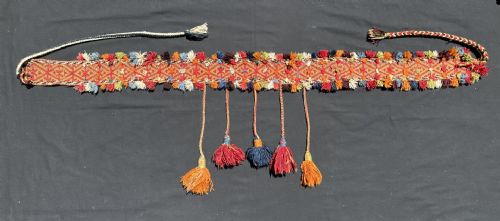
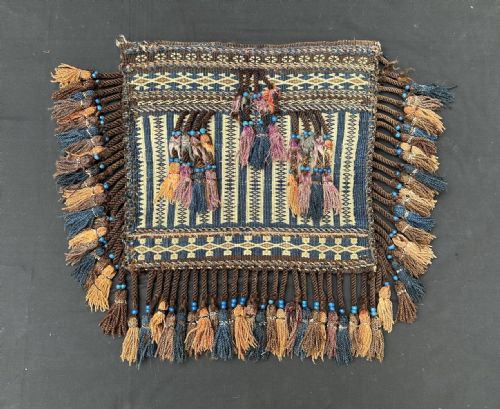
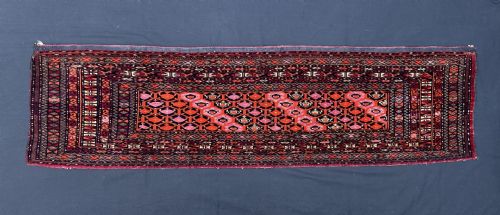
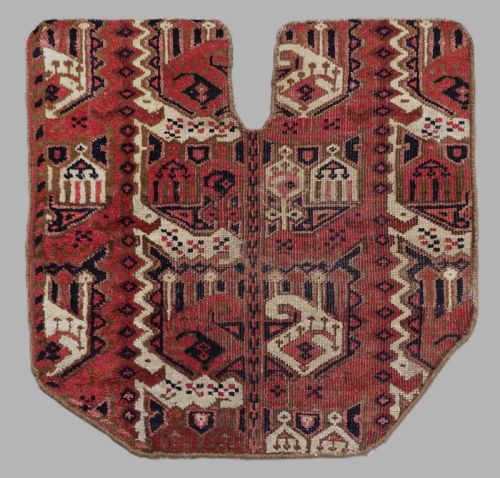
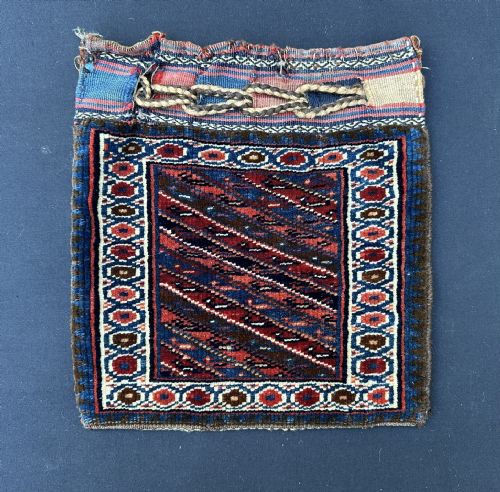
A nomadic weaving textile encompasses functional tribal items such as vanity bags, salt bags, saddle covers, animal trappings, and bread sofrehs produced by specific groups like the Qashqai, Turkmen, Baluch, and Shahsevan. These utilitarian objects served daily needs during migrations and camp life, often marking tribal identity through distinct regional patterns.
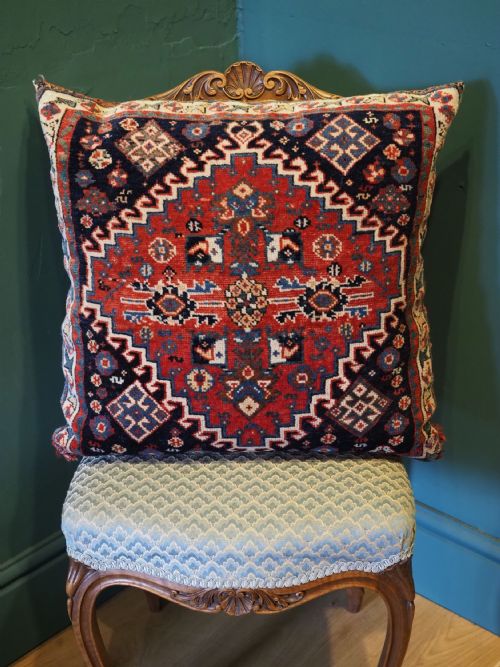
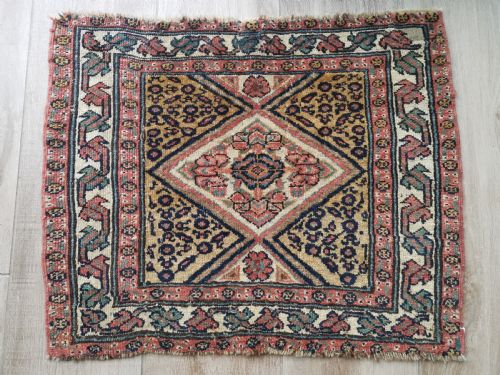
The pieces represented on this page date predominantly from the late nineteenth and early twentieth centuries, spanning periods from the eighteen-sixties through the nineteen-twenties. Buyers frequently encounter smaller formats like bagfaces, torbas, and kaps alongside larger rugs, animal decorations, and cushions.
Originating from varied landscapes including the Fars province, the Trans-Caspian steppes, and the mountains of Kerman, these textiles reflect the specific environments of their makers. Every region developed traditional layouts and structural formats tied directly to nomadic existence and pastoral routines.
How they were made
Makers utilised hand-spun wool and cotton as the primary structural foundations for these items, combining natural dyes to achieve rich, earthy palettes across tribal weaves. The reliance on hand-spun materials ensures varied texture and tactile depth throughout the surface of each piece.
Certain examples incorporate supplementary elements such as leather, glass beads, and cowrie shells to adorn storage bags and animal trappings. These decorative additions reflect the resourceful application of available materials within nomadic communities.
Nomadic Weaving Textile Retail Price Guide 2026
Typical asking prices for nomadic weaving textile among the pieces listed under this phrase on Sellingantiques today, from the lower quarter to the upper quarter. They describe what is for sale here now, not the wider market.
Listings feature items dated from the eighteen-fifties through the nineteen-twenties, incorporating materials like natural dyes, glass beads, and cowrie shells.
What varies in quality
Quality in these textiles rests upon the tightness of the weave, the precision of the tribal motifs, and the depth achieved through natural dyes. Tighter knotting and disciplined execution distinguish finer utilitarian items from standard examples.
The survival of original elements like tassels, backs, and closures elevates the integrity of functional bags and trappings. Pieces retaining their complete structural form provide a clearer picture of traditional usage.
The Nomadic Weaving Textile Glossary
- Kap
- A Turkmen storage bag traditionally used within a yurt or tent for household belongings. These pieces typically feature geometric gul motifs.
- Sofreh
- A flatwoven spread or cloth used for serving bread or meals within nomadic households. They often display minimalist field designs.
- Asmalyk
- A large, pentagonal animal trapping created by Yomut Turkmen tribes to adorn wedding camels. They are prized for their distinctive shape and detailed field ornamentation.
- Torba
- A small Turkmen wall-hanging bag utilised for storing small personal or household items. These rectangular pouches frequently display repeating guls.
- Bagface
- The decorative front panel of a storage bag that survived after the plain woven back deteriorated through use. They isolate the primary tribal artwork for display.
Nomadic Weaving Textile: Frequently Asked Questions
What regions produced these textiles?
These textiles originated across Persia, Central Asia, and Afghanistan, created by groups such as the Qashqai confederacy, Turkmen tribes, and Baluch nomads.
Different geographical areas established distinct palettes, structural techniques, and decorative symbols that identified the specific tribe or confederation.
How do I care for a tribal textile?
Gentle vacuuming with a low suction setting helps remove dust from wool surfaces without disturbing the fibres or loose attachments like beads and tassels.
Keeping textiles away from direct sunlight prevents natural dyes from fading over time while preserving the integrity of the hand-spun wool.
What is a tribal animal trapping?
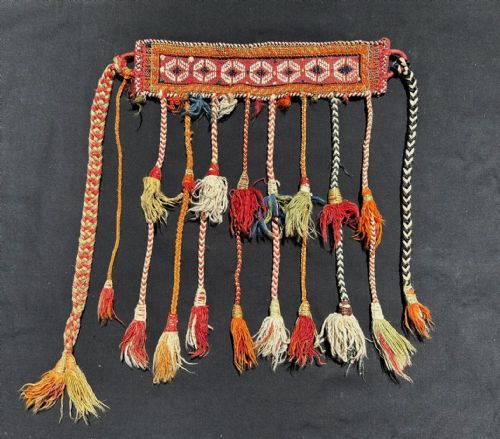
Animal trappings were decorative woven ornaments placed on horses, camels, or donkeys during ceremonies, migrations, or festive gatherings.
These pieces integrated protective symbols and bold patterns intended to honour the animal and display the weaving skill of the maker.