
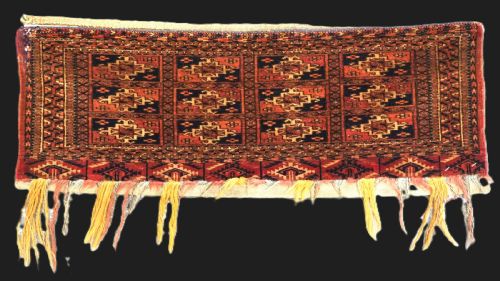


Nomadic Tribal Trapping
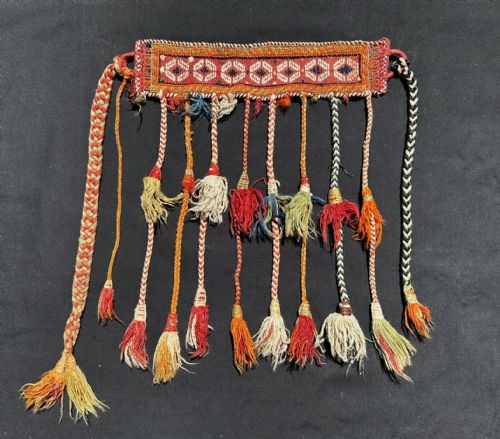
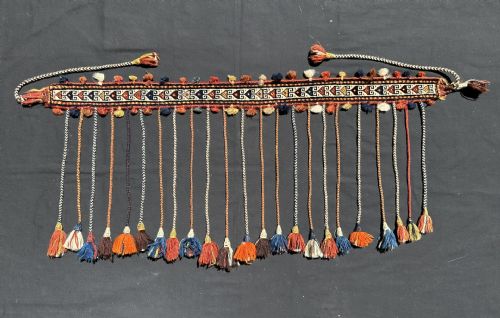
When collectors seek nomadic tribal trapping, they uncover woven horse blankets, tent bags, and camel decorations made for tribal life.
Nomadic Tribal Trapping
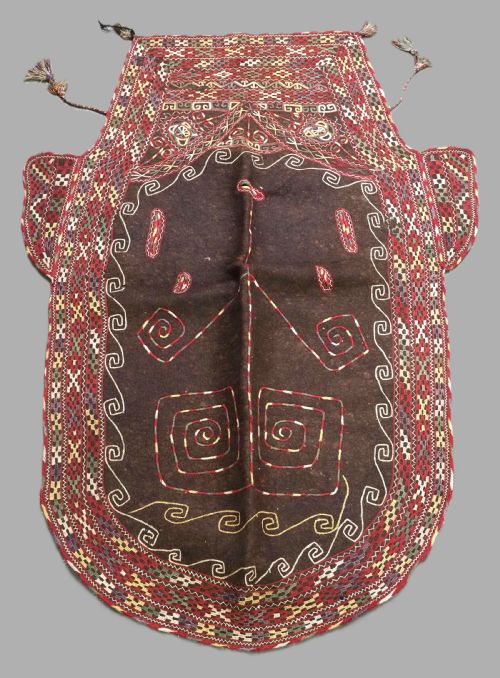
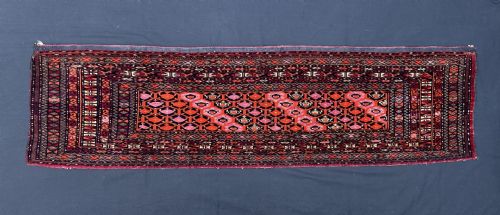
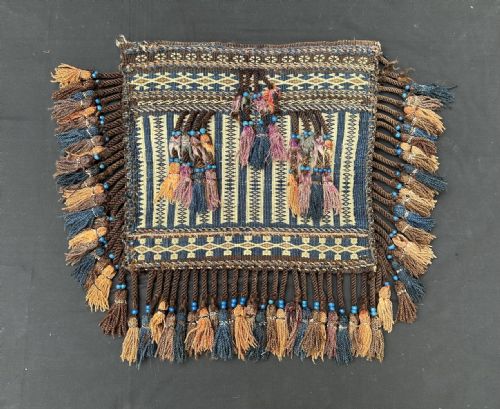
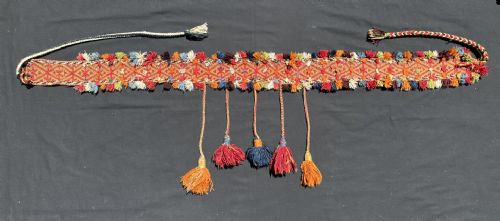
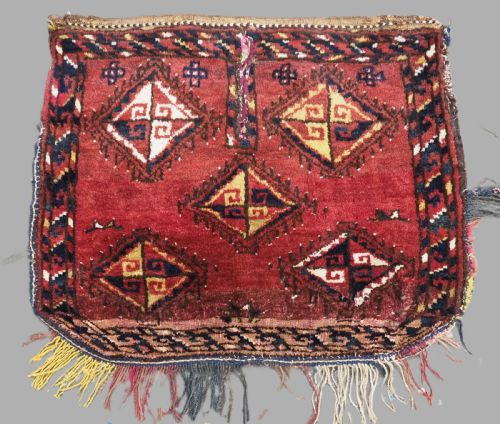
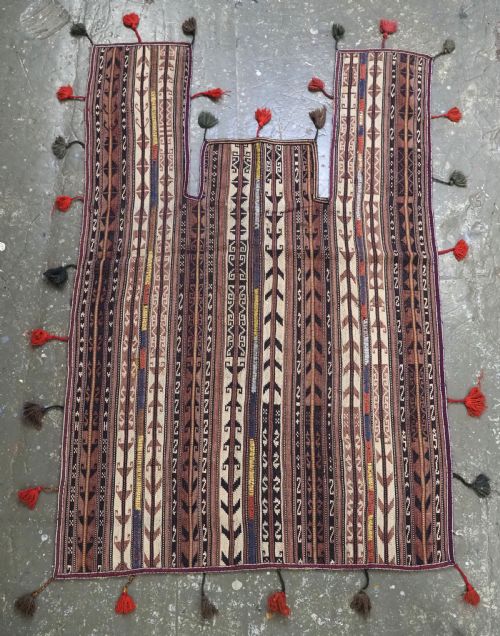
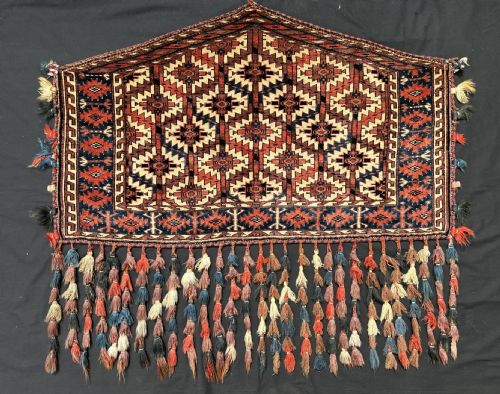
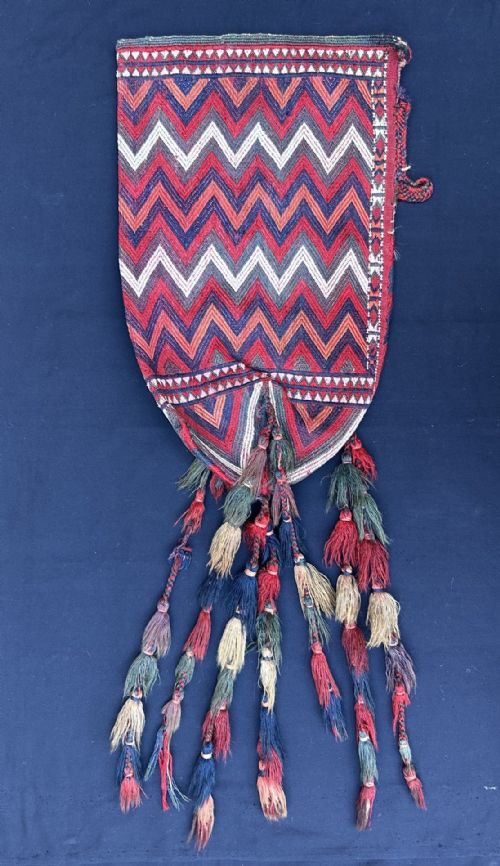
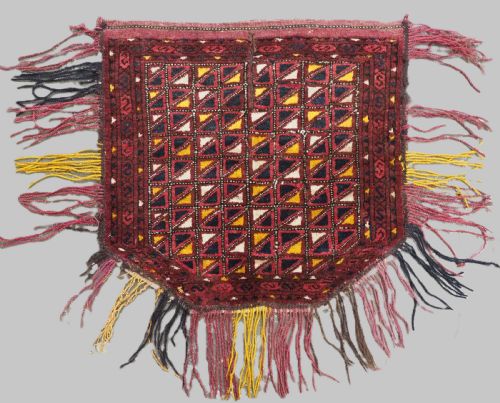
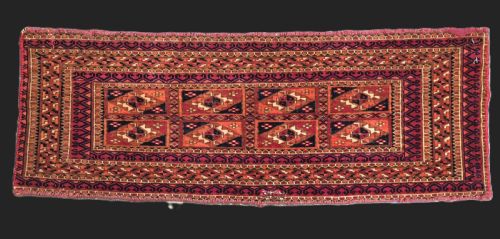
A nomadic tribal trapping serves functional roles in daily pastoral migration across Central Asia and Persia. These textiles include horse blankets, saddle covers, torbas, and storage bags created by tribal groups such as the Yomut, Tekke, Saryq, Ersari, and Qashqa'i.
Originating from regions like the Trans-Caspian steppes, Turkmenistan, Afghanistan, and south-west Persia, these textiles reflect the specific tribal identities and weaving traditions of their makers.
Quality Variations in Weaving and Materials
The fineness of the weave distinguishes standard utility items from exceptional dowry pieces and ceremonial trappings. Greater knot density and intricate structural planning indicate superior craftsmanship.
The retention of original elements, such as backs, tassels, and delicate silk highlights, elevates the integrity of a textile. Vibrant, stable natural dyes and complex tribal gul designs further separate masterworks from simpler examples.
Object types span ceremonial horse blankets, camel neck dress garments, and small dowry torbas.
The Nomadic Tribal Trapping Glossary
- Torba
- A small utilitarian or dowry wall hanging and storage bag used in Turkmen households. These pieces typically feature characteristic tribal gul motifs.
- Gul
- A primary medallion or repeating motif found in Central Asian tribal rugs and trappings. Each pattern often identifies a specific tribe or clan.
- Asmalyk
- A ceremonial pentagonal trapping hung on the flanks of a wedding camel during tribal processions. They represent significant artistic expression within Yomut and other Turkmen groups.
- Mafrash
- A rectangular storage bag or hamper face utilised for bedding and household goods inside a yurt. Sets of these were essential components of a bride's dowry.
- Chuval
- A large tent bag used for storage by nomadic families. They display meticulous knotting and comprehensive design fields.
Nomadic Tribal Trapping: Frequently Asked Questions
What is a tribal trapping?
A tribal trapping is a textile woven by nomadic peoples for practical and ceremonial use on animals or inside tents. These items include horse blankets, camel decorations, and storage bags.
They served essential roles in daily nomadic life and marked significant cultural events like weddings and migrations.
How were these textiles used?
Nomads utilised these woven pieces to adorn horses and camels during ceremonial processions and weddings. They also functioned as saddle covers and container bags inside portable dwellings.
Everyday utility combined with aesthetic displays of tribal identity and family status during communal gatherings.
How do I identify different tribes?
Tribal attribution relies on specific design motifs, colour palettes, and structural characteristics unique to each group. Turkmen tribes like the Tekke, Yomut, and Ersari utilised distinct medallions and border patterns.
Geographic origins in Persia, Afghanistan, or Central Asia further guide the identification of Qashqa'i or Baluch work.
How do I care for antique textiles?
Antique wool and natural dye textiles require gentle handling, minimal direct sunlight, and stable humidity levels. Regular light vacuuming with a mesh screen protects the delicate pile and embroidery.
Professional textile conservators should handle any deep cleaning or structural repairs to preserve the historical integrity of the piece.