
Nomadic Tribal Textile
When searching for a nomadic tribal textile, collectors encounter woven and embroidered utilitarian objects created by pastoral groups across Persia, Central Asia, and Afghanistan.
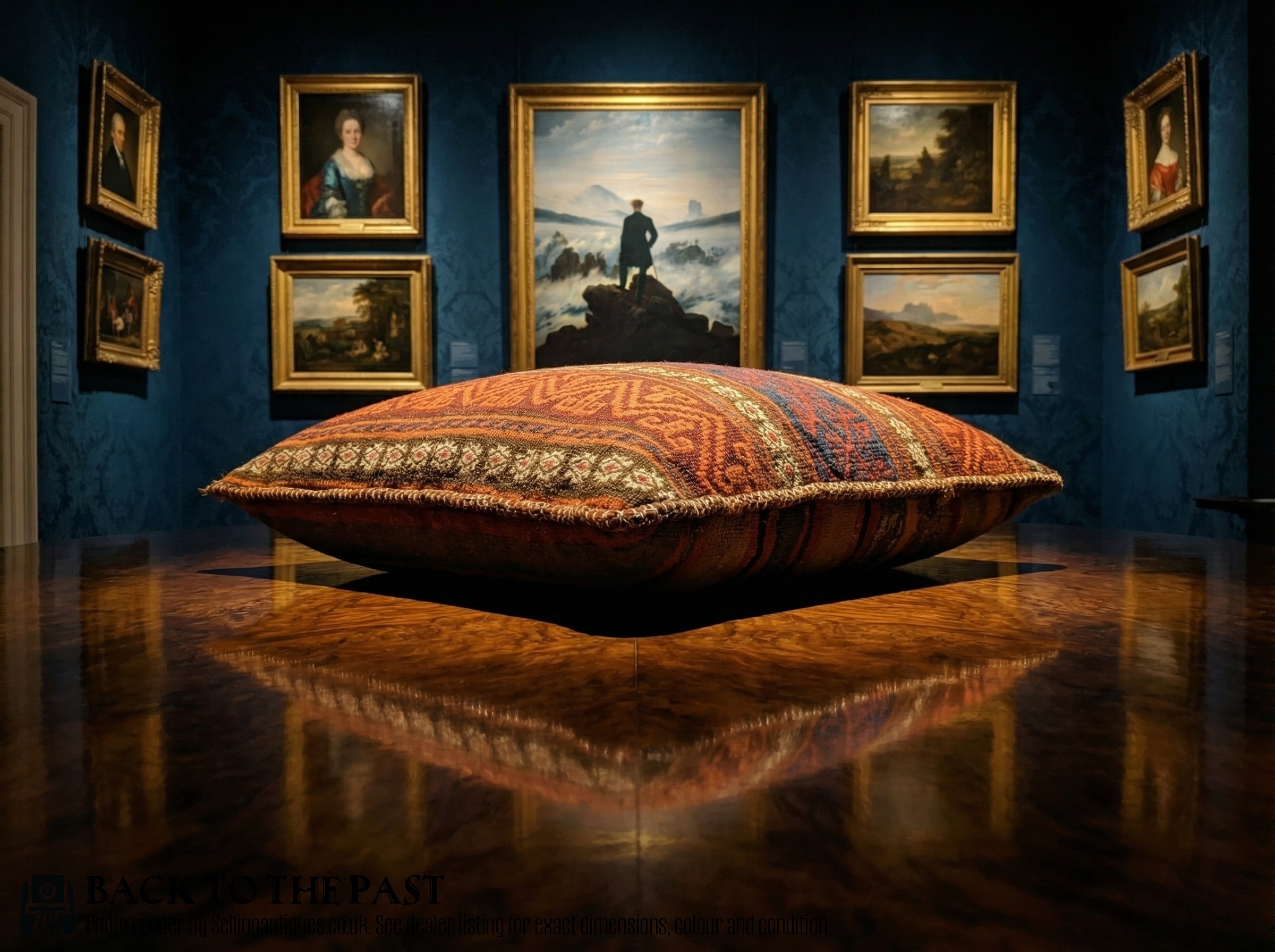
Nomadic Tribal Textile
A nomadic tribal textile encompasses functional household and animal trappings produced by tribal confederacies and pastoral groups. These items served daily domestic or transport purposes rather than purely decorative roles in formal interiors.
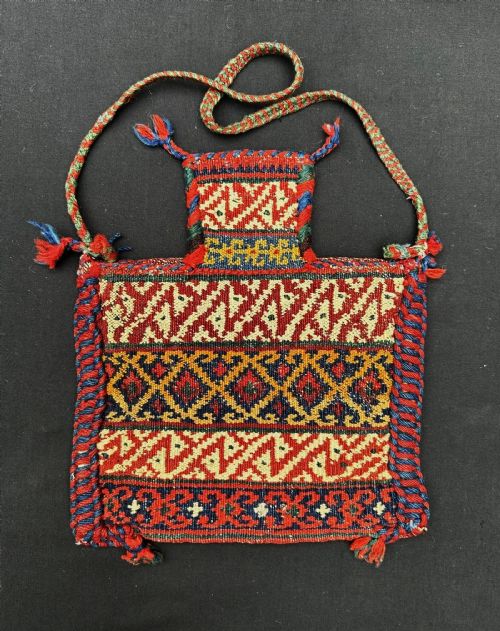
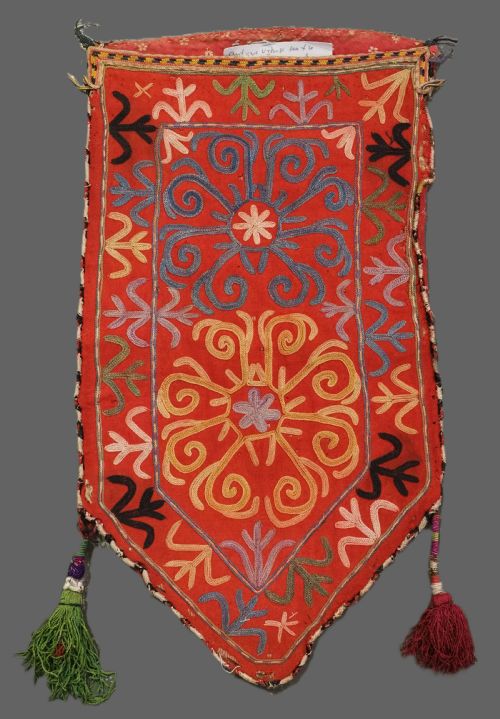
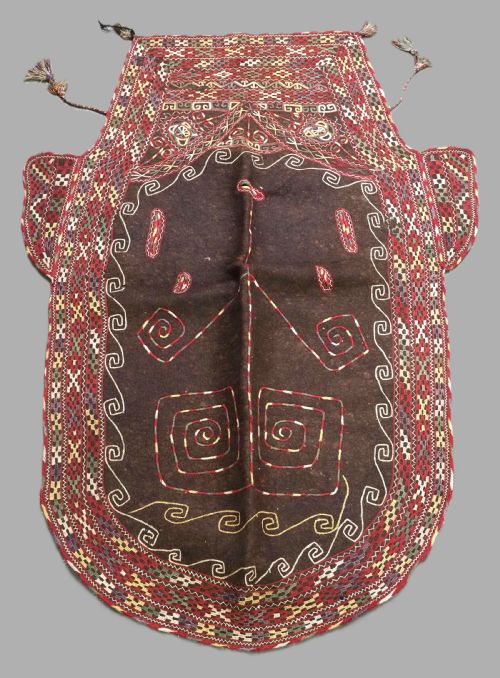
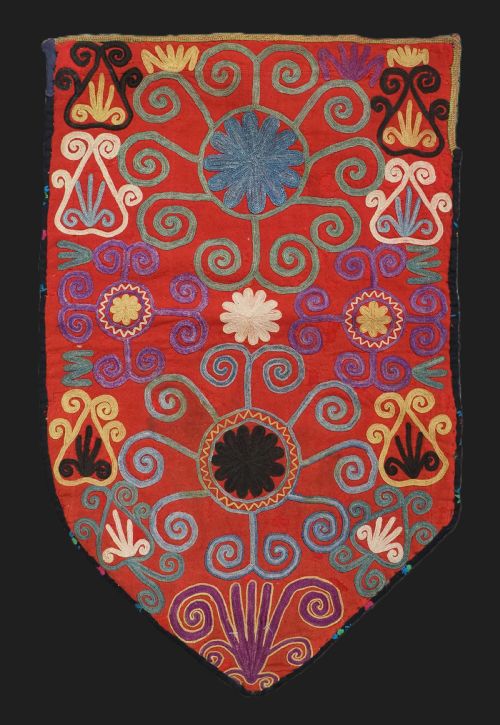
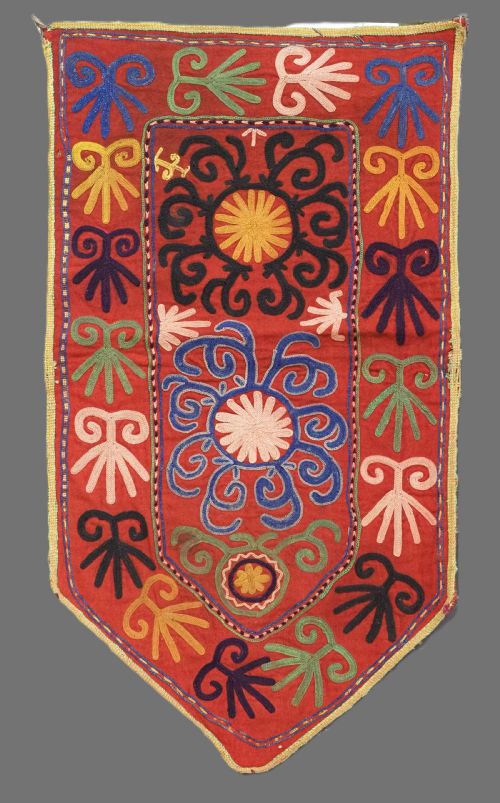
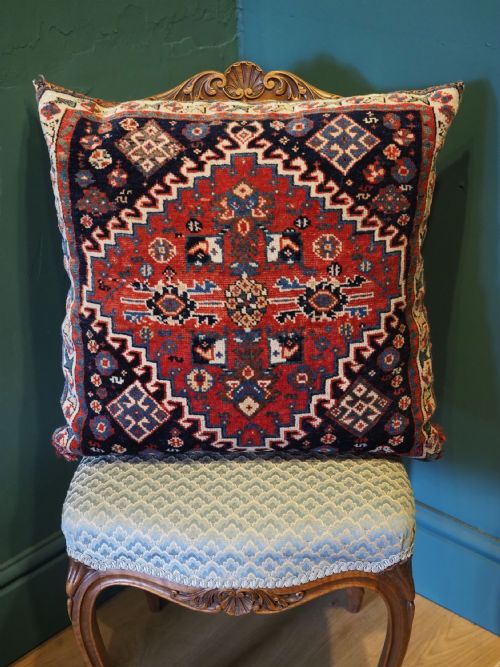
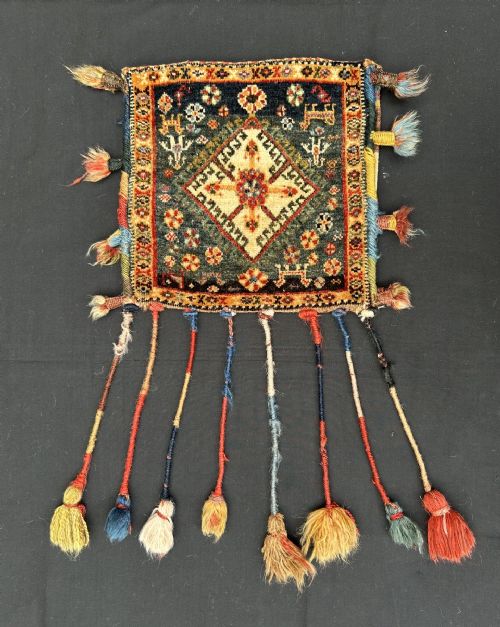
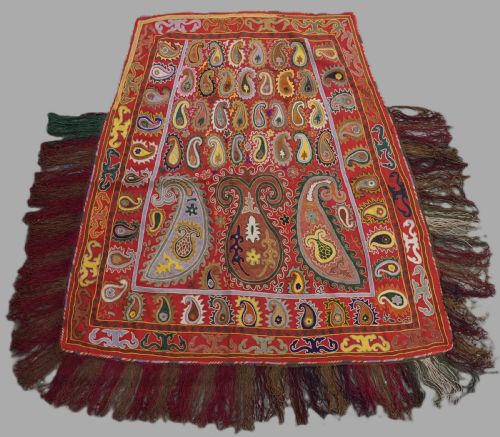
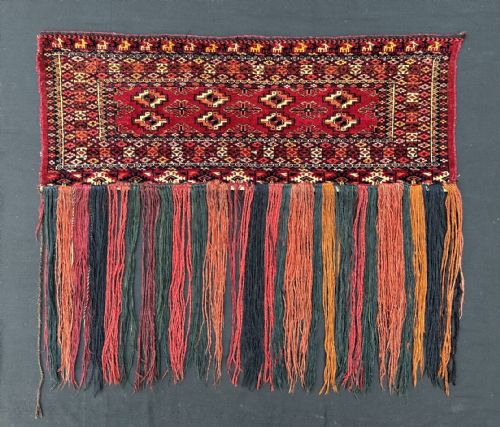
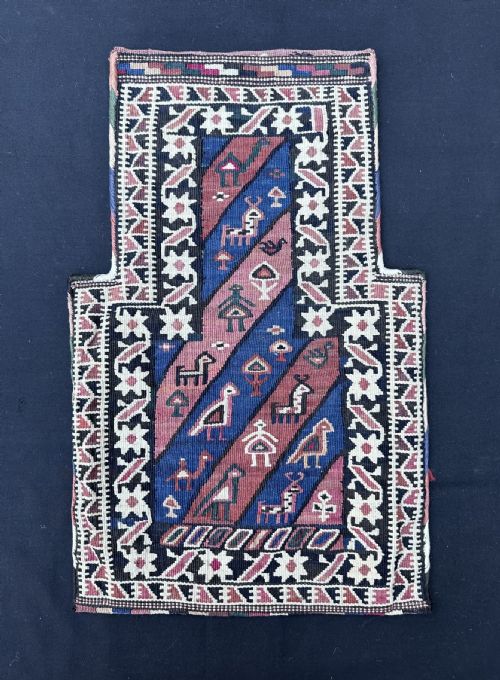
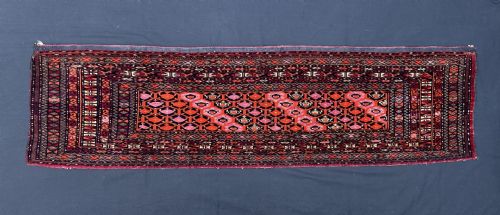
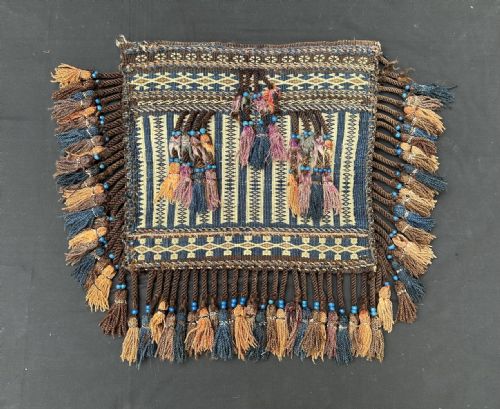
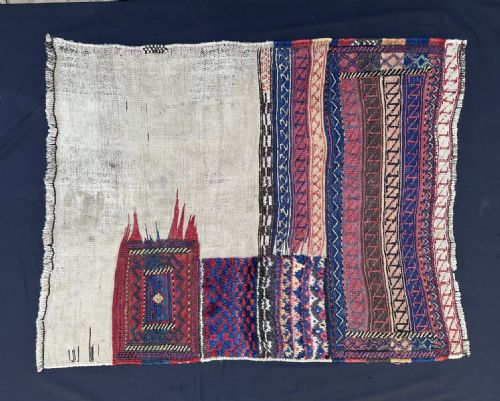
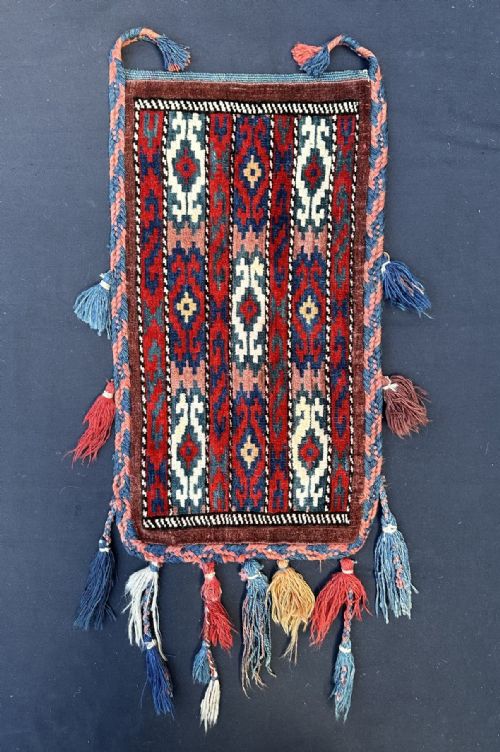
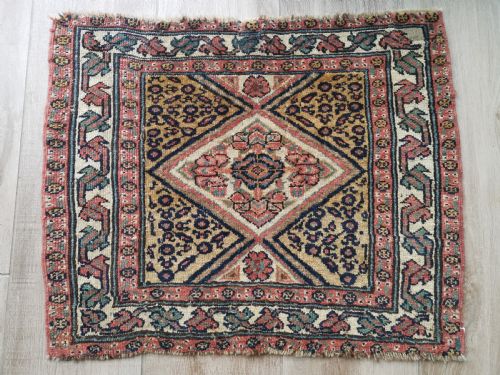
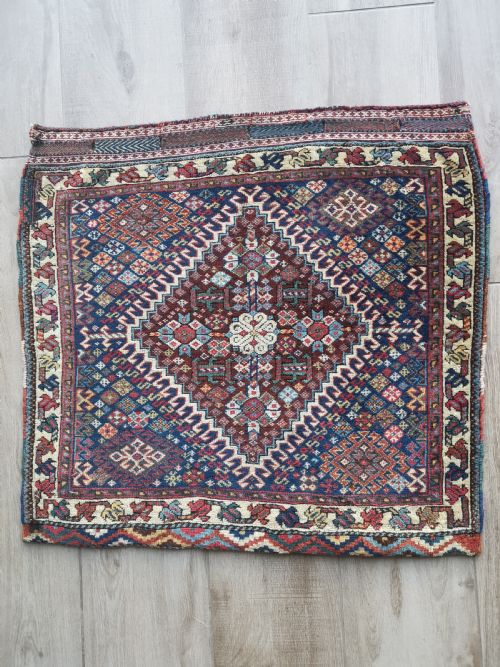
The selection centres on portable items such as storage bags, salt bags, vanity bags, animal decorations, and ceremonial horse covers. Pieces originate from distinct regions including Fars Province, Turkmenistan, and Uzbekistan, spanning the nineteenth and early twentieth centuries.
Makers belonged to specific groups like the Qashqai, Yomut, Ersari, and Lakai tribes. Each group utilised traditional patterns tied to their specific geographic migration routes and cultural practices.
How They Were Made
Makers relied on hand-spun wool and cotton as the primary structural foundations for their weaving and embroidery. Natural dyes provided the deep reds, blues, and earth tones characteristic of these regional traditions.
Surface decoration frequently incorporated silk thread and felted wool additions. Skilled hands combined pile weaving, flatweaving, and dense embroidery techniques to construct durable items capable of withstanding harsh nomadic life.
Nomadic Tribal Textile Retail Price Guide 2026
Typical asking prices for nomadic tribal textile among the pieces listed under this phrase on Sellingantiques today, from the lower quarter to the upper quarter. They describe what is for sale here now, not the wider market.
Nomadic weavers frequently included tiny protective amulets and asymmetrical wool knots to ward off the evil eye.
What Varies In Quality
Material selection dictates much of the distinction between examples, particularly the grade of hand-spun wool and the saturation of natural dyes. Early pieces demonstrate tighter knotting density and greater precision in geometric or pictorial motifs.
The survival of original elements such as tassels, closures, and double-faced construction impacts the integrity of an artefact. Finer examples retain their structural form and structural rigidity despite decades of nomadic transport and use.
The Nomadic Tribal Textile Glossary
- Bagface
- The decorative front panel of a utilitarian storage bag, separated from its plain back after heavy wear.
- Asmalyk
- A large, pentagonal ceremonial trapping mounted on the flanks of a bride's camel during Turkmen wedding processions.
- Jollar
- A wide bag or hanging produced by Turkmen groups, featuring rows of guls across the primary field.
- Sofreh
- A flatwoven spread or cloth utilised for the preparation and consumption of communal bread meals.
- Uut Kap
- A small storage bag produced by Uzbek Lakai tribes, used domestically within yurt tents for personal items.
Nomadic Tribal Textile: Frequently Asked Questions
What were nomadic bags used for?
Nomadic groups utilised these woven and embroidered containers for storing salt, tobacco, pipes, vanity items, and bread during seasonal migrations.
They also fashioned larger covers and trappings to decorate horses and camels during ceremonial processions and weddings.
How do I identify different tribal groups?
Tribal attribution relies on specific structural layouts, colour palettes, and characteristic motifs woven into the wool.
For instance, Yomut and Ersari weavers from Turkmenistan employ distinct octagonal gul patterns, while Qashqai makers in Persia favour dense geometric flora and animal figures.
How should I display these textiles?
Smaller bags and trappings mount easily onto linen-backed wooden battens or display behind conservation-grade glass.
Larger horse blankets and flatweaves function well as wall hangings when weight is distributed evenly across a padded support.
Are natural dyes easy to spot?
Natural dyes derived from plants and insects yield rich, complex tones that age gracefully with subtle tonal variations.
These colours penetrate the wool fibre deeply, maintaining their harmony when exposed to indirect light over decades.