

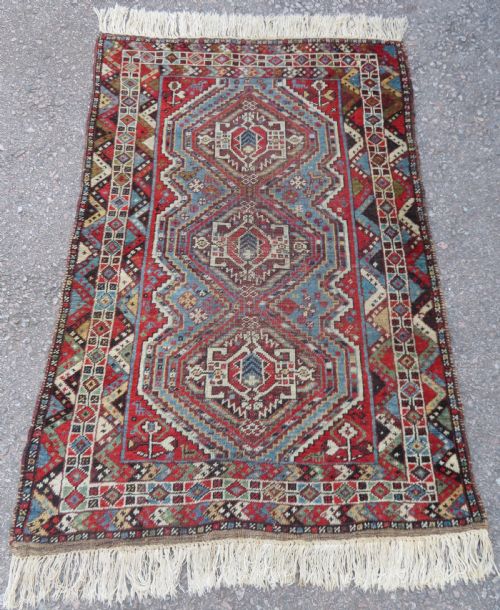
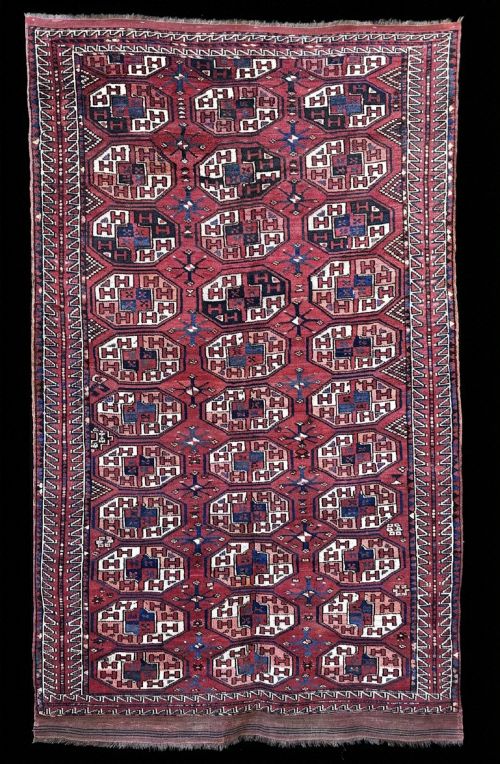

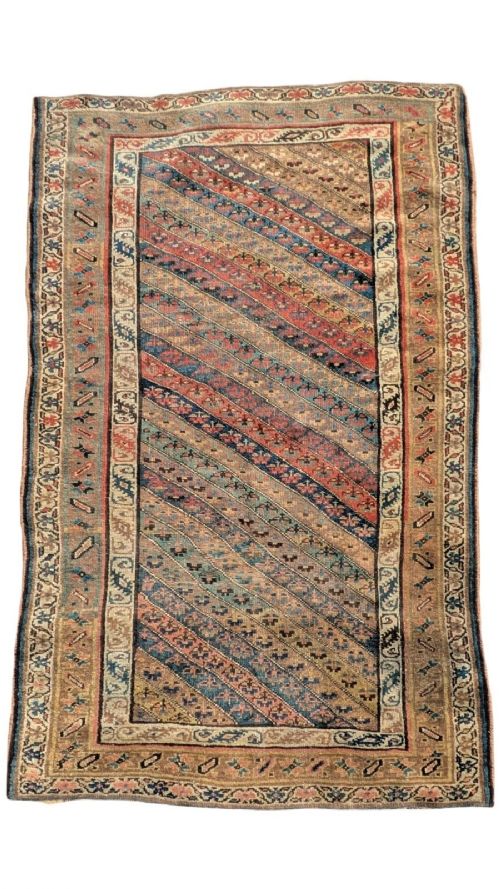
Nomadic Tribal Runner
A nomadic tribal runner brings village and tent weaving directly to a hallway, offering rich geometric patterns and authentic tribal character.
Nomadic Tribal Runner
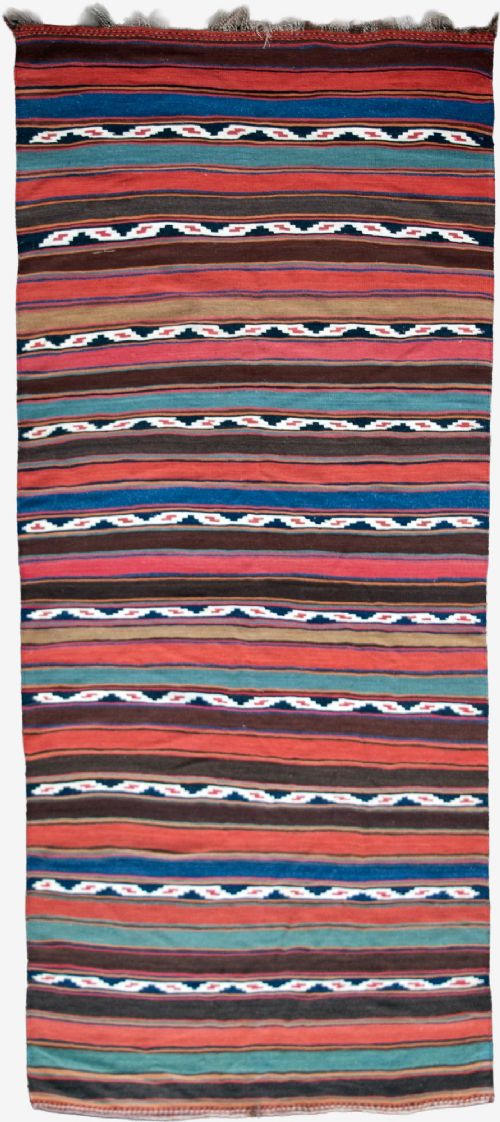
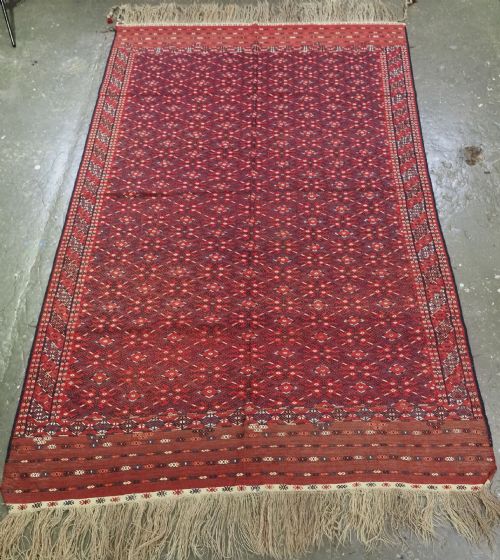
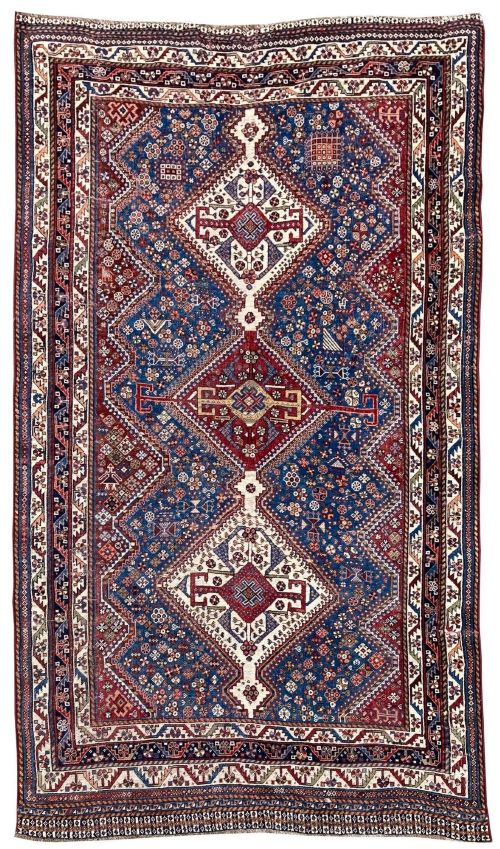
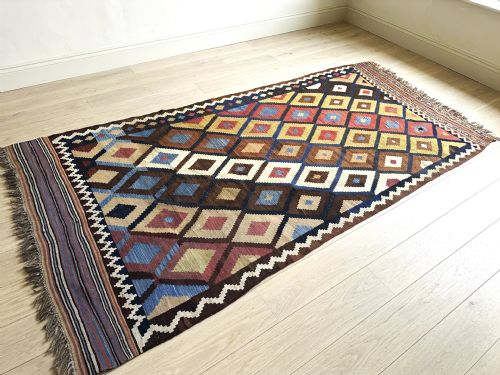
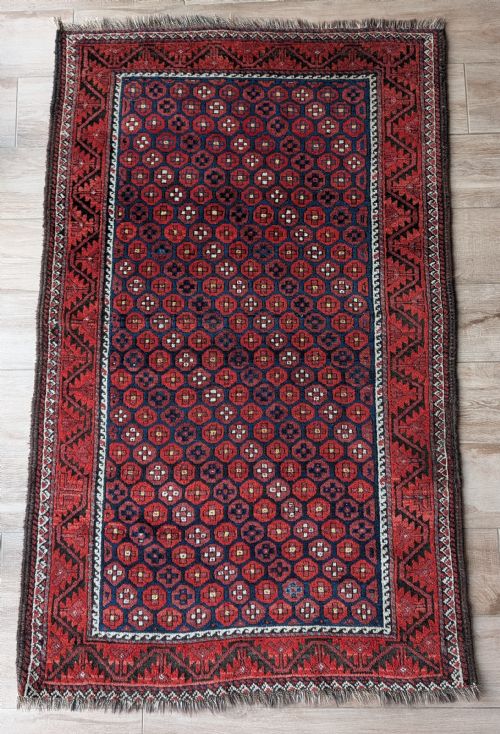
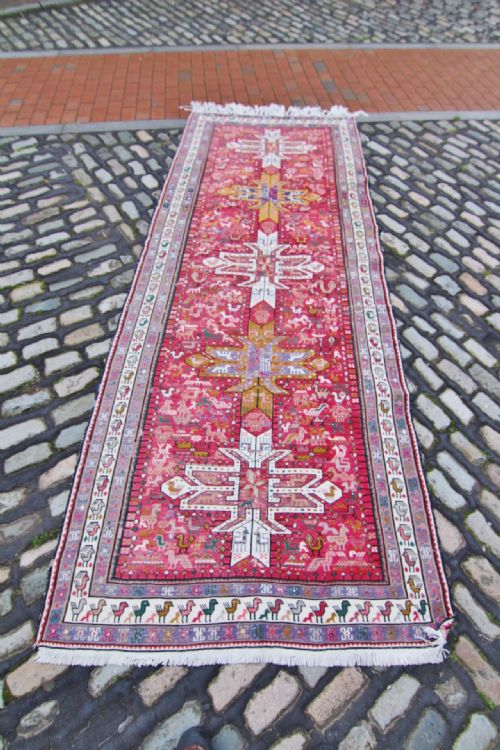
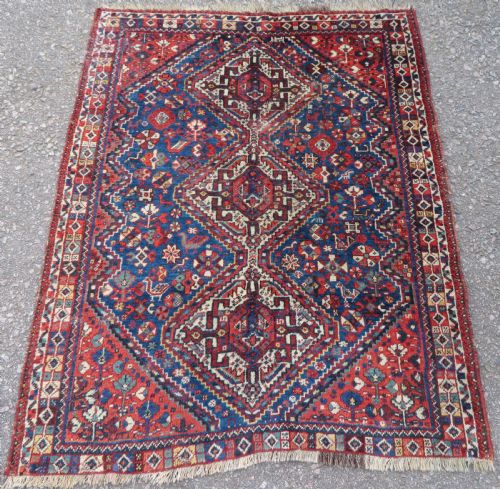
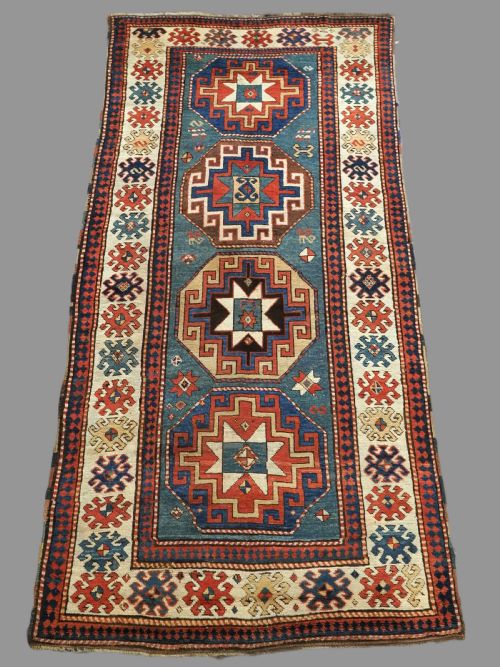
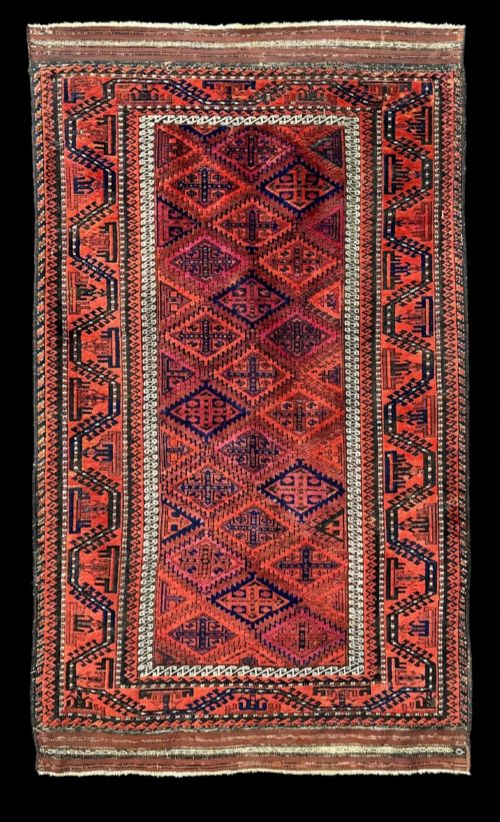
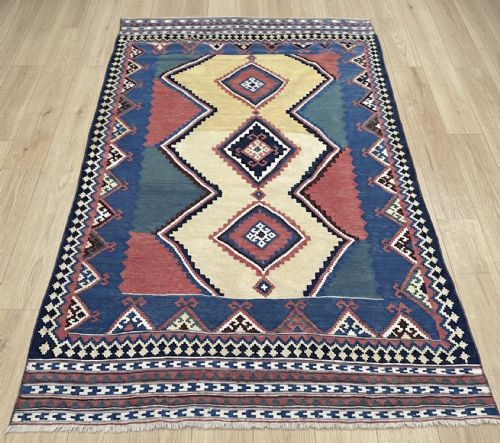
A nomadic tribal runner is a narrow, elongated woven floor covering originating from village and tribal groups across Persia, Anatolia, the Caucasus, and Central Asia. When you search for this phrase, you encounter textiles produced by specific groups such as the Baluch, Khamseh, Luri, Kurdish, and Turkmen tribes, spanning periods from the nineteenth century into the early twentieth century. These runners range from flatweave kilims and bread sofrehs to pile carpets, reflecting the daily lives and design traditions of their makers.
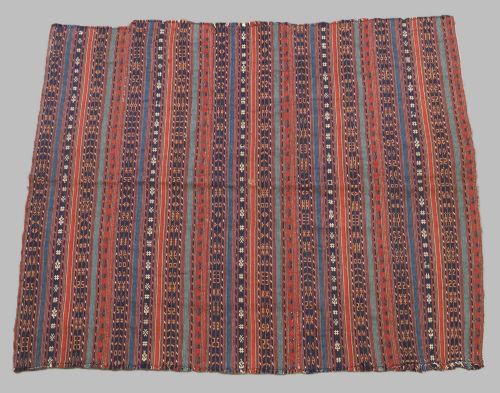
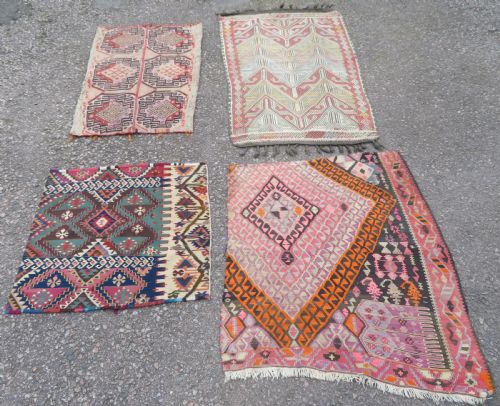
The objects on this page encompass various regional forms, including long rugs, rug runners, and half-kilim pieces from Malatya and Konya, alongside Afghan prayer rugs and Caucasian Kazak long rugs. Dating primarily from the 1870s to the 1930s, these textiles demonstrate the distinct design vocabularies of communities like the Qashqai, Afshar, and Ersari. Each piece serves as a functional textile tailored for nomadic movement or village life, adapted into narrow formats suited for modern corridors and passages.
How they were made
Weavers constructed these pieces using hand-spun wool and cotton foundations, often incorporating goat hair for added durability along the selvedges. The textiles rely on natural dyes to achieve deep colour palettes that age gracefully over decades of use.
Production techniques encompass both knotted pile construction and flatweave methods, including slit-weave kilim construction and embroidered face designs. Rugs frequently feature long kilim ends and supplementary weft-wrapping techniques executed on portable vertical or horizontal looms.
Nomadic Tribal Runner Retail Price Guide 2026
Typical asking prices for nomadic tribal runner among the pieces listed under this phrase on Sellingantiques today, from the lower quarter to the upper quarter. They describe what is for sale here now, not the wider market.
Listings span from the mid-nineteenth century through the 1930s, featuring wool, cotton, and natural dyes across Persian, Anatolian, Caucasian, and Central Asian styles.
What varies in quality
Quality in these textiles rests upon the precision of the weave, the integrity of the natural dyes, and the clarity of the tribal motifs. Tightly packed knots and resilient wool foundations distinguish finer productions from looser, more utilitarian examples.
The depth and consistency of natural dye colours, alongside the preservation of original kilim ends and side cordings, determine the standing of an individual piece. Greater artistic expression in the arrangement of guls, medallions, and field patterns elevates the execution.
The Nomadic Tribal Runner Glossary
- Gul
- A repeating medallion or octagonal motif often found in Turkmen and Baluch carpets. These motifs act as tribal emblems and clan signatures.
- Kilim
- A flatweave carpet or runner produced without a pile by tightly interweaving warp and weft strands. This technique creates a lightweight, reversible textile.
- Sofreh
- A spread or cloth used for sharing meals or preparing bread dough. These woven pieces often feature distinctive tribal iconography.
- Prayer Rug
- A rug featuring a mihrab design or architectural arch indicating the direction of prayer. These pieces were utilised for personal devotion.
- Mihrab
- The arched niche depicted on prayer rugs, representing the direction towards Mecca. It serves as the primary focal point of the design.
Nomadic Tribal Runner: Frequently Asked Questions
Where were nomadic runners made?
These runners originate from tribal and village regions across Persia, Anatolia, the Caucasus, and Central Asia. Communities such as the Baluch, Kurdish, Khamseh, and Turkmen wove them for daily use in tents and settlements.
Production centres extended across specific territories like Khorassan, Fars, Luristan, and Turkmenistan. Each region imparted distinct weaving structures and colour choices to the finished runner.
How do I care for an antique wool runner?
Protect the textile by placing a suitable underlay beneath it to prevent slipping and reduce wear from foot traffic. Vacuum gently with the brush attachment raised to avoid catching hand-spun wool fibres.
Keep the runner out of direct sunlight to protect natural dyes from fading over time. Rotate the piece periodically to ensure even wear across its length.
What is the difference between a pile rug and a kilim?
Pile rugs feature a dense surface of knotted wool threads that stand upright from the foundation. This creates a thick, plush texture underfoot.
Kilims are flatweave textiles constructed by tightly interlocking the coloured weft threads directly through the warp. They lack a raised pile, resulting in a thin, flexible cloth.