




Nomadic Tassel Textile
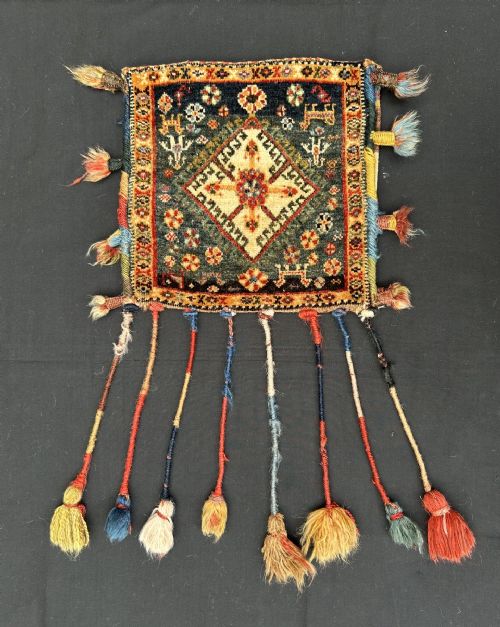
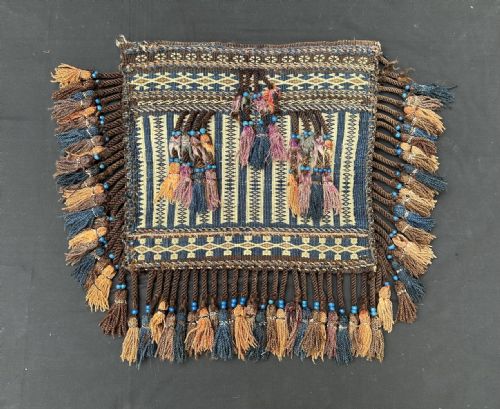
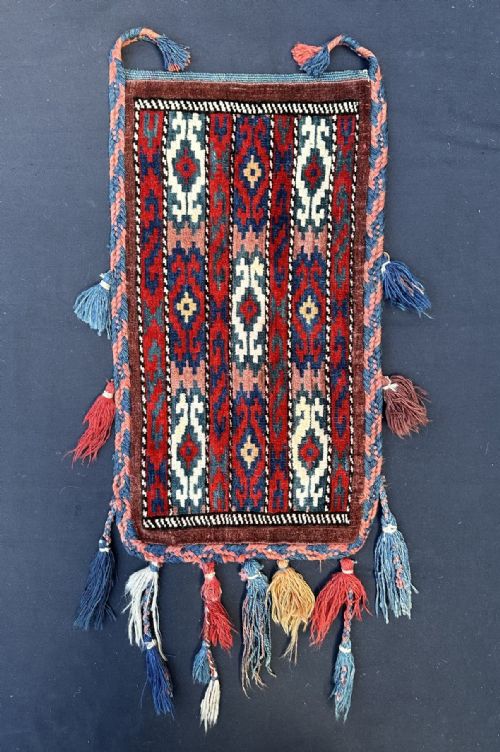
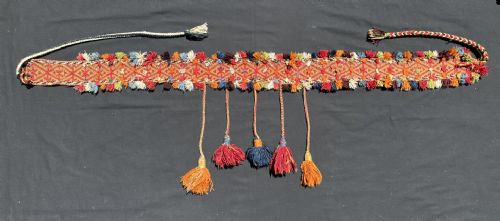
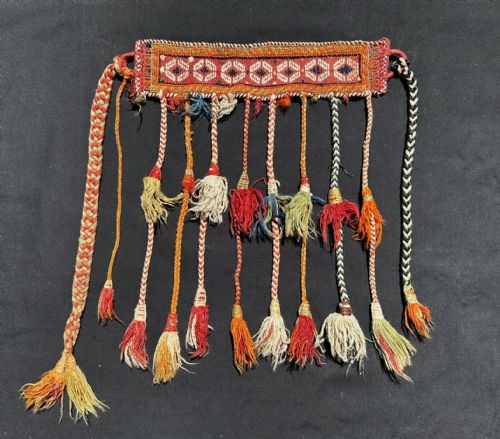
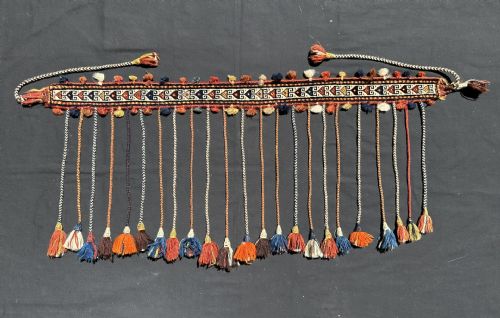
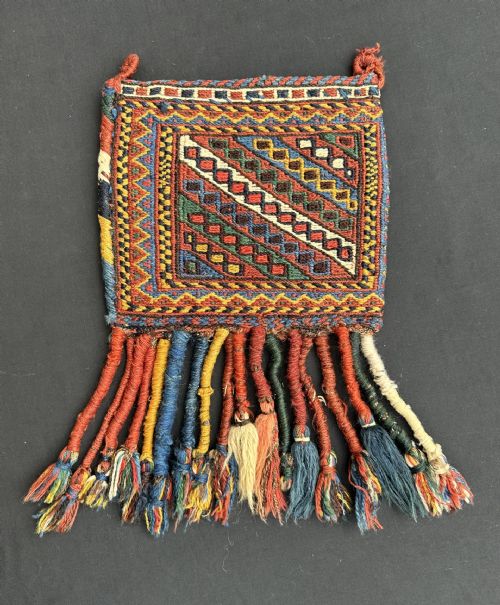
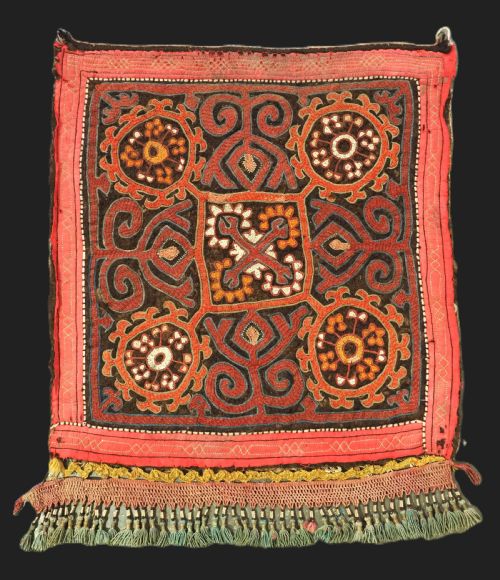
These nomadic tassel textile works are tribal storage pieces and trappings carrying suspended fibre ornaments, sought after for their authentic cultural utility and rich materials.
Nomadic Tassel Textile
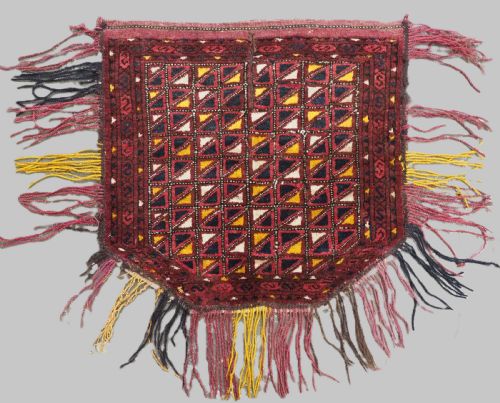
When you examine a nomadic tassel textile piece on this page, you are looking at functional tribal items originating from Persian, Afghan, and Central Asian nomadic groups. These include vanity-bags, storage pouches, saddle covers, horse decorations, and tent-pole bags produced across the late nineteenth and early twentieth centuries.
The objects stem from specific tribal confederacies and sub-tribes such as the Qashqa'i, Yomut, Baluch, Afshar, and Lakai Uzbeks. Each form served a distinct purpose within nomadic life, from holding household items inside a yurt or tent to adorning animals during migrations and weddings.
The selection here concentrates on authentic tribal and nomadic artefacts rather than modern reproductions. Buyers encounter pieces spanning several decades of traditional craftsmanship, rooted in the heritage of pastoral communities across Persia, Turkmenistan, and Uzbekistan.
Materials and construction techniques
The physical construction relies heavily on hand-spun wool and cotton grounds, frequently enriched with silk embroidery and felt panels. Artisans incorporated natural dyes to colour the threads, yielding rich hues that have aged with stability over time.
Structural embellishments often feature applied glass beads, leather accents, wooden elements, and horse hair alongside the characteristic suspended tassels. These materials were combined using flat-weave and pile-weaving techniques suited to the nomadic lifestyle.
Some tent-pole bags still carry traces of dust from the steppes, reminding us they once bounced along behind a migrating camel.
Quality factors in tribal pieces
Quality rests on the integrity of the original construction and the survival of delicate suspended elements like tassels and fringe. Pieces retaining their full complement of natural-dyed fibre ornaments display higher authenticity and completeness.
Finer examples demonstrate tighter weave density, careful alignment of geometric tribal motifs, and the use of superior wool or silk foundations. The depth of historical character and the condition of the backing materials also separate standard items from exceptional ones.
The Nomadic Tassel Textile Glossary
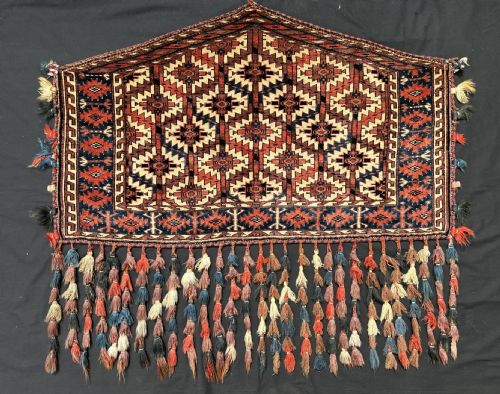
- Asmalyk
- A large pentagonal trapping used in Turkmen weddings, hung on the flanks of a bride's camel. These decorative pieces display intricate tribal patterns and elaborate fringe.
- Torba
- A small storage bag used within nomadic tents for household goods or personal items. They are typically wider than they are tall and hang flat against tent walls.
- Namakdan
- A specialised salt bag woven by nomadic tribes with a narrow neck to secure rock salt. These hanging pouches combine practical storage with dense tribal decoration.
- Uut Kap
- A large storage bag utilised by Central Asian nomads for bedding and bulky textiles inside the tent. They frequently incorporate rich silk embroidery on a wool ground.
Nomadic Tassel Textile: Frequently Asked Questions
What were these bags used for?
Nomadic groups utilised these woven pieces for storing personal belongings, salt, spindle tools, and tent poles during seasonal migrations. They functioned as essential household containers within portable dwellings.
Beyond simple storage, many items served as ceremonial trappings for weddings and animal decorations for horses or camels. Their construction combined daily utility with cultural identity.
How do I care for a textile?
Protect these pieces from direct sunlight to prevent natural dyes from fading over time. Gentle vacuuming through a mesh screen helps remove dust without damaging fragile wool or tassels.
Avoid hanging heavy items by a single weak point to distribute weight evenly across the structure. Professional textile conservationists should handle any necessary cleaning.
How are tribal regions identified?
Specific design motifs, colour palettes, and weave structures point directly to particular tribes like the Yomut, Qashqa'i, or Baluch. Regional palettes and geometric symbol systems remained distinct across different geographic areas.
Sub-tribal groups often incorporated unique border patterns or structural quirks that distinguish their weaving from neighbouring communities. These visual markers guide attribution to specific areas in Persia or Central Asia.
Are the tassels original?
Many surviving examples retain their original wool, silk, or horse hair tassels attached along the edges or base. Close inspection reveals whether the attachment threads match the age and wear of the main body.
Original fringe and tassels add significant authenticity to tribal bags and animal trappings. Collectors look for continuity in material wear between the primary textile and the hanging ornaments.