



Nomadic Runner Rug
A nomadic runner rug brings the enduring hand-knotted artistry of tribal weavers from Persia, Central Asia, and the Caucasus directly into a hallway or narrow space.
Nomadic Runner Rug
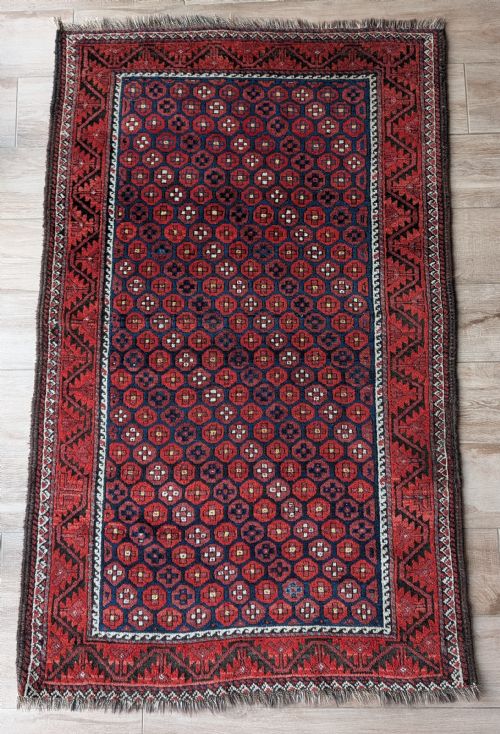
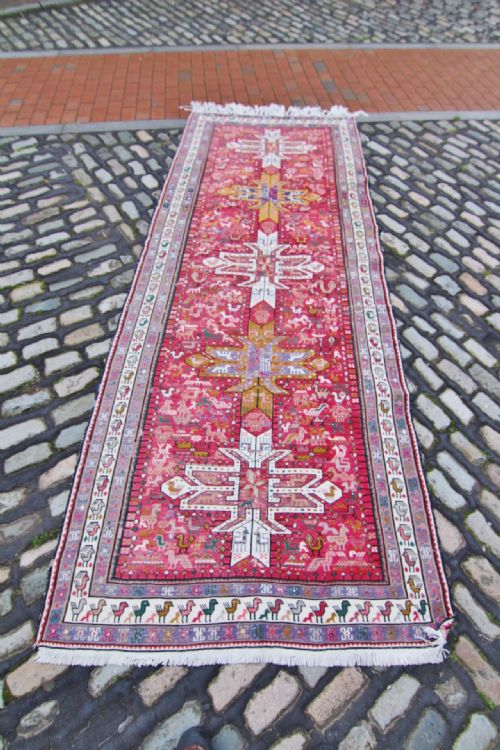
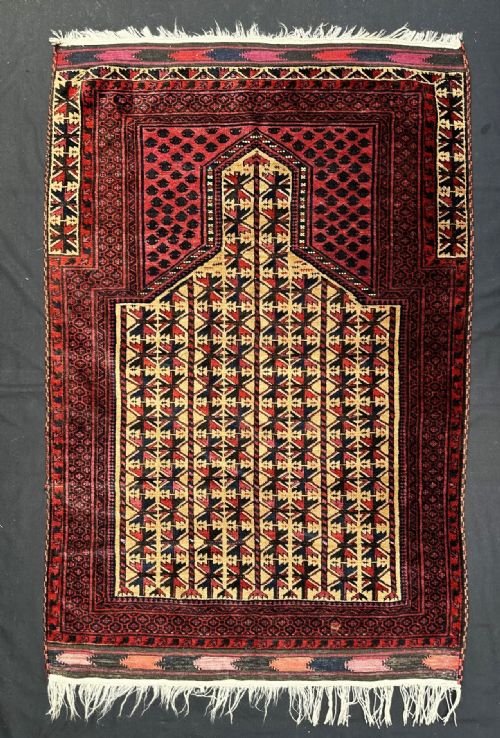
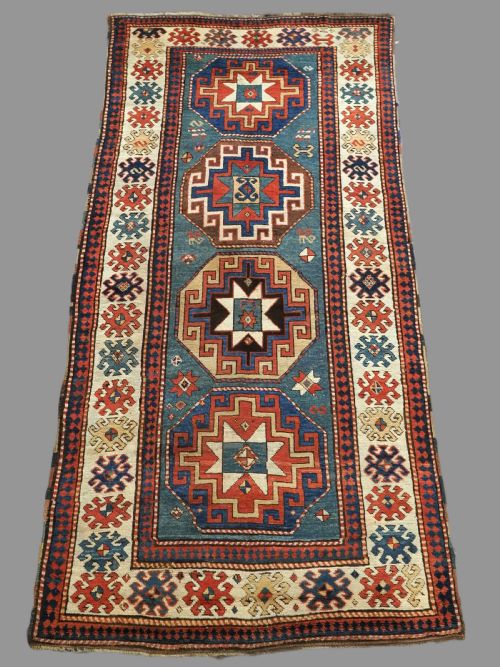
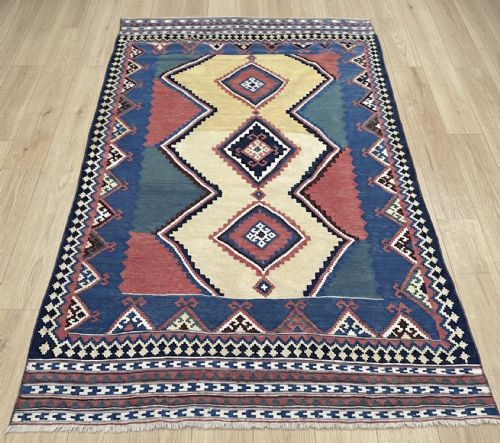
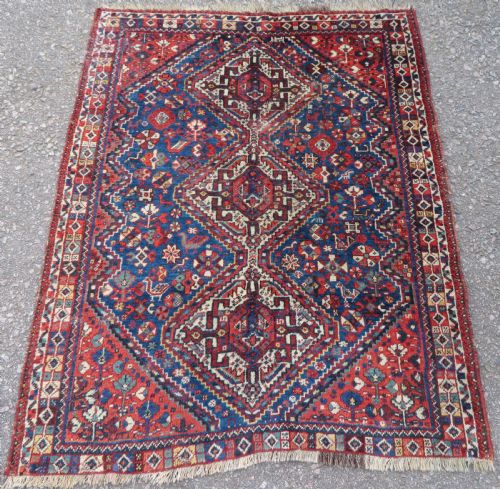
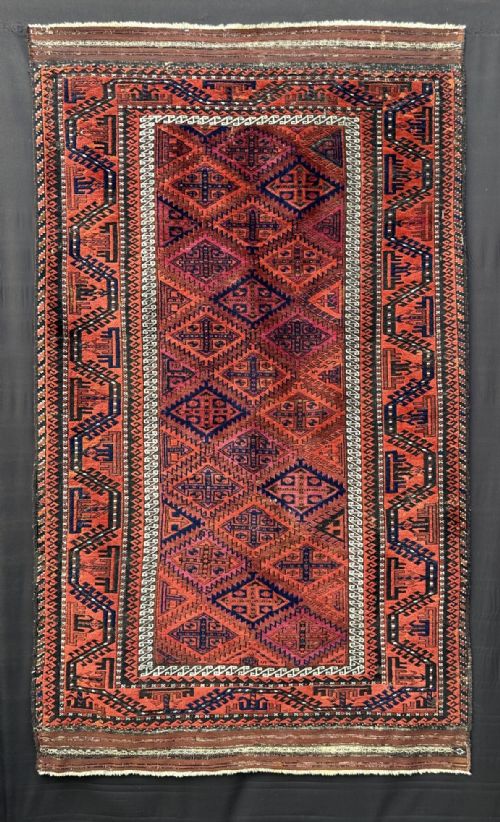
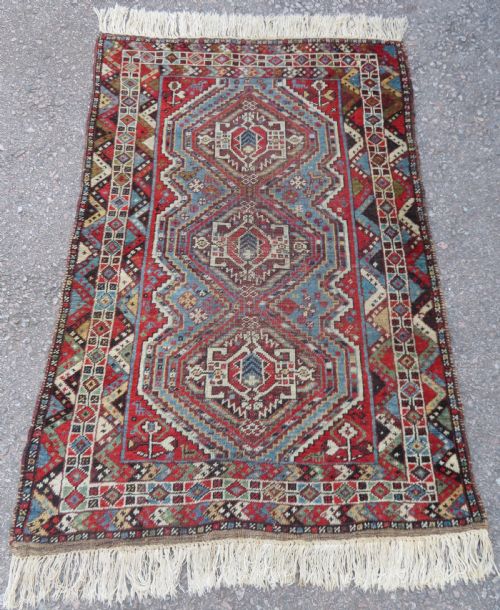
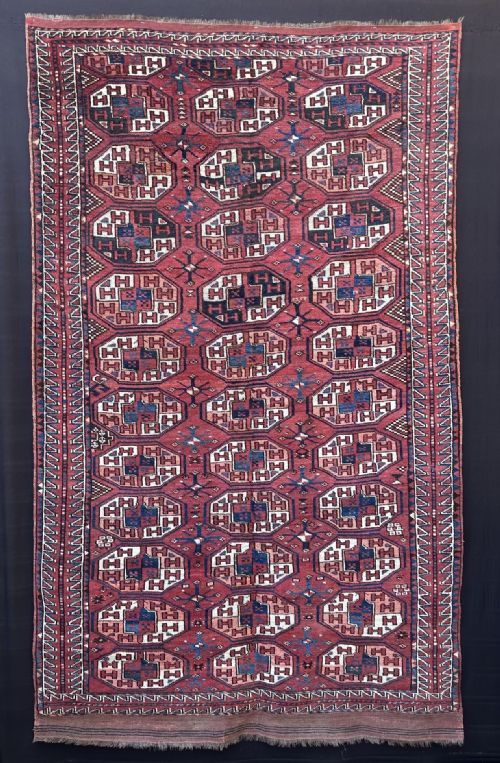
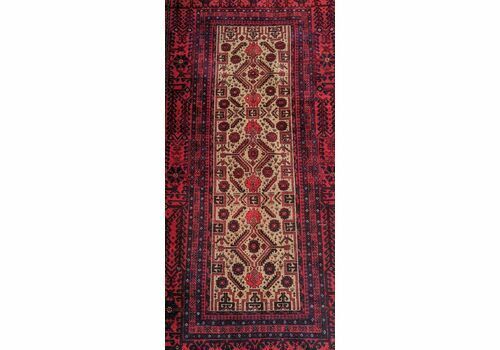
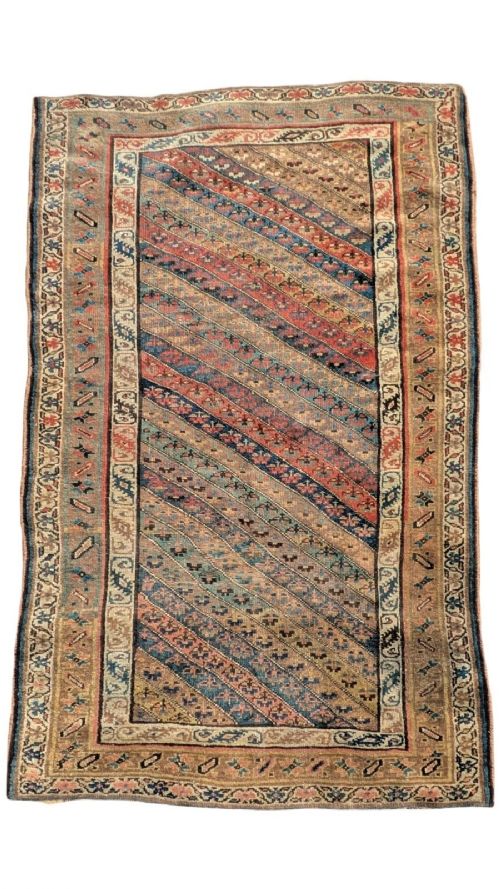
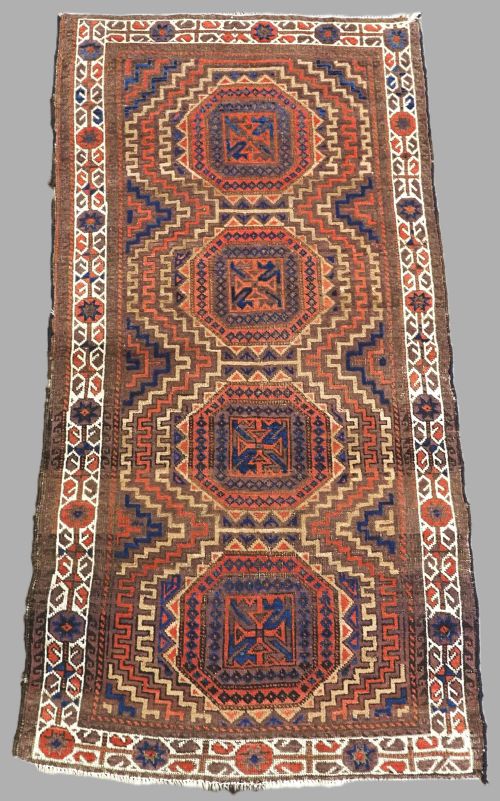
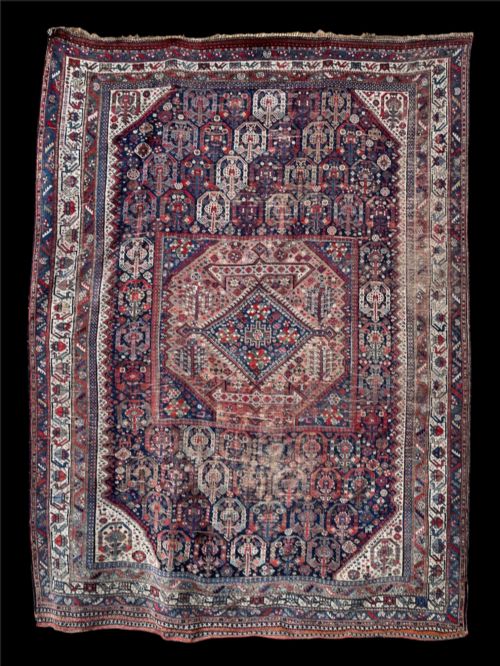
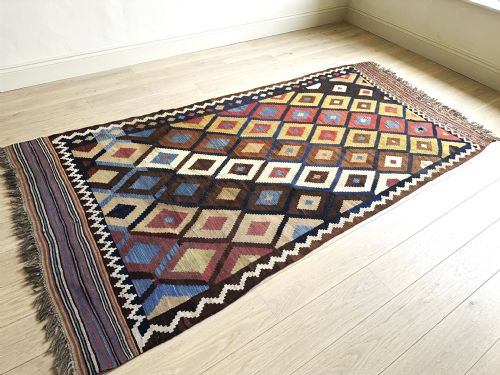
A nomadic runner rug is an elongated floor covering created by tribal groups and village weavers across Persia, Turkey, Central Asia, and the Caucasus. When you search for a nomadic runner rug, you encounter long, narrow formats designed for corridors, landings, and galleries by makers such as the Baluch, Khamseh, Kurdish, and Luri tribes.
The pieces on this page span the nineteenth and early twentieth centuries, capturing traditional village aesthetics and tribal motifs. These textiles reflect the cultural identity and local environment of weavers working in regions like Khorassan, Fars, and Turkmenistan.
Materials and construction methods
These floor coverings utilise hand-spun wool for the pile, combined with cotton foundations and occasional goat hair for durability along the edges. Weavers relied on natural dyes to colour the fleece, producing deep, enduring shades that mellow gracefully over decades of use.
The construction involves hand-knotting or flatweaving techniques passed down through generations within specific confederacies and tribes. Each rug displays the structural characteristics of its origin, from sturdy wool warps to intricate kilim ends.
Nomadic Runner Rug Retail Price Guide 2026
Typical asking prices for nomadic runner rug among the pieces listed under this phrase on Sellingantiques today, from the lower quarter to the upper quarter. They describe what is for sale here now, not the wider market.
Materials recorded across the inventory include hand-spun wool, cotton foundations, natural dyes, and goat hair.
Factors that distinguish the finest pieces
Quality in these textiles depends upon the precision of the knotting, the handling of natural dyes, and the integrity of the wool. Finer examples display high knot densities and vibrant, well-balanced palettes that retain their visual punch.
The authenticity of tribal patterns and the completeness of original borders or kilim ends elevate an example above standard village work. Condition also plays a role, with intact structural foundations distinguishing well-preserved textiles from distressed pieces.
The Nomadic Runner Rug Glossary
- Gul
- A medallion motif repeated across Turkmen and Baluch carpets. This octagonal design often serves as a tribal identifier.
- Mihrab
- An arch-like design element representing the direction of prayer. It frequently appears in prayer rugs from Afghan and Persian weavers.
- Sofreh
- A flatwoven spread or cloth used for dining or kneading bread. These utilitarian textiles share the iconography of larger carpets.
- Kelims
- Tapestry-woven carpets or rugs made without a pile. They form an important category of flatweave textiles in Turkish and Persian traditions.
- Torba
- A small wall-hanging bag or storage sack produced by Turkmen tribes. These pieces feature characteristic tribal guls and detailed side panels.
Nomadic Runner Rug: Frequently Asked Questions
Where were nomadic runner rugs made?
These runners originate from tribal and village regions across Persia, Central Asia, Turkey, and the Caucasus. Weavers from groups such as the Baluch, Khamseh, Kurdish, and Turkmen produced them for practical domestic use.
Production centres include Khorassan, Fars, and Luristan, where distinct regional patterns and local dyeing traditions developed independently over centuries.
How do I care for an antique wool runner?
Vacuum your textile gently with a suction-only attachment, avoiding beater bars that can damage hand-spun pile and fragile foundation threads. Rotate the piece periodically to ensure even wear across high-traffic corridors.
Professional cleaning by specialists in antique oriental carpets is recommended every few years to remove embedded grit without harming natural dyes.
How do I identify tribal motifs?
Tribal designs typically feature geometric medallions, repeating guls, stylized animals, and hooked motifs that reflect the weaver's immediate environment and heritage. These patterns were passed down orally within specific tribal confederacies.
Comparing structural details, wool quality, and colour palettes helps attribute a textile to specific groups such as the Qashqai, Luri, or Baluch.