
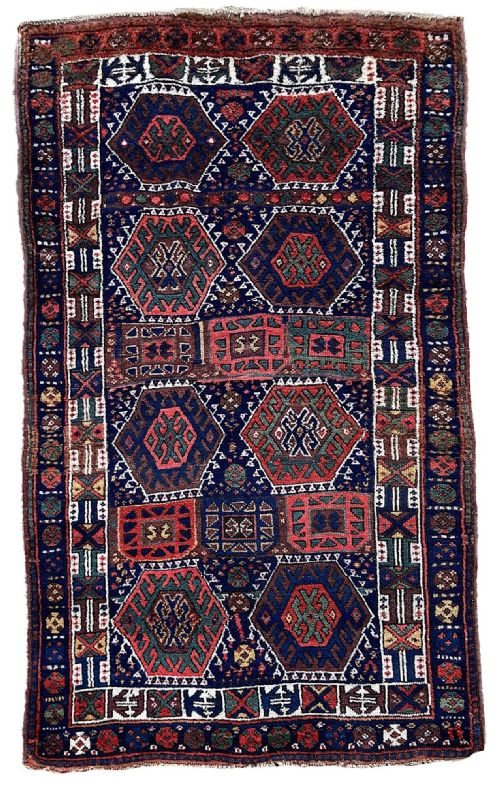


Nomadic Kurdish Wool Rug
A nomadic kurdish wool rug brings the bold tribal patterns and robust weaves of mountain weavers straight to your floor.
Nomadic Kurdish Wool Rug
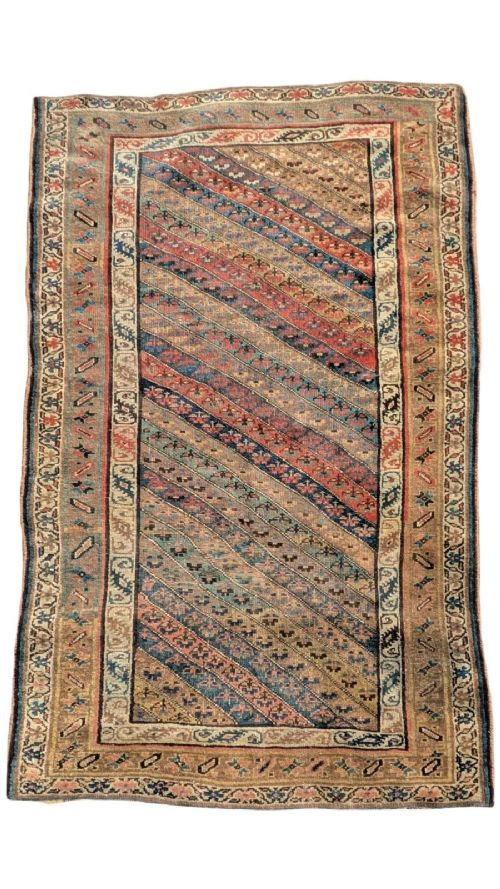
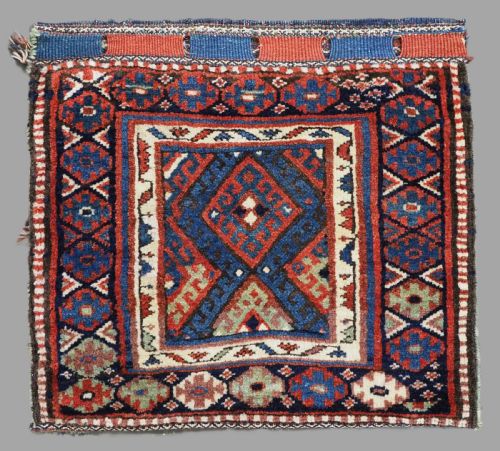
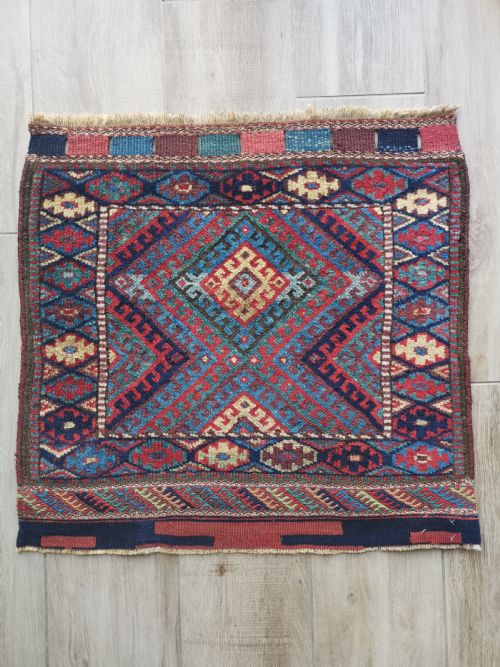
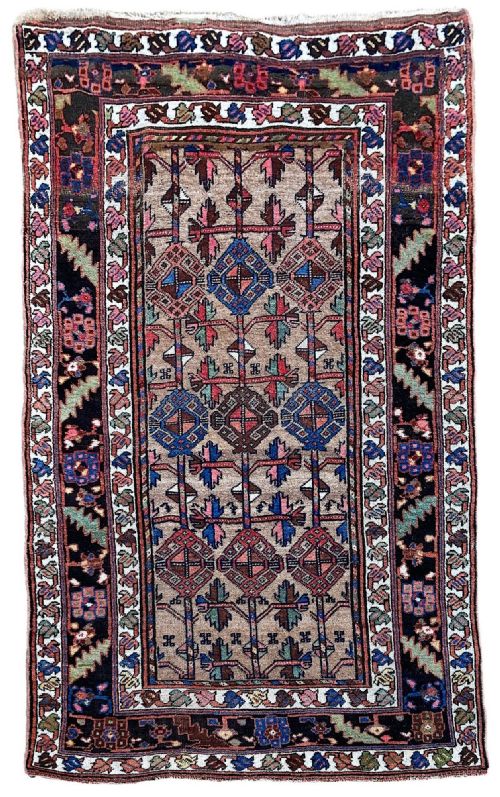
A nomadic kurdish wool rug represents the textile traditions of weavers working across Persian, Caucasian, and East Anatolian regions during the nineteenth and early twentieth centuries. These pieces encompass various practical household formats, from standard area rugs and long runners to smaller utility items like saddlebag faces, wheat sacks, and complete bags.
The most frequent examples encountered on this page date from the late nineteenth century up to the 1920s, reflecting periods such as 1880, 1890, 1900, 1910, and 1920. Specific tribal sub-groups like the Jaf and Quchan Kurds emerge repeatedly in the listings, alongside broader Kurdish tribal and nomadic styles.
Buyers look for these textiles to introduce authentic tribal character and geometric motifs into interior spaces. The range includes items finished with plain weave backs or adapted into cushions and pillows, demonstrating the utilitarian origins of these historic weavings.
Materials and construction methods
The primary material underpinning these textiles is wool, frequently processed as hand-spun wool to create resilient pile surfaces and sturdy foundations. Goat hair also appears in the construction, particularly in bag pieces, adding extra durability to the edges and structural elements.
Weavers utilised natural dyes to colour the wool, producing the characteristic palette found across Kurdish tribal and nomadic work. Plain weave techniques complement the knotted pile sections, particularly on bag faces and complete storage pieces.
Several items survive simply as the decorative faces of ancient storage bags, sheared away from their plain weave backs long ago.
Factors influencing quality
Quality in these textiles depends on the fineness and consistency of the hand-spun wool, which dictates the handle and longevity of the pile. Tighter knotting and precise execution of geometric motifs like Memling guls or latch hook medallions separate standard utility pieces from finer examples.
The integrity of the structural elements, such as surviving plain weave backs on bags and the stability of goat hair selvedges, preserves the historical context of the piece. Well-preserved natural dyes and clear drawing within shrub or medallion designs elevate the overall visual impact.
The Nomadic Kurdish Wool Rug Glossary
- Gul
- A medallion motif often repeated across tribal carpets. These octagonal or gabled designs frequently identify specific weaving groups.
- Chanteh
- A small traditional tribal bag or carrier. These miniature textiles were utilised for personal possessions by nomadic weavers.
- Juval
- A large storage sack produced by nomadic tribes. They were traditionally used for household goods inside tents.
- Plain weave
- A fundamental textile structure without pile. This technique forms the back sections of nomadic storage bags.
- Latch hook
- A geometric motif featuring stepped edges along a central medallion or border. It appears frequently in Caucasian and Kurdish tribal designs.
Nomadic Kurdish Wool Rug: Frequently Asked Questions
How were these rugs originally used?
Nomadic weavers created these wool textiles for daily utility within tent and village life, using them as floor coverings, sleeping mats, and storage containers for grain or personal belongings.
Smaller formats such as saddlebag faces and wheat sacks served practical transport functions before surviving as decorative fragments and collectors' items.
How do I care for an old wool rug?
Protect the textile by vacuuming gently without a rotating brush head and placing a breathable underlay beneath it to prevent slipping and friction against the floor.
Keep the piece away from direct, prolonged sunlight to preserve the natural dyes, and consult a specialist in historic textiles for cleaning.
What defines Jaf Kurdish pieces?
Jaf Kurdish textiles are recognised by specific repeating geometric patterns and distinct structural traits linked to the Jaf tribe. These often manifest as compact bags or rug formats featuring durable wool and characteristic tribal layouts.
The presence of original plain weave backs on Jaf items helps confirm their complete, unaltered state.
How do I distinguish regional styles?
Regional variations appear through distinct structural traits, colour palettes, and specific motif arrangements associated with areas like Quchan or East Anatolia. Quchan Kurdish pieces often incorporate regional Persian influences alongside traditional tribal designs.
Examining the handling of wool, secondary materials like goat hair, and structural knotting helps separate one tribal working area from another.