





Vintage Ethnic Wool Carpet
A vintage ethnic wool carpet brings centuries of nomadic design and rich textile tradition directly onto your floor.
Vintage Ethnic Wool Carpet
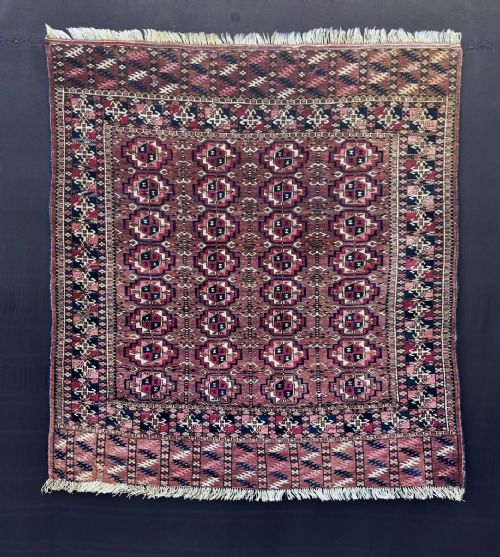
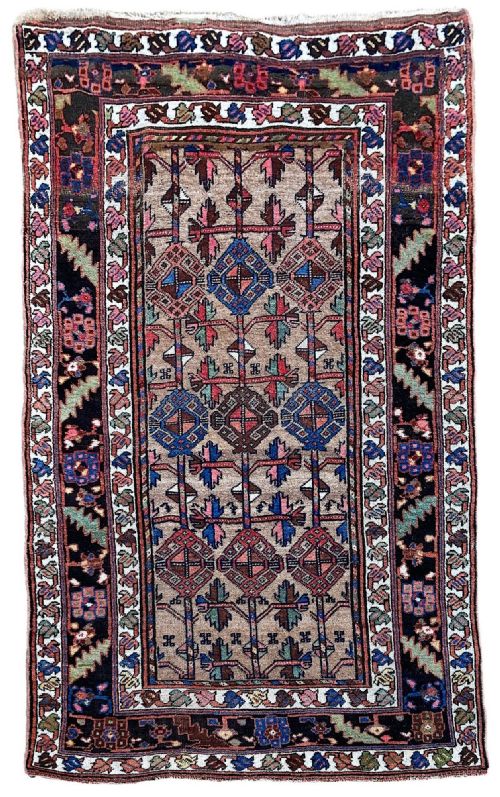
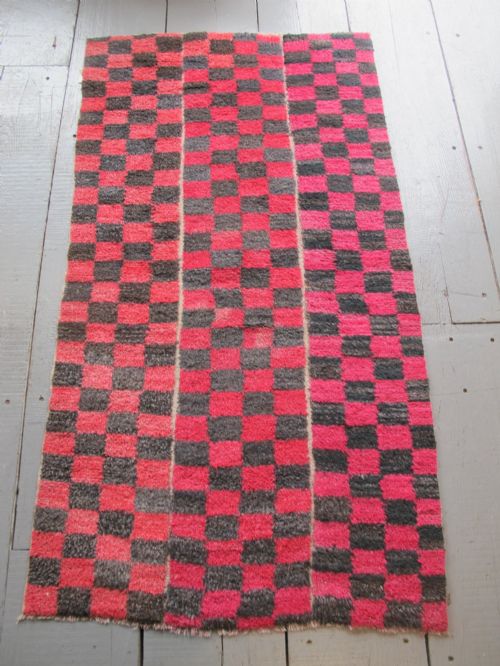
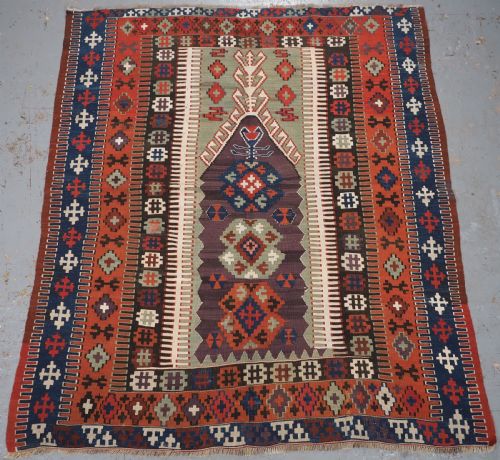
A vintage ethnic wool carpet encompasses tribal textiles and nomadic weavings originating from regions such as Central Asia, Persia, Turkey, and Tibet. When you search for this phrase, you encounter pieces that range from Kurdish runners and Yomut wedding rugs to flat-woven kilims and meditation mats.
Each rug reflects the distinct cultural identity of the makers, utilising traditional motifs passed down through generations. Whether sourced from the Trans-Caspian steppes or the mountains of Kurdistan, these carpets offer substantial character and historical depth.
Materials and construction
The primary material across these pieces is wool, frequently complemented by hand-spun wool and cotton foundations, alongside occasional use of goat hair for structural durability. Artisans spun the fibres by hand before applying natural dyes to achieve deep, lasting tones.
Weaving techniques vary between knotted-pile carpets and flat-woven kilims, each demanding precise handwork on traditional upright or horizontal looms. The density of the weave and the preparation of the animal fibres dictate the weight and tactile feel of the finished textile.
Materials documented in the inventory include Tibetan wool, goat hair, cotton, and standard sheep wool.
Judging the quality
Quality in these textiles depends heavily on the tightness of the weave and the integrity of the materials. Tighter knots and well-prepared hand-spun wool yield a denser, more resilient floor covering that withstands decades of regular use.
Visual harmony and the complexity of the tribal design also separate finer examples from standard village work. The depth of the natural dyes and the preservation of the original borders indicate a higher level of craftsmanship during production.
The Vintage Ethnic Wool Carpet Glossary
- Kilim
- A flat-woven carpet or rug produced without a pile, traditionally utilised across Turkey, the Balkans, and the Caucasus.
- Runner
- A long, narrow carpet format specifically suited for hallways, corridors, or narrow spaces.
- Kap
- A traditional Turkmen storage bag or trapping, often woven in pile technique with geometric gul motifs.
- Medallion
- A central decorative motif or design element placed in the middle field of a carpet.
- Prayer rug
- A small rug featuring a mihrab or niche design, traditionally used for daily Islamic prayers.
Vintage Ethnic Wool Carpet: Frequently Asked Questions
How do I clean a wool carpet?
Regular gentle vacuuming without a beater bar removes surface dust and prevents dirt accumulation within the wool pile.
Professional specialist cleaning remains essential for deep washing to protect the natural lanolin and dyes.
Where were these carpets made?
The pieces originate from nomadic and village communities across Central Asia, Turkey, Persia, and the Balkans.
Specific weaving groups include Kurdish tribes, Yomut and Teke Turkmen, and workshops in regions like Pirot and Sarkoy.
Can I place these on heated floors?
Wool and cotton natural fibres tolerate moderate underfloor heating quite well when paired with a breathable underlay.
Excessive direct heat can dry out the natural wool oils over time, so checking temperature limits is advisable.
How do I date an old carpet?
Dating relies on examining the types of wool, the chemical or natural origin of the dyes, and stylistic design markers.
Comparing structural knotting styles with documented examples from specific periods helps narrow down the decade of production.