



Nomadic Embroidery
Nomadic embroidery brings tactile Central Asian tribal artistry into modern interiors through authentic wall hangings and ceremonial textiles.
Nomadic Embroidery
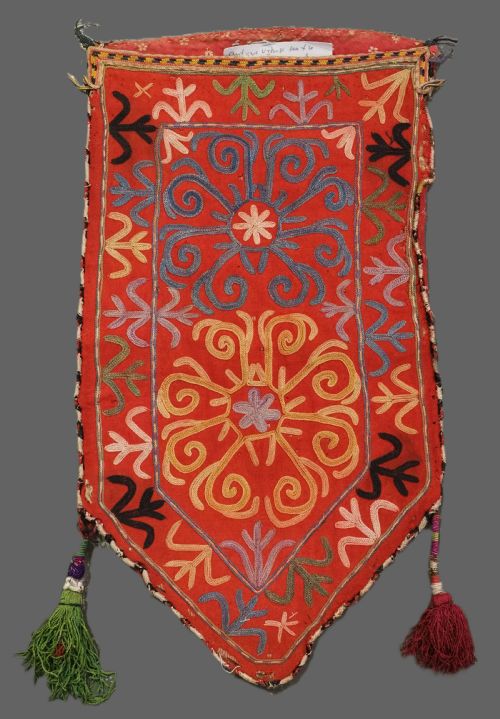
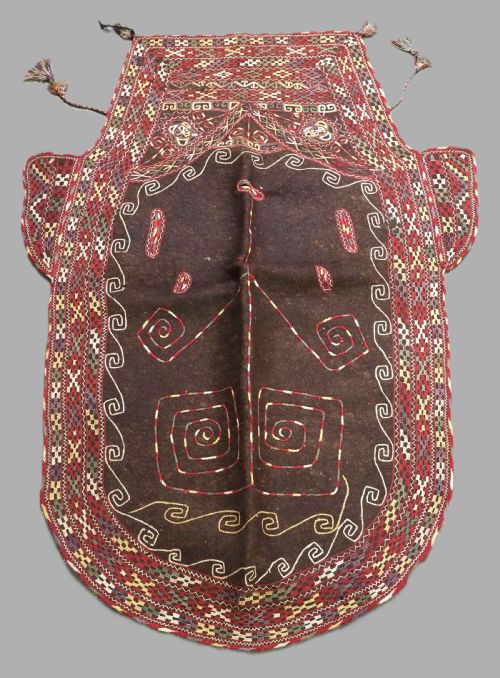
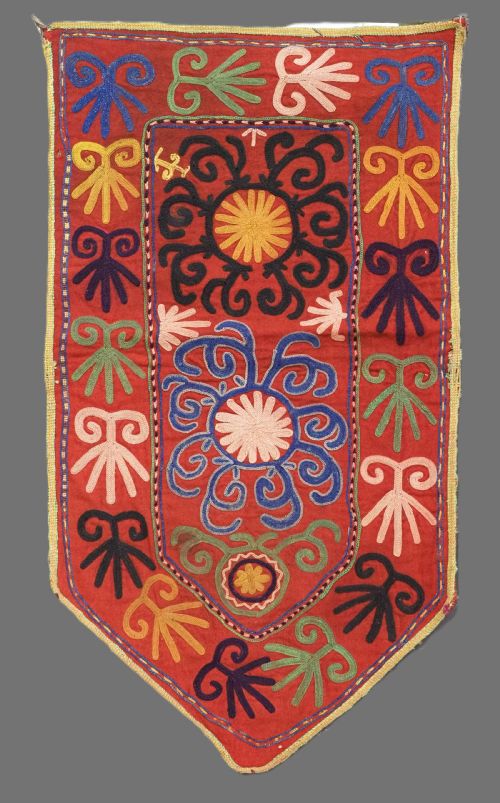
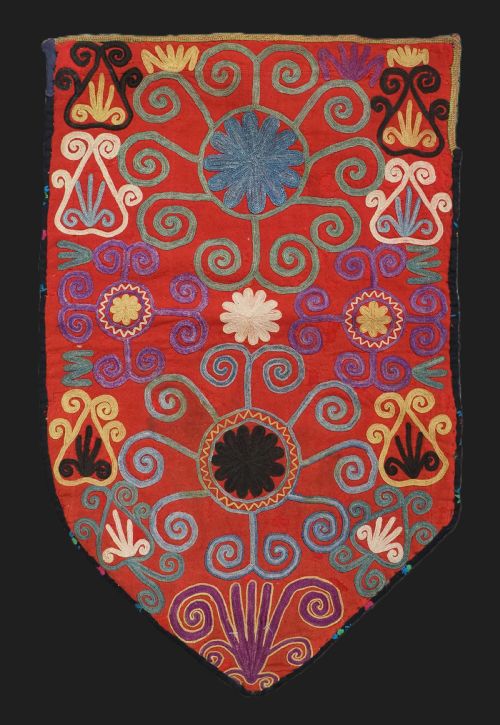
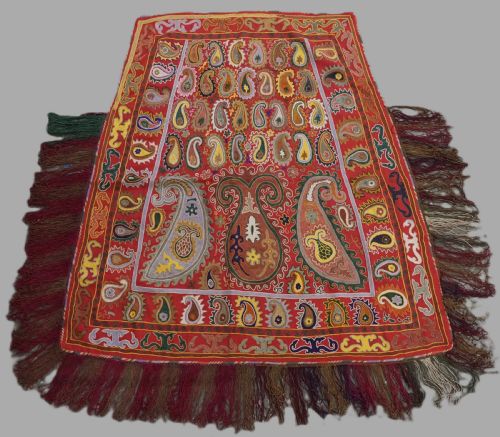
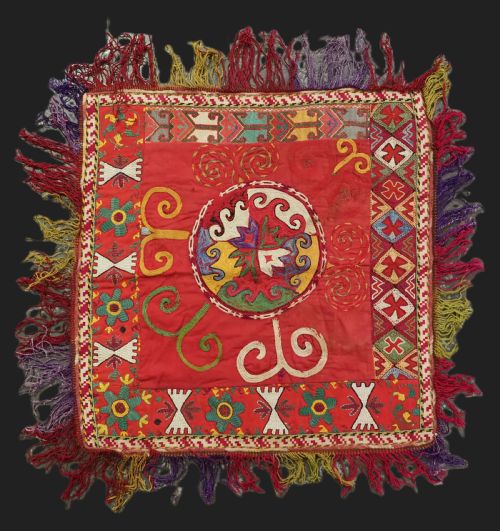
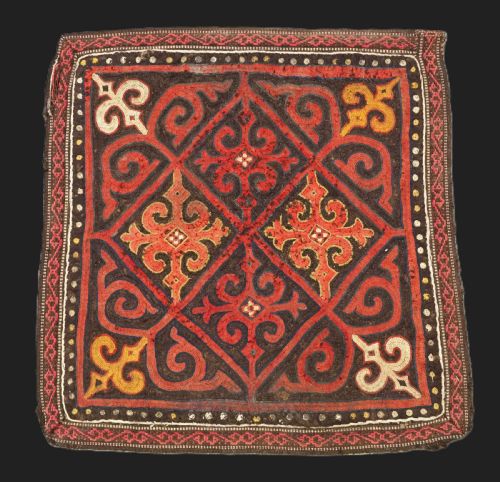
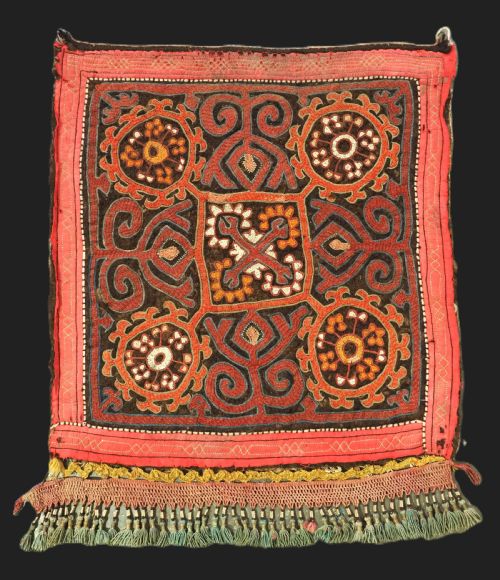
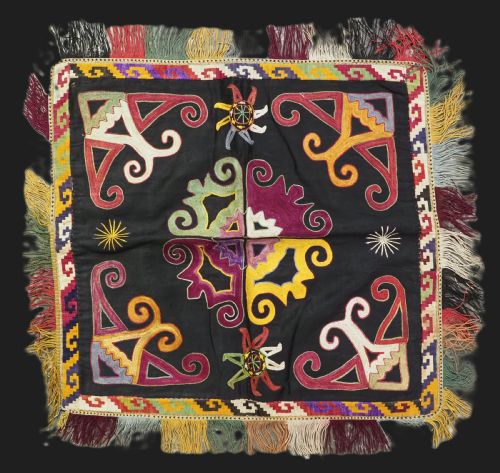
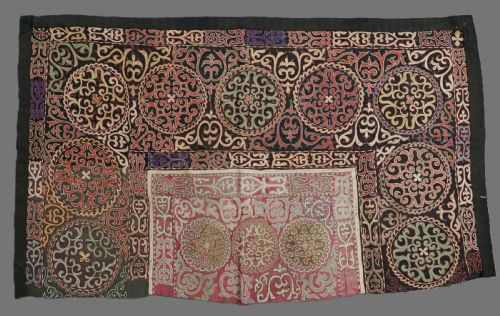
Nomadic embroidery encompasses traditional Central Asian tribal textiles, most frequently represented here by Uzbek Lakai dowry wall hangings, Turkmen horse blankets, and Kyrgyz felt panels. These pieces originate from communities across Central Asia and India, created to adorn nomadic dwellings and celebrate significant life events.
Tribal groups such as the Lakai, Yomut, and Ersari produced distinct regional designs that reflect their specific heritage. These historic textiles function primarily as wall decorations and textile panels in contemporary homes.
Materials and construction
Artisans constructed these textiles using wool, cotton, and felted wool as ground fabrics, often applying silk thread for detailed embroidery work. Many items incorporate heavy woollen backings or red wool grounds to support intricate stitching.
Makers utilised specialised techniques such as applied fringe, horsehair tassels, and double-faced embroidery to finish utilitarian and ceremonial objects. The combination of dense felt and fine silk highlights demonstrates skilled handcrafting traditions.
Nomadic Embroidery Retail Price Guide 2026
Typical asking prices for nomadic embroidery among the pieces listed under this phrase on Sellingantiques today, from the lower quarter to the upper quarter. They describe what is for sale here now, not the wider market.
The listings feature textiles spanning the period from 1880 to 1930, focusing on Central Asian tribal workshops.
Distinctions in quality
Quality varies according to the density and precision of the needlework, with finer silk highlights and complex geometric patterns elevating certain pieces. The condition of the wool or felt ground and the integrity of applied elements also dictate the standard.
Examples featuring unusual formats, such as double-faced construction or integrated horsehair tassels, demonstrate superior artisan skill. The visual impact depends on the preservation of vibrant thread colours against the original fabric ground.
The Nomadic Embroidery Glossary
- Ilgich
- An embroidered wall hanging or dowry textile created by Central Asian tribal groups. These panels were traditionally used to decorate the interior of nomadic tents.
- Uut kap
- A storage bag or bag face originating from Central Asian tribes, frequently embellished with elaborate embroidery.
- Tush kyiz
- A large, highly ornate embroidered yurt wall hanging traditionally made by Kyrgyz women to mark a marriage.
- Torba
- A small Turkmen wall bag or tent hanging featuring patterned faces designed for domestic storage.
- Suzani
- A type of embroidered tribal textile from Central Asia, often worked in silk on a cotton or wool ground.
Nomadic Embroidery: Frequently Asked Questions
What is nomadic embroidery?
Nomadic embroidery refers to hand-stitched textiles created by tribal communities in Central Asia and neighbouring regions. These pieces served practical and decorative functions within nomadic tent dwellings.
Items range from wall hangings and dowry panels to horse blankets and storage bag faces. They typically combine wool, cotton, and felt bases with silk thread embroidery.
How were these textiles used?
Tribal groups utilised these embroidered pieces to furnish and decorate their portable homes, known as yurts. Many functioned as wall hangings, bedding decorations, or ceremonial covers.
Special items like horse blankets and saddle covers played a role in tribal ceremonies and dowry displays. They brought colour and status markers into daily nomadic life.
How do I hang nomadic embroidery?
Most textile panels and wall hangings require a careful mounting method to distribute weight evenly across the fabric. Conservation-grade Velcro or a custom fabric sleeve stitched to the reverse works well for display.
Avoid direct, bright sunlight to protect natural silk and wool threads from fading. Professional framing under UV-filtered glass offers additional security for delicate pieces.
How do I care for antique textiles?
Gentle maintenance involves occasional light vacuuming through a mesh screen to remove surface dust without pulling loose threads. Keep the environment dry and well-ventilated to prevent moisture damage to wool and felt.
Avoid chemical cleaning methods unless handled by a textile conservator. Proper mounting prevents physical stress on the antique fibres over time.