




Nomad Wool Rug
A nomad wool rug brings the tactile geometry of nineteenth-century tribal weavers directly into modern interiors.
Nomad Wool Rug
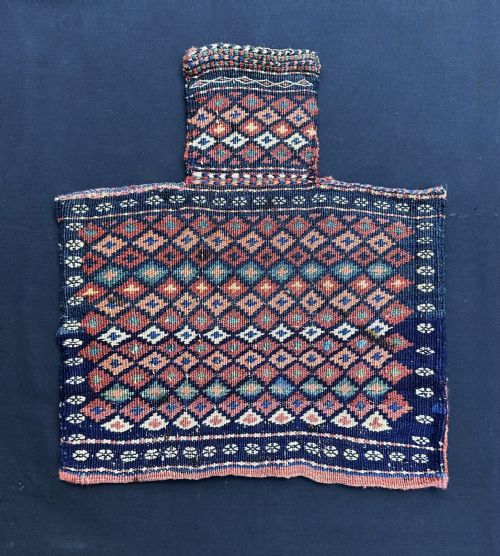
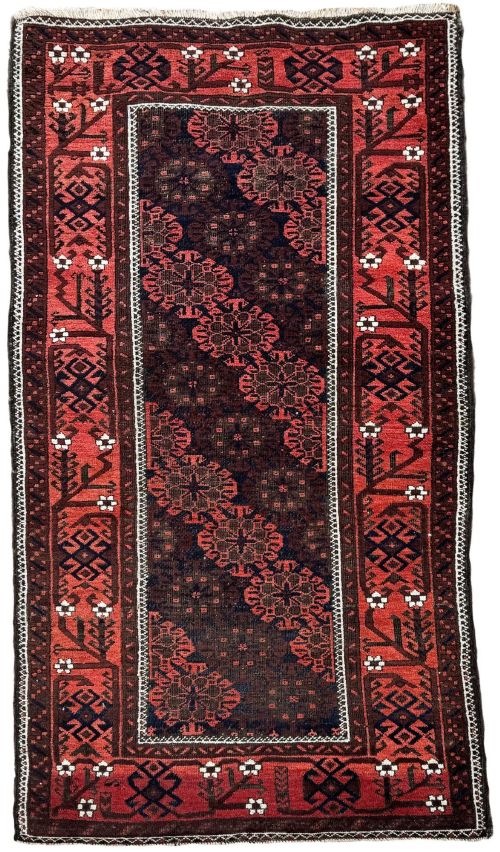
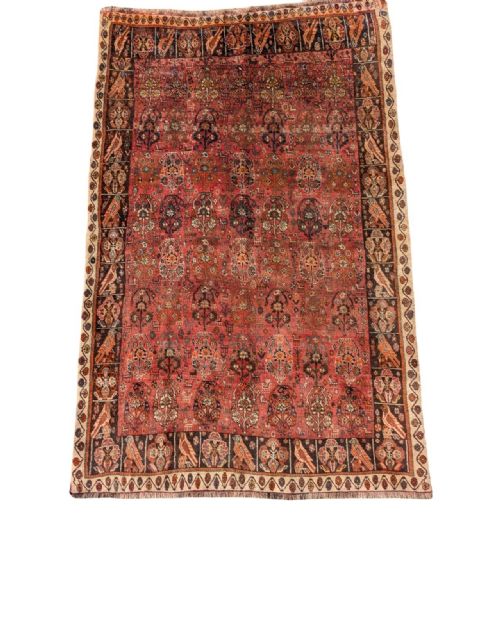
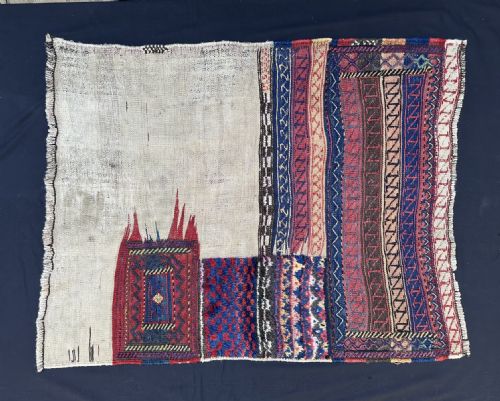
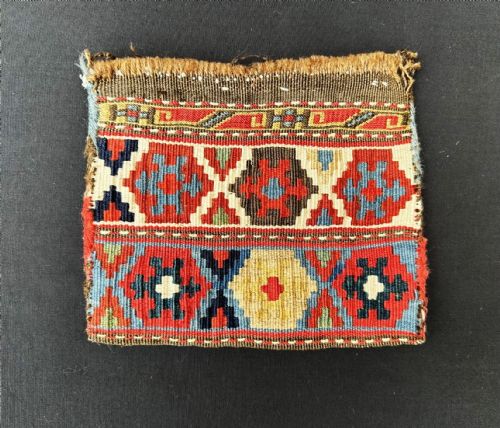
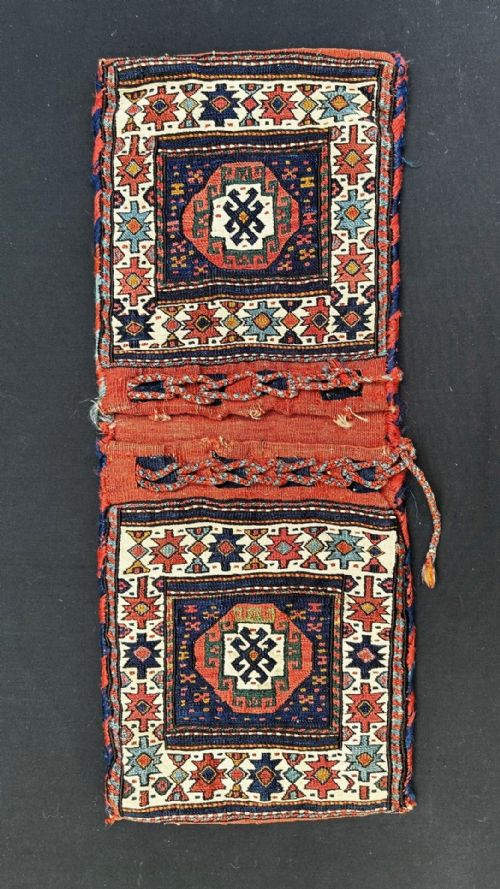
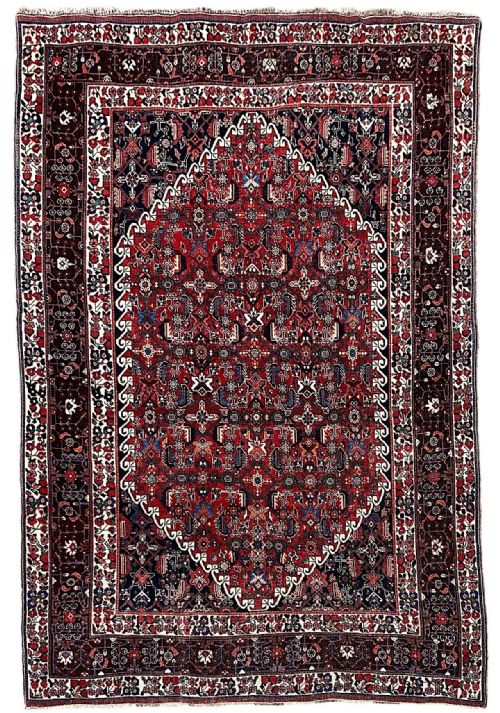
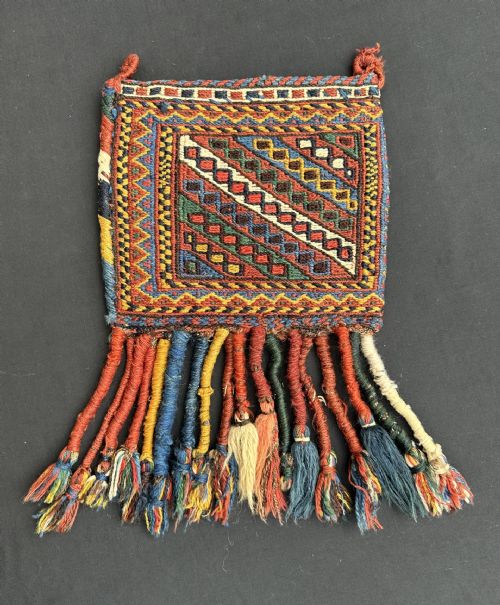
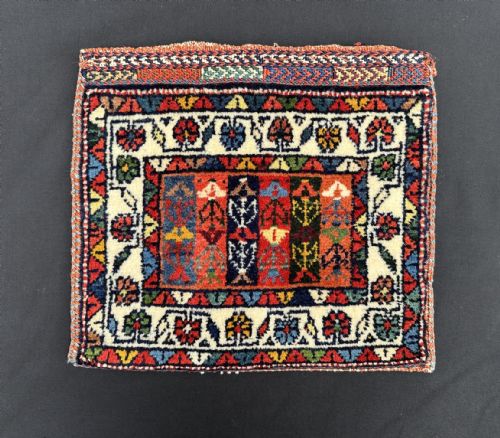
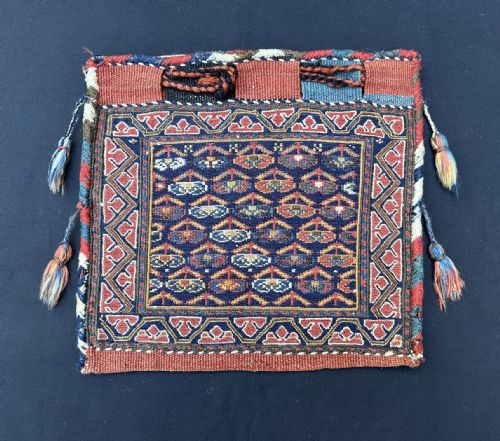
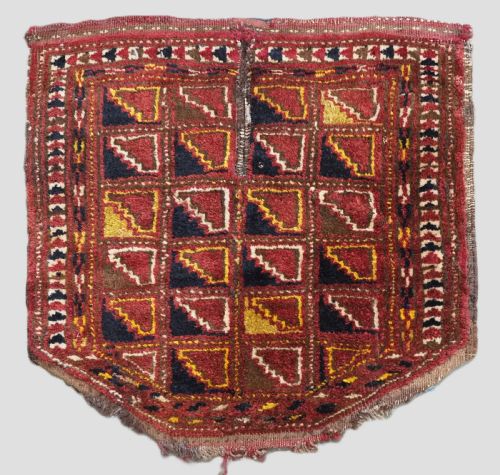
When you examine a nomad wool rug, you encounter hand-knotted and flat-woven pieces produced by tribal groups across Persia, the Caucasus, and Central Asia during the nineteenth and early twentieth centuries. These textile items encompass full-sized carpets, prayer rugs, and functional utilitarian objects such as bread sofrehs, salt bags, saddle bags, and camel headdresses. The forms reflect the nomadic lifestyle, prioritizing portable household furnishings and animal trappings over static decor.
The objects appearing in this selection span specific tribal identities including Afshar, Shahsevan, Lori-Bakhtiari, Tekke Turkmen, Yomut, Ersari, Baluch, and Qashqai weavers. Pieces range from small vanity bags and spindle bags to room-sized carpets and long runners. Each region and confederation utilised distinct structural layouts, border motifs, and medallion systems.
The dominant material foundation relies on sheep wool, frequently accompanied by cotton foundations, goat hair edgings, camel wool, and decorative cowrie shell attachments. The aesthetic vocabulary draws upon tribal heritage, incorporating geometric guls, dragon and phoenix motifs, curled leaves, and animal forms. This creates an inventory defined by utility translated into expressive tribal art.
Materials and construction methods
Weavers utilised hand-spun wool for the pile and foundation yarns, yielding variable textures and natural lanolin retentions that aged with deep patinas. Natural dyes provided the chromatic palette, interacting with the wool fibres to produce rich, saturated hues that softened unevenly over decades of exposure and use. Artisans incorporated supplementary materials like camel wool for softness and goat hair along the selvages to withstand the friction of nomadic travel.
Construction techniques encompassed standard symmetric and asymmetric knotting alongside flat-weaving methods such as soumak work. Nomad weavers constructed smaller functional pieces like salt bags and saddle bag faces with tight structural integrity to contain grains or personal items during migrations. The integration of mixed techniques, including supplementary weft-wrapping, produced durable surfaces capable of handling heavy daily contact.
Nomad Wool Rug Retail Price Guide 2026
Typical asking prices for nomad wool rug among the pieces listed under this phrase on Sellingantiques today, from the lower quarter to the upper quarter. They describe what is for sale here now, not the wider market.
Several bags retain their original cowrie shells, once attached to ward off the evil eye during desert migrations.
Evaluating quality and execution
Superior examples of a nomad wool rug display exceptional handle, where the density of the hand-spun wool and the precision of the knotting create a supple yet resilient fabric. The depth and clarity of the natural dyes determine visual hierarchy, with well-preserved chromatic saturation elevating the piece. Mastery of tribal design grammar, such as accurately proportioned guls or balanced border systems, distinguishes expert village and tribal work from ordinary production.
The Nomad Wool Rug Glossary
- Sofreh
- A flat-woven textile used for serving or kneading bread within nomadic households. These items frequently feature geometric field patterns.
- Chuval
- A large tent bag utilised by Turkmen nomads for storage inside the yurt. They are typically collected as decorative face panels.
- Torba
- A smaller Turkmen storage bag hung against the tent wall. They often display repeating gull motifs and detailed border work.
- Soumak
- A flat-weave technique involving wrap-sewing weft threads over the warp to create a durable, textured surface. It appears frequently on salt bags and animal trappings.
- Gul
- A primary medallion or repeating octagonal motif used extensively by Central Asian and Turkmen tribal groups. Variations help identify specific weaving tribes.
- Khorjin
- A traditional pair of saddle bags designed for transport on animals during migrations. Surviving examples are often separated into individual half-bags.
Nomad Wool Rug: Frequently Asked Questions
How were these tribal bags used originally?
Nomadic groups utilised these textiles for practical storage during seasonal migrations across Persia and Central Asia. Items such as salt bags, bread sofrehs, and saddle bags held provisions, grain, and personal possessions inside portable tents.
Over time, these functional objects became canvases for tribal artistry, expressing clan identity and hereditary design patterns through wool and natural dyes.
How do I care for an antique wool rug?
Vacuum these textiles gently with suction only, avoiding rotating brush bars that can pull hand-spun wool pile. Keep them away from direct, continuous sunlight to protect the natural dye colours from fading.
Professional cleaning tailored for antique tribal textiles should occur infrequently, handled exclusively by specialists familiar with historic wool and natural colourants.
How do I identify different tribal weaving styles?
Distinguishing tribal origins involves examining the specific structural layout, palette choices, and repeat motifs like guls or medallions. Afshar and Qashqai pieces often display distinct indigo grounds and detailed geometric animals, while Turkmen groups favour deep madder reds and octagonal guls.
Material choices, such as camel wool or goat hair borders, also provide clues to the specific nomadic confederation that produced the textile.
Can these antique rugs be used on floors?
Many sturdy tribal rugs and long carpets function well in low-traffic areas of the home when paired with a quality rug underlay. Smaller pieces like salt bags, bread sofrehs, and torba faces are generally too delicate for floor placement and are better suited for wall display or tabletop use.
Assessing the pile depth and structural integrity of the foundation wool helps determine whether a piece can handle foot traffic.