



Nobleman Wall Art
Nobleman wall art brings commanding historic presence to a room through painted portraits of aristocracy.
Nobleman Wall Art
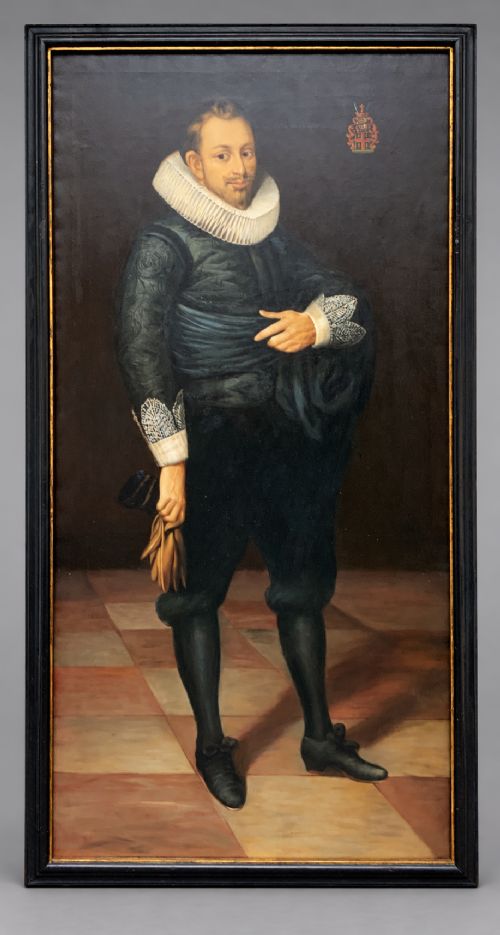
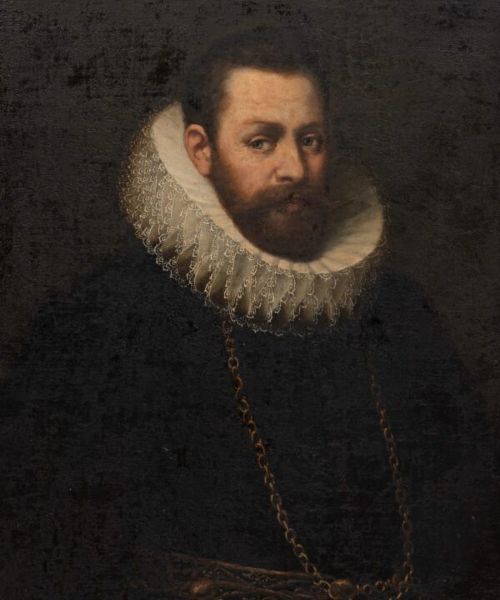
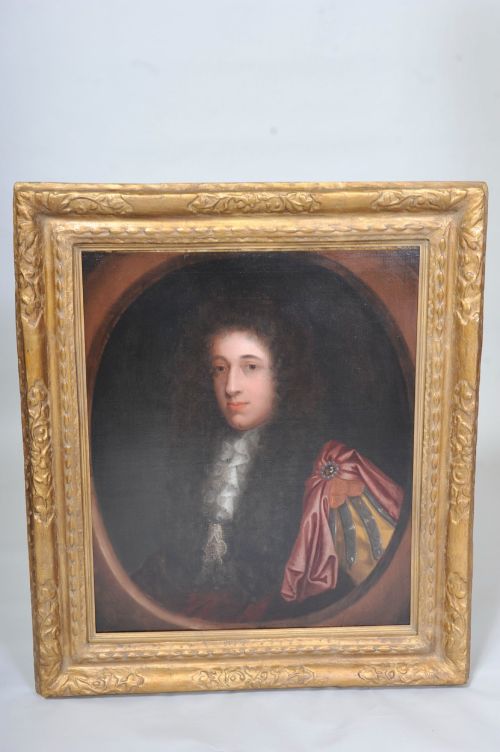
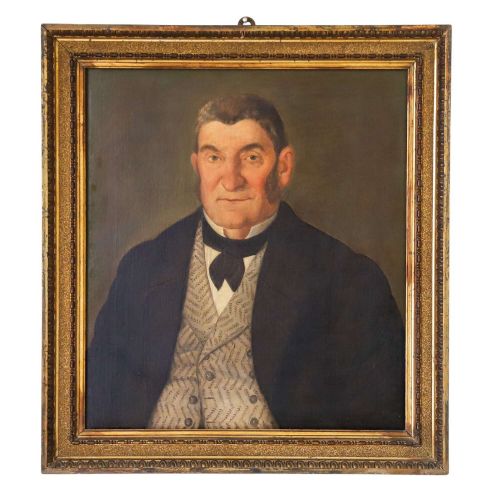
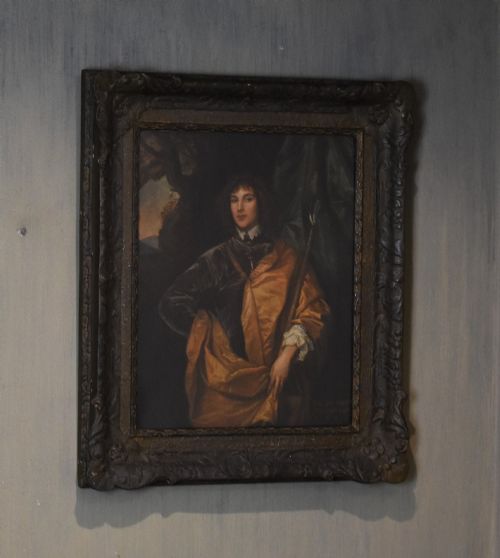
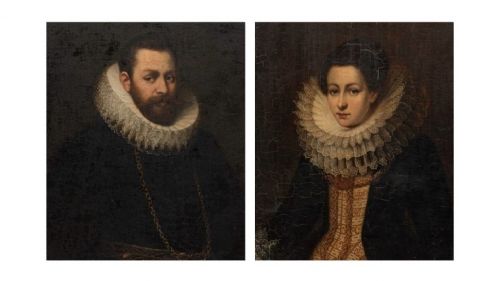
When you search for nobleman wall art, you are looking at historic portraiture depicting aristocrats, gentlemen, and figures of status across various centuries. The pieces range from grand oil paintings on canvas to framed prints and Italian tapestries in gilt frames.
The version you are most likely to meet on this page is the nineteenth-century interpretation or revival piece, alongside genuine seventeenth-century works and later twentieth-century studies after earlier masters. Subjects often wear intricate ruff collars, armour, or ceremonial dress such as the Order of the Garter.
Materials and techniques
The primary technique relies on oil paint applied to canvas, often housed within elaborate wooden frames featuring gold leaf, ebonised wood, or gilt moulding. These traditional materials define the physical presence of the portraits.
Framing plays a vital role, with period pieces frequently retaining heavy gilded or moulded surrounds that complement the Baroque, Renaissance Revival, or Elizabethan styles of the artwork.
Nobleman Wall Art Retail Price Guide 2026
Typical asking prices for nobleman wall art among the pieces listed under this phrase on Sellingantiques today, from the lower quarter to the upper quarter. They describe what is for sale here now, not the wider market.
Listings feature oil paintings, framed prints, and tapestries spanning from the seventeenth century through to mid-twentieth-century revivals.
Distinctions in quality
The integrity of the canvas and the originality of the frame also set pieces apart, with period-matching gilt moulding holding greater visual harmony than later replacements.
Cornelis van der Voort·William Aikman·Jean-Baptiste Santerre
The Nobleman Wall Art Glossary
- Ruff collar
- A prominent pleated starched collar worn during the sixteenth and seventeenth centuries, frequently seen framing the subject's neck in these portraits. It demands precise artistic skill to render the intricate folds convincingly.
- Gilt moulding
- A wooden framing element coated with a thin layer of gold leaf or metallic gilt. This finish adds a reflective border that enhances the dark tones typical of historic oil paintings.
- Ebonised wood
- Timber treated to resemble ebony, presenting a dark, dense, polished finish. It provides a stark, formal contrast against gilded elements or bright canvas highlights.
- Baroque
- An ornate artistic style spanning the seventeenth and early eighteenth centuries, characterised by drama, tension, and grand scale. Portraits from this tradition emphasise rich textures and theatrical lighting.
Nobleman Wall Art: Frequently Asked Questions
How do I hang a heavy framed oil portrait safely?
These substantial works require robust wall fixings secured directly into masonry or solid studs rather than standard plasterboard hooks. Utilising heavy-duty picture wire matched to the weight of the wood and gilt frame ensures secure placement.
Position the centre of the portrait at approximately eye level to maintain the historic visual balance intended for such commanding wall art.
What lighting suits historic oil portraits best?
Gentle, indirect lighting prevents glare on the varnished canvas surface while highlighting the rich depth of the oil paint. Avoid direct, intense halogen spotlights that generate heat and risk damaging the historic pigments over time.
Warm LED picture lights positioned just above the frame offer a balanced glow that brings out the intricate details of ruff collars and armour.
How do I distinguish a genuine antique from a later revival piece?
Examine the canvas weave, stretcher bars, and the ageing of the oil paint under magnification for signs of natural craquelure. Revival pieces from the nineteenth or twentieth centuries often utilise different framing techniques and cleaner canvas backs.
Contextual clues such as the style of the dress, including sixteenth-century ruffs, help cross-reference the depicted subject with the likely period of creation.
How do I care for nineteenth-century canvas paintings?
Keep the artwork away from direct sunlight, radiators, and damp environments to prevent the canvas from sagging and the oil paint from cracking. Gentle dusting with a soft, dry ostrich feather brush is sufficient for routine maintenance.
Avoid using water, chemical cleaners, or commercial solvents on the painted surface, as these can permanently dissolve historic varnishes and pigments.