

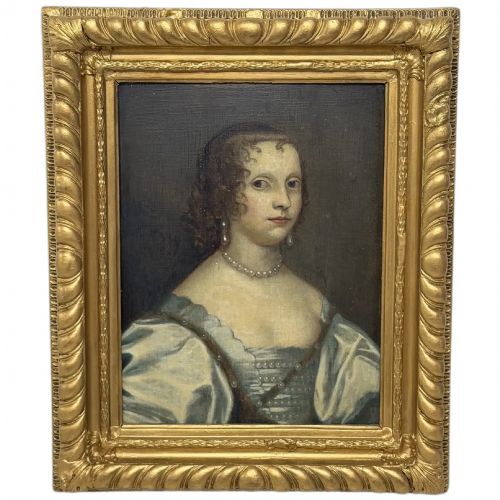


Jacobean Oil Painting
These jacobean oil painting works are historical portraits that capture the distinct attire and status of sixteenth and seventeenth-century subjects.
Jacobean Oil Painting
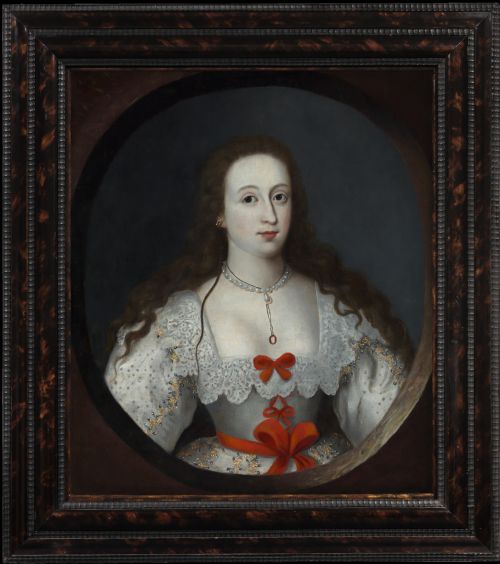
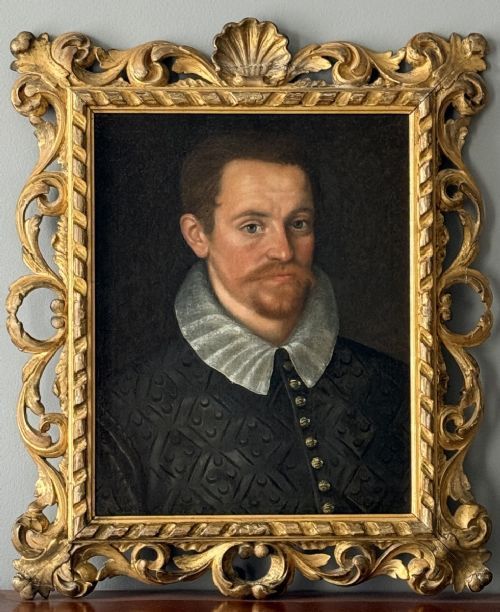
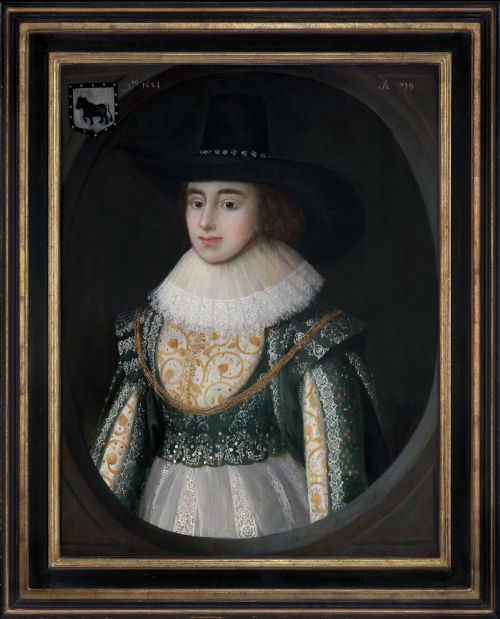
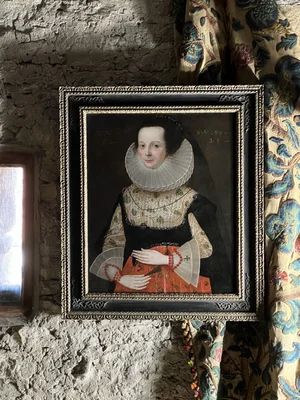
A jacobean oil painting typically presents a bust or half-length portrait of a nobleman, lady, or notable figure rendered in a formal British style. You encounter subjects wearing elaborate ruffs, embroidered doublets, lace collars, and sumptuous jewels that signal their standing.
The works span periods from the sixteenth century through the seventeenth century, with later Victorian and eighteenth-century copies or revivals also appearing. Most surviving examples depict named sitters or members of an English school working within the Jacobean and Elizabethan traditions.
Materials and Construction
Makers applied oil paint to wooden oak panels or stretched canvas supports, sometimes framing the finished work in gilded wood or gold leaf. Panel paintings often utilise sturdy oak substrates that survived centuries while maintaining their structural integrity.
Pigments were layered to build up dense fabrics, skin tones, and metallic details such as the Order of the Garter insignia. Artists worked within established workshop practices, relying on oil mediums to achieve deep tones and durable surfaces.
Jacobean Oil Painting Retail Price Guide 2026
Typical asking prices for jacobean oil painting among the pieces listed under this phrase on Sellingantiques today, from the lower quarter to the upper quarter. They describe what is for sale here now, not the wider market.
Listings feature works spanning four distinct centuries, from sixteenth-century Tudor pieces to Victorian interpretations of earlier subjects.
Judging Quality and Execution
The historical significance of the sitter and the attribution to a known circle or master elevate a piece. Superior examples preserve their original surface and pigment depth despite centuries of ageing.
Cornelius Johnson·Abraham Van Blyenberch·John Bettes the Elder·Gilbert Jackson
The Jacobean Oil Painting Glossary
- Doublet
- A close-fitting man's jacket worn during the sixteenth and seventeenth centuries. This garment often featured heavy embroidery and padding as seen in early portraits.
- Ruff
- A large pleated collar worn by men and women in the Elizabethan and Jacobean periods. It denoted wealth and social status through its stiffened construction.
- Oak Panel
- A rigid wooden support made from oak boards used by artists before canvas became dominant. These panels provide a stable ground for early oil paintings.
- Circle of
- A designation indicating that an artist worked closely within the style and workshop of a master. It denotes proximity to a known hand without direct attribution.
Jacobean Oil Painting: Frequently Asked Questions
How do I identify a true Jacobean portrait?
Look for stiff, formal poses, flat lighting, and detailed period costume such as ruffs and embroidered doublets. These visual markers align with sixteenth and seventeenth-century British painting conventions.
Examine the support material and preparation layers where possible, as authentic pieces frequently utilise oak panels or early canvas with craquelure appropriate to their age.
What is the difference between panel and canvas works?
Oak panels provide a rigid, heavy support typical of earlier sixteenth and seventeenth-century works. Canvas supports became more widespread later and allow for larger compositions.
Both materials require stable environmental conditions to prevent warping of the wood or slackening of the fabric over time.
How should I care for an old oil painting?
Keep the artwork away from direct sunlight and maintain stable indoor humidity and temperature levels. Fluctuations can cause the wooden panels or canvas grounds to expand and contract.
Dust the surface gently with a soft, dry brush and avoid using chemical cleaners or water on the paint layer.
Who are the typical sitters in these works?
Portraits often depict nobility, landed gentry, playwrights, explorers, and clergymen of the era. Their identities are sometimes inscribed directly onto the canvas or panel.
Many sitters wear specific insignia, such as the Order of the Garter, which connect them to royal or historical events.