
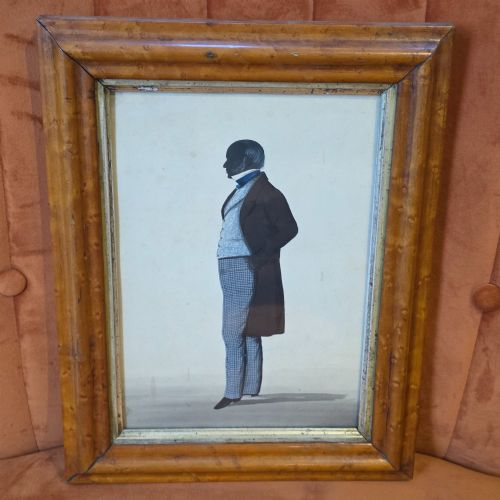


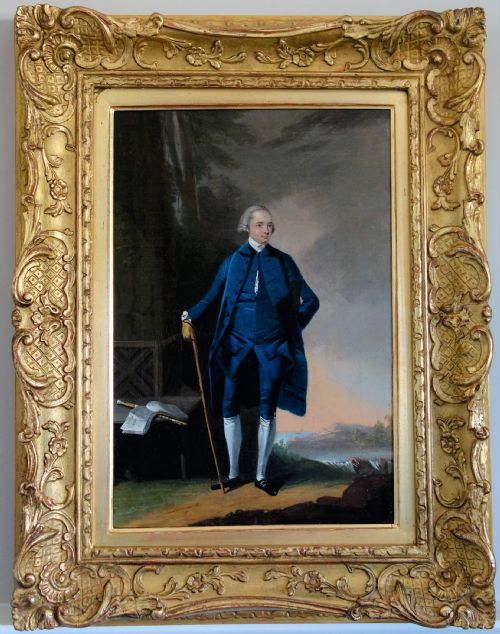


Full Length Portrait Painting
A full length portrait painting captures a figure from head to toe, offering a commanding presence through oil paint on canvas or hand-cut paper silhouette.
Full Length Portrait Painting
When you search for a full length portrait painting, you encounter works depicting subjects from head to toe, spanning centuries from the 18th century to the mid 20th century. These pieces record military figures, nobility, and elegant ladies in oil paint, canvas, wood, and paper silhouettes.
The version you are most likely to meet on this page is an oil painting on canvas from the Victorian or 19th century periods, alongside detailed paper silhouettes. Subjects range from Tudor English kings and military Hussars to young boys and elegant ladies.
Mannerist and revival styles also appear, reflecting Dutch Golden Age compositions and Elizabethan or Tudor revivals. Framed artwork forms the primary medium for these full length depictions.
How They Were Made
Artists applied oil paint onto canvas or vinyl canvas, supported by wooden frames and giltwood surrounds. These materials provide the structural foundation for the large oil paintings seen across the period.
Silhouettes utilise ink and paper, involving precise hand-cut techniques executed by skilled practitioners. Glass protects both paper works and framed canvas pieces from environmental damage.
What Varies In Quality
The handling of the subject's anatomy, costume details, and facial expression dictates the success of a full length portrait painting. Finer works demonstrate confident brushwork in rendering fabrics, lace, and hands.
The composition and scale influence the visual impact, where larger canvases by established hands or followers of notable painters exhibit superior depth and presence.
Philip Mercier·Edward Alcock·William Salter·John Singer Sargent·Daniel Mytens
The Full Length Portrait Painting Glossary
- Oil paint
- A slow-drying medium consisting of pigments suspended in a drying oil, typically linseed oil. It allows artists to achieve rich colour depth and smooth tonal gradations.
- Silhouette
- A portrait represented as a solid shape of a single colour, usually black, matching its subject's outline. These were typically cut from paper or painted in ink.
- Giltwood
- Wood that has been treated with gold leaf or a gold-coloured metallic finish. It frequently frames traditional oil paintings from the 18th and 19th centuries.
- Vinyl canvas
- A synthetic support material utilised in specific revival or reproduction works for durability. It mimics the texture of traditional woven canvas.
- Manner portrait
- A work executed in the style or manner of a previous artistic period or master. These pieces borrow compositional elements from earlier centuries.
Full Length Portrait Painting: Frequently Asked Questions
How do I hang a large portrait?
Ensure the wall structure and fixings support the weight of the wooden frame and canvas. Large works require secure picture wire and heavy-duty wall hooks.
Position the centre of the painting at eye level to maintain balanced proportions within the room.
What frames suit these paintings?
Giltwood frames complement traditional oil paintings from the 18th and 19th centuries. They provide an appropriate historical context and visual boundary.
Simpler wooden frames often accompany silhouettes and later 20th-century works to maintain a cleaner aesthetic.
How do I clean an oil painting?
Dust the surface gently with a soft, dry brush to remove loose particles. Avoid using water, household cleaners, or chemical solvents on the paint layer.
Consult a professional conservator for deeper cleaning or varnish removal to prevent damaging the canvas.
How are silhouettes dated?
Examine the costume, hairstyle, and paper type for clues regarding the period. Gentlemen's attire and ladies' bonnets offer precise chronological indicators.
Signatures, inscriptions on the reverse, or attribution to known cutters also help establish the date.