




Nineteenth Century Tribal Weaving
Nineteenth century tribal weaving encompasses hand-knotted rugs, bags and domestic trappings made by nomadic and village communities across Central Asia, the Caucasus and Persia.
Nineteenth Century Tribal Weaving
Nineteenth century tribal weaving consists primarily of utilitarian objects created by nomadic and village groups for daily life, including storage bags, tent bands, prayer rugs and floor carpets. These pieces were made by weavers working within specific tribal traditions, passing down distinct patterns and structural methods through generations.
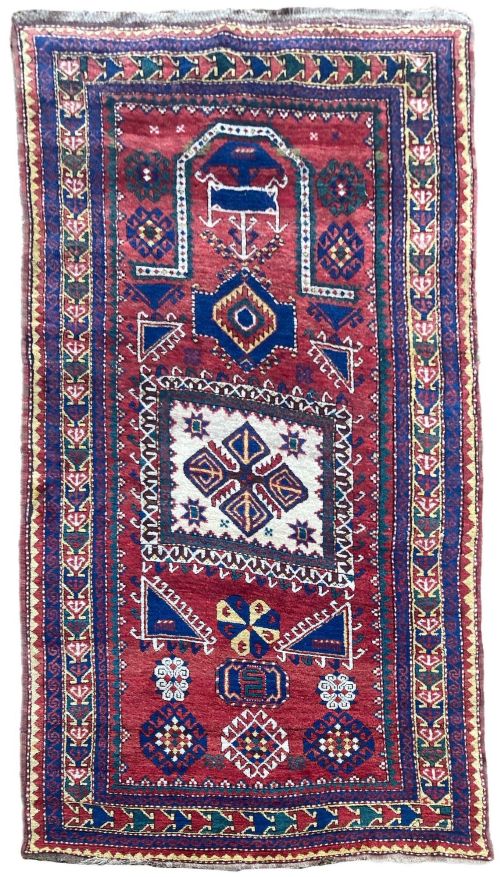
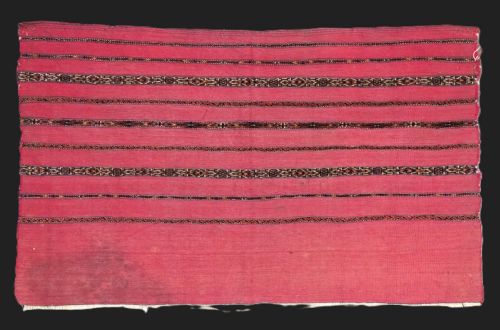
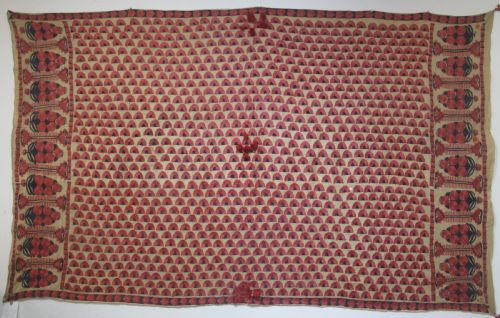
The selection on this page leans heavily toward Turkmen work, particularly Tekke, Yomut and Ersari chuvals and torbas, alongside Caucasian Kazak rugs, Shahsavan soumaks and Baluch pieces. Buyers encounter various formats, from complete carpet formats down to small functional saddlebags and camel bag faces.
Objects range from household furnishings made for nomadic encampments to village workshop carpets woven in Persia and the Caucasus. Each grouping displays the characteristic palette, iconography and knotting technique of its specific region of origin.
Materials and construction methods
The foundational material across these textiles is hand-spun wool, utilised for both pile and foundation yarns, occasionally supplemented by cotton for whites and silk or silk thread for specific highlights and details. Natural dyes and vegetable dyes provide the saturated palette, yielding deep reds, indigos and ivory grounds that age with patination.
Techniques vary from symmetrical and asymmetrical knotting in floor rugs to flatwoven soumak structure on bag faces and complex warp-faced bands. Artisans incorporated supplementary materials such as glass beads and integrated plain weave wool backs on functional storage pieces.
One nineteenth century rug charmingly depicts a pattern known locally as pecking chickens.
Distinctions in quality and execution
Quality in nineteenth century tribal weaving rests upon the handle and density of the weave, with finer knot counts allowing for sharper drawing of geometric guls and motifs. The handling of natural dyes dictates the depth of the colour palette, where variation in tone adds visual resonance.
Condition and completeness elevate specific examples, particularly when original plain weave backs, side corded selvages and complete ends remain intact on bag faces and torbas. The precision of the tribal drawing and the proportion of the secondary ornaments relative to the primary guls separate standard items from exceptional survivals.
The Nineteenth Century Tribal Weaving Glossary
- Chuval
- A large storage bag made by nomadic tribes, typically used inside a tent for bedding or household goods. These pieces usually feature primary guls arranged in rows.
- Torba
- A smaller utilitarian hanging bag used for storage within a nomadic dwelling, often displaying horizontal bands of ornament or specific tribal motifs.
- Soumak
- A flatweave technique where pattern yarns are wrapped over and under the warp threads in a herringbone pattern, producing a sturdy textile without cut pile.
- Gul
- A primary medallion or repeating octagonal motif used in Turkmen and other Central Asian tribal rugs to denote tribal identity and lineage.
- Ensi
- A specific carpet format used as a tent door hanging, characterised by a candelabra or cross-panelled design dividing the field into four quarters.
Nineteenth Century Tribal Weaving: Frequently Asked Questions
What is a chuval used for?
A chuval is a large storage sack produced by nomadic weavers to hold household goods, clothing and bedding inside a yurt or tent.
Because they hung against the interior lattice walls, makers decorated the visible face with repeating guls while leaving the reverse in plain weave wool.
How do you identify a Turkmen torba?
A torba is smaller in scale than a chuval and served as a utility bag for smaller possessions within the nomadic household.
They frequently display specific tribal güls and were often produced as pairs to flank the entrance inside the tent.
What distinguishes soumak weaving from pile rugs?
Soumak is a flatweave technique rather than a knotted pile, created by wrapping coloured weft threads over and under warp threads.
This method produces a dense, durable textile with a textured, ribbed surface often seen on saddlebags and torbas.
How can you tell different tribal groups apart?
Different tribal groups utilised distinct structural habits, wool qualities and specific drawing styles for their primary medallions.
Tekke, Yomut, Ersari and Shahsavan weavers each employed characteristic palettes and border arrangements passed down through generations.