



Nineteenth Century Style Portrait
Nineteenth century style portrait pieces bring historical character into a room, spanning oil paintings, busts, and framed works influenced by earlier eras.
Nineteenth Century Style Portrait
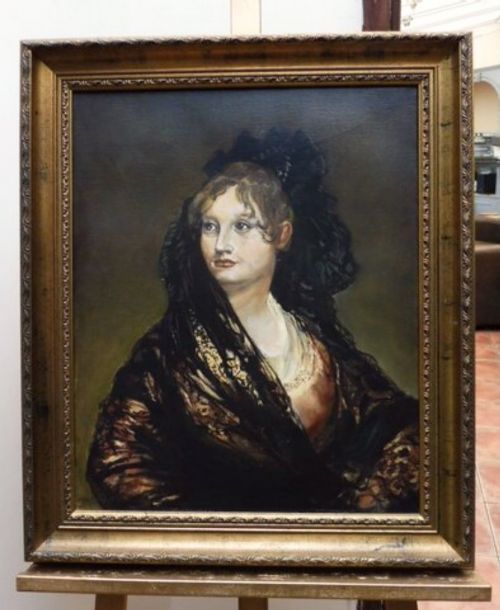
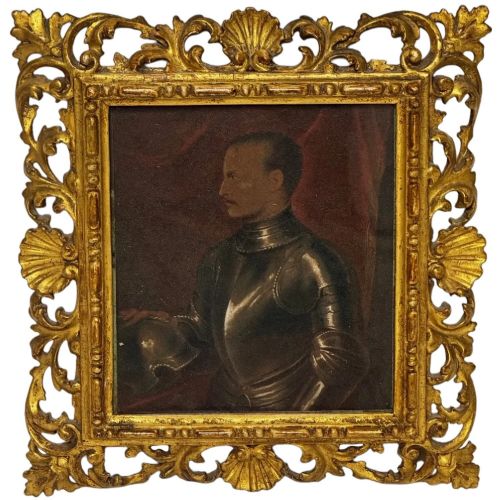
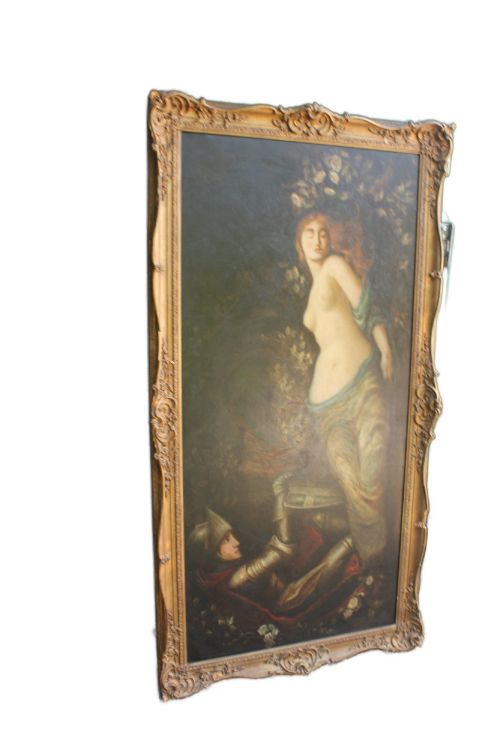
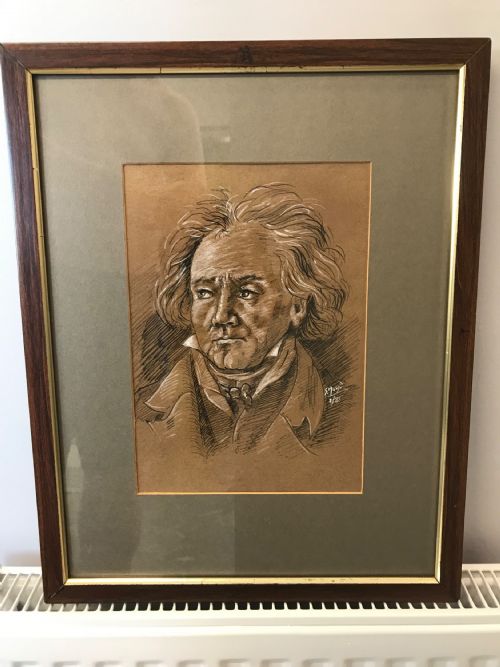
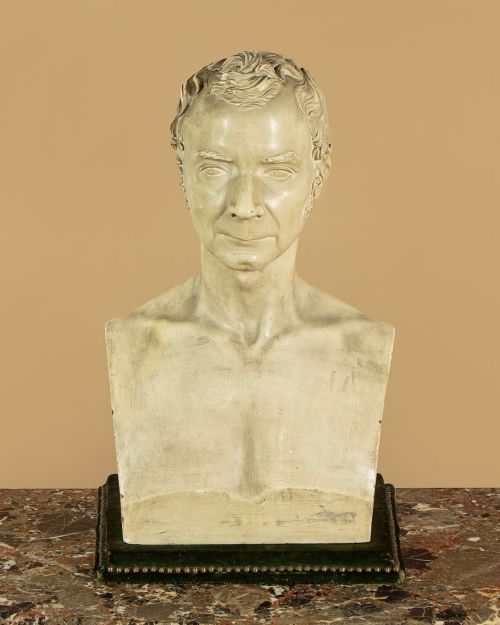
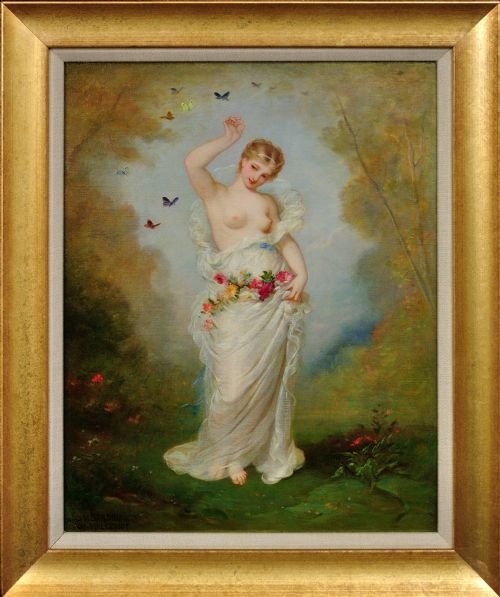
A nineteenth century style portrait encompasses oil paintings on canvas or wood, pastel works on canvas, drawings, and sculptural busts representing historical figures, nobility, and classical subjects. Buyers examining this page encounter both original works from periods such as the Victorian and Edwardian eras and pieces executed in revivalist styles referencing Italian Renaissance, Rococo, and neoclassical traditions.
The selection ranges from large framed oil paintings after masters like Raphael and Landseer to smaller items including snuff boxes and portrait chargers. Many pieces directly reference earlier historical works, employing academic realism or romantic themes that reflect the aesthetic priorities of the nineteenth century and subsequent revival periods.
Materials and construction
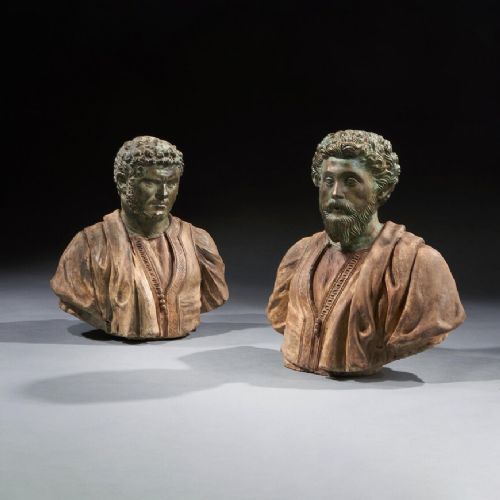
Works in this category rely primarily on oil on canvas, wood panels, and paper supports for painted items, complemented by drawing media such as pastel, ink, wash, and gouache. Sculptural representations utilise plaster, bronze-finished terracotta, porcelain, and metal.
Frames and decorative elements incorporate carved wood, gesso, and gold leaf or giltwood. Construction techniques combine traditional stretcher framing, hand-applied pigments, and detailed moulding of plaster or ceramic bodies.
Listings feature works spanning the 1850s through the Edwardian period, executed in oil, pastel, plaster, and porcelain.
Assessment of quality
Quality in these works resides in the execution of the subject's expression, the handling of drapery and background details, and the depth achieved in oil glazes or pastel layers. Superior examples demonstrate confident draftsmanship and subtle tonal gradations that elevate a copied or revival composition into a compelling visual object.
André Charles Voillemot·Sir Edwin Landseer·Jean-Baptiste Isabey·Wilhelm Alexander Meyerheim·Sir Thomas Lawrence
The Nineteenth Century Style Portrait Glossary
- Oil on Canvas
- Pigments suspended in a drying oil applied to a woven fabric support stretched over a wooden frame. This medium allows for rich colour blending and durable surface textures.
- Giltwood
- Wood that has been coated with a thin layer of gold leaf or powder. It frequently appears on ornate picture frames from the period.
- Pastel
- A dry drawing medium composed of powdered pigment and a binder. When applied to canvas, it creates a soft, velvety surface texture.
- Gesso
- A plaster-like mixture used as a base coat on wood or canvas before painting or gilding. It provides a smooth surface for detailed decorative work.
- Terracotta
- Fired clay used for sculptural busts and figures. It is often finished with a bronze-coloured patina to imitate metalwork.
Nineteenth Century Style Portrait: Frequently Asked Questions
What defines a nineteenth century style portrait?
These works include paintings, drawings, and sculptures created during the 19th century or later that emulate historical art movements. They often feature subjects from classical antiquity, literature, or aristocracy.
Artists utilised traditional techniques such as oil on canvas and plaster modelling to evoke the grandeur of earlier European painting schools.
How do I display a portrait bust?
Portrait busts in plaster, terracotta, or porcelain require stable surfaces away from direct sunlight and high moisture. Placing them on pedestals or sturdy console tables allows proper viewing from multiple angles.
Ensure the material, such as fragile plaster or ceramic, is protected from accidental knocks in busy living spaces.
What is the difference between an original and an after-work portrait?
Many works from this period are labeled as 'after' a master, indicating they are period copies or interpretations of famous compositions by artists like Raphael or Landseer. These demonstrate the academic training and skill of the later artist.
Original compositions depict sitters from the artist's own lifetime or emerge entirely from the creator's imagination.
How should I care for oil paintings on wood or canvas?
Painted surfaces benefit from stable indoor humidity and temperatures to prevent wood warping or canvas tension issues. Dusting should be performed gently with a dry, soft brush without applying pressure to the pigment layer.
Avoid using liquid cleaners or chemical solvents on the paint surface or gilded frames.