


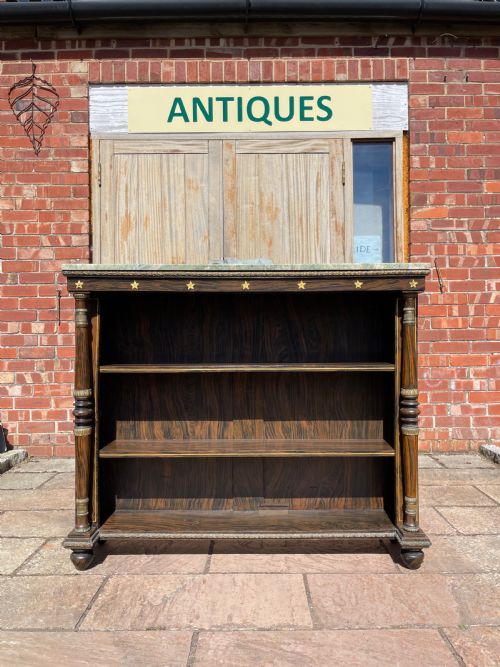


Nineteenth Century Style Bookcase
A nineteenth century style bookcase brings warmth and order to a room, offering rich timbers and architectural detail suited for modern libraries.
Nineteenth Century Style Bookcase
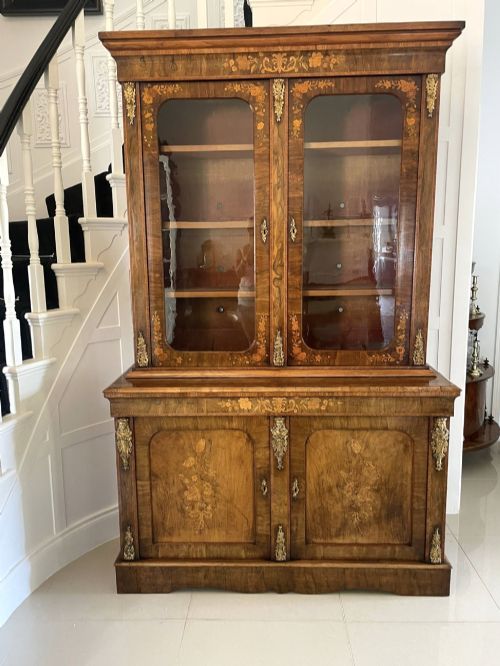
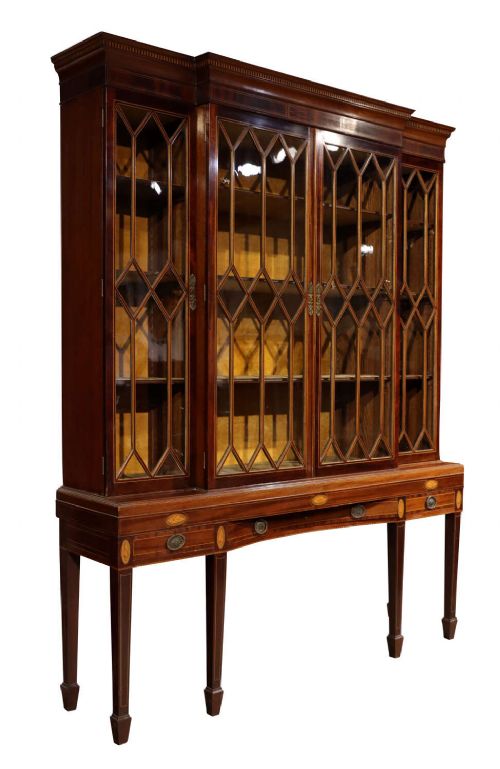
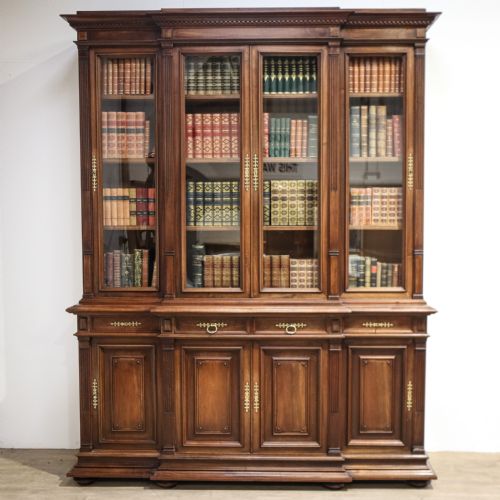
A nineteenth century style bookcase spans open library shelves, glazed display cabinets, and breakfront forms constructed across various revival aesthetics. Pieces bearing this description encompass Regency rosewood designs, Victorian walnut marquetry cabinets, and French revival styles.
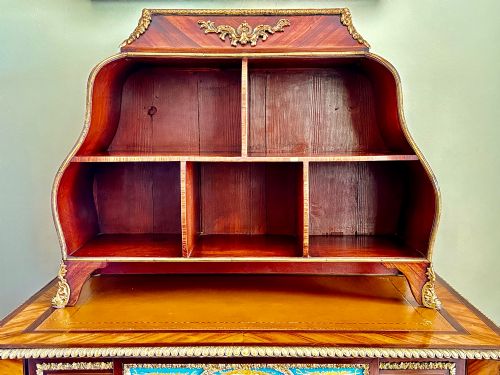
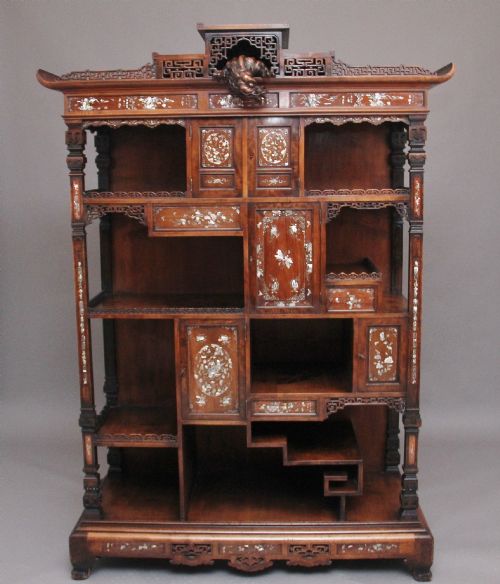
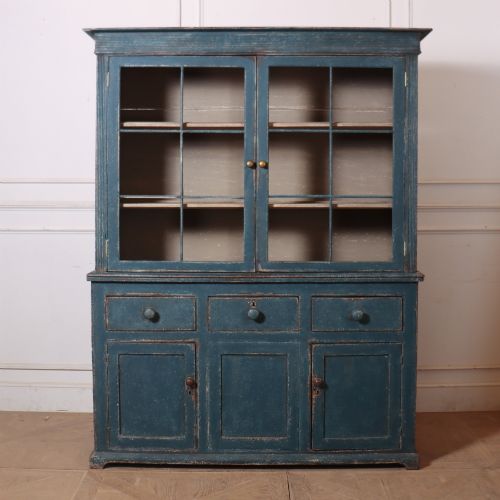
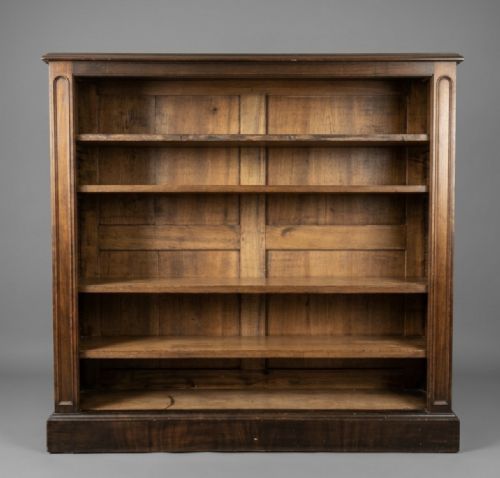
The selection here ranges from large open mahogany bookcases to small bureau bookcases and painted pier cabinets. Buyers frequently encounter open shelves alongside glazed cabinets featuring brass mounts and inlaid woodwork.
Origins stretch from English country workshops to French cabinet makers, utilising woods like mahogany, rosewood, and walnut. Each piece reflects the functional storage needs of nineteenth century libraries and drawing rooms.
How they were made
Cabinet makers constructed these pieces using solid and veneered timbers including mahogany, rosewood, walnut, and satinwood over pine or oak carcases. Marquetry inlay, brass banding, and parcel gilding enriched the primary wood surfaces.
Ormolu mounts, brass grilles, and marble tops added architectural weight to display cabinets and breakfront bookcases. Secondary treatments involved ebonising, simulated paint finishes, and intricate boulle work.
Joinery techniques included dovetailed drawer construction and framed glazing bars to support heavy glass panes. Interior shelving remained adjustable in better examples to accommodate varying book sizes.
Some Regency rosewood bookcases come complete with hidden leather dummy books to maintain an air of studious mystery.
What varies in quality
The refinement of the timber selection and the precision of the marquetry inlay dictate the upper tier of these pieces. Finely figured mahogany or burr walnut veneers paired with crisp ormolu mounts signal superior craftsmanship.
Proportion and architectural balance separate standard items from exceptional ones, particularly in breakfront and library forms. Integrated details such as leather dummy books, adjustable shelving, and branded maker quality elevate the standing of a piece.
Gabriel Frederic Viardot·Thomas Hope·Gillows
The Nineteenth Century Style Bookcase Glossary
- Breakfront
- A cabinet whose central section projects forward from the flanking wings. This configuration creates visual depth and breaks up large wall elevations.
- Marquetry
- Decorative patterns formed by fitting together thin slices of various woods and other materials onto a carcase. It requires immense precision from the artisan.
- Ormolu
- Gilded bronze mounts applied to furniture for decorative accent. The technique creates a bright metallic contrast against dark woods like rosewood and mahogany.
- Pier cabinet
- A low display cabinet designed to fit the wall space between windows. These pieces often feature glass doors and elaborate marquetry.
- Cartonnier
- A desktop filing cabinet with compartments for papers and documents. They frequently incorporate leather details and classical bronze mounts.
Nineteenth Century Style Bookcase: Frequently Asked Questions
How do I choose the right size?
Measure your available wall space carefully, keeping ceiling height and door clearances in mind. Open bookcases suit smaller rooms, while breakfront library cabinets require generous proportions.
Consider the depth of the shelves in relation to the books or objects you intend to display. Low pier cabinets work well beneath windows without obstructing light.
Are these bookcases suitable for modern homes?
These pieces integrate easily into contemporary interiors by providing practical storage alongside traditional character. Rich timbers add warmth to neutral rooms.
Open shelves allow for immediate access to books, while glazed cabinets protect delicate volumes from dust. Their varied revival styles complement both minimalist and maximalist decors.
How do I care for the wood?
Maintain stable humidity and temperature levels to prevent timber from warping or veneers from lifting. Avoid placing wooden furniture in direct sunlight.
Dust regularly with a soft, dry cloth and apply occasional specialist wax to nourish antique polish. Keep brass mounts and ormolu free from moisture.
What is the difference between open and closed bookcases?
Open bookcases provide immediate access to volumes and display items without barriers. They tend to create a lighter visual presence in a room.
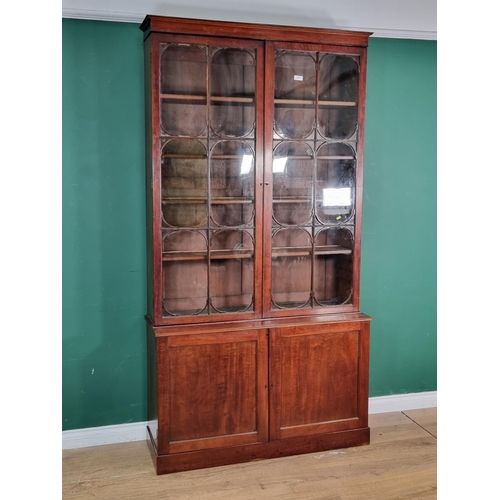
Closed bookcases utilise glass doors, sometimes backed with fabric or fitted with brass grilles, to protect contents from dust and light exposure. Many period examples combine closed lower cupboards with open upper shelves.