
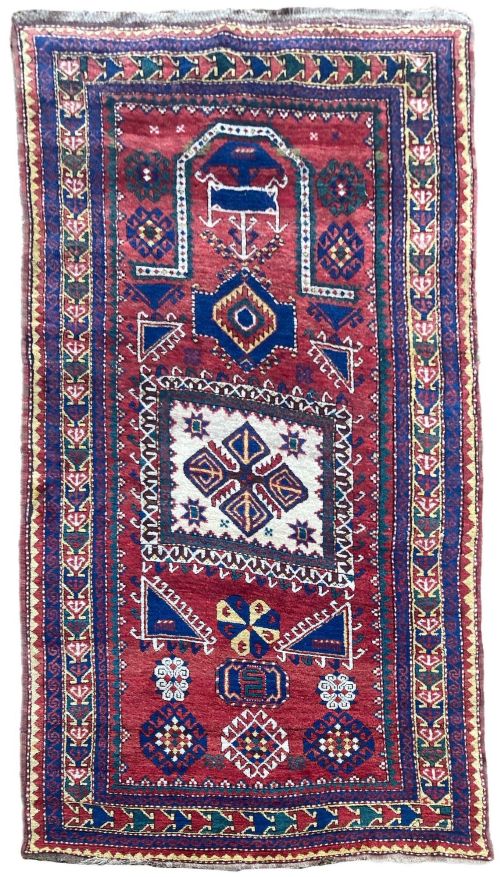
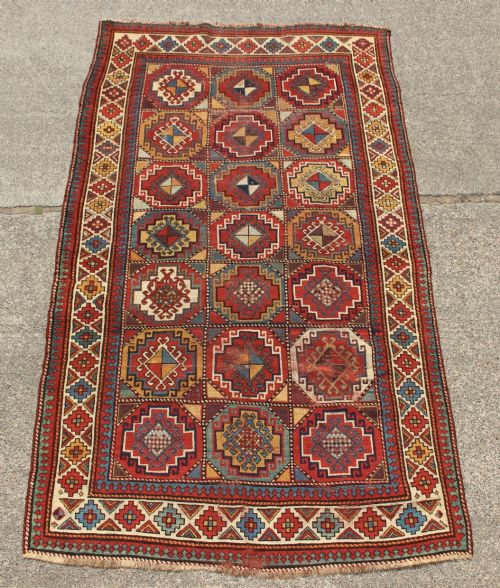

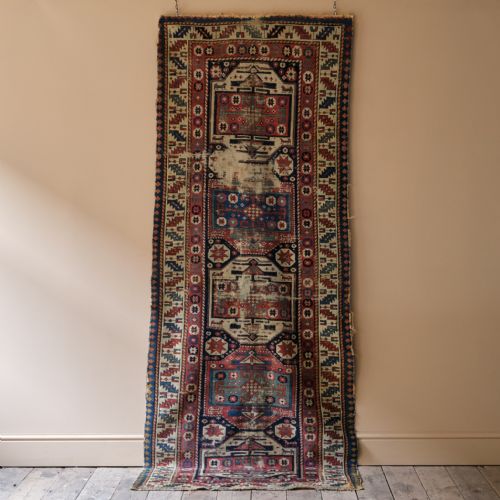


Nineteenth Century Runner
A nineteenth century runner brings warmth and distinct regional character to a long hallway or narrow space.
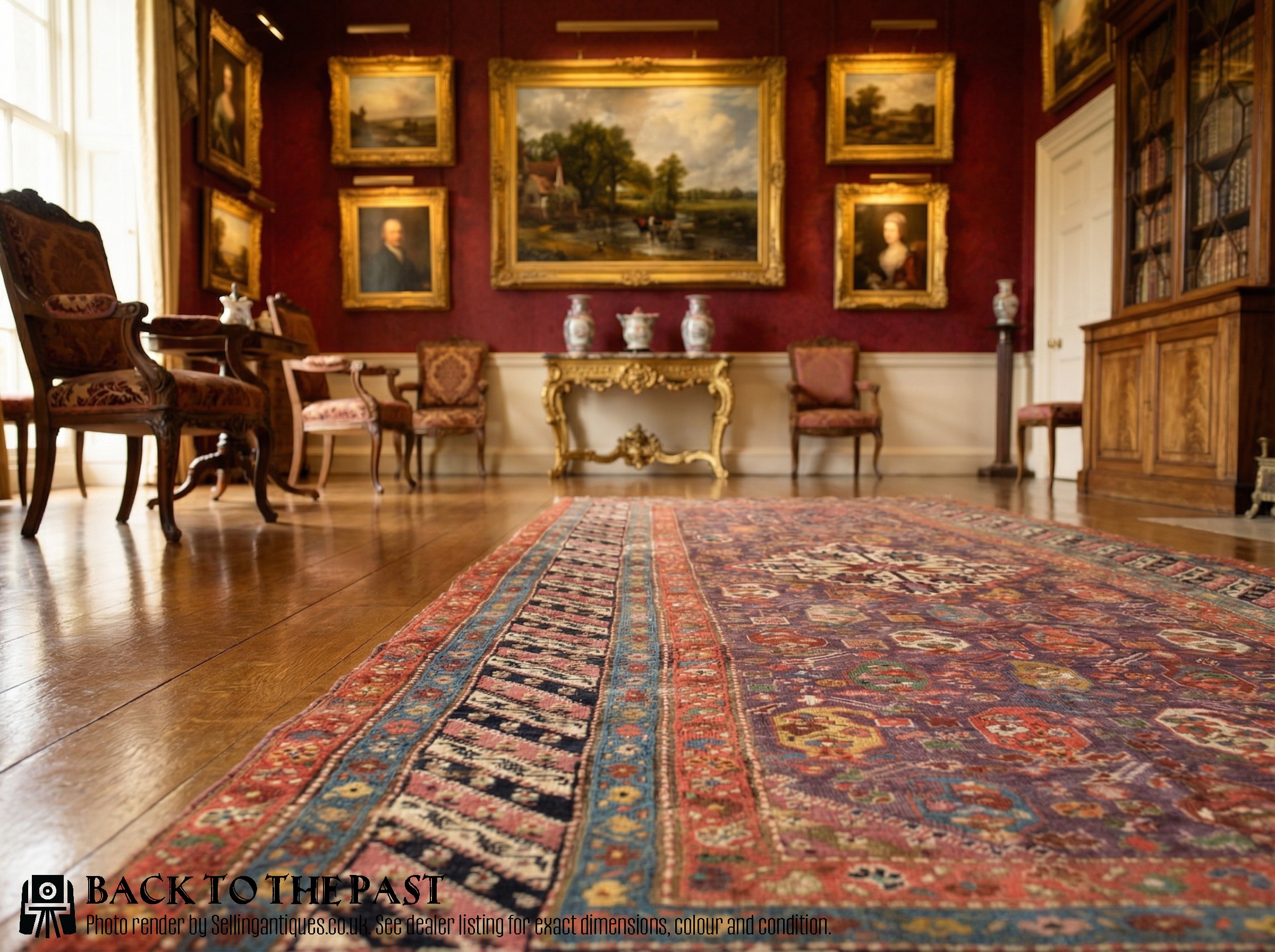
Nineteenth Century Runner
A nineteenth century runner encompasses narrow, elongated textile floor coverings woven across regions such as the Caucasus, Persia, and Anatolia. These pieces served practical purposes in corridors and galleries while displaying traditional tribal and village motifs. Buyers searching for a nineteenth century runner encounter various regional styles, including Caucasian Kazak and Baluch examples.
The materials span wool, cotton, and hand-spun wool, reflecting the pastoral economies of the weaving communities. Surviving items from this era often exhibit signs of age that authenticate their origins. Selecting a runner involves assessing how its dimensions and palette suit a specific architectural space.
Materials and construction
Weavers utilised natural materials such as wool and hand-spun wool for the pile and foundation yarns. These fibres accepted natural dyes yielding rich tones that developed depth over decades of use. Cotton frequently appeared in the foundations of certain Persian and Anatolian village rugs for structural stability.
The construction relied on traditional hand-knotting techniques executed on upright looms. Artisans integrated geometric medallions, floral lattice patterns, and tribal symbols specific to their districts. Each piece required substantial labour and local knowledge passed down through generations.
Some nineteenth century nomads wove tiny protective amulets directly into the borders to ward off the evil eye.
Evaluating quality and execution
Quality rests in the precision of the knotting and the handling of the wool. Finer weaves allow for sharper definition within geometric medallions and intricate border patterns. The integrity of the foundation determines how well the textile withstands foot traffic in a modern interior.
The depth and consistency of the dyes separate superior examples from standard ones. Natural colour variations within the wool yarns provide visual movement across the field. Superior execution balances structural durability with expressive artistic composition.
Mohtasham Kashan
The Nineteenth Century Runner Glossary
- Kazak
- A style of rug originating from the Caucasus, known for bold geometric designs and saturated primary colours. These pieces often feature hooked medallions and Memling guls.
- Baluch
- A classification of tribal weaving produced by nomadic and village groups in the borderlands of Persia and Afghanistan. They typically display intricate lattice work and dark, rich palettes.
- Kelleh
- A large format carpet or long rug proportioned distinctly longer than it is wide. This format suited the reception rooms of Persian houses.
- Gul
- An octagonal medallion or tribal motif repeated across the field of Turkmen and Caucasian carpets. Each design variation often signifies a specific clan or lineage.
- Prayer rug
- A small rug featuring a mihrab or arch design at one end, oriented towards Mecca during daily prayers. These textiles carry significant symbolic imagery for the maker and user.
Nineteenth Century Runner: Frequently Asked Questions
Where should I place a long runner?
These narrow textiles suit hallways, corridors, galleries, and bedside spaces where standard rectangular rugs do not fit. Their elongated proportions draw the eye along architectural pathways while protecting timber flooring.
Ensure the space allows the piece to lie flat without folding over door thresholds. Underlays help secure the textile on smooth surfaces.
How do I clean an old wool rug?
Gentle vacuuming without a rotating brush roll removes surface grit from the wool pile. Professional textile conservators should handle deeper washing to protect natural dyes and fragile foundations.
Avoid chemical spot treatments that can strip colour from hand-spun fibres. Blot liquid spills immediately with a clean, dry cloth.
How do I identify a Caucasian rug?
Caucasian pieces typically feature crisp geometric motifs, strong primary colours, and stiff wool foundations. Look for motifs such as Lezghi stars, hooked polygons, and diagonal borders.
These characteristics stem from the mountainous terrain and village weaving traditions of the South Caucasus. The structure often employs symmetrical knots on wool warps.
Are these textiles suitable for daily use?
Sturdy wool construction and tight knotting allow these floor coverings to endure moderate foot traffic in domestic settings. Placing them in low-to-medium traffic zones preserves their structural integrity over time.
Rotating the piece periodically ensures even wear across the length of the runner. Proper padding underneath absorbs impact from footsteps.