


Nineteenth Century Press
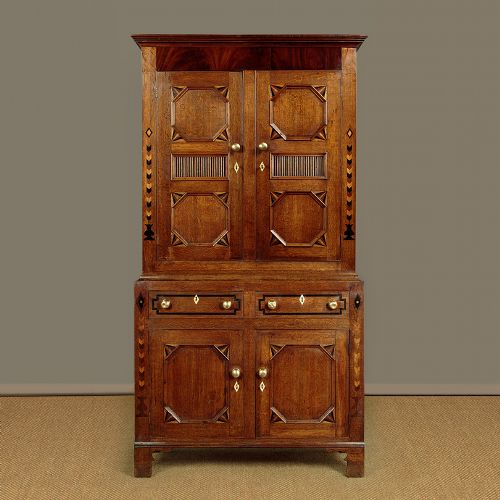
A nineteenth century press is a capacious storage piece designed to hold folded textiles or hanging garments.
Nineteenth Century Press
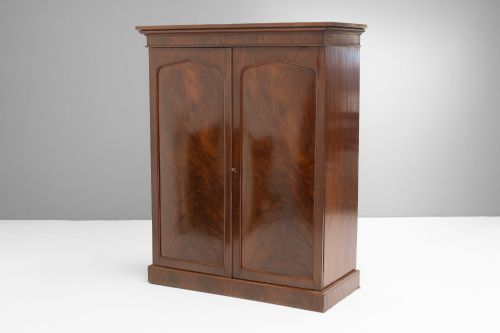
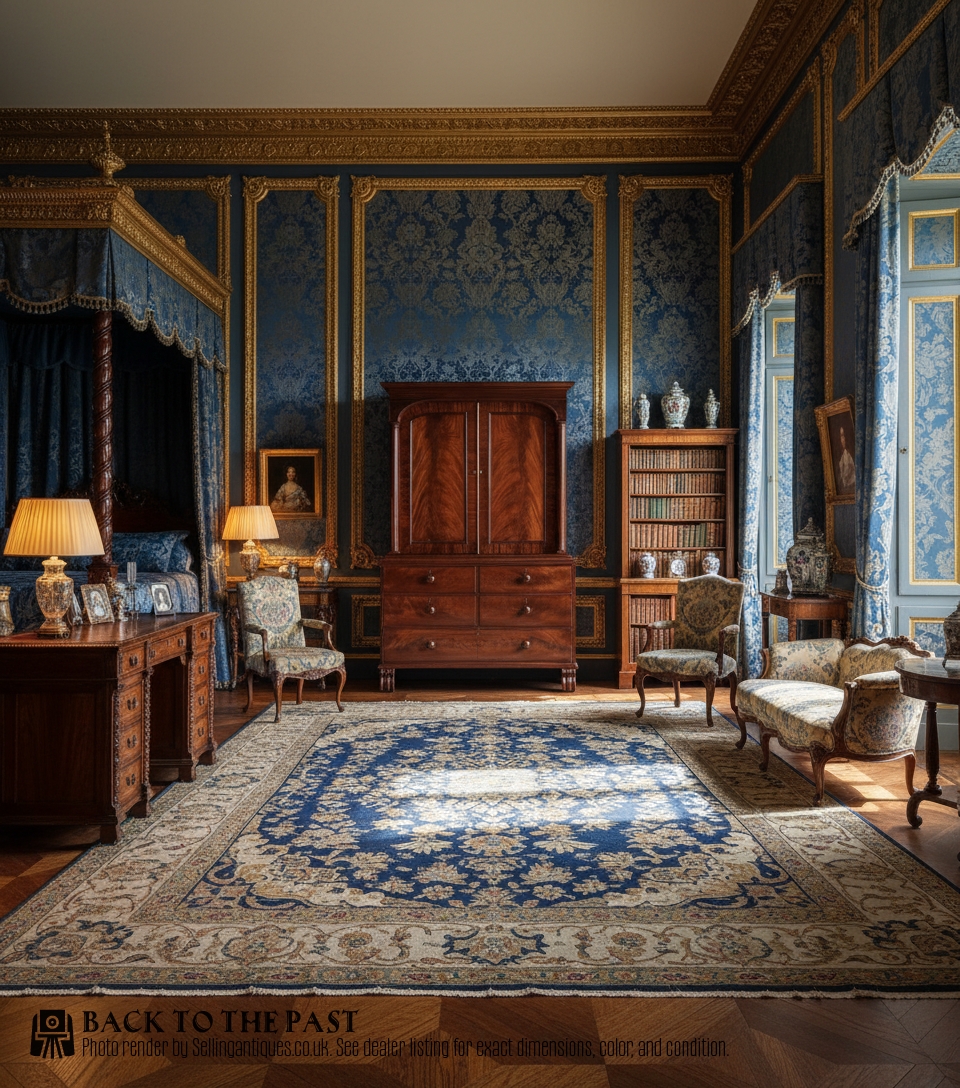
A nineteenth century press encompasses large storage items used historically for household linens and apparel. The selection draws primarily from the Victorian and Regency periods, alongside various regional European pieces.
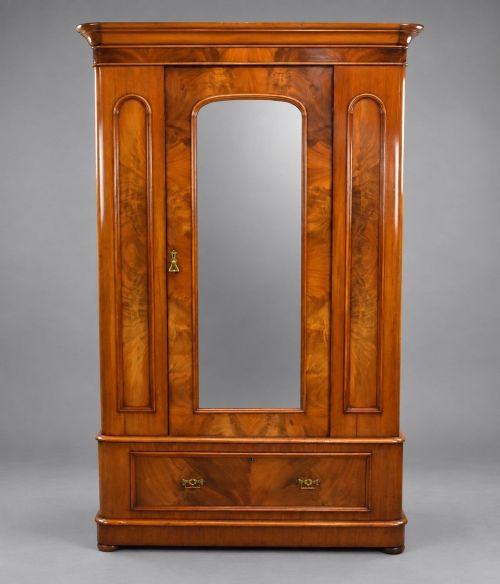
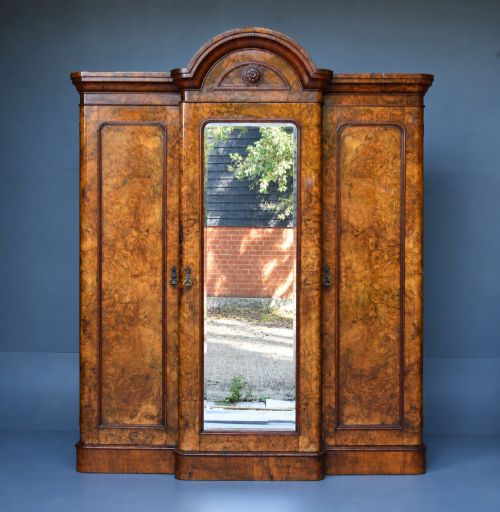
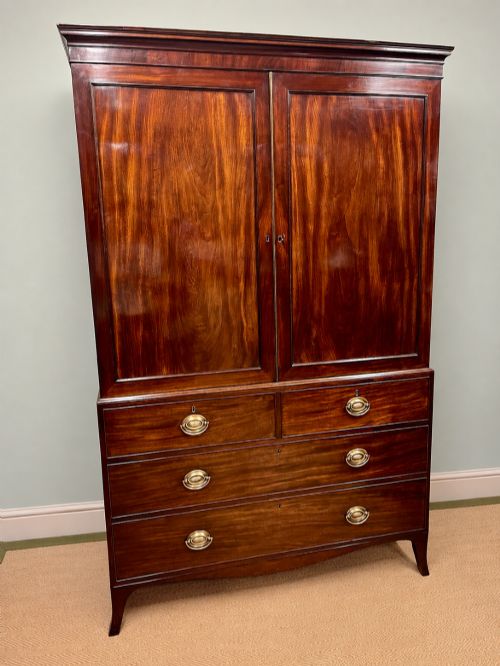
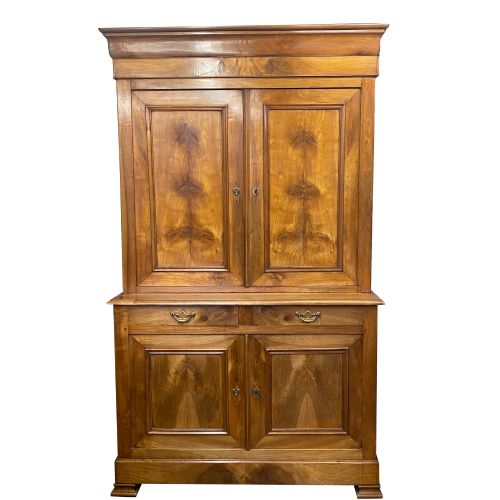
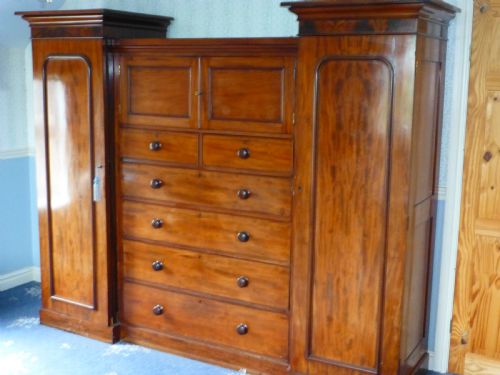
Mahogany and oak dominate the forms, supplemented by burr walnut, pine, and flame mahogany. These pieces range from substantial breakfront wardrobes to regional cupboards and dedicated linen presses.
Buyers encounter numerous variations, including two-door cupboards, compactum wardrobes, and housekeeper cupboards. The selection reflects both formal English cabinetmaking and simpler country vernacular traditions.
How they were made
Cabinetmakers utilised dense timbers such as mahogany, oak, and walnut, frequently applying flame mahogany veneers to principal surfaces. Structural framing often relied on sturdy oak or pine to support the heavy proportions.
Decoration involved subtle techniques such as line inlay, rosewood crossbanding, and carved or gilt bronze mounts. Timber selection dictated whether a piece received a polished finish or a painted surface.
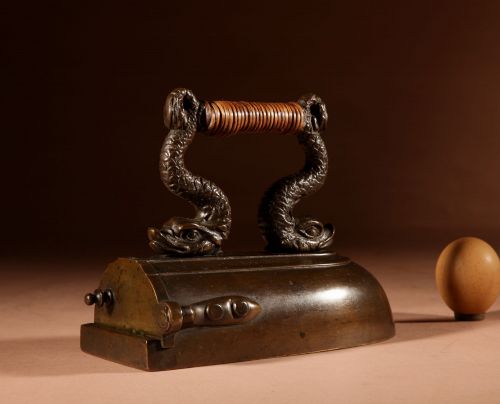
Alongside grand wardrobes, the archive includes unexpected domestic items like lemon squeezers and cheese presses.
What varies in quality
The standard of timber selection and veneer matching defines the visual impact of each piece. Superior examples display carefully figured grains, such as flame mahogany or burr walnut, aligned symmetrically across the doors.
Construction methods and internal configuration differentiate utility items from high-status furniture. Fitted interior sliding trays, solid brass hardware, and precise joinery distinguish finer workshop output from simpler vernacular production.
Gillows·Ayton Castle
The Nineteenth Century Press Glossary
- Linen press
- A tall storage cabinet featuring sliding internal trays or shelves intended for folded textiles, usually enclosed by upper doors.
- Compactum
- A multi-compartment wardrobe combining hanging space, drawers, and shelving within a single unified cabinet structure.
- Breakfront
- A cabinetry configuration where the central section projects forward from the flanking wings.
- Crossbanding
- A decorative border of veneer laid with the grain running perpendicular to the surrounding surface.
- Vernacular
- Furniture produced by regional makers using local timber traditions rather than adhering to metropolitan academic styles.
Nineteenth Century Press: Frequently Asked Questions
What is a nineteenth century press used for?
These large cabinets served primarily for storing household textiles, bed linens, and garments before fitted bedroom closets became standard in homes.
Today, buyers utilise them in bedrooms and hallways for versatile storage, often employing the internal shelves or hanging space for modern wardrobes.
Which woods are common?
Mahogany and oak appear most frequently across English and regional pieces, accompanied by softer timbers like pine in country furniture.
Finer examples incorporate decorative veneers such as flame mahogany, burr walnut, and rosewood crossbanding to create figured surface patterns.
Where were these pieces made?
The selection includes formal English cabinet furniture alongside regional pieces from Wales, Scotland, and various European countries including France and Sweden.
Local timber availability and domestic traditions heavily influenced the distinct decorative styles and construction methods found in each region.