
Nineteenth Century Portrait Painting
Nineteenth century portrait painting captures individual likenesses and character through traditional canvas, panel, and paper works.
Nineteenth Century Portrait Painting
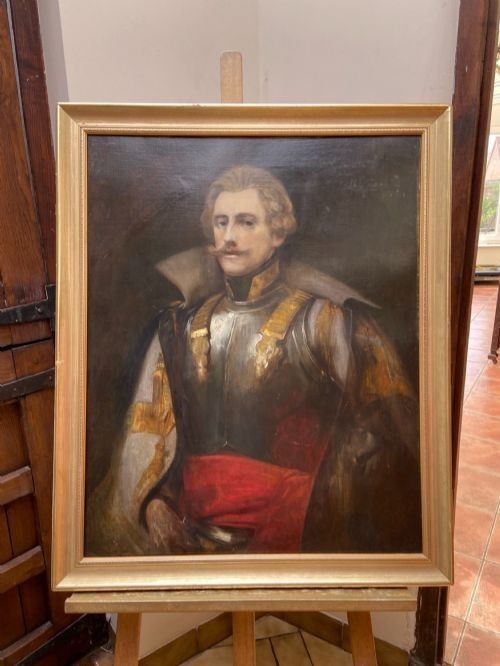
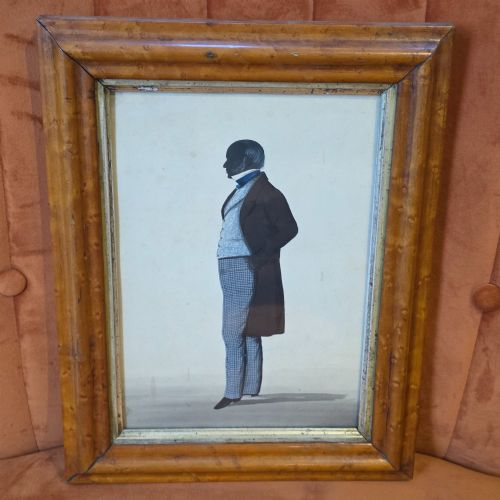
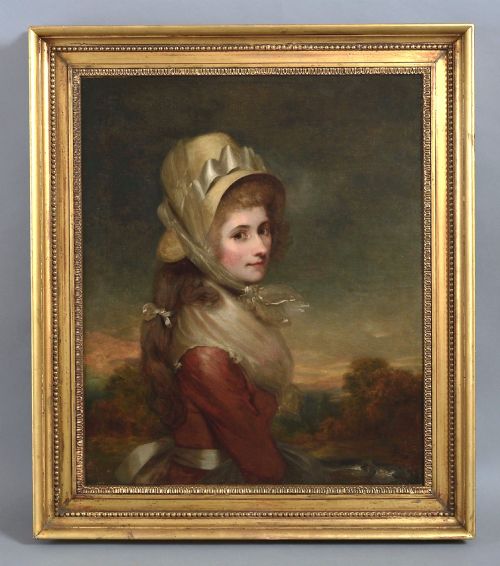
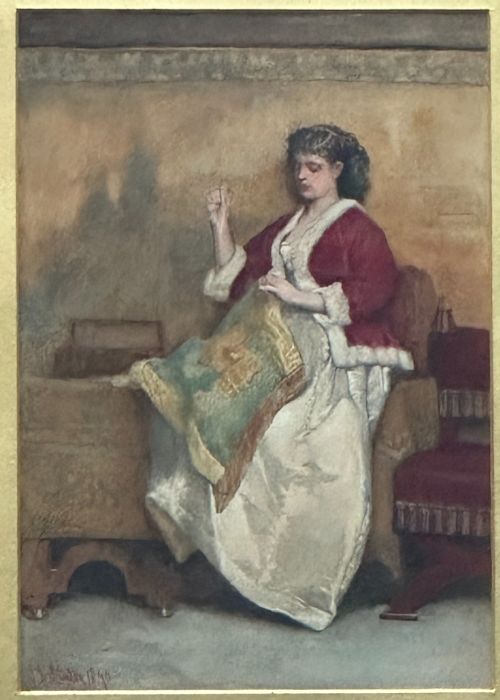
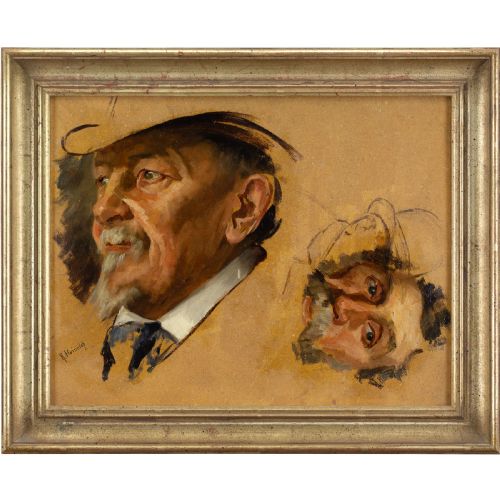
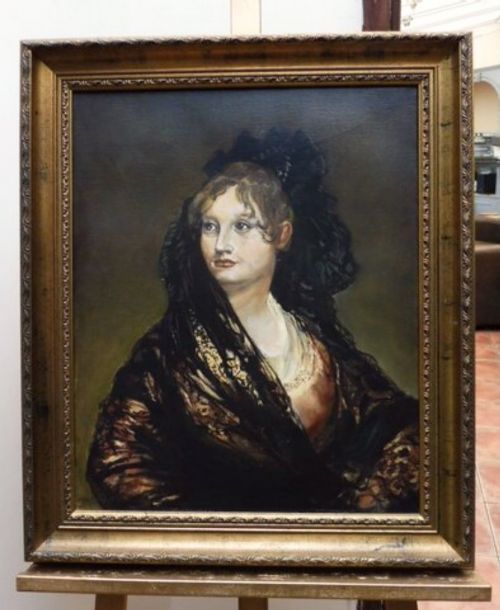
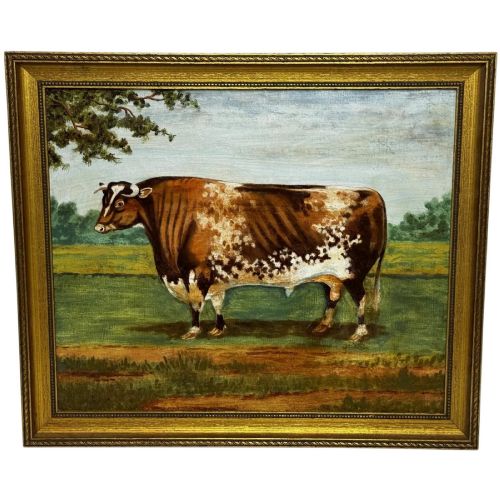
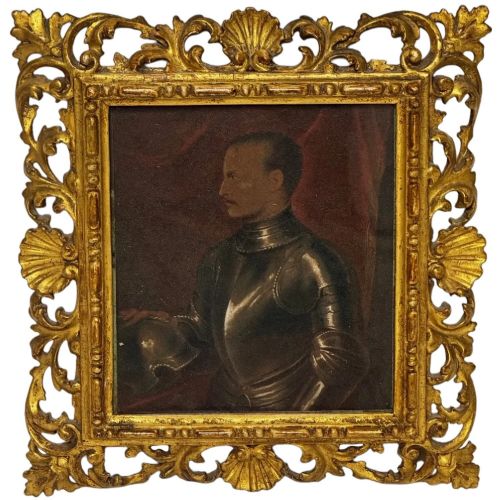
Nineteenth century portrait painting encompasses framed artworks and miniature portraits produced across the Victorian, Regency, and Georgian eras. These pieces record human subjects, military figures, and animals in varied realist and academic styles.
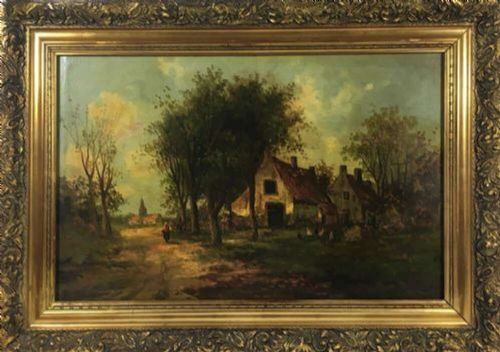
Buyers frequently encounter works attributed to specific historical artists alongside pieces created by the broader English and French schools. Formats range from large wall art to intimate glazed box frames and portrait chargers.
How they were made
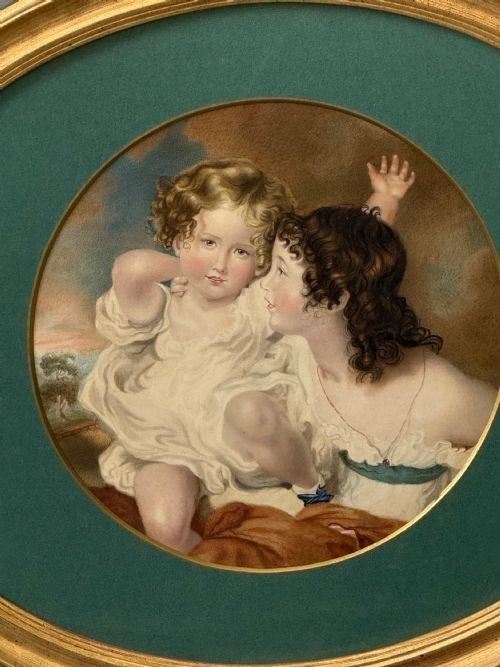
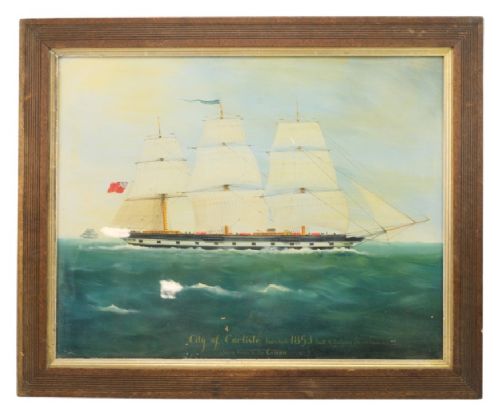
Makers applied oil paint to stretched canvas or zinc panels, building depth through layered pigments and varnishes. Watercolours and pen ink washes utilised paper supports, often framed behind glass with giltwood surrounds.
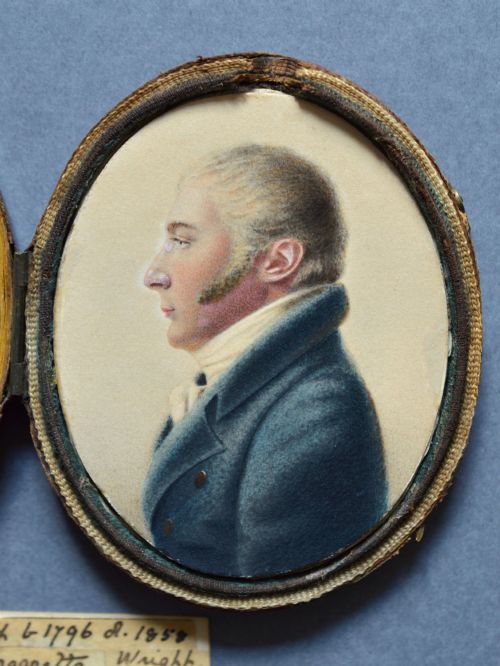
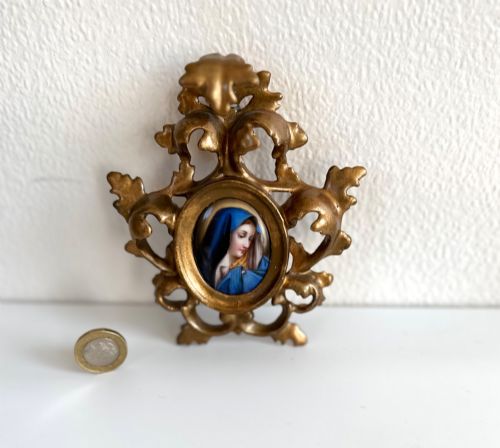
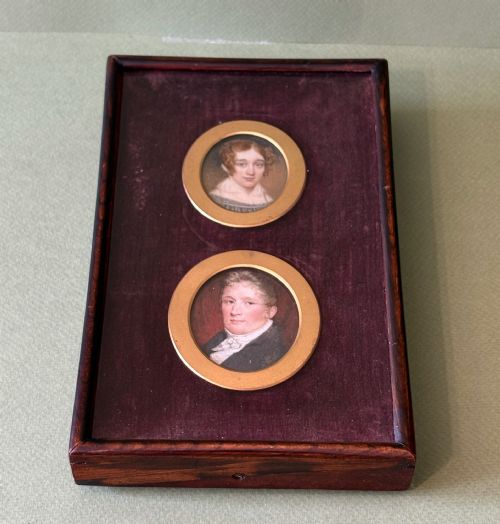
Miniature portraits demanded precise brushwork on specialised surfaces, sometimes set within deep velvet mount box frames or glazed ceramic charger plates. Sculptural portraits utilised bronze and bronzed terracotta materials.
Materials span oil on canvas, paper, zinc panels, pottery, bronze, and glass, housed within giltwood and deep glazed frames.
What varies in quality
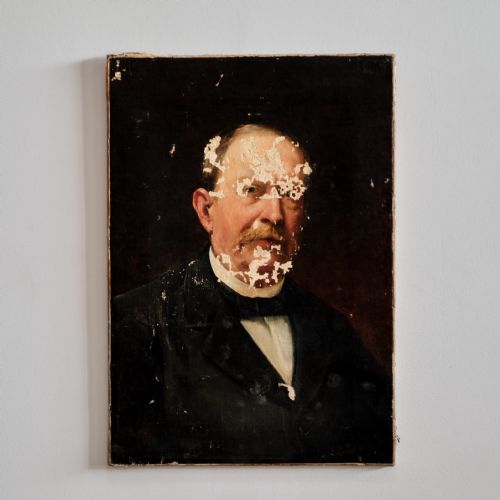
Skill in handling facial expression, proportion, and texture distinguishes accomplished works from simpler student pieces. The precision of brushwork in fine details, such as textiles and hands, marks superior execution.
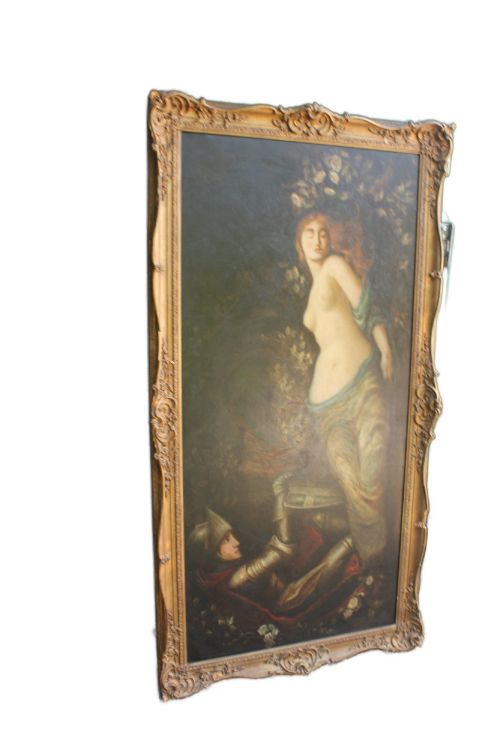
The integrity of the original frame, particularly carved giltwood and deep glazed settings, influences the overall presentation and period authenticity of the artwork.
Sir Martin Archer Shee·Sir James Dromgole Linton·Francisco Jose de Goya·Thomas John Horsley·Sir Thomas Lawrence·Gian Paolo Pace·Carl Haag·Charles Stuart Forbes·William Oliver·John C D Engleheart·Henry Wissen Senior·André Charles Voillemot·George Bernard O'Neill·Thomas Edward Roberts·Henry Bone·Basil Nightingale·William Barraud·Sir Edwin Landseer
The Nineteenth Century Portrait Painting Glossary
- Oil on Canvas
- A traditional painting medium where pigments suspended in drying oils are applied to woven fabric stretched across a wooden frame. This method allows for rich colour blending and textured brushwork.
- Portrait Miniature
- A small-scale likeness created on ivory, vellum, card, or copper, designed for intimate viewing. These detailed works frequently feature delicate watercolour or enamel techniques.
- Giltwood
- Wood that has been coated with a thin layer of gold leaf or gilt powder. It is commonly found on ornate antique picture frames.
- Watercolour
- A painting method where coloured pigments are suspended in a water-soluble vehicle on paper. It yields translucent washes of tone and colour.
- Academic Realism
- A style of painting produced under the influence of European academies of art, emphasising precise draftsmanship, idealized forms, and classical themes.
Nineteenth Century Portrait Painting: Frequently Asked Questions
Where should portrait paintings be hung?
Artworks require stable indoor environments away from direct sunlight and excessive moisture. Consistent room temperatures protect canvas and paper from warping or fading over time.
Secure wall fixings suited to the weight of the frame and glass are essential. Heavy giltwood frames need robust support to prevent structural strain.
How do I identify a Victorian portrait?
Victorian portraits often display distinct clothing styles, hairstyles, and framing conventions typical of the nineteenth century. Signatures, dates, and inscriptions on the reverse provide direct chronological evidence.
Stylistic elements like Victorian realism or academic techniques help narrow down the production decade. Conservation labels and framing materials also offer clues to the period.
What is a portrait miniature?
A portrait miniature is a small, highly detailed painting designed for personal keeping or display in a locket or box frame. These objects capture individual likenesses on a reduced scale using watercolour or enamel.
Examples from the period frequently feature specialised mountings like deep glazed velvet boxes. Their small format required exceptional skill from the portraitist.