

Nineteenth Century Marble Figure
A nineteenth century marble figure brings the permanence of classical sculpture into an interior, offering tactile weight and historic presence.
Nineteenth Century Marble Figure
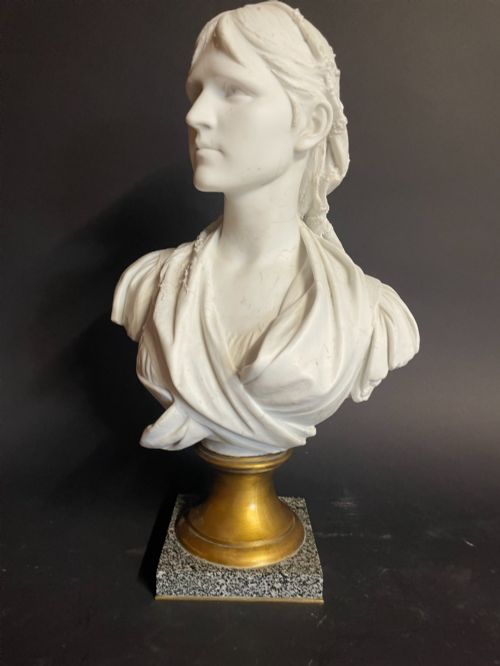
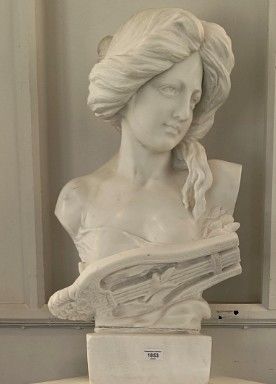
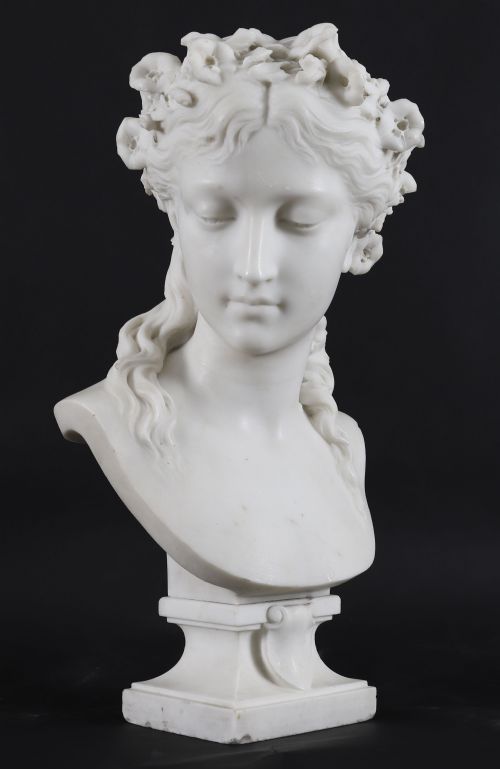
A nineteenth century marble figure encompasses carved representations of classical deities, literary figures, and idealized portraits, often originating from European workshops catering to travellers and collectors. These works range from monumental statuary to intimate portrait busts, frequently mounted on contrasting stone plinths.
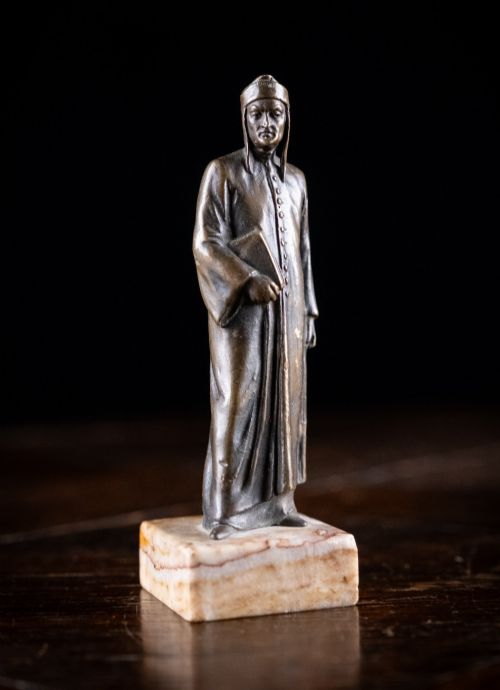
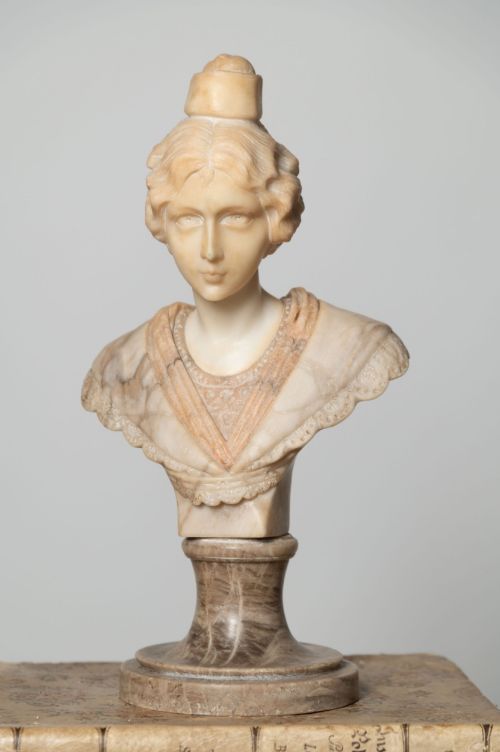
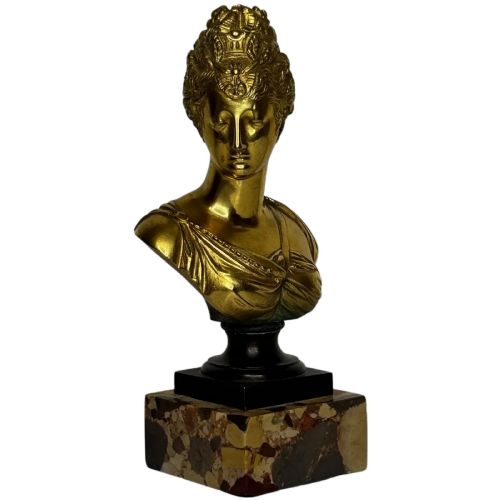
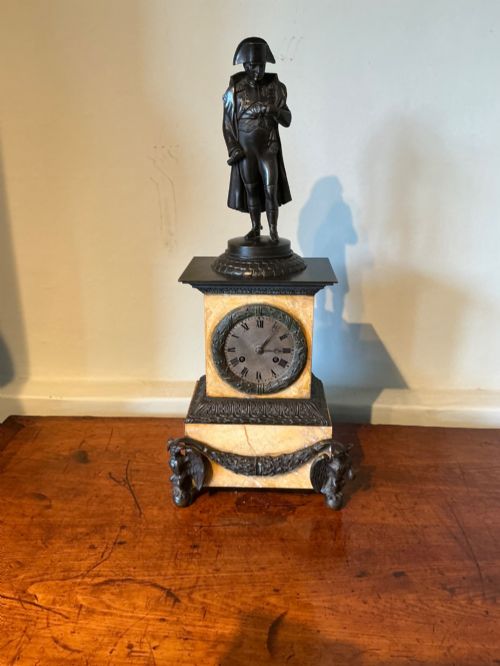
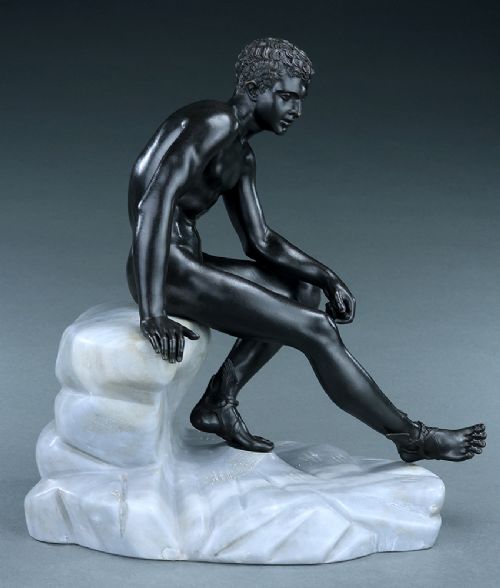
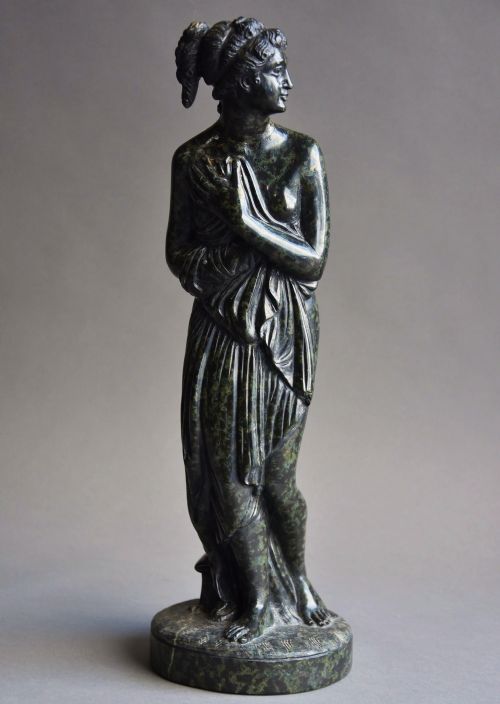
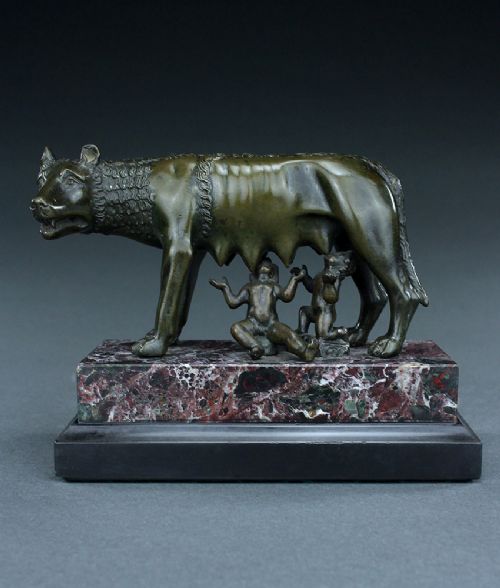
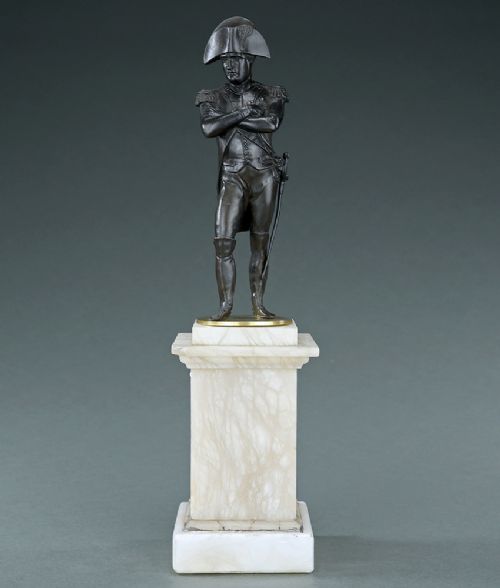
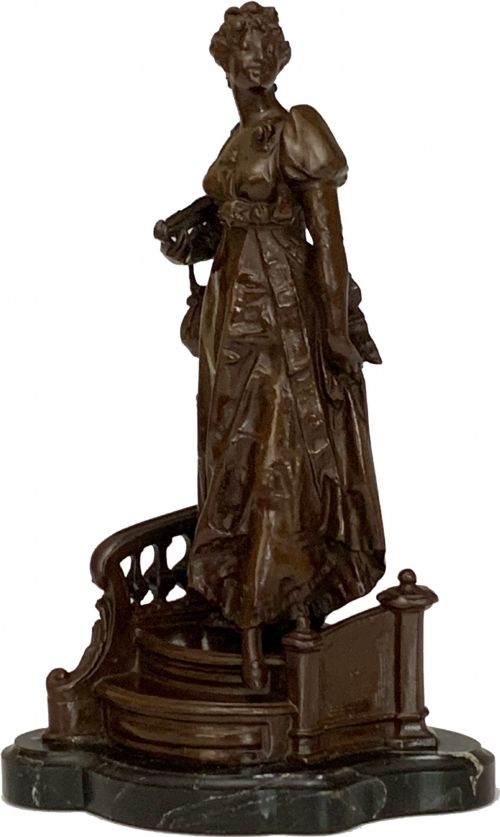
The selections encountered here span carved marble, alabaster, and mixed media compositions pairing bronze figures with marble bases. Neoclassical and Grand Tour subjects predominate, reflecting the period's enduring fascination with antiquity and classical mythology.
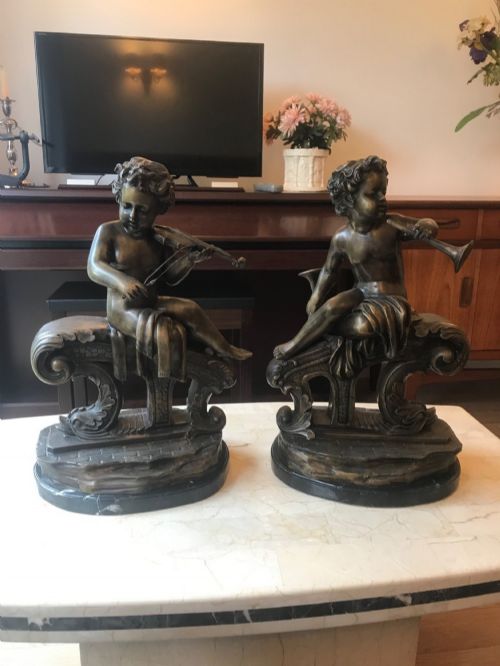
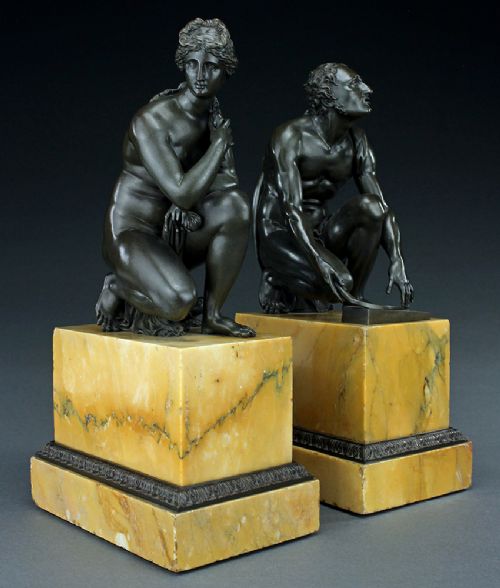
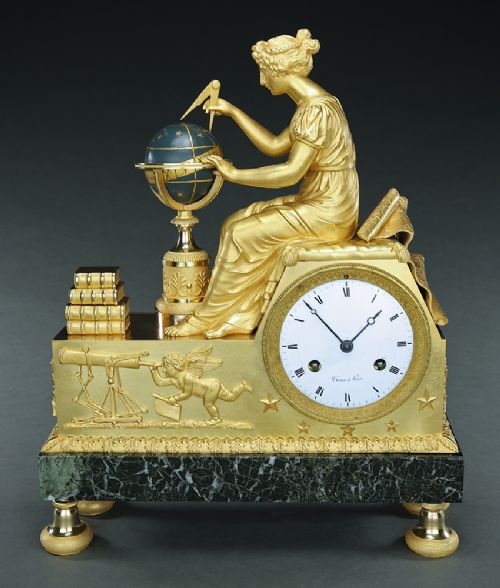
Buyers will find individual figures alongside pairs of cherubs, sphinxes, and mythological subjects such as Venus and Hermes. These pieces function as freestanding sculpture, clock components, or architectural ornaments within a room.
Materials and Working Methods
Carved marble forms the primary substance, utilising fine-grained varieties such as Carrara alongside decorative coloured bases in Vert de Mer, Siena, and Rosso Levanto. Alabaster appears in select sculptural studies, offering a softer translucency than harder stones.
Bronze components are cast via the lost-wax method or sand casting, then chased and patinated before being united with stone plinths. Gilt bronze accents and enamel details frequently complement the stonework in clock garnitures and architectural sculptures.
Several Victorian sculptors could not resist giving ancient Greek philosophers and mythological sphinxes surprisingly opulent French marble pedestals.
Standards of Execution
The refinement of the chisel work distinguishes exceptional carving, particularly in the rendering of drapery folds, hair, and facial expression. Superior examples display crisp anatomical definition and subtle surface polishing rather than uniform mechanical smoothing.
The integration between the sculptural figure and its marble base indicates overall quality, where tight joints and complementary stone coloration reveal careful studio assembly. Signed works by documented sculptors or founders carry distinct provenance that elevates their standing.
Eugene Aizelin·Emile Guillemin·Georges Van Der Straeten·Louis Auguste Moreau·E.Villanis
The Nineteenth Century Marble Figure Glossary
- Grand Tour
- A traditional trip through Europe undertaken by upper-class young men to absorb classical art and culture. Souvenirs purchased on these journeys included small-scale bronzes and marble figures.
- Carrara marble
- A type of white or blue-grey marble mined from the city of Carrara in Tuscany, Italy. Sculptors prized it for its purity and fine grain.
- Neoclassical
- A Western cultural movement drawing inspiration from the art and culture of classical antiquity. This style emphasises austere dignity, heroic subjects, and classical proportions.
- Alabaster
- A fine-grained, translucent stone often used for carving small statues and vases. It is softer and more easily worked than marble.
- Vert de Mer
- A dark green decorative marble with white calcite veins, frequently employed for architectural elements and decorative bases.
Nineteenth Century Marble Figure: Frequently Asked Questions
How should I clean a marble figure?
Dust the surface regularly with a soft, dry cloth to prevent particle buildup. Avoid chemical cleaners and excess water, which can penetrate porous stone and alter patinas.
For stubborn grime, consult a professional conservator rather than attempting aggressive solvent cleaning. Gentle maintenance preserves the historic surface of the stone.
Where were these sculptures made?
Many pieces originate from workshops in Italy, particularly Florence and Rome, catering to international travellers on the Grand Tour. Others emerged from foundries and studios across France.
French makers frequently combined cast bronze elements with carved Italian marble bases. These collaborative pieces reflect the high standards of nineteenth-century European decorative arts.
How do I identify a Grand Tour piece?
Grand Tour sculptures typically replicate famous ancient monuments, architectural ruins, or classical statues seen in museums and archaeological sites. They are often scaled for domestic display on desks, mantelpieces, or dedicated pedestals.
The inclusion of specific stones like Siena or Rosso Levanto in the base often points towards Italian souvenir production. These markers help distinguish travel pieces from larger architectural works.
What is the difference between marble and alabaster?
Marble is a metamorphic rock composed of recrystallized carbonate minerals, offering high hardness and durability. Alabaster is a softer mineral composed of gypsum or calcite, prized for its waxy translucency.
Under direct light, alabaster allows illumination to penetrate beneath the surface in a way marble does not. This property made alabaster popular for intimate portrait busts and smaller figures.