


Nineteenth Century Mahogany Seat
Nineteenth century mahogany seat describes practical and decorative wooden furniture designed for sitting, ranging from single dining chairs to large library armchairs.
Nineteenth Century Mahogany Seat
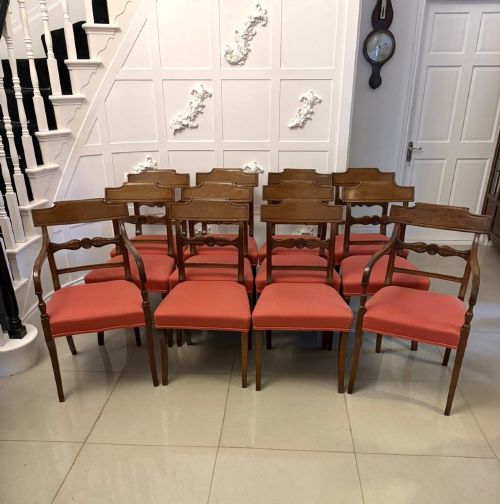
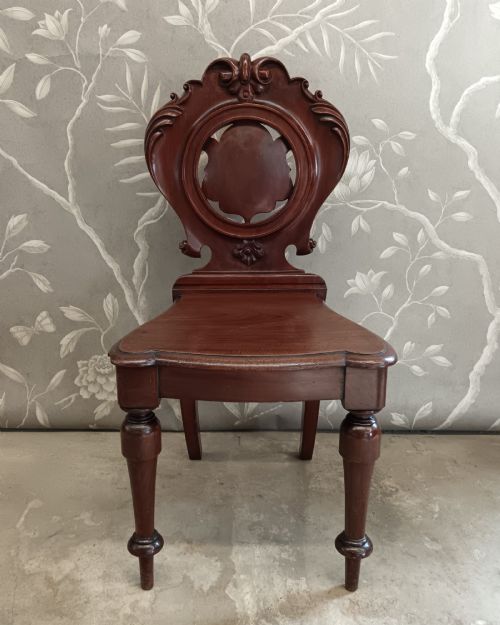
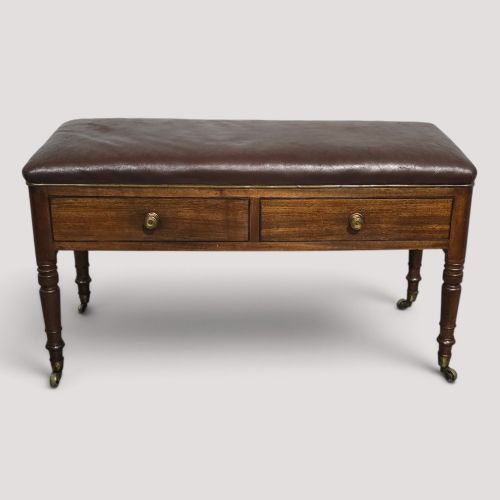
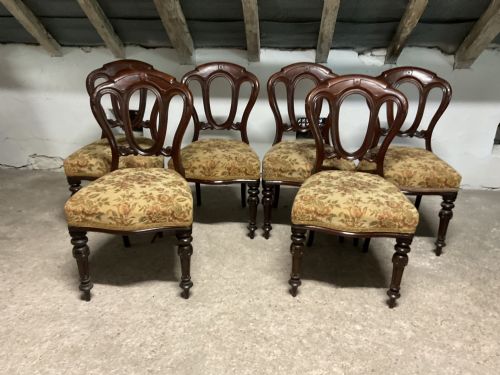
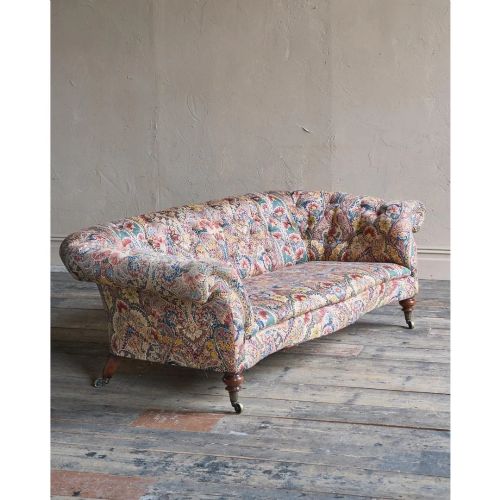
Nineteenth century mahogany seat options span dining chairs, armchairs, hall chairs, nursing chairs, benches, sofas, piano stools, and chaise longues. Sets of dining chairs appear frequently alongside individual armchairs and window seats.
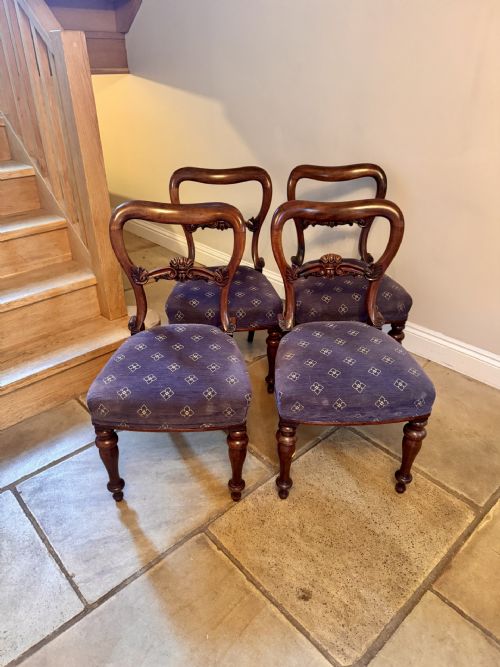
Makers and designers from Regency, William IV, Victorian, and Georgian periods shaped these forms. Styles range from plain upright hall chairs to elaborate balloon back dining chairs and button back corner sofas.
How they were made
Craftsmen built these pieces primarily from solid mahogany wood, often incorporating brass inlay, ormolu mounts, and turned wooden supports. Frames utilised traditional joinery methods to ensure stability across heavy daily use.
Seating areas relied on materials like cane, leather, fabric, velvet, and various upholstery textiles. Padding and springing techniques evolved across the periods from firm horsehair stuffing to adjustable mechanisms on piano stools.
One revolving piano stool from the Victorian era ensures you can spin around while practicing your scales.
What varies in quality
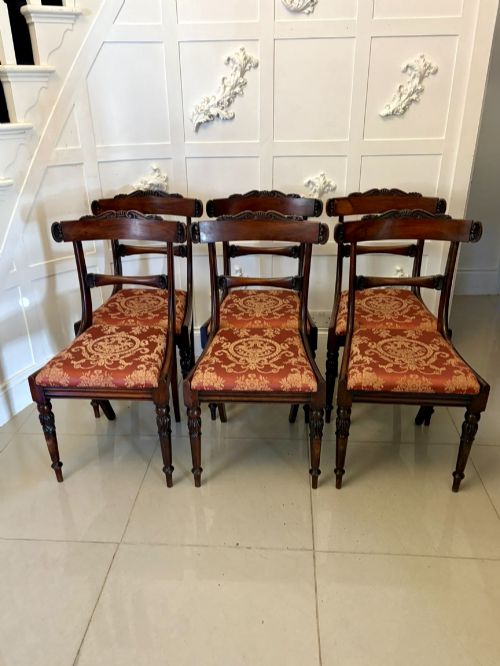
Quality rests in the selection of timber grain, the precision of carved details such as bar backs or spear point balloon backs, and the structural integrity of the frame. Matched sets of chairs demonstrate higher consistency than assembled groups.
Attribution to notable makers or specific stylistic revivals elevates a piece, as seen in items bearing Gillows characteristics or Howard and Sons upholstery. Superior execution in brass inlay and ormolu mounts distinguishes finer examples.
Gillows·Howard and Sons·George Bullock·James Shoolbred
The Nineteenth Century Mahogany Seat Glossary
- Mahogany
- A durable tropical hardwood prized for its rich reddish-brown colour and fine grain. It served as the primary structural material for quality seating throughout the nineteenth century.
- Bar Back
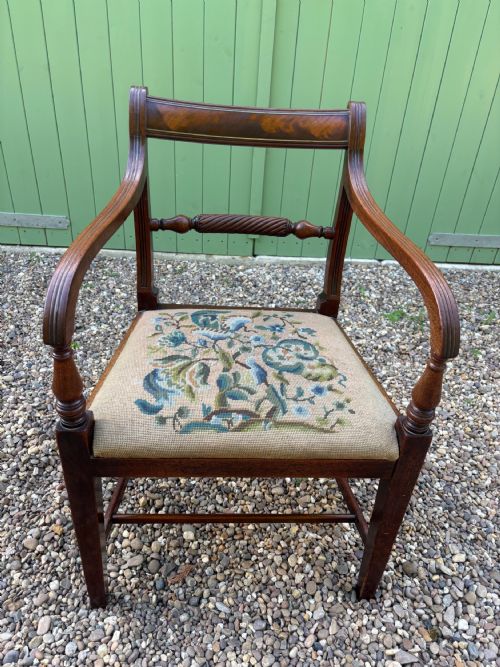
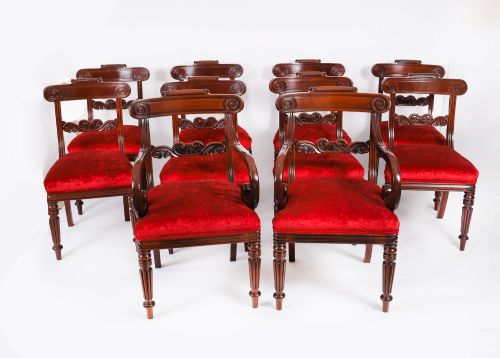
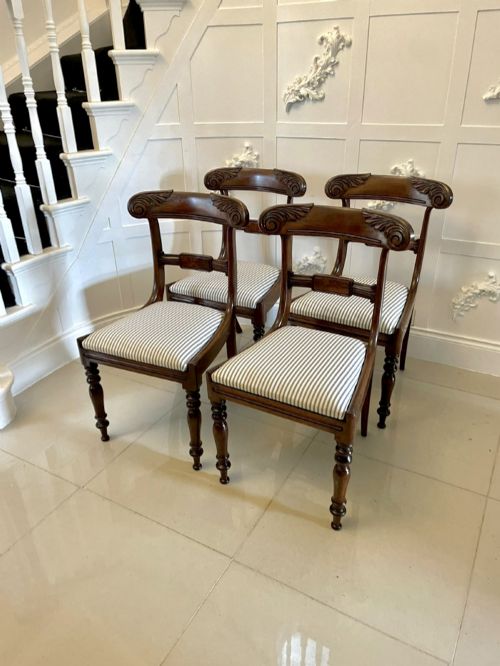
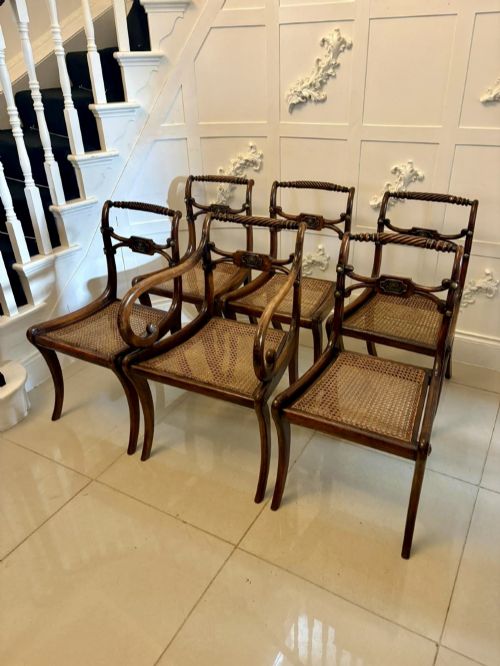
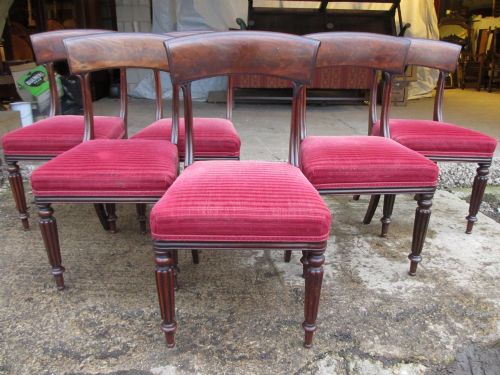
- A horizontal wooden splat across the upper back of a dining chair, often shaped or reeded. This form appears frequently in Regency and William IV furniture.
- Balloon Back
- An oval-shaped wooden backrest resembling a rising balloon, popular on Victorian dining chairs. Carvers often decorated these frames with leaf motifs or spear points.
- Ormolu
- Gilded bronze applied as decorative mounts on furniture frames. It appears on French Empire revival pieces to accent the mahogany woodwork.
- X Frame
- A structural support formed by two diagonal members crossing in an X shape. This configuration appears on Regency window seats and benches.
Nineteenth Century Mahogany Seat: Frequently Asked Questions
What is a nineteenth century mahogany seat?
A nineteenth century mahogany seat encompasses wooden chairs, sofas, stools, and benches produced during the 1800s. These pieces utilise mahogany timber and span various styles including Regency and Victorian.
Buyers encounter formats ranging from single hall chairs to large sets of dining chairs. Many feature upholstered pads in leather, velvet, or fabric.
How do I identify Regency mahogany chairs?
Regency mahogany chairs typically date from the early nineteenth century and feature classical lines influenced by ancient Greek and Roman design. Look for elements like brass inlay, saber legs, and bar backs.
Proportions remain elegant and restrained, often utilising dark mahogany timber with contrasting brass details or cane panels.
Where were these seats used?
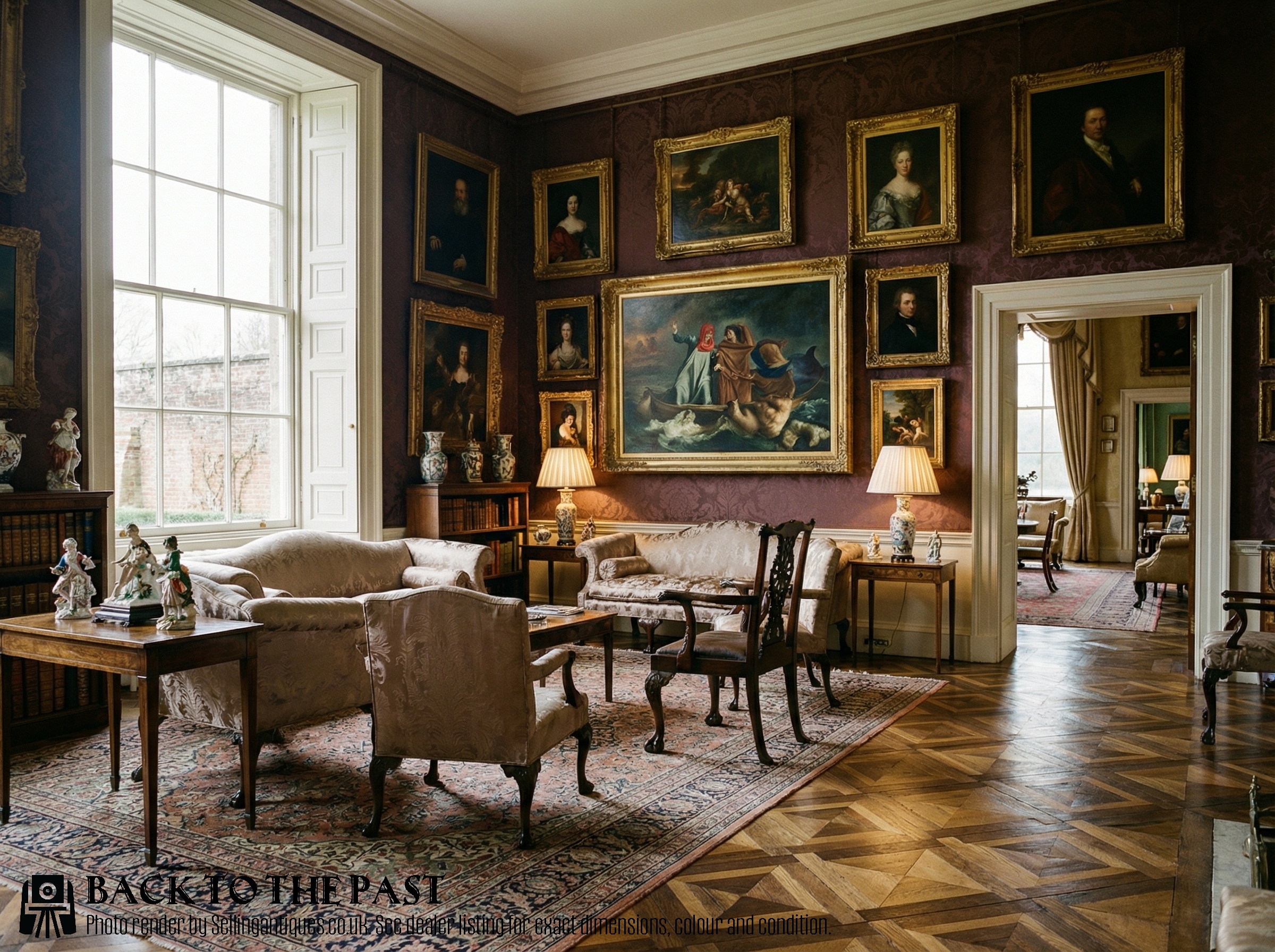
These seats served functional roles throughout nineteenth century homes, including dining rooms, libraries, hallways, and bedrooms. Dining chairs gathered around large extending tables while hall chairs stood in entrance spaces.
Specialist forms like piano stools sat beside musical instruments, and nursing chairs occupied bedroom spaces for comfort near the hearth.
How do I care for mahogany and upholstery?
Maintain nineteenth century mahogany by keeping pieces away from direct sunlight and extreme temperature fluctuations that cause wood to dry or crack. Dust regularly with a soft cloth and apply appropriate furniture wax sparingly.
Protect original textiles, leather, and cane by avoiding excessive moisture and weight loads beyond normal seating use. Professional conservation preserves fragile antique upholstery fabrics.
What is the difference between Victorian and Georgian chairs?
Georgian chairs generally exhibit lighter frames with Chippendale influences or classical straight lines. Mahogany tones in Georgian pieces often display a rich, mature patina developed over decades.
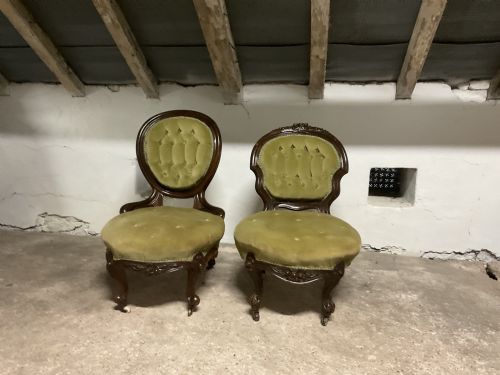
Victorian chairs tend toward heavier proportions, balloon backrests, and more exuberant carving. They frequently incorporate button back upholstery and darker polished mahogany surfaces.