
Nineteenth Century Lighting
Nineteenth century lighting encompasses functional and decorative fixtures from chandeliers to candlesticks that illuminate spaces with period craftsmanship and historic charm.
Nineteenth Century Lighting
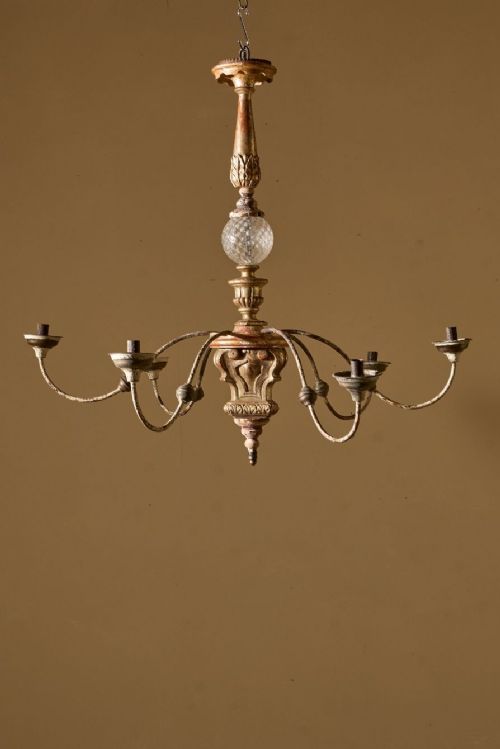
Nineteenth century lighting spans a diverse array of fixtures designed to burn candles, oil or utilise electricity in later adaptations. Buyers searching this category frequently encounter candelabra, wall lights, chandeliers and table lamps originating from British, French and Dutch workshops.
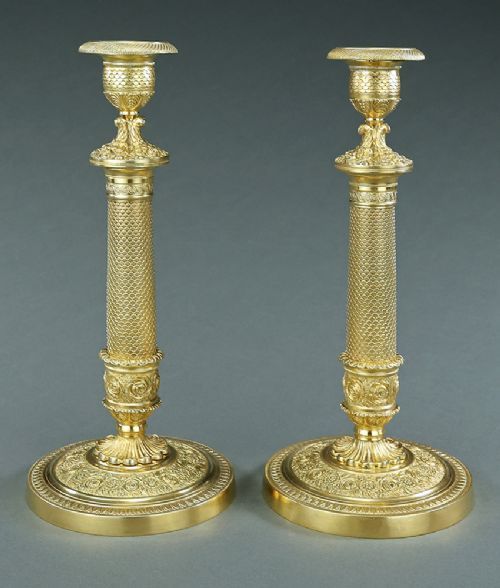
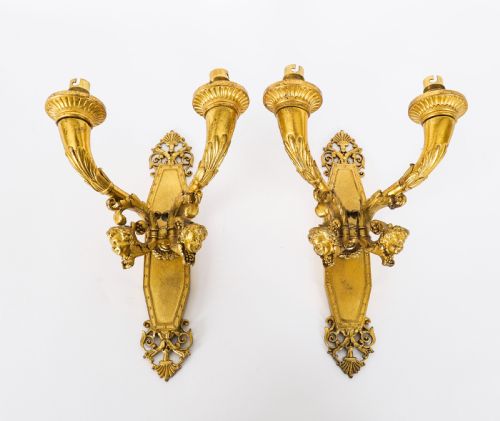
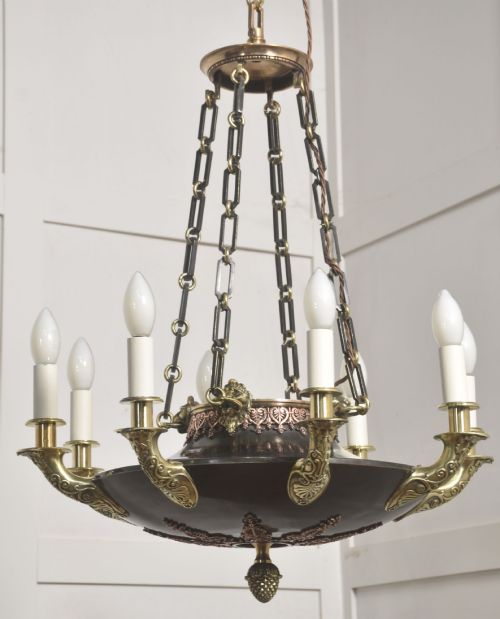
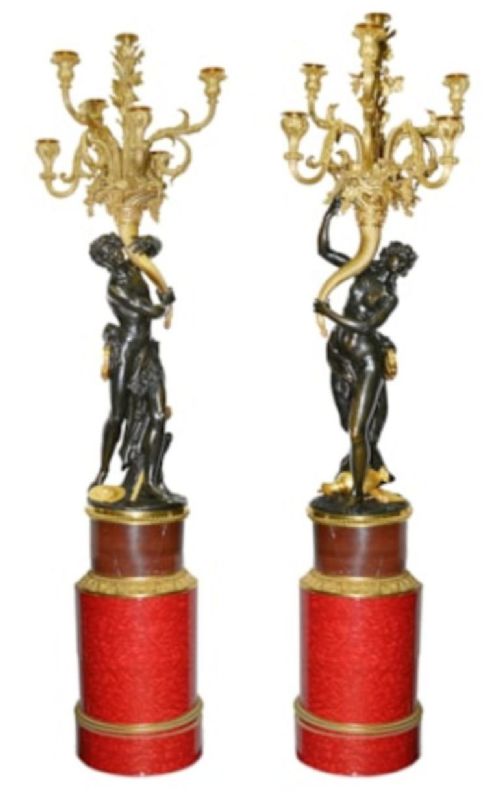
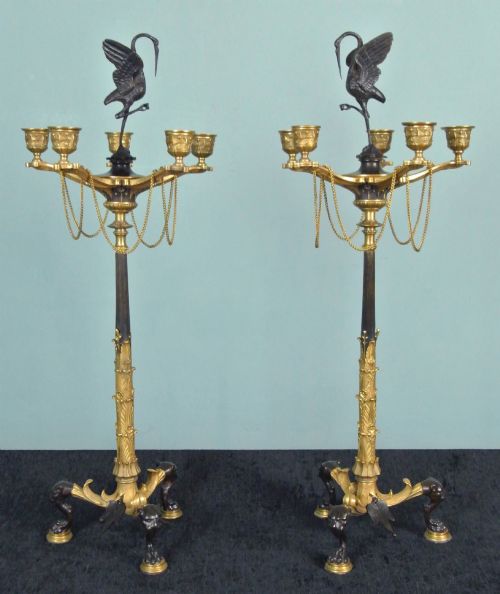
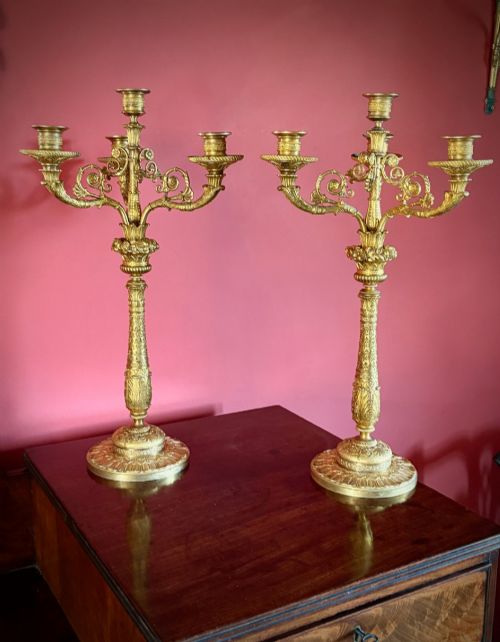
The objects listed here range from utilitarian copper street lanterns and iron spiral candlesticks to ornate gilt bronze and ormolu candelabra. Many pieces display revivalist aesthetics such as French Empire, Louis XIV and Victorian styles.
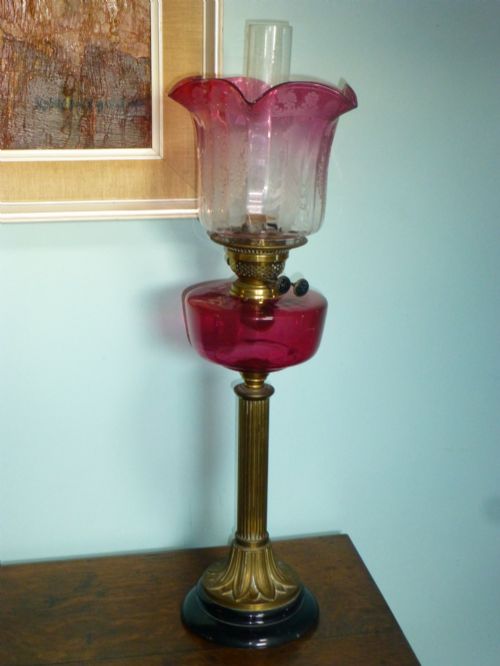
Conversions are common within this category, notably oil lamps and candlesticks adapted into electrical table lamps. These altered pieces retain their original form while serving modern functional requirements in domestic interiors.
Materials and construction
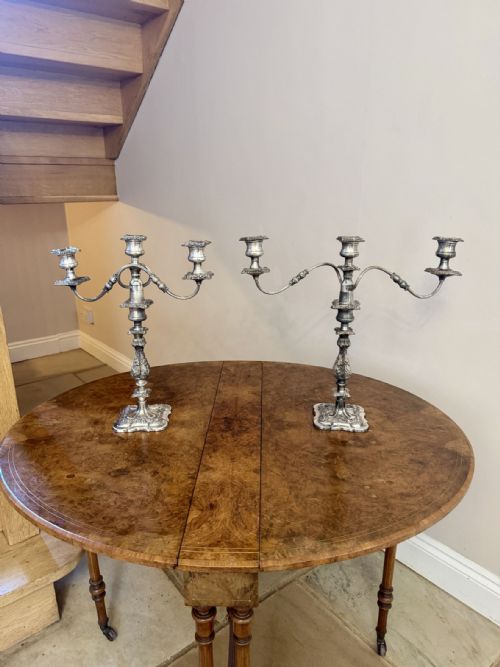
Metalworking dominates the manufacture of these pieces, utilising brass, bronze, copper, silver plate and ormolu. Founders cast metals using traditional techniques before applying mercurial gilding or patination to achieve varied surface textures.
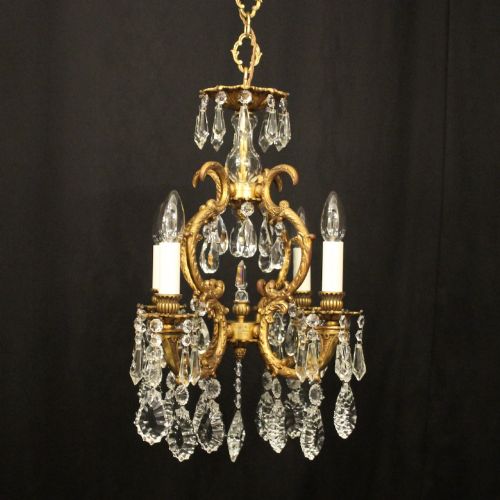
Glass and ceramic elements frequently accompany metal structures, seen in crystal chandelier drops, cranberry glass oil lamp fonts and porcelain columns. Artisans also incorporated natural materials such as marble, onyx and tortoiseshell into bases and stems.
Assessing quality
The integrity of the construction distinguishes superior examples from standard production, visible in heavy gauge metals, secure joints and original components. Weight and balance provide reliable indicators of substantial manufacture in candelabra and chandeliers.
Barbedienne·Hawksworth Eyre·Thomas Hope·Howard and Sons
The Nineteenth Century Lighting Glossary
- Ormolu
- A technique of applying finely ground high-carat gold-mercury amalgam to a bronze object. This process creates a rich, enduring golden finish characteristic of French decorative arts.
- Candelabra
- A branched candlestick designed to hold multiple candles simultaneously. These fixtures often feature central stems with removable arms for versatile arrangement.
- Repousse
- A metalworking method where an artisan hammers sheet metal from the reverse side to form a raised design in relief. This technique is frequently observed on Dutch brass wall sconces.
- Champleve
- An enamelling technique where troughs or cells are hollowed out of a metal surface and filled with vitreous enamel powder before firing. It appears on decorative nineteenth century desk sets and candlesticks.
- Cassolette
- A decorative vessel shaped like an urn, often featuring a reversible lid that converts the piece between an incense burner and a candleholder.
Nineteenth Century Lighting: Frequently Asked Questions
How do I safely clean antique brass and bronze?
Dust surfaces gently with a soft, dry microfibre cloth to remove everyday particles without disturbing the underlying patination. Avoid commercial metal polishes, as these abrasive chemical formulas can strip away historic gilt layers and damage the original finish.
For stubborn grime, consult a professional conservator rather than attempting aggressive liquid cleaning at home. Preserving the natural oxidation ensures the object retains its authentic historic character.
What distinguishes French Empire lighting from Victorian designs?
French Empire pieces draw heavy inspiration from classical antiquity, featuring formal symmetry, martial motifs, and rich ormolu mounts. These fixtures frequently incorporate classical figures, lions' paw feet and crisp geometric proportions.
Victorian lighting spans a broader spectrum of eclectic revivals and ornate industrial developments, ranging from heavy cast brass to silver plated Corinthian columns. The decoration tends towards exuberant floral detailing, textured Pewter and diverse regional craft traditions.
How do I securely mount a heavy antique wall light?
Heavy bronze and brass wall sconces require robust mechanical fixings anchored directly into solid masonry or substantial internal timber studs. Relying solely on standard plasterboard fixings can lead to structural failure due to the significant weight of cast metal branches.
Consult a professional installer to evaluate wall strength and select appropriate load-bearing brackets for fixtures with multiple branches or crystal drops. Proper support safeguards both the wall structure and the delicate antique metalwork.