


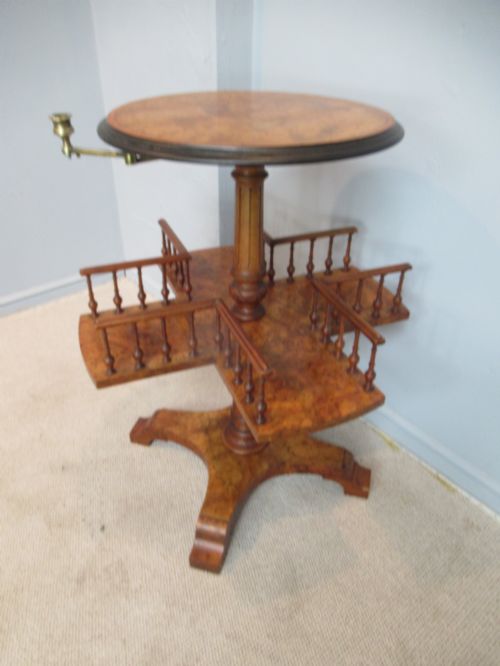


Nineteenth Century Library Bookcase
A nineteenth century library bookcase is a substantial timber piece built to house serious volumes, offering stately presence and enduring utility for any collector.
Nineteenth Century Library Bookcase
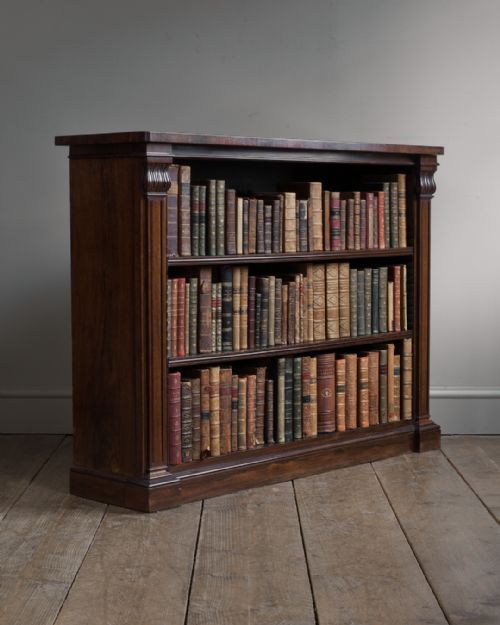
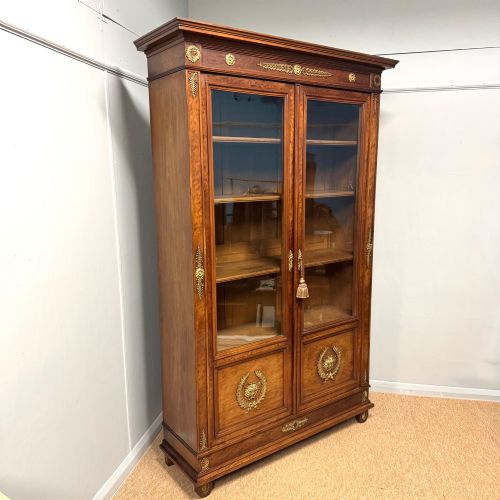
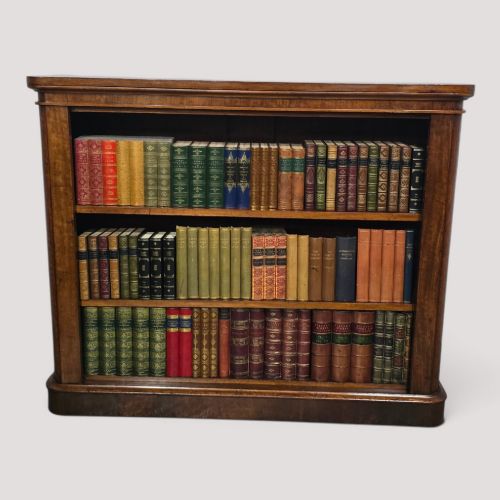
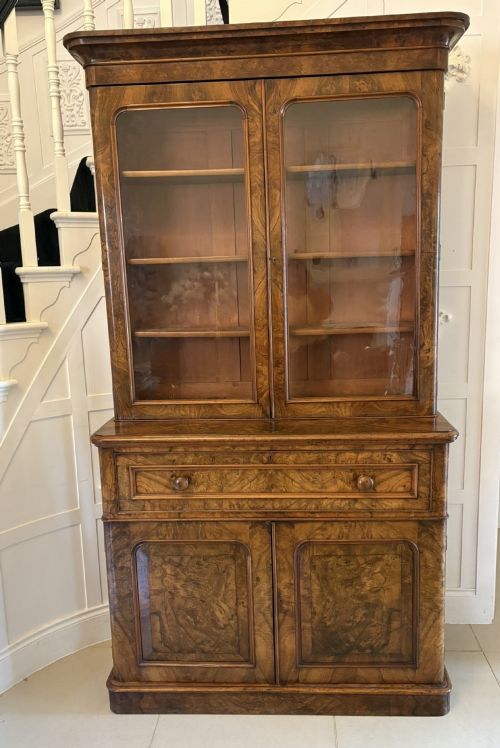
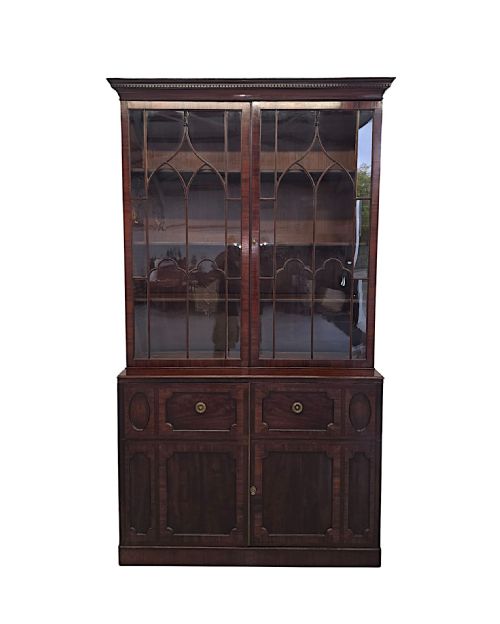
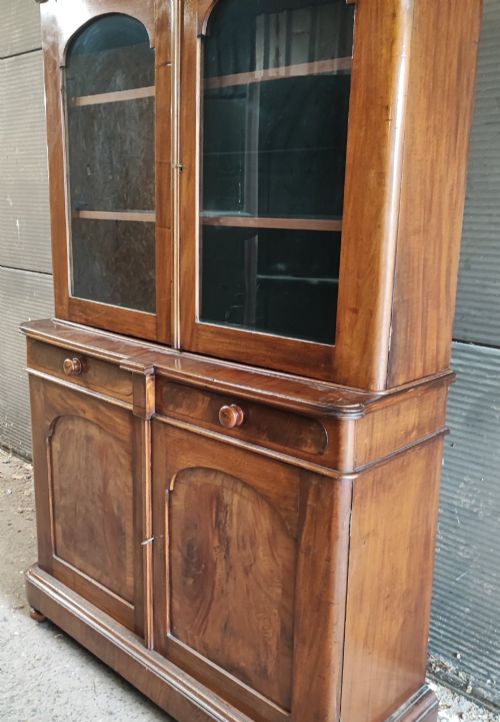
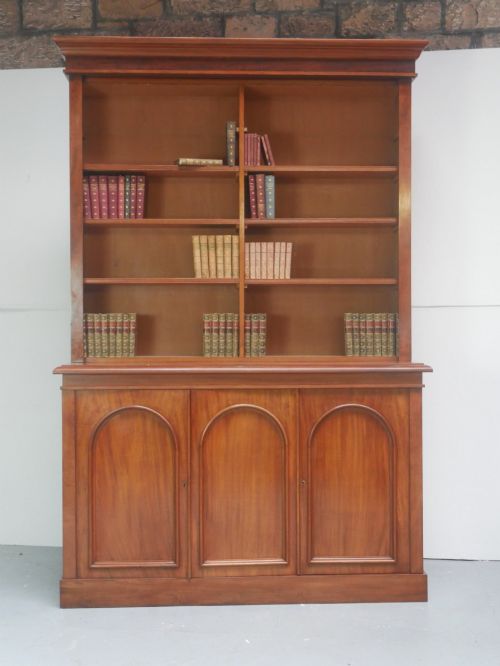
A nineteenth century library bookcase is a large wooden cabinet designed for holding books, frequently incorporating lower cupboards or glazed upper display sections. The versions you meet most often on this page date from the Victorian and Regency periods, rendered in dense hardwoods.
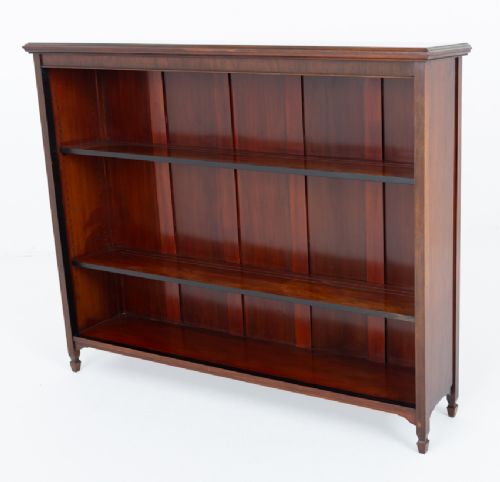
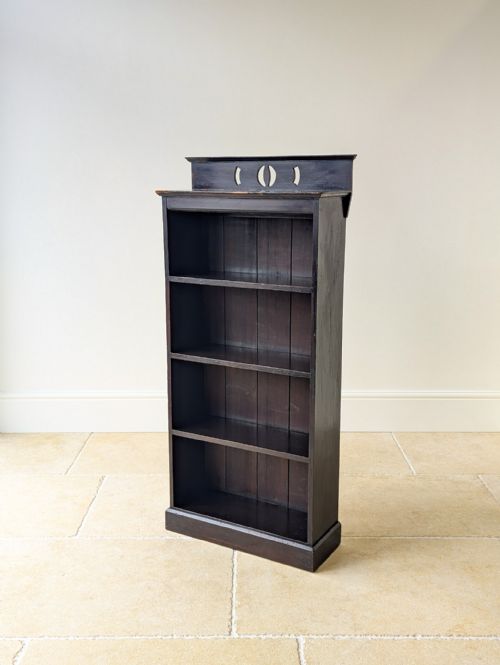
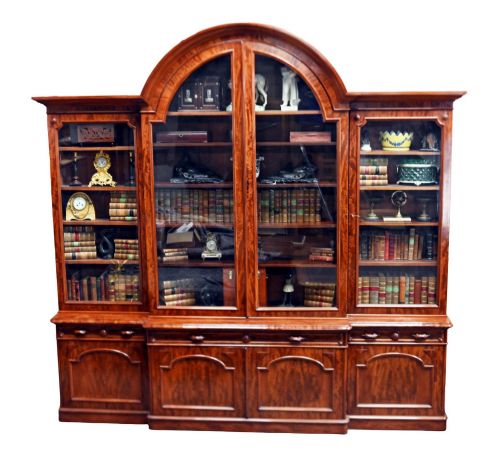
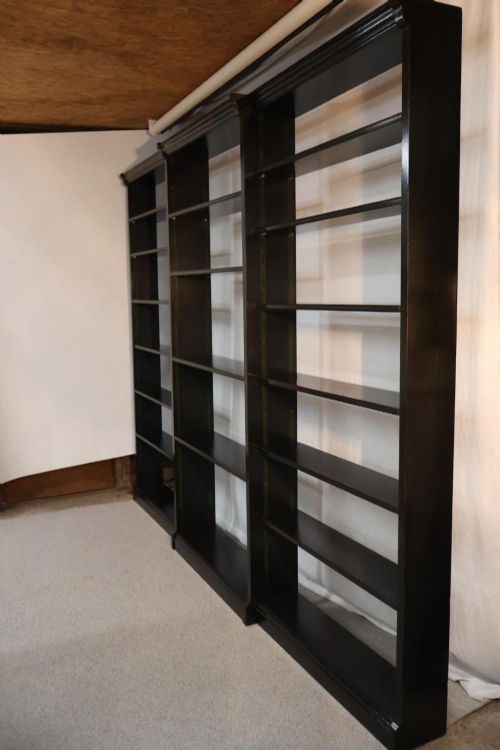
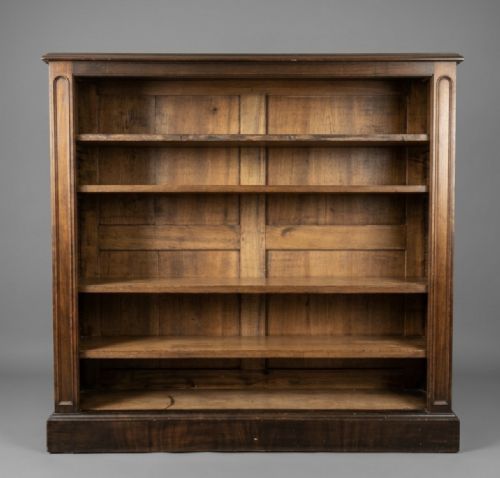
Makers produced these pieces in various formats, ranging from breakfront and two-door configurations to open shelving and revolving bookstands. Many examples hail from the nineteenth century, Georgian, and William IV eras, reflecting formal domestic interiors.
Specialised variants include secretaire bookcases featuring integrated writing drawers and waterfall bookcases with stepped shelves. These forms served the functional needs of private libraries and studies.
What varies in quality
Quality rests in the selection of timber, such as heavily figured mahogany or burr walnut, and the crispness of carved mouldings. Pieces bearing attribution to known makers command attention for superior joinery and proportional balance.
The sophistication of the internal arrangement, including adjustable shelving and fitted writing compartments with embossed leather, separates standard utility furniture from exhibition-standard commissions.
Nineteenth Century Library Bookcase Retail Price Guide 2026
Typical asking prices for nineteenth century library bookcase among the pieces listed under this phrase on Sellingantiques today, from the lower quarter to the upper quarter. They describe what is for sale here now, not the wider market.
The Victorian period and the broader nineteenth century represent the most frequently recorded eras among these bookcases.
Gillows·Holland & Sons
The Nineteenth Century Library Bookcase Glossary
- Breakfront
- A cabinet design where the central section projects forward from the flanking wings. This architectural layout creates depth and shadow across the front elevation.
- Secretaire
- A desk form featuring a drop-front drawer that conceals a fitted writing surface and small pigeonholes. It combines the storage of a bookcase with the utility of a writing table.
- Waterfall bookcase
- A standing set of open shelves that steps back progressively from bottom to top. This form emerged during the Regency period.
- Ormolu
- Gilt-bronze mounts applied as decorative ornaments to furniture surfaces. French cabinet makers favoured this technique during the nineteenth century.
Nineteenth Century Library Bookcase: Frequently Asked Questions
Where did nineteenth century library bookcases stand?
These large pieces stood principally in the libraries, studies, and drawing rooms of substantial nineteenth-century residences. They held prized volumes, family records, and reference works close at hand.
Today, they suit similar roles in private homes, grounding large living spaces and providing generous display shelving for collections.
How do I spot a Regency bookcase?
Regency pieces often display classical architectural influences, cleaner lines, and contrasting stringing like boxwood on dark mahogany. They reflect the formal design idioms of the early nineteenth century.
By contrast, later Victorian examples frequently feature heavier carved decoration, Gothic Revival motifs, or rich walnut veneers.
What is a secretaire bookcase?
A secretaire bookcase integrates a pull-down writing drawer into the upper section of cupboard doors. This clever dual-purpose design allowed owners to write letters without leaving their book collection.
Inside, you typically find small drawers and pigeonholes framing a leather-lined writing surface.