

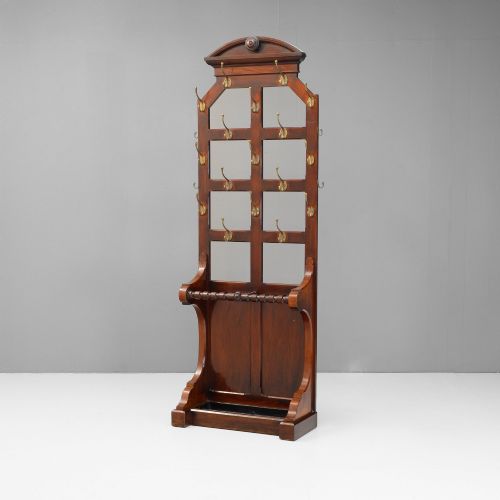


Nineteenth Century Hall Stand
These nineteenth century hall stand pieces offer practical entrance storage, combining wood and cast iron to organise coats, hats, and umbrellas.
Nineteenth Century Hall Stand
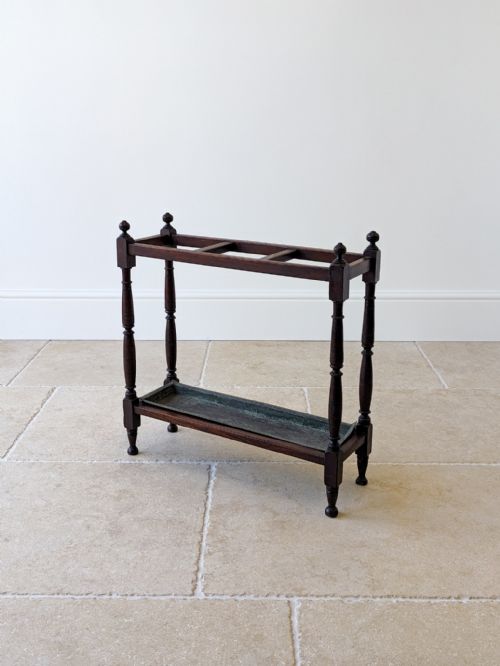
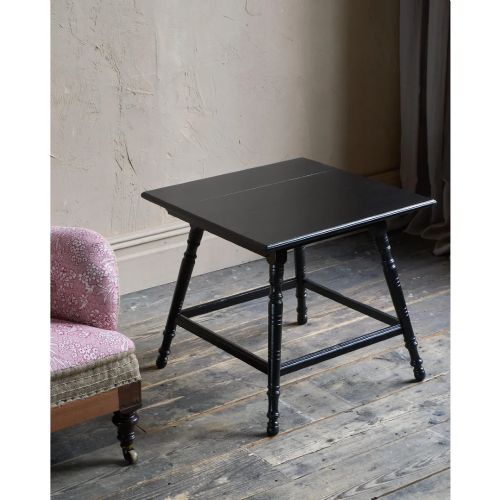
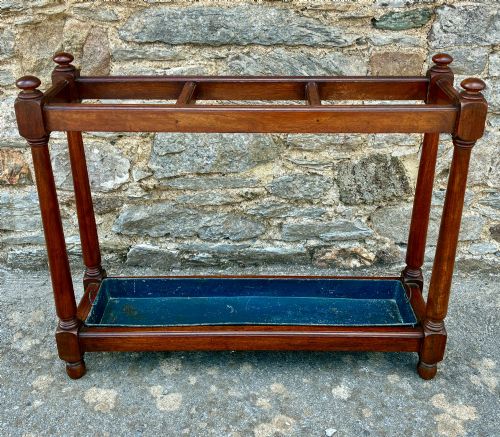
When you search for a nineteenth century hall stand, you enter a category defined by entrance furniture designed to hold coats, hats, sticks, and umbrellas in Victorian and continental hallways. The selection ranges from robust mahogany forms to decorative cast iron and ebonised wood structures.
You are most likely to meet mahogany versions from the Victorian era on this page, alongside French cast iron designs and occasional side tables or mirrors that share the hallway function. These pieces combine structural timber or metal with practical hooks, drip pans, and mirror plates.
How they were made
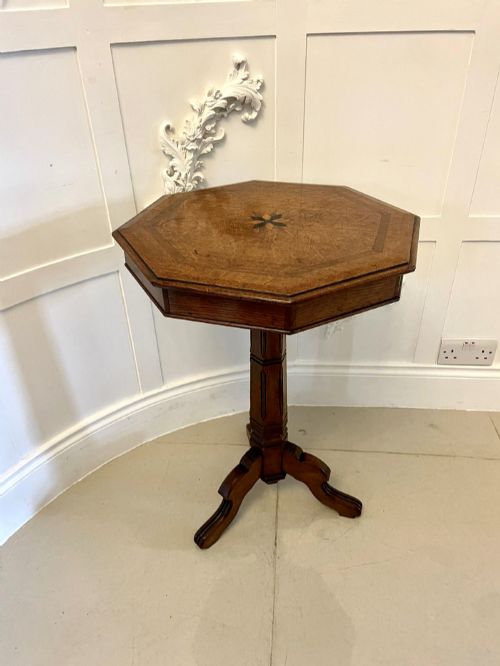
The construction relies heavily on solid mahogany, oak, and ebonised wood, often shaped with turning, carving, and marquetry inlay as seen in Sorrento work. Timber frames provide the structural support for integrated coat hooks and mirror glass.
Cast iron forms utilise detailed moulding techniques to create faux bamboo or figurative subjects like the Jack and the Beanstalk stick stand, paired with painted sheet metal drip pans for practical water collection.
Nineteenth Century Hall Stand Retail Price Guide 2026
Typical asking prices for nineteenth century hall stand among the pieces listed under this phrase on Sellingantiques today, from the lower quarter to the upper quarter. They describe what is for sale here now, not the wider market.
Listings feature mahogany, oak, ebonised wood, and cast iron across nineteenth century forms.
What varies in quality
Quality separates standard utilitarian items from finer examples through the ambition of the design and the execution of carved or inlaid details. Pieces featuring signed cabinet work, such as the Hindley and Sons side table, or intricate marquetry display a higher level of workshop skill.
The choice of materials also dictates the tier of the piece, moving from straightforward hardwood construction to elaborate cast iron mouldings, original silver or gilt mirror frames, and integrated brass fittings.
Hindley and Sons
The Nineteenth Century Hall Stand Glossary
- Ebonised wood
- Timber stained or treated to imitate ebony. This dark finish gained popularity in nineteenth-century furniture for its dramatic contrast.
- Halberd
- A two-handed pole weapon combining a spear and battle-axe. Some decorative French stands utilise this military form for their upright supports.
- Faux bamboo
- Moulded or carved imitation of natural bamboo stems. This decorative technique appears frequently on nineteenth-century metal and wooden hall stands.
Nineteenth Century Hall Stand: Frequently Asked Questions
What is a nineteenth century hall stand?
A nineteenth century hall stand is an entrance piece built to hold outdoor wear and walking accessories. These items combine hooks for coats, pegs for hats, and racks for umbrellas or walking sticks into a single hall furniture unit.
They appear in various materials including mahogany, oak, ebonised wood, and cast iron, often incorporating a central mirror and a metal drip tray at the base.
How were these hall stands used?
These pieces served as the primary storage point in a home's entrance hall for visitors and residents to leave hats, coats, and wet umbrellas. The integrated trays caught moisture from walking sticks.
Many designs also included a mirror for last-minute checks before stepping out the front door.
How do I live with one?
Living with a nineteenth century hall stand requires adequate wall space and clearance in an entrance hall or corridor. Their upright proportions make them useful for vertical storage without taking up excessive floor area.
Care involves protecting timber surfaces from moisture and ensuring heavy coats are distributed evenly across the provided hooks.