
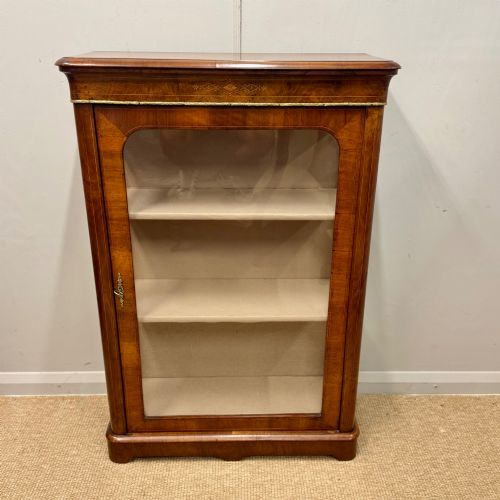
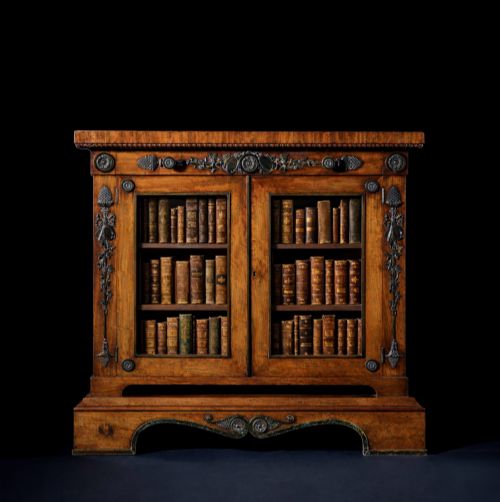
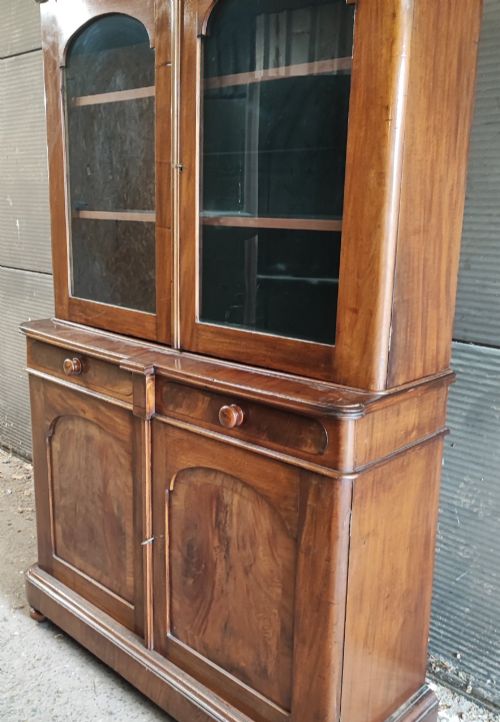
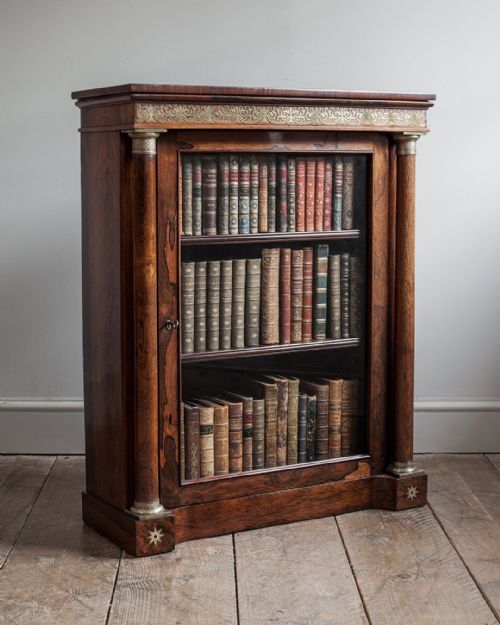
Nineteenth Century Glazed Cabinet
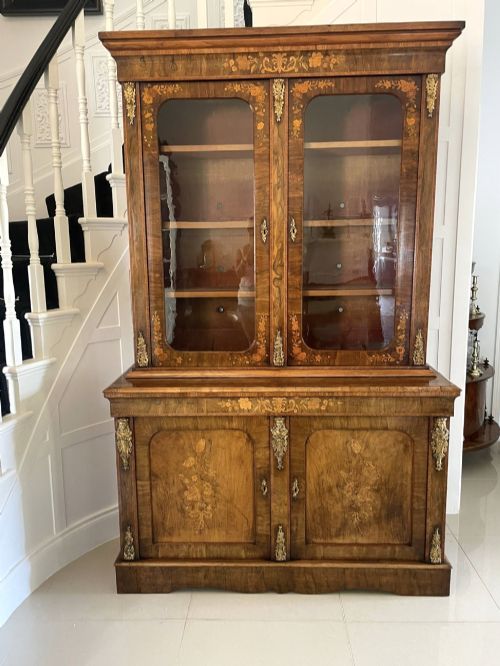
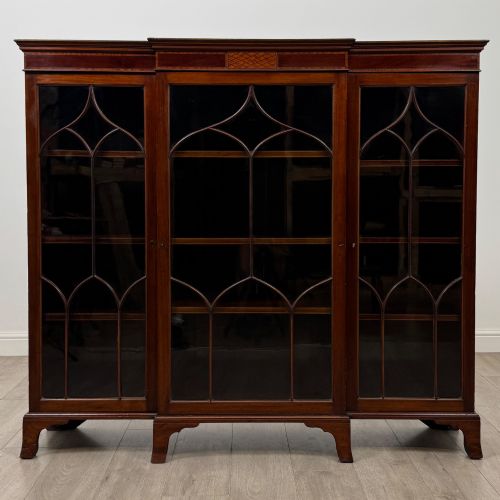
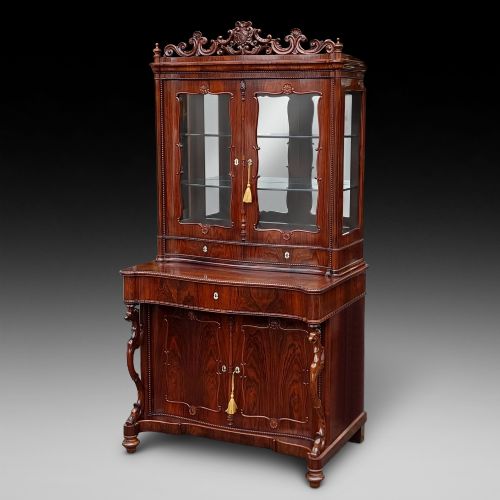
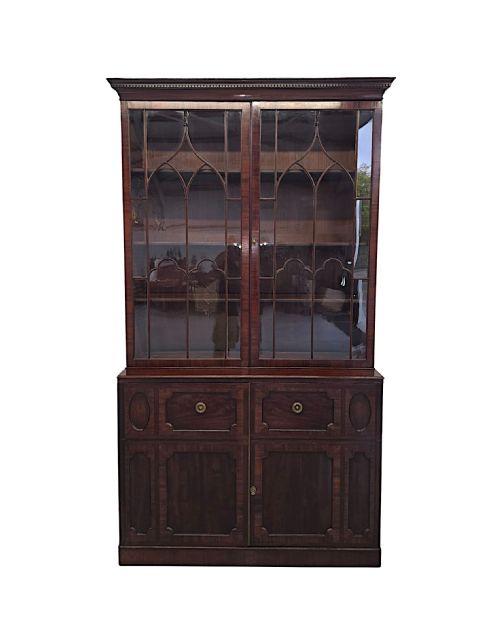
A nineteenth century glazed cabinet brings visible order to a room, offering glazed protection for books and treasured objects across diverse woods.
Nineteenth Century Glazed Cabinet
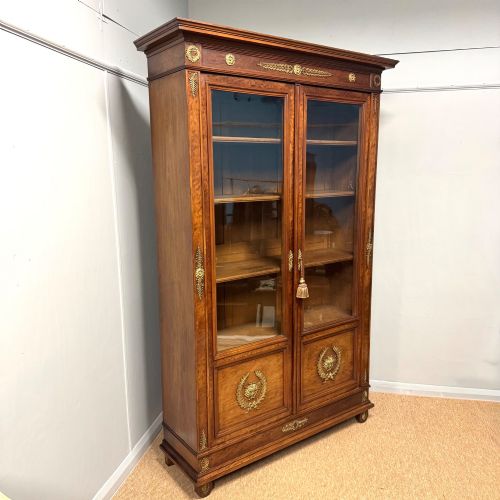
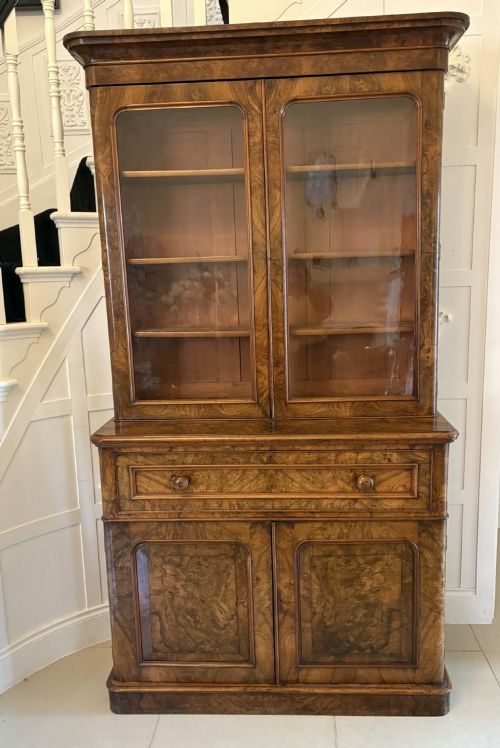
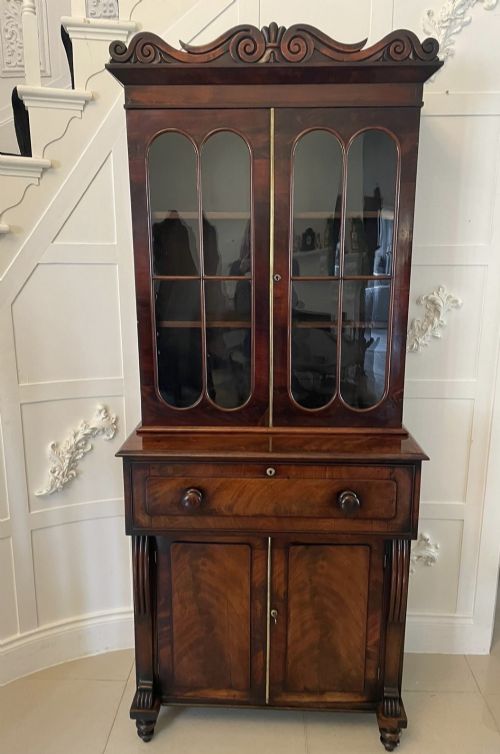
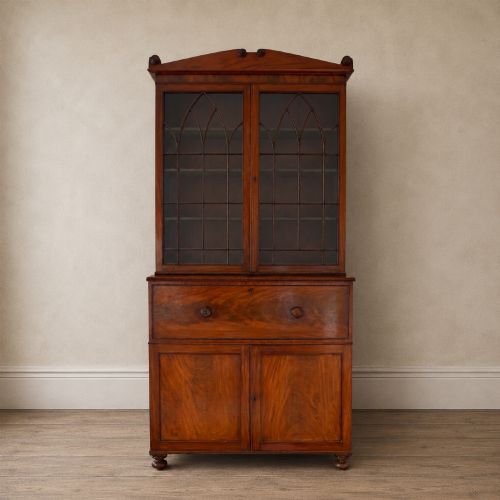
A nineteenth century glazed cabinet encompasses various forms designed to display or store belongings behind glass doors. The selection includes tall library bookcases, compact pier cabinets, credenzas, and side cabinets originating from the Georgian, Regency, William IV, and Victorian periods.
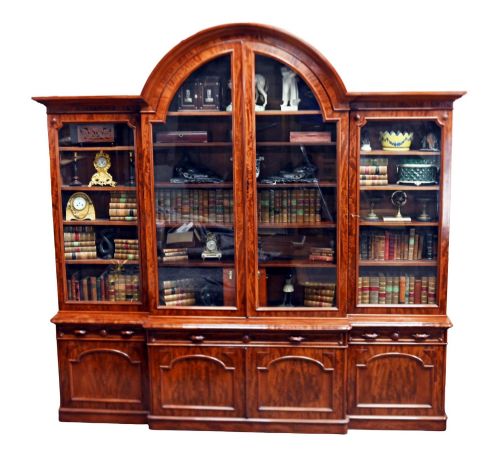
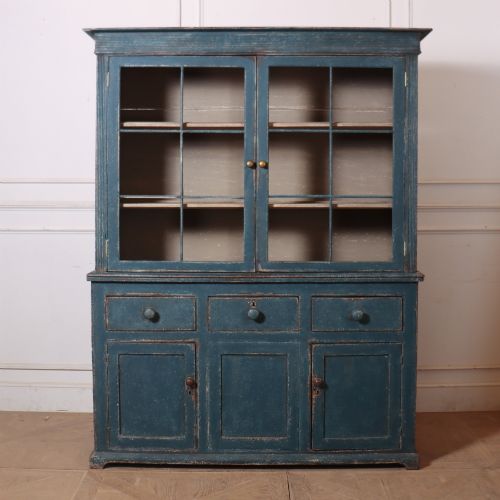
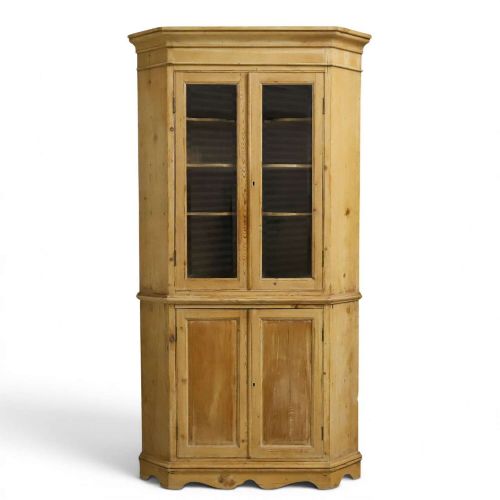
Bookcases and display cabinets dominate the selection, often taking large breakfront forms or standing on cupboard bases. Pieces range from formal English mahogany and burr walnut designs to provincial pine dressers and continental vitrines.
Makers such as Jas Shoolbred, Collinson & Lock, Edwards & Roberts, Gillows, and G. Durand appear alongside regional items. Buyers encounter both grand architectural library furniture and delicate French-influenced display pieces.
How they were made
Cabinet makers utilised dense timbers including mahogany, walnut, burr walnut, rosewood, kingwood, and pollard oak, often accented with marquetry inlay. Secondary structural work frequently employed pine or oak.
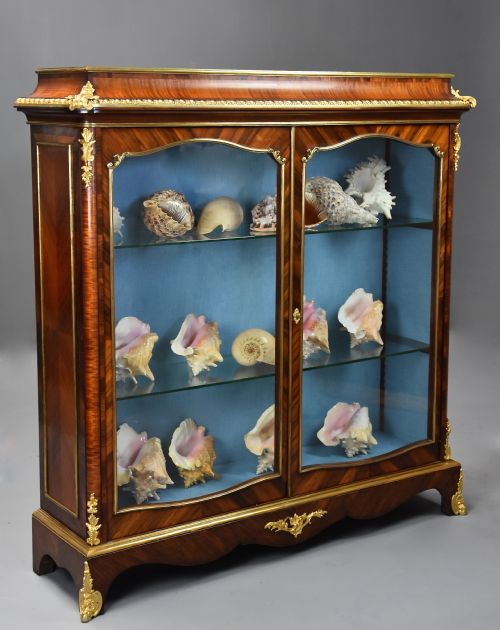
Mounts and decorative details in brass, ormolu, and bronze augmented the timber frames. Glass was glazed into wooden doors to protect contents while maintaining visibility.
Some nineteenth century pine pieces carry traces of old wax and paint, waiting for a kitchen.
What varies in quality
The standard of a nineteenth century glazed cabinet rests on the selection of timber veneers, the precision of marquetry inlay, and the crispness of carved details. Finer examples display carefully matched grain patterns and substantial bronze or ormolu mounts.
Construction methods also separate utilitarian storage from superior cabinet work, seen in the joinery of the doors, the integration of internal shelving, and the balance of proportions across breakfront or concave forms.
Jas Shoolbred·Collinson & Lock·Edwards & Roberts·Gillows·G. Durand
The Nineteenth Century Glazed Cabinet Glossary
- Glazed cabinet
- A storage or display unit fitted with glass doors to view contents while keeping them free from dust. These items serve to organise books and collections in domestic interiors.
- Pier cabinet
- A low cabinet built specifically to fit the wall space between windows. Such pieces often feature a single glass door and decorative mounts.
- Credenza
- A low sideboard or cabinet, frequently fitted with cupboards and glazed sections. Originating in Italy, the form became popular in Victorian drawing rooms.
- Ormolu
- Gilded bronze used for decorative mounts and furniture trim. It provides metallic contrast against dark timbers like mahogany and rosewood.
- Marquetry
- Inlaid wood veneers arranged to form decorative patterns or pictorial scenes. Craftsmen utilise different timber tones to create contrast.
Nineteenth Century Glazed Cabinet: Frequently Asked Questions
Where should I place a large bookcase?
Large nineteenth century glazed cabinets require stable wall space away from direct sunlight to protect timber and contents. Rooms with controlled indoor climate help preserve polished mahogany and walnut surfaces.
Positioning units perpendicular to windows or in dedicated libraries provides ample light for viewing items through the glass doors without exposing veneers to thermal stress.
How do I care for polished wood?
Maintaining nineteenth century furniture involves dusting with a dry, soft cloth and occasionally applying traditional beeswax. Avoid silicon-based polishes that can penetrate old finishes.
Keep cabinets away from direct heat sources such as radiators to prevent timber from splitting or warping over time.
What is a secretaire bookcase?
A secretaire bookcase combines a bookshelf with a pull-down desk drawer containing small compartments and writing surfaces. This dual function provides workspace alongside concealed storage.
The drop-front drawer often conceals pigeonholes and small drawers behind fitted facades, positioned beneath the glazed upper section.
How do I identify a Victorian piece?
Victorian items often employ dark woods like walnut and mahogany, frequently displaying heavy carving, marquetry, or ormolu mounts. Styles range from Gothic Revival to French influences.
Examining the interior construction, drawer linings, and backboards helps determine the manufacturing period and regional origin.