






Nineteenth Century Embroidery
Nineteenth century embroidery brings needlework, samplers and wall hangings into domestic spaces through silk, wool and cotton worked by hand.
Nineteenth Century Embroidery
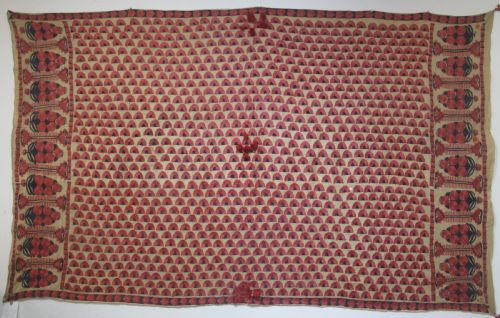
When you search for nineteenth century embroidery, you encounter a diverse range of textiles spanning European portraiture, samplers and Central Asian wall hangings. These pieces serve as decorative wall art or functional items associated with needlework and sewing.
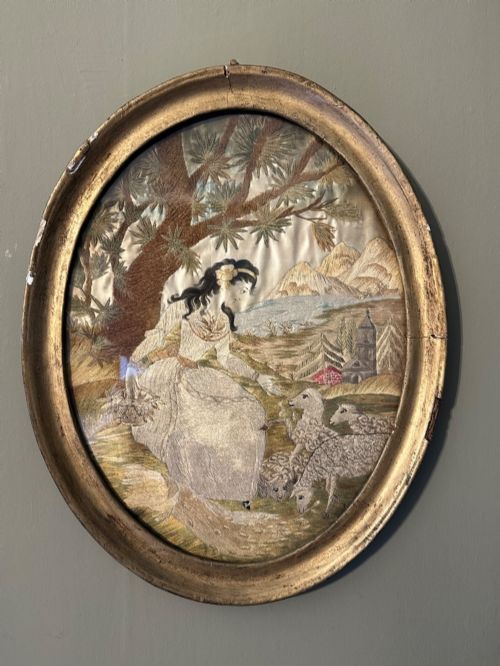
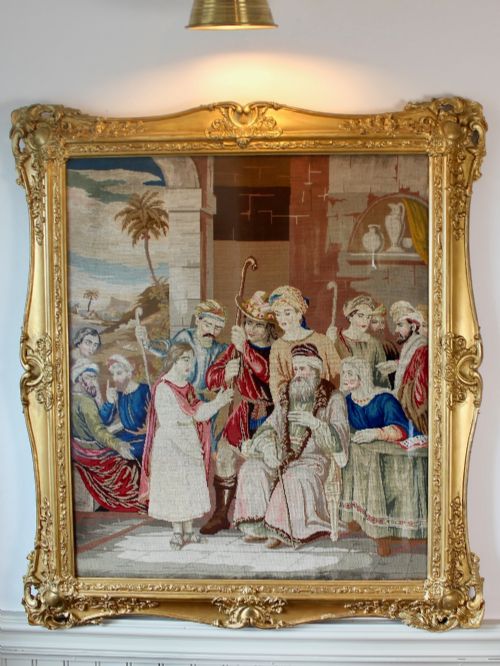
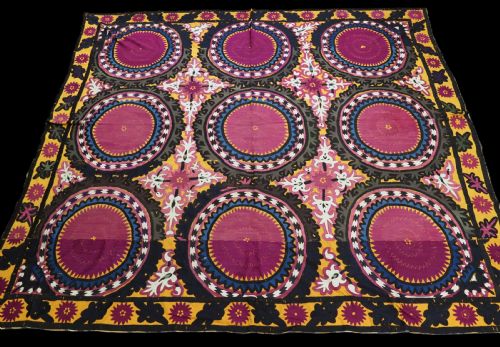
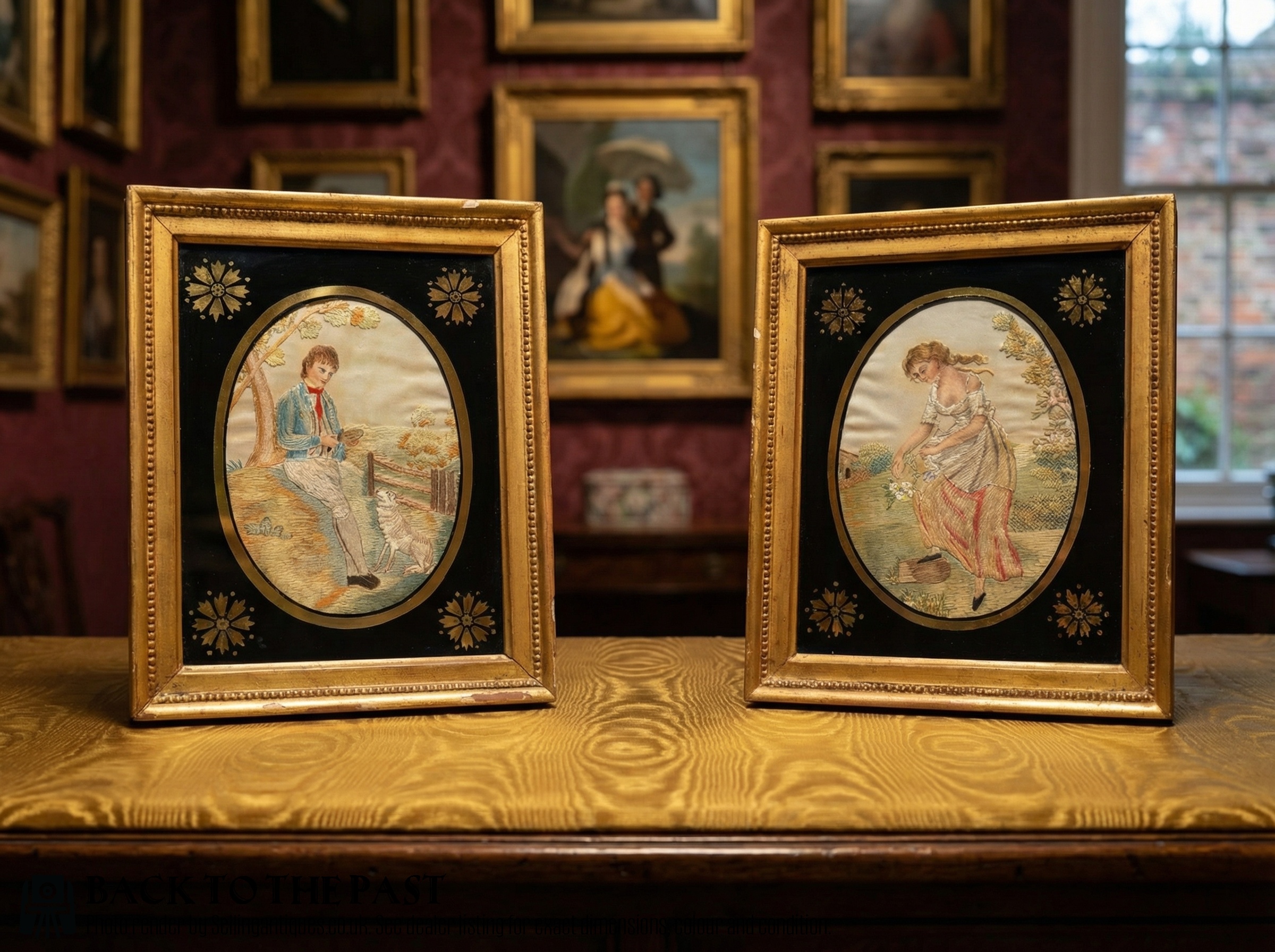
The selection on this page frequently includes Victorian Berlin woolwork pictures, Regency silk work panels and Uzbek tribal dowry embroideries. You also find specialised items such as lace samplers, maps, fire screens and work tables fitted for textile arts.
Materials and construction
Makers utilised natural textiles including silk, wool, cotton and linen as grounds for intricate needlework, often framing the finished panels in giltwood, rosewood, burr walnut or mahogany. Metal threads in gold provide embellishment on specific regional garments and wall hangings.
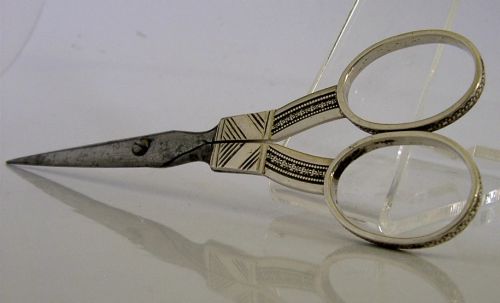
Techniques range from counted-thread Berlin woolwork and gros-point tapestry to long stitch silk pictures and delicate lace work. Sewing accessories and furniture pieces incorporate brass fixtures, glass components and solid silver scissors alongside the textiles.
Listings feature textiles from the Victorian, Regency and 19th-century periods, incorporating silk, wool, cotton, linen, glass, brass and rosewood.
Assessing the work
Quality rests upon the precision of the needlework and the complexity of the design, whether in a detailed portrait of Pharaoh's dream or a cartographic map of England and Wales. Finer execution shows tight, even stitches and well-balanced proportions across the pictorial composition.
The preservation of the original ground material and the vibrancy of the silk, wool or cotton threads distinguish superior examples. Associated frames, such as gilt Mezzotint mouldings or rosewood pole screens, contribute to the overall integrity of the piece.
The Nineteenth Century Embroidery Glossary
- Berlin woolwork
- A type of counted-thread embroidery popular during the nineteenth century, worked in wool on canvas using graphed patterns. This technique allowed makers to produce richly coloured pictorial scenes and portraits.
- Sampler
- A piece of needlework produced as a demonstration or test of skill, often displaying alphabets, numerals and decorative motifs. Nineteenth-century examples frequently record the maker's name, location and date.
- Pole screen
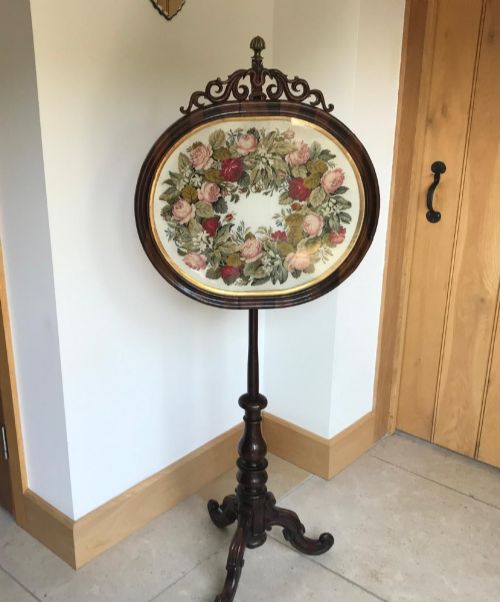
- A standing fireplace screen featuring an adjustable embroidered panel mounted on a central wooden pole. They protected faces from the intense heat of an open fire.
- Suzani
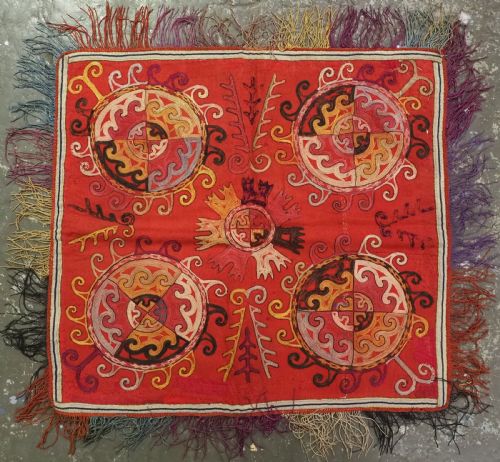
- A large, embroidered tribal wall hanging originating from Central Asia, worked in silk on a cotton or linen foundation. These textiles traditionally formed part of a bride's dowry.
- Gros-point
- A heavy, counted-thread needlepoint stitch worked on canvas that creates a durable, textured surface. It appears frequently in nineteenth-century decorative pictures and fire screens.
Nineteenth Century Embroidery: Frequently Asked Questions
What is Berlin woolwork?
Berlin woolwork is a form of counted-thread embroidery that utilised printed gridded patterns and brightly dyed wool yarns. It became immensely popular across Europe during the nineteenth century for creating large wall hangings and decorative pictures.
Artisans and amateurs alike used the method to render complex scenes, ranging from classical portraits to literary illustrations. These works usually survive mounted in period giltwood frames.
How were nineteenth century fire screens used?
Pole screens stood near fireplaces to shield a person's face from the direct radiant heat of an open coal or wood fire. The adjustable embroidered panel could be raised or lowered on the stand as needed.
Beyond their practical function in the parlour, these screens displayed the needlework skills of the household through framed silk or wool pictures.
What is a suzani embroidery?
A suzani is a large, decorative tribal textile hand-embroidered in silk thread on a cotton or linen ground. Originating in Central Asia, these pieces served as dowry items and wall hangings within traditional homes.
They feature bold botanical motifs and geometric patterns worked in vibrant regional colour palettes.
How do I date a sampler?
Samplers from this period frequently include stitched dates, names and locations directly into the composition. When a date is absent, stylistic clues such as the specific alphabet font, linen weave and framing materials help narrow down the decade.
Mid-nineteenth-century examples often reflect the standardised educational output of schools and institutions.
What furniture incorporates nineteenth century textiles?
Needlework panels and tapestries frequently appear integrated into sewing tables, workboxes, occasional tables and pole screens. Rosewood, burr walnut and mahogany formed the primary woods for these functional household items.
The furniture often included specialised compartments for storing threads, scissors and sewing accessories.