


Nineteenth Century Country Furniture
Nineteenth century country furniture brings honest, practical design into domestic spaces through robust timbers and unpretentious regional forms.
Nineteenth Century Country Furniture
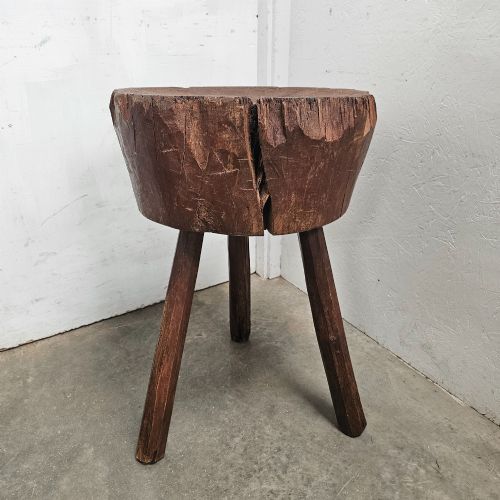
Nineteenth century country furniture comprises utilitarian domestic pieces produced for regional use rather than metropolitan drawing rooms. These items reflect the specific needs of rural households through straightforward construction and local materials.
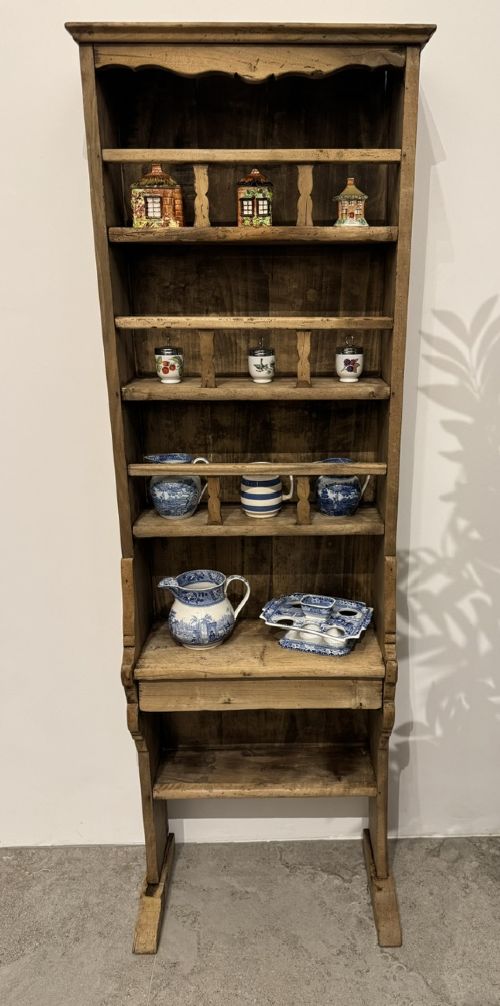
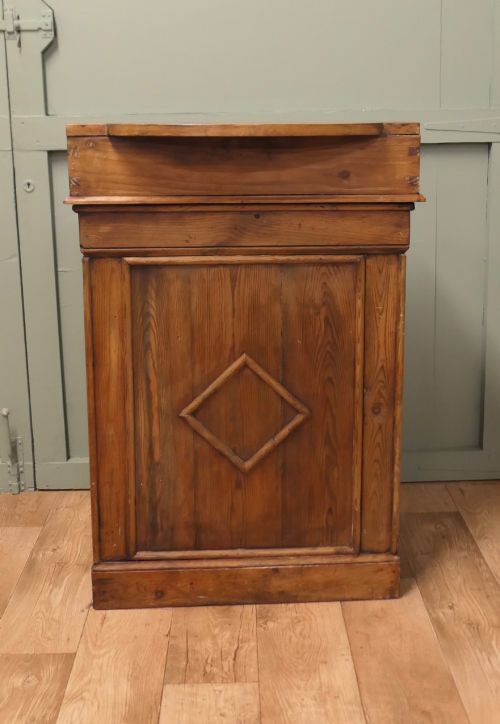
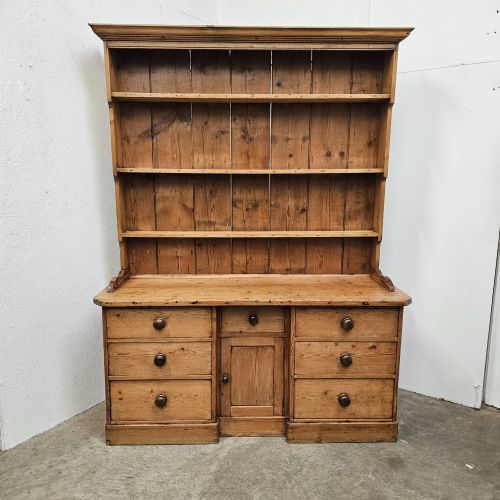
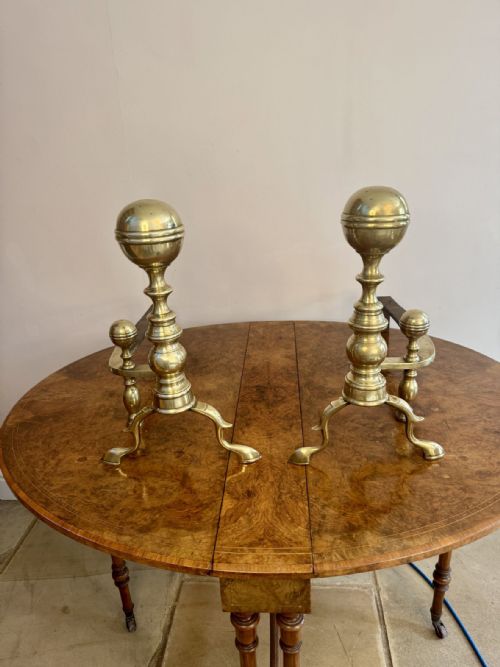
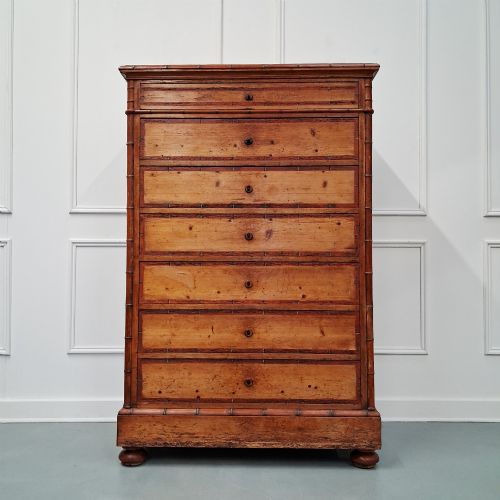
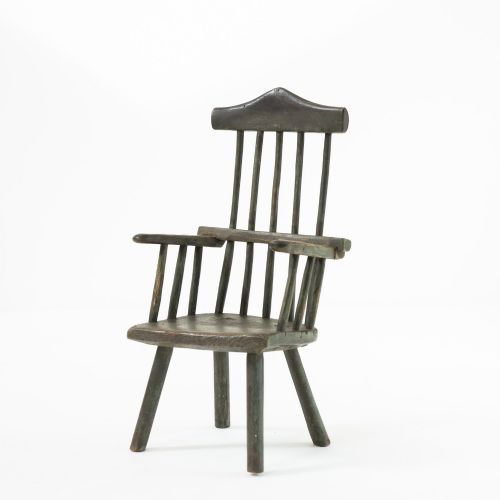
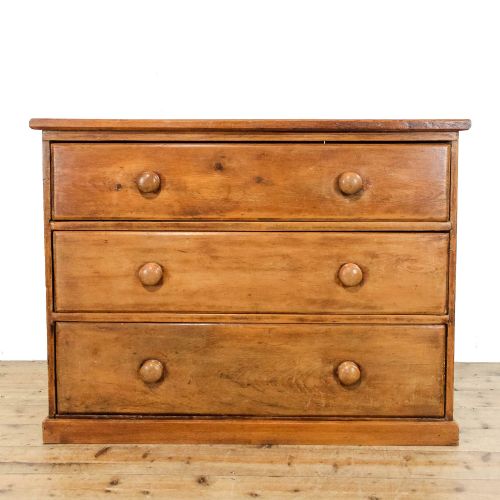
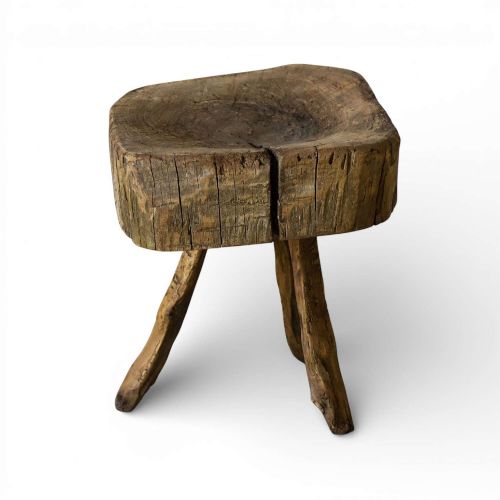
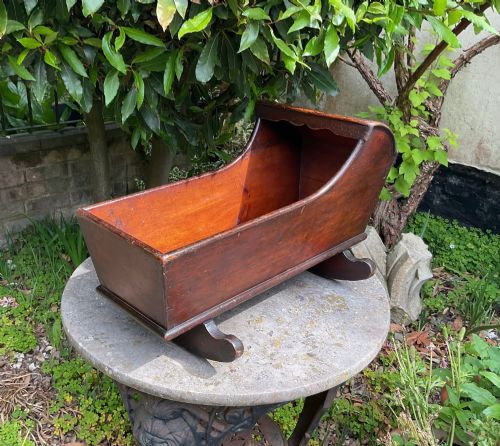
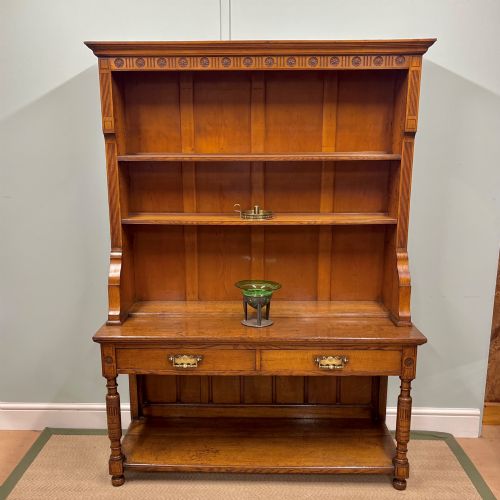
Chairs, chests of drawers, tables and cupboards dominate this selection, frequently demonstrating vernacular adaptations from England, Wales, France and Sweden. Buyers encounter sturdy seating alongside storage pieces built to withstand daily domestic demands.
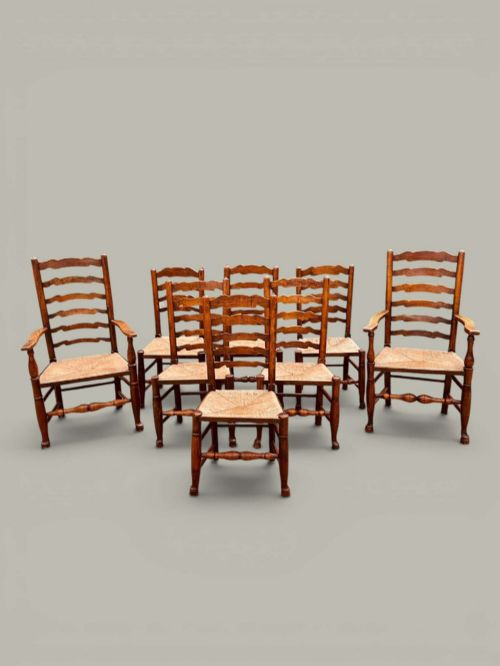
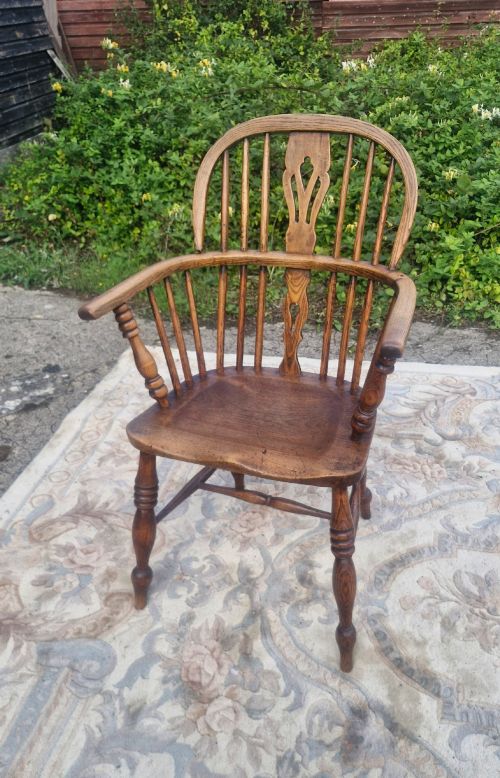
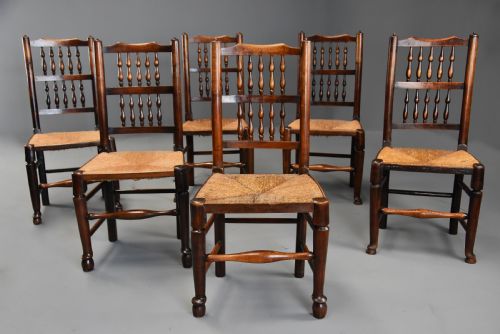
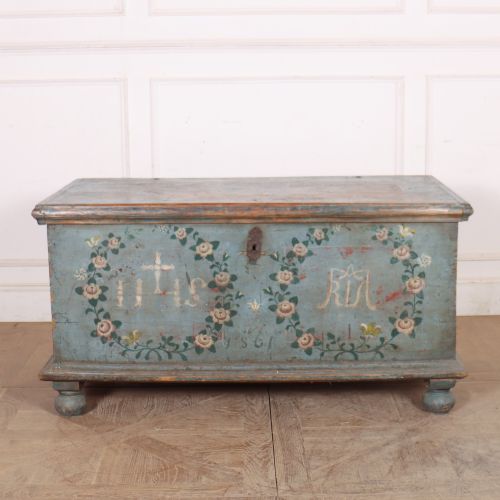
The aesthetic relies on proportion and utility rather than applied ornamentation. Pieces range from modest pine chests to sets of ash and elm dining chairs made by regional makers.
Materials and construction methods
Makers utilised locally available timbers including pine, oak, elm, ash, beech and birch. Woods were chosen for their specific properties, such as resilient elm for chair seats and durable oak for structural frames.
Joinery methods prioritized strength, employing pegged joints, spindle turning and stick-back construction. Surfaces frequently retain original painted finishes, scumble glaze or natural patination achieved through decades of handling.
Nineteenth Century Country Furniture Retail Price Guide 2026
Typical asking prices for nineteenth century country furniture among the pieces listed under this phrase on Sellingantiques today, from the lower quarter to the upper quarter. They describe what is for sale here now, not the wider market.
Listings feature pine, oak, elm, ash, beech and birch across English, Welsh, French and Swedish origins.
Determining quality in rural pieces
Quality rests upon the integrity of the original construction and the preservation of surface patination. Untouched timber surfaces and original painted finishes distinguish superior examples from heavily restored pieces.
Proportion and regional character dictate desirability. Pieces maintaining their original hardware, uncompromised structural joints and honest wear command greater attention from collectors.
The Nineteenth Century Country Furniture Glossary
- Vernacular
- Architecture or furniture built by local craftsmen to traditional local patterns, using local materials. These items serve immediate functional purposes without adherence to high-style metropolitan fashions.
- Patina
- The surface sheen and colour developed on wood and paint over decades of use and polishing. It serves as an indicator of age and handling.
- Scumble paint
- A decorative surface treatment involving a translucent glaze dragged or brushed over a base coat to imitate finer woods or graining. Country house pieces often display this finish.
- Stick back
- A chair construction method where turned spindles or sticks are inserted directly into a solid wooden seat. This technique provides lightweight strength.
- Spindle back
- A seating form utilising thin, turned wooden uprights forming the backrest. These chairs draw on regional traditions for domestic comfort.
Nineteenth Century Country Furniture: Frequently Asked Questions
What defines nineteenth century country furniture?
These pieces are practical domestic items built by regional makers for everyday rural life. They utilise local timbers and emphasise utilitarian design over formal metropolitan styles.
Common forms include chests of drawers, ladder-back chairs, cupboards and work tables. Each item reflects the specific workshop traditions of its region.
How do I care for antique pine furniture?
Maintain pine pieces by keeping them away from direct heat sources and dramatic humidity fluctuations. Gentle dusting preserves the dry surface and original paint.
Avoid harsh chemical polishes that strip historic finishes. Natural wax applied sparingly helps protect exposed softwood surfaces.
Are painted finishes original on these pieces?
Many items retain early or original coatings such as Falu paint, scumble glaze or plain historic pigments. These surfaces show authentic wear patterns from domestic use.
Examining the paint layers under natural light reveals whether the surface matches the age of the underlying timber structure.
What is a vernacular furniture style?
Vernacular design refers to objects made by local artisans following regional customs rather than academic architectural treatises. These pieces solve specific domestic storage or seating requirements.
Materials reflect immediate geographic availability, resulting in distinct regional variations across Britain and Northern Europe.