






Nineteenth Century Ceramic Charger
These nineteenth century ceramic chargers bring bold hand-painted colour and broad display surfaces to a wall or sideboard.
Nineteenth Century Ceramic Charger
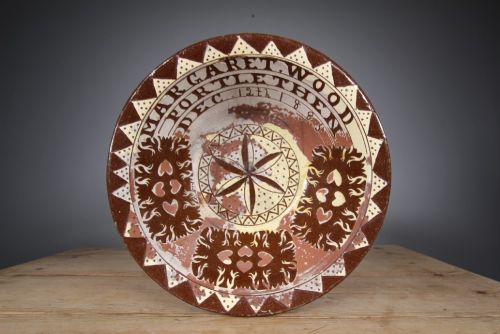
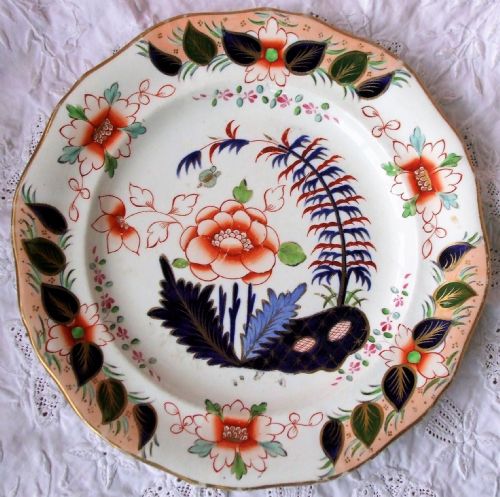
A nineteenth century ceramic charger is a large decorative plate or platter created primarily for display rather than for the dining table, spanning earthenware, ironstone, and porcelain. The selection here brings together European factory productions, English transferware, and Japanese export wares alongside Italian maiolica.
Most examples date across the Victorian decades, featuring prominent pieces from the mid-nineteenth century through to the turn of the twentieth century. Forms range from broad circular chargers and deep serving platters to oval dishes and decorative wall plaques.
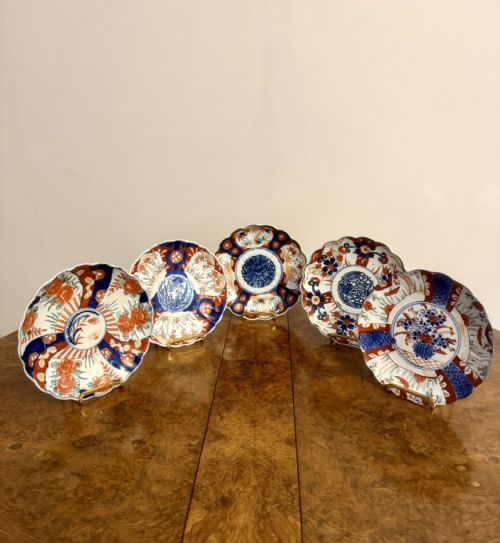
Makers and regional traditions represented include English potteries such as Minton and Davenport, continental porcelain from Vienna and Sèvres-style houses, and Japanese Meiji period Imari works. Buyers encounter both ambitious historical scene painting and robust domestic earthenware like slipware and ironstone.
Materials and Technique
Potters shaped these large chargers using diverse ceramic bodies including porcelain, dense ironstone, tin-glazed earthenware, and heavier slipware, each demanding distinct kiln temperatures and throwing or moulding methods. The sheer scale of a charger required careful drying and firing to prevent warping across the broad base.
Decoration relied heavily on hand-painted pigments, underglaze blue, enamel colours, and gold leaf applied over tin glazes or hard pastes. Many examples also utilised transfer printing techniques, particularly for large blue and white topographical and marine scenes before overglaze enamels were added by hand.
Continental and English factories employed specialist artists to paint complex historical, mythological, and portrait subjects directly onto the unfired or biscuit glaze. Japanese export works from the Meiji period deployed characteristic iron-red, cobalt blue, and gilt pigments fired onto fine porcelain.
Listings feature porcelain, earthenware, and ironstone from British, French, German, Italian, and Japanese makers across the nineteenth century.
Judging Quality
Quality rests primarily on the ambition and execution of the painted surface, separating standard factory output from master-painted exhibition pieces. Highly articulated narrative scenes, such as classical historical subjects or detailed topographical portraits, reflect greater skill than repetitive transfer-printed borders.
The crispness of the glaze and the stability of the ceramic body during firing dictate the baseline integrity of the charger. Well-potted pieces maintain a flat, true profile across wide diameters without excessive sagging or kiln distortion.
The handling of colour and gilding indicates the grade of the piece, with richly layered enamels and securely adhered gold leaf denoting superior workshop standards. Finer works demonstrate confident brushwork and precise compositional balance across expansive diameters.
John Davenport of Longport·Royal Bonn·C.J. Mason·Royal Vienna
The Nineteenth Century Ceramic Charger Glossary
- Charger
- A large decorative plate or platter intended for display rather than service. These expansive surfaces provided artists with wide canvases for complex painted scenes.
- Maiolica
- Tin-glazed earthenware produced in Italy and other European centres, typically painted with opaque colours over a white background. This technique allowed for vivid historical and pictorial narratives.
- Imari
- A style of Japanese porcelain featuring a distinctive palette of underglaze blue, iron-red, and gold leaf. Exported heavily to Europe throughout the nineteenth century.
- Ironstone
- A heavy, durable type of earthenware patented in the nineteenth century to imitate porcelain. It offered high resistance to chipping and a reliable ground for transfer-printed designs.
- Slipware
- Pottery decorated with liquid clay applied to a body before firing, often trailing patterns in contrasting earth tones. This method connects nineteenth-century rural production to older folk traditions.
Nineteenth Century Ceramic Charger: Frequently Asked Questions
Were these chargers used for dining?
Most large nineteenth century chargers served primarily as decorative display pieces on sideboards or walls rather than functional tableware. Their broad diameters and elaborate painted surfaces made them centrepieces for reception rooms.
Heavier earthenware and ironstone examples occasionally saw service at grand feasts, but the finer porcelain and istoriato maiolica pieces were strictly ornamental.
How do I hang a large charger safely?
Displaying a large ceramic charger on a wall requires a dedicated wire or spring-tension hanger padded to protect the rim. Ensure the hardware grips the entire depth of the foot ring or rim securely without exerting pressure on vulnerable glazes.
Alternatively, many collectors use heavy brass or iron display stands to support the weight of the charger safely on a mantelpiece or cabinet shelf.
What is the difference between Imari and Canton porcelain?
Imari porcelain originates from Japan and is easily recognised by its strict palette of cobalt blue, iron-red, and gold leaf, often featuring intricate floral and panelled geometric motifs. These were widely imported during the Meiji period.
Canton porcelain stems from China and typically showcases the Rose Medallion style, which incorporates pastel pink enamels, green foliage, and detailed panels filled with figures and birds.
How can I distinguish English ironstone from porcelain?
English ironstone is a dense, opaque ceramic that feels noticeably heavier and thicker in the hand than translucent porcelain. It rings with a duller thud when tapped rather than the high-pitched resonance of true porcelain.
Ironstone was engineered for durability, making it ideal for robust nineteenth-century serving platters and transferware plates that needed to withstand everyday handling.